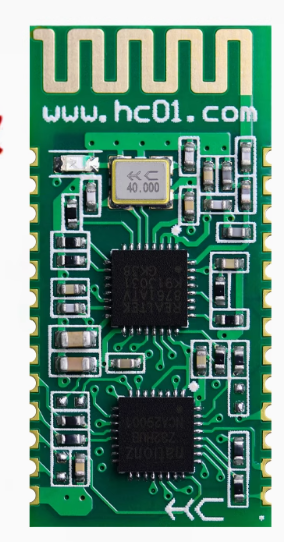
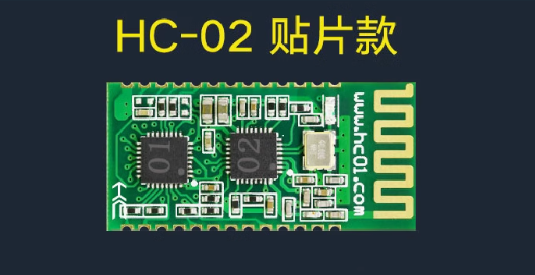
HC-02 Bluetooth Module [Original]

SKU: FA2039-3
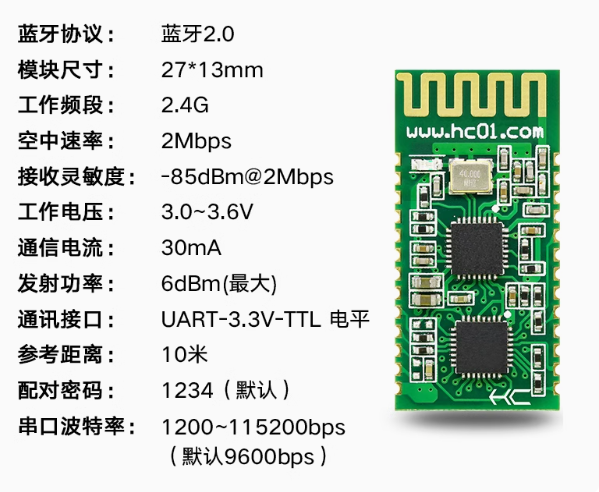
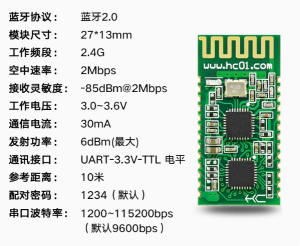
Bluetooth Protocol

Bluetooth V2.0 + EDR

Operating Voltage

3.6V – 6.0V DC

Operating Current

~35mA (Pairing); < 10mA (Connected)

Logic Level (I/O)

3.3V TTL (VCC is 5V compatible)

Communication Interface

UART (Universal Asynchronous Receiver/Transmitter)

Default Baud Rate

9600 bps

Default Pairing PIN

1234 (or 0000)

Frequency Band

2.4GHz ISM Band

Transmission Range

~10 Meters (Class 2)

Operating Temperature

-20°C to +75°C

Product Description
The Original HC-02 is a high-performance Bluetooth 2.0+EDR (Enhanced Data Rate) serial port module designed for ultra-stable wireless data transmission. While it belongs to the same family as the classic HC-05 and HC-06, the HC-02 is engineered for enhanced compatibility and lower power consumption, making it an ideal choice for both legacy and modern hardware.
This module acts as a “Transparent Serial Bridge.” Once paired with a Master device (such as an Android smartphone, tablet, or PC), it functions exactly like a physical serial cable. Data sent to the module’s RX pin is wirelessly transmitted to the paired device instantly. The HC-02 is specifically optimized for Slave Mode operation, providing a “set-and-forget” solution for developers who need a reliable, high-speed connection without the complexity of master-role switching.
Key Features
  • Original Industrial Chipset: Uses genuine silicon for superior frequency stability and anti-interference performance compared to generic clones.
  • Transparent Transmission: No complex Bluetooth protocol knowledge is required; simply send standard serial data (TTL) and it is transmitted wirelessly.
  • High Compatibility: Specifically designed to work seamlessly with a wide range of Android versions, Windows, and Linux-based systems.
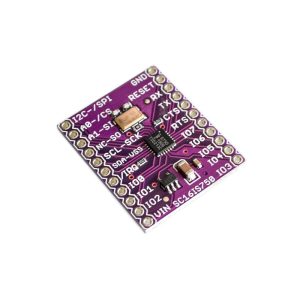
  • Wide Voltage Support: The onboard 6-pin breakout board includes a 3.3V LDO regulator, allowing the module to be powered by 3.6V to 6.0V DC.
  • Low Power Design: Optimized standby and operating currents make it suitable for battery-powered IoT applications and portable handheld devices.
  • Onboard Status LED: Provides immediate visual diagnostics: flashing indicates searching/pairing mode, while a steady or double-flash indicates a successful connection.
Usage Scenarios
  • Individual & Hobbyist: Building smartphone-controlled robots with Arduino, wireless home automation sensors, and DIY wireless game controllers.
  • Business & Commercial: Wireless debugging for industrial machinery, wireless serial data collection for medical monitoring, and cable-free point-of-sale (POS) systems
Q: Can the HC-02 connect to an iPhone or iPad?

No. The HC-02 uses Bluetooth Classic (2.0). Apple iOS devices only support “Bluetooth Low Energy” (BLE 4.0+) for serial data communication. This module is fully compatible with Android, Windows, macOS, and Linux

Q: What is the difference between the HC-02 and the HC-05?

 The HC-05 can be both a Master and a Slave. The HC-02 is optimized primarily as a Slave module, offering better pairing stability and lower power consumption for devices that just need to receive a connection.

Q: How do I change the Bluetooth name of the module?

You can customize the name by entering AT Command Mode. While the module is unpaired, send the serial command AT+NAME=NewName. Note: Some HC-02 versions require the KEY/EN pin to be pulled high to accept commands.

Q: Do I need a level shifter for my 5V Arduino?

While the module is powered by 5V, its data pins (RX/TX) use 3.3V logic. For the best long-term reliability, it is recommended to use a voltage divider (1kΩ and 2kΩ resistors) on the RX line of the HC-02 to safely drop the 5V signal from the Arduino

Q: Can I use this for high-quality audio streaming?

No. The HC-02 is a Data Module designed for serial text and sensor information. It does not support audio profiles like A2DP or HFP.

Q: Does it save my settings after the power is turned off?

Yes. Any changes made to the Baud rate, Name, or PIN via AT commands are saved in the internal non-volatile memory and will persist through power cycles