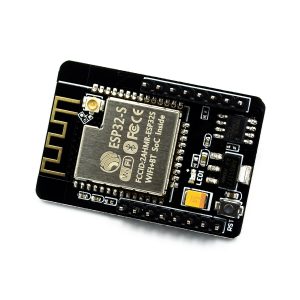
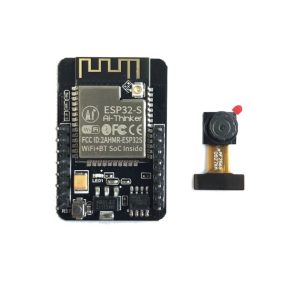
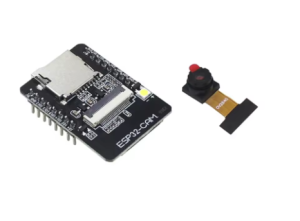
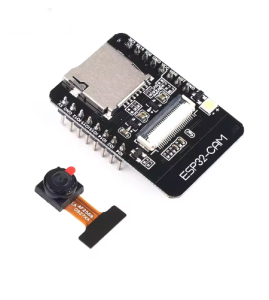
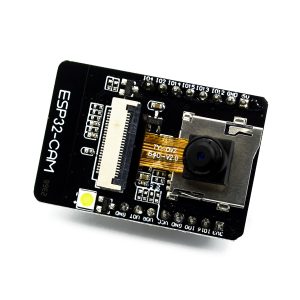
ESP32-CAM [2M] with Original OV2640 Camera

SKU: FA1053-2-0-1
Microcontroller

ESP32-S, dual-core 32-bit LX6, up to 240 MHz

Camera Sensor

Original OV2640, 2MP (1600 × 1200 UXGA)

Memory

520 KB SRAM + 4 MB PSRAM (variant dependent)

Storage

MicroSD card slot, up to 32 GB (FAT32)

Wireless

Wi-Fi 802.11 b/g/n, Bluetooth v4.2 BR/EDR + BLE

Power Supply

5V via pins; 3.3V logic

GPIO Count

16 pins exposed

Dimensions

27 × 40.5 × 4.5 mm

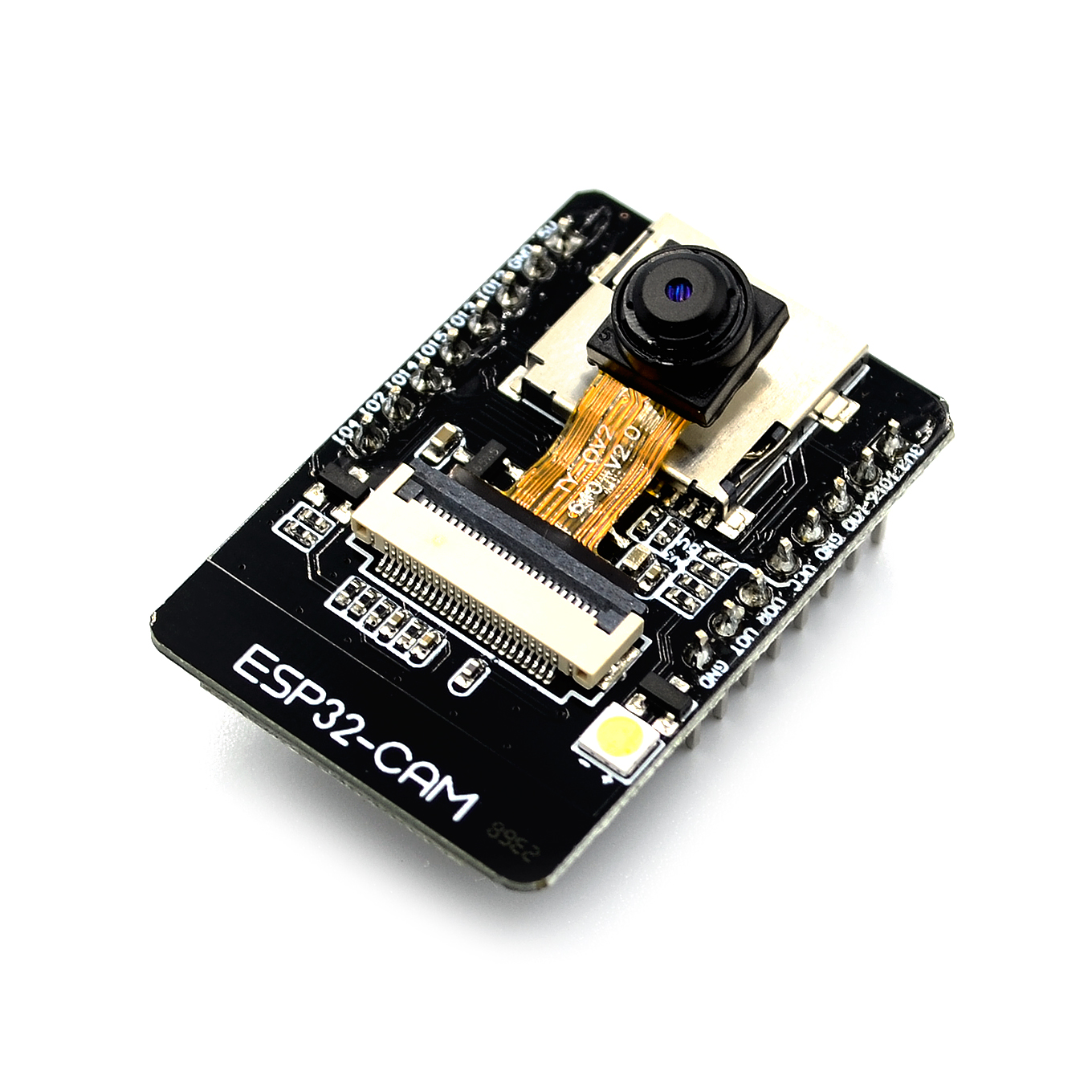
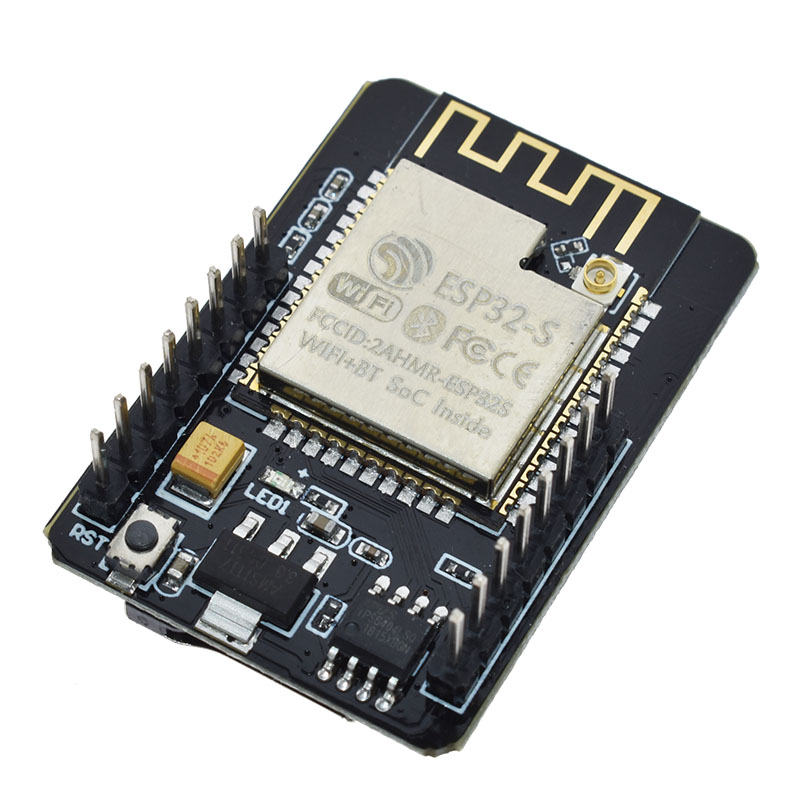
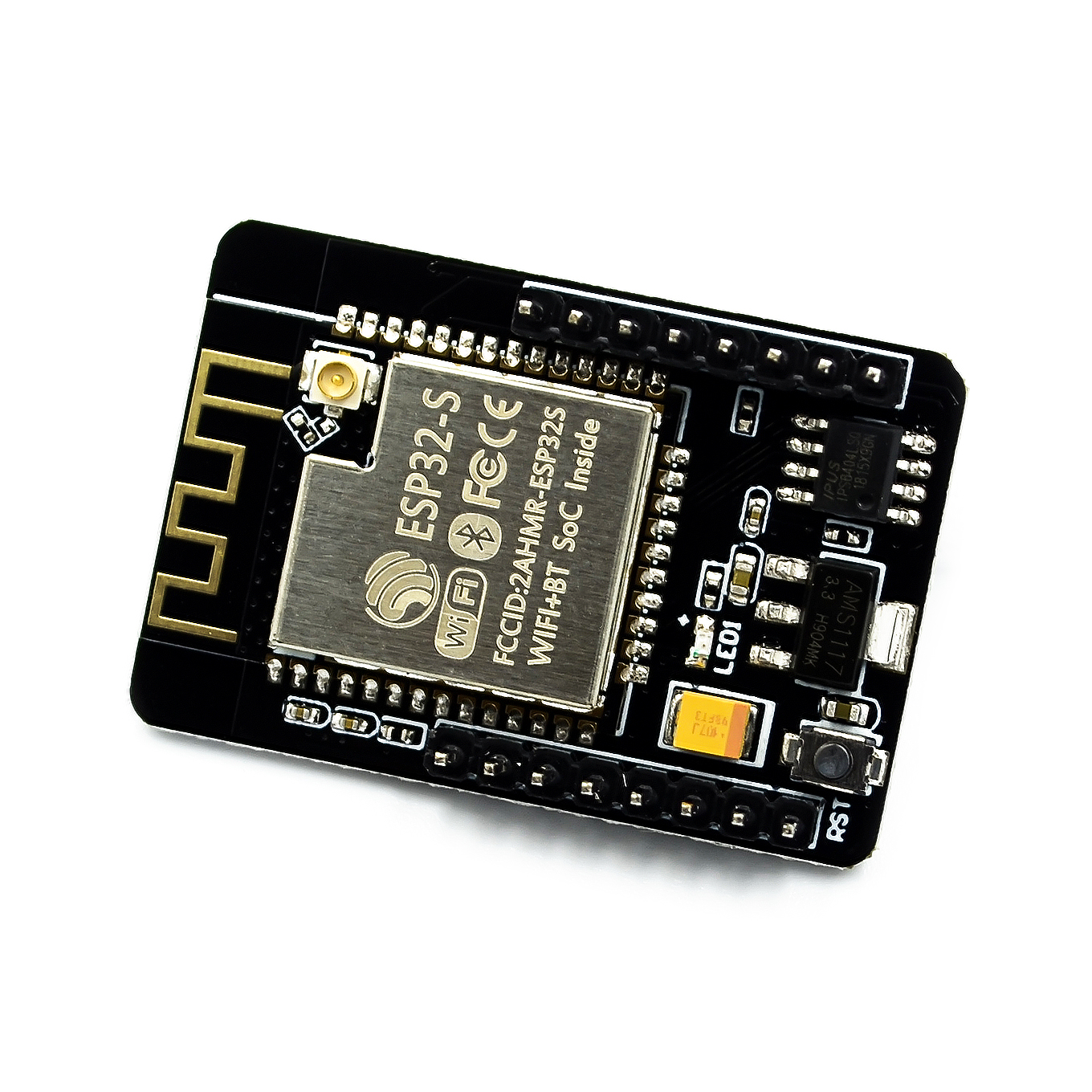
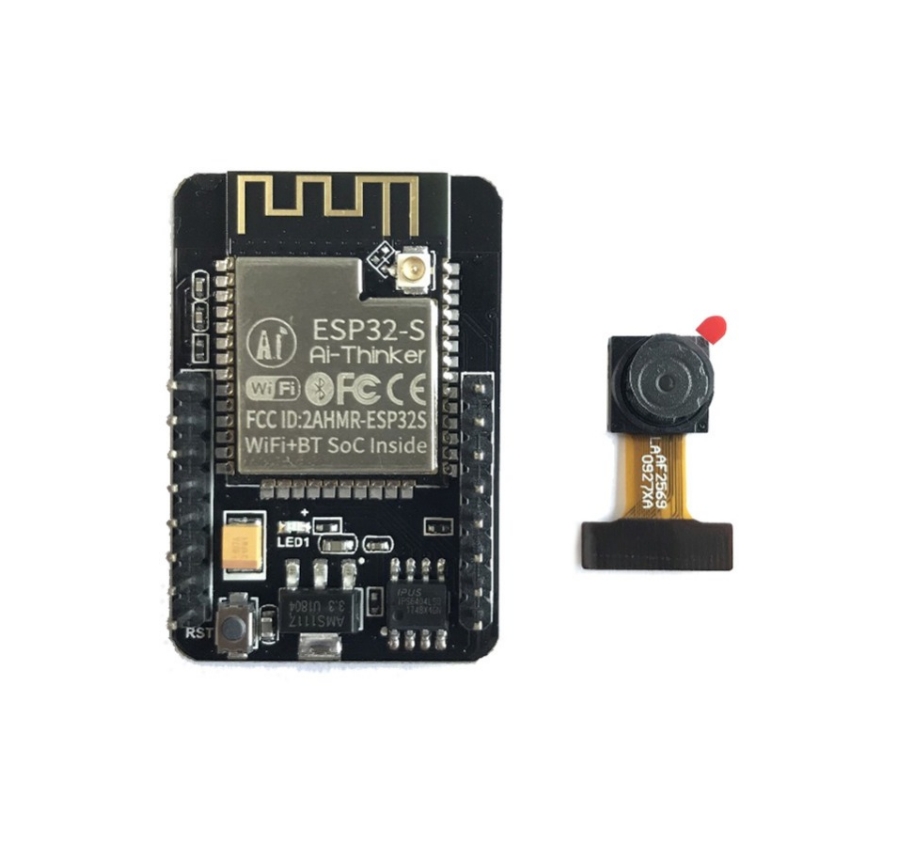
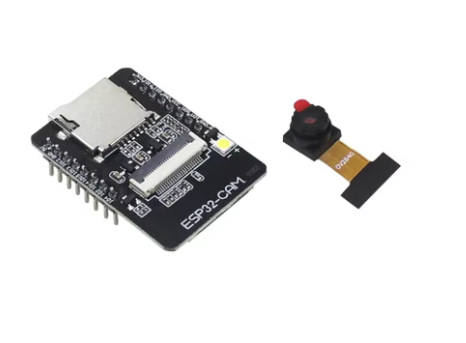
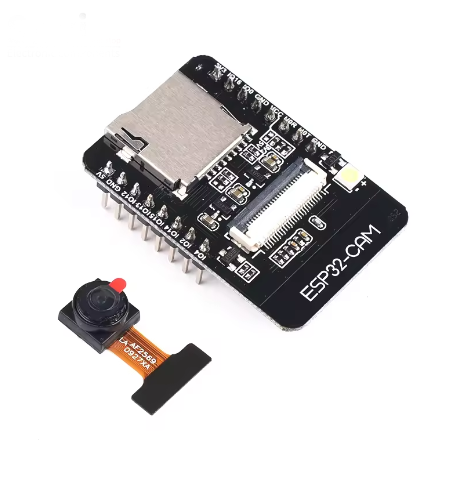
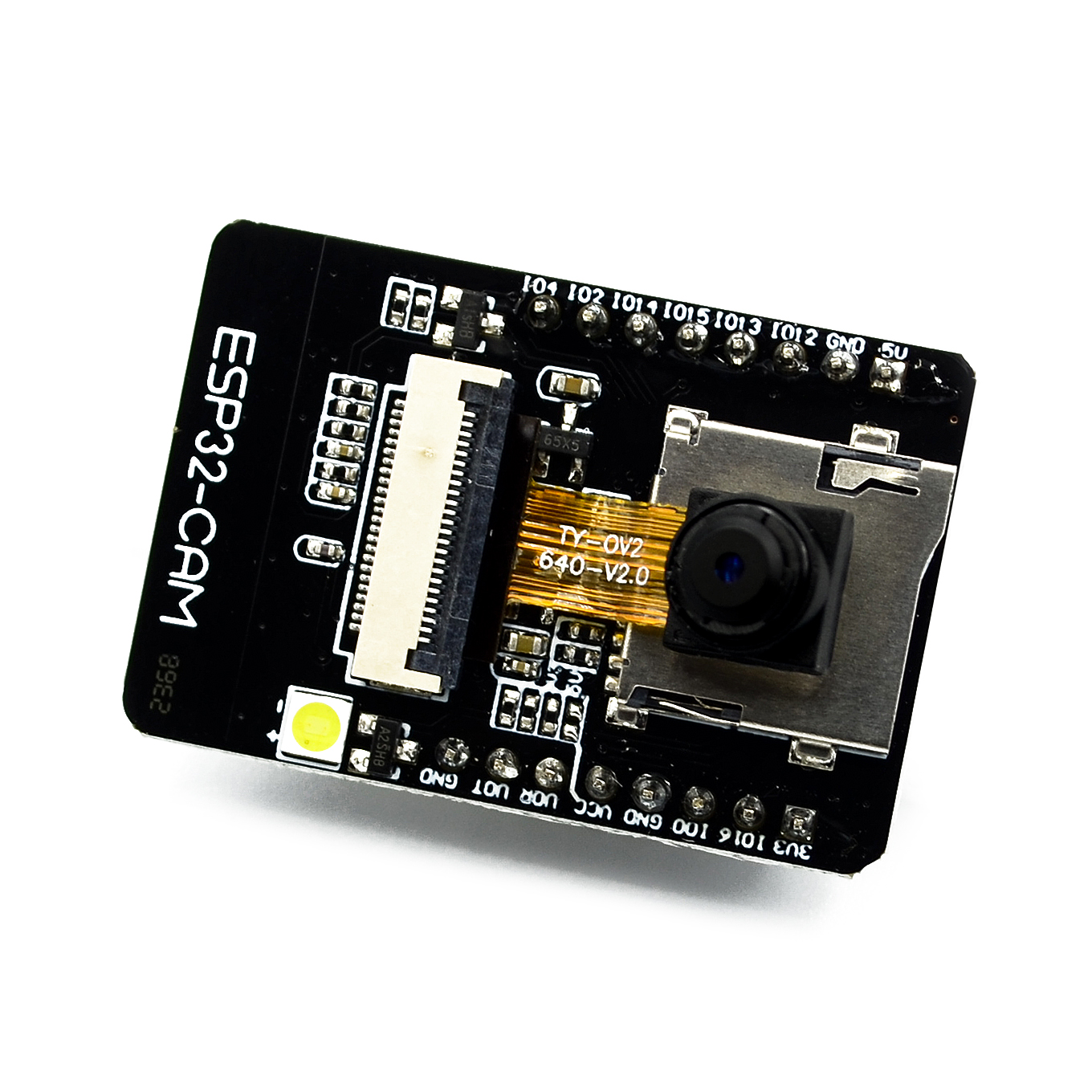
The ESP32-CAM [2M] is a compact, cost-effective development board that combines the powerful ESP32-S dual-core microcontroller with an original OV2640 2-megapixel camera and a MicroSD card slot, creating a complete, standalone camera solution for IoT, surveillance, and embedded vision applications. Measuring just 27 × 40.5 × 4.5 mm, it is one of the smallest fully functional camera development boards available, making it ideal for space-constrained projects .

At its core, the board is built around the ESP32-S chip, featuring a dual-core 32-bit LX6 microprocessor running at up to 240 MHz, with 520 KB SRAM and 4 MB PSRAM (on certain variants) for image buffering and processing . It supports Wi-Fi 802.11 b/g/n and Bluetooth v4.2 BR/EDR + BLE, enabling wireless image transmission, remote monitoring, and integration with IoT platforms .

The board includes an original OV2640 camera sensor capable of capturing images at up to 1600 × 1200 (UXGA) resolution and recording 1080p video at 30fps. The OV2640 features hardware JPEG compression, which significantly reduces bandwidth requirements for streaming and storage. The camera connects via a 24-pin DVP interface and supports multiple output formats including JPEG, BMP, and Grayscale .

A MicroSD card slot supports up to 32 GB cards (FAT32 format), allowing you to store captured images, video recordings, and logged data locally without requiring an external storage module . The board also includes onboard flash LED for low-light illumination, an onboard red LED for status indication, and a reset button for easy operation .

The board exposes 16 GPIO pins for external connections, including UART, SPI, I2C, and PWM interfaces. It can be programmed via an FTDI programmer or an ESP32-CAM-MB shield (sold separately), as it does not include a built-in USB-to-serial converter .

Supported development environments include Arduino IDE and ESP-IDF, with extensive community libraries including the esp32-camera library for rapid camera project development. The board is widely used in smart doorbells, wireless surveillance cameras, time-lapse photography, and AI vision prototyping .

Whether you are a beginner exploring IoT camera projects, a hobbyist building a home monitoring system, or a business purchasing in bulk for product development, the ESP32-CAM [2M] offers a practical, affordable foundation for embedded vision applications. It is suitable for individual makers, students, and businesses alike .


Features

  • ESP32-S dual-core processor — 32-bit LX6 at up to 240 MHz, with 520 KB SRAM and 4 MB PSRAM (variant dependent)

  • Original OV2640 2MP camera — Captures images up to 1600 × 1200 (UXGA) with hardware JPEG compression

  • 1080p video recording — Supports video capture at 30fps for surveillance and monitoring

  • MicroSD card slot — Supports up to 32 GB FAT32 cards for local image and video storage

  • Wi-Fi & Bluetooth connectivity — 802.11 b/g/n and Bluetooth v4.2 BR/EDR + BLE for wireless transmission

  • Onboard flash LED — Provides illumination for low-light image capture

  • 16 GPIO pins — Exposed for UART, SPI, I2C, PWM, and external peripherals

  • Compact form factor — 27 × 40.5 × 4.5 mm, ideal for space-constrained projects

  • Multiple output formats — JPEG, BMP, and Grayscale

  • Wide development support — Arduino IDE and ESP-IDF compatible, with esp32-camera library


Technical Specifications 

# Parameter Specification
1 Microcontroller ESP32-S, dual-core 32-bit LX6, up to 240 MHz
2 Camera Sensor Original OV2640, 2MP (1600 × 1200 UXGA)
3 Memory 520 KB SRAM + 4 MB PSRAM (variant dependent)
4 Storage MicroSD card slot, up to 32 GB (FAT32)
5 Wireless Wi-Fi 802.11 b/g/n, Bluetooth v4.2 BR/EDR + BLE
6 Power Supply 5V via pins; 3.3V logic
7 GPIO Count 16 pins exposed
8 Dimensions 27 × 40.5 × 4.5 mm

Usage

Getting Started

  1. Connect a programmer — The ESP32-CAM does not include a USB-to-serial chip. Use an FTDI programmer or an ESP32-CAM-MB shield connected to the board’s UART pins (TX, RX, GND, 5V) .

  2. Enter programming mode — Connect GPIO0 to GND to enter download mode. Press the reset button after connecting the programmer .

  3. Install board support — In Arduino IDE, install the ESP32 board package via Boards Manager. Select “AI Thinker ESP32-CAM” as the board type .

  4. Install the camera library — Install the esp32-camera library through the Library Manager .

  5. Upload the CameraWebServer example — Configure your Wi-Fi credentials and upload the sketch. The board will create a web server for live video streaming .

  6. Access the stream — Open the Serial Monitor to find the IP address, then access the stream through a web browser .

Important Configuration Notes

  • PSRAM — For higher resolutions and JPEG streaming, PSRAM is required. Set PSRAM to “Enabled” in the Arduino IDE Tools menu.

  • Power supply — The board requires a stable 5V supply capable of at least 500 mA. Insufficient power is a common cause of boot loops and camera failures.

  • GPIO0 — Must be connected to GND for programming. Disconnect after upload to run the program .

Typical Applications

  • Smart doorbells — Video capture and motion detection with Wi-Fi streaming

  • Wireless surveillance — Remote monitoring with MicroSD local storage

  • Time-lapse photography — Scheduled image capture for environmental monitoring

  • AI vision prototyping — Image capture for TensorFlow Lite and Edge Impulse projects

  • IoT camera nodes — Battery or USB-powered camera devices for remote deployment

  • Educational projects — Learning embedded vision and IoT camera concepts

Notes for Business Buyers

  • Cost-effective camera solution — Integrated ESP32 + camera + SD slot reduces BOM cost and assembly complexity.

  • Proven platform — ESP32-CAM is widely documented with extensive community support.

  • Flexible programming — Works with Arduino IDE and ESP-IDF for different team skill sets.

  • Suitable for bulk purchasing — Ideal for product development, IoT integration, and educational programs.

Q: What is the ESP32-CAM [2M] used for?

It is a compact development board for IoT camera applications including smart doorbells, wireless surveillance, time-lapse photography, and AI vision prototyping .

Q: Does this board include a USB connector?

No. The ESP32-CAM does not have a built-in USB-to-serial chip. You need an FTDI programmer or ESP32-CAM-MB shield to program it .

Q: What camera sensor does this board use?

It uses the original OV2640 camera sensor, a 2MP CMOS sensor capable of capturing images up to 1600 × 1200 (UXGA) resolution with hardware JPEG compression .

Q: Can I record video with this board?

Yes. The OV2640 supports 1080p video at 30fps. Video can be streamed over Wi-Fi or stored on the MicroSD card .

Q: What is the maximum MicroSD card size supported?

The MicroSD card slot supports cards up to 32 GB in FAT32 format .

Q: How do I enter programming mode?

Connect GPIO0 to GND before powering the board. After uploading your sketch, disconnect GPIO0 from GND and press reset to run the program .

Q: Why does my ESP32-CAM fail to boot or upload?

The most common cause is insufficient power supply. The board requires a stable 5V supply capable of at least 500 mA. Use a dedicated power supply rather than powering from a weak USB port .

Q: Is PSRAM required for camera operation?

Yes. For higher resolutions and JPEG streaming, PSRAM is required. Ensure PSRAM is enabled in your Arduino IDE board settings .

Q: What development environments are supported?

It supports Arduino IDE and ESP-IDF, with the esp32-camera library providing comprehensive camera control functions .

Q: Can I purchase in bulk for a product development project?

Yes. The ESP32-CAM is suitable for both individual users and business purchasing. Its low cost and integrated features make it practical for IoT product development and volume deployment .