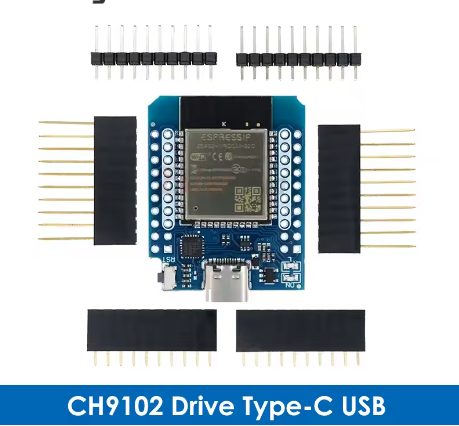
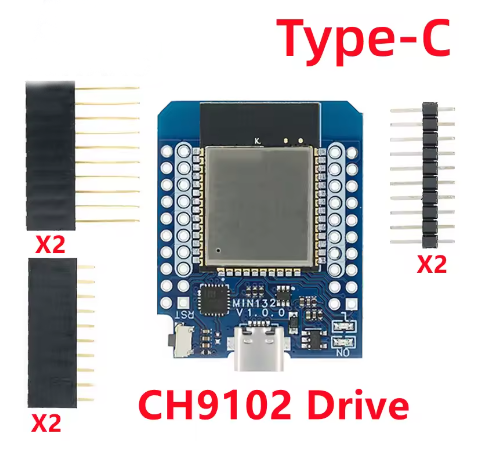
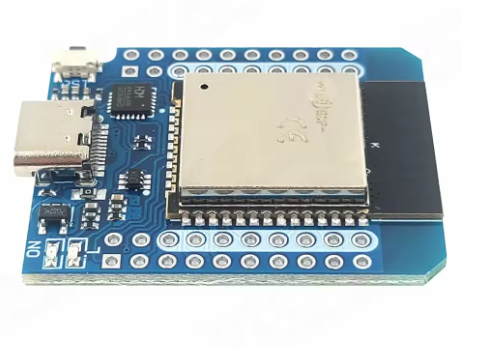
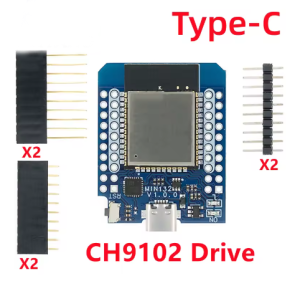
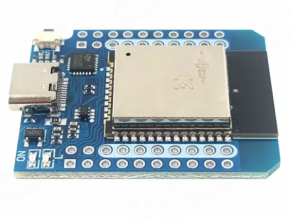
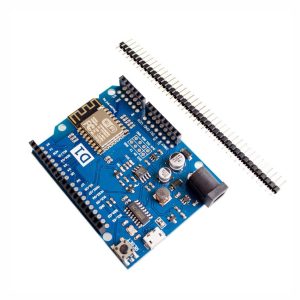
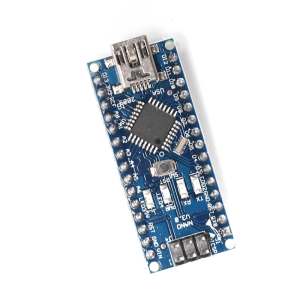
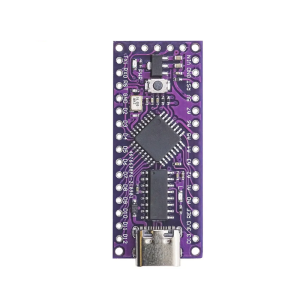
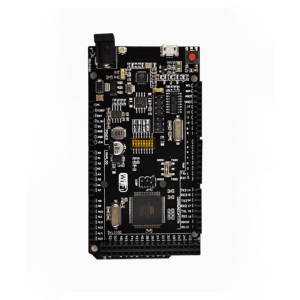
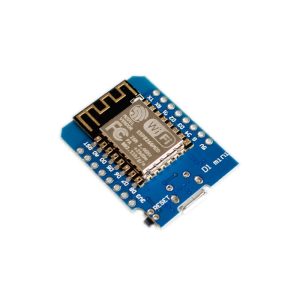
The D1 mini ESP32 WiFi + Bluetooth IoT Development Board is a compact, powerful development board that adds Bluetooth functionality and improved performance to the popular D1 Mini form factor, using the CH9102F serial chip and a Type-C interface.
Key Features and Specifications
This board is based on the ESP-WROOM-32 module with an ESP32 chip, a significant upgrade from the original ESP8266-based D1 Mini, while maintaining compatibility with existing D1 Mini shields and extensions.
| Feature |
D1 mini ESP32 |
| Microcontroller |
ESP32 (Dual-Core Tensilica LX6) |
| CPU Speed |
80 MHz (up to 240 MHz configurable) |
| Connectivity |
Wi-Fi (802.11 b/g/n) and Bluetooth 4.2 (including BLE) |
| USB Interface |
Type-C |
| USB-Serial Chip |
CH9102F |
| Flash Memory |
Typically 4 MB (some variants offer more) |
| GPIO Pins |
11 pins (compatible with D1 Mini shields) |
| Compatibility |
Arduino IDE, MicroPython, NodeMCU, Lua |
| Dimensions |
34mm x 25.5mm (compact D1 Mini form factor) |
Functionality & Benefits
- Enhanced Performance: The dual-core CPU and faster clock speed (up to 240 MHz) allow the board to handle more complex tasks, including voice encoding and audio streaming, which was not possible with the ESP8266 versions.
- Dual Connectivity: The integration of both Wi-Fi and Bluetooth makes it highly versatile for a wide array of IoT applications, from smart home devices to industrial wireless control and wearable health tech.
- Modern Interface: The inclusion of a Type-C USB port offers a modern, reversible connection for programming and power, a convenient update over older Micro-USB versions.
- Ease of Use: It is designed for seamless integration into existing projects due to its form factor and broad software compatibility (Arduino, etc.), making it suitable for both beginners and experienced developers.
- Durable Design: the board is engineered with high-quality components for stable performance and is designed to operate in a wide temperature range, preventing overheating under high loads.
The D1 mini ESP32 board is a versatile Internet of Things (IoT) development board suitable for a wide range of projects, leveraging its dual Wi-Fi and Bluetooth capabilities.
Common Applications:
- Smart Home Automation: Actuators for smart lights, environmental sensors (temperature, humidity, air quality), and remote-controlled outlets. Its compact size allows it to fit easily inside project enclosures.
- Sensor Nodes and Data Logging: Building weather stations or environmental monitoring systems that connect to cloud services (e.g., AWS IoT, Google Cloud IoT Core, or openHAB) via Wi-Fi.
- Bluetooth Low Energy (BLE) Projects: Wearable technology prototypes, creating custom proximity beacons, or interfacing with smartphone applications via Bluetooth connectivity.
- Remote Control Systems: Building custom wireless controllers for robotics, drones, or automated systems using either Wi-Fi (TCP/IP) or Bluetooth communication protocols.
- Gateway Devices: Acting as a bridge between different communication protocols (e.g., receiving data via Bluetooth from a sensor and forwarding it to the internet via Wi-Fi).
- Educational Projects: An ideal platform for learning about microcontrollers, wireless communication, and IoT fundamentals using the accessible Arduino IDE programming environment.
Q: Is this board an original Wemos/Lolin product?
The specific board you are describing is often a third-party variant or clone that uses the popular D1 mini form factor. While it uses genuine Espressif components (ESP32 chip), it may not be manufactured by the original “Wemos” company. It is designed to be fully compatible with their ecosystem.
Q: What is the main difference between this board and the older ESP8266 D1 mini?
The main differences are the core processor and added functionality:
- Processor: ESP32 (dual-core 240 MHz) vs. ESP8266 (single-core 80 MHz).
- Connectivity: ESP32 adds built-in Bluetooth and Bluetooth Low Energy (BLE) capability, which the ESP8266 lacks.
- Performance: The ESP32 version offers more GPIO pins, faster processing, and more memory resources.
Q: Which driver do I need for the CH9102F chip?
The CH9102F is the USB-to-Serial converter chip that allows your computer to communicate with the ESP32. You will need to install the correct drivers for your operating system (Windows, macOS, Linux). Drivers are usually available from the manufacturer WCH (Jiangsu Qinheng Co., Ltd.) or can often be found linked on the product page of the retailer where you purchased the board. Search online for “CH9102F driver” to find the necessary installation files.
Q: The board doesn't seem to upload code in the Arduino IDE. What should I do?
Make sure you have the following configured:
- Board Selection: Ensure you have installed the ESP32 board definitions in the Arduino IDE Board Manager and selected the correct board profile (often “WEMOS D1 MINI ESP32” or “ESP32 Dev Module”).
- Port Selection: Verify the correct COM port/Serial Port is selected in the IDE’s Tools menu.
- Boot Mode: The ESP32 usually handles automatic flashing. If it fails, you may need to manually enter boot mode by holding down the BOOT (or sometimes labeled FLASH) button while plugging in the USB cable, or by holding the BOOT button and pressing the RESET button just before uploading.
Q: Can I use existing D1 mini shields with this ESP32 version?
Yes, generally the pin layout is designed to be mechanically compatible with most D1 mini shields. However, the ESP32’s pin functions and voltage tolerances differ slightly from the ESP8266. You must verify the voltage requirements and correct GPIO mapping in your code to ensure full functionality and avoid damaging the board or shields.