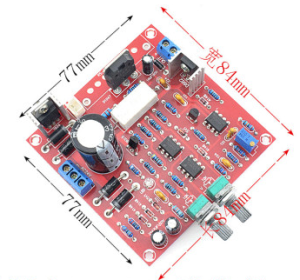
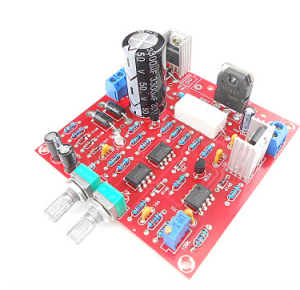
0-30V Adjustable DC Regulated Power Supply Module with Over-Current Protection | Lab-Grade Precision (2mA-3A)

SKU: FA1061-1
Input Voltage

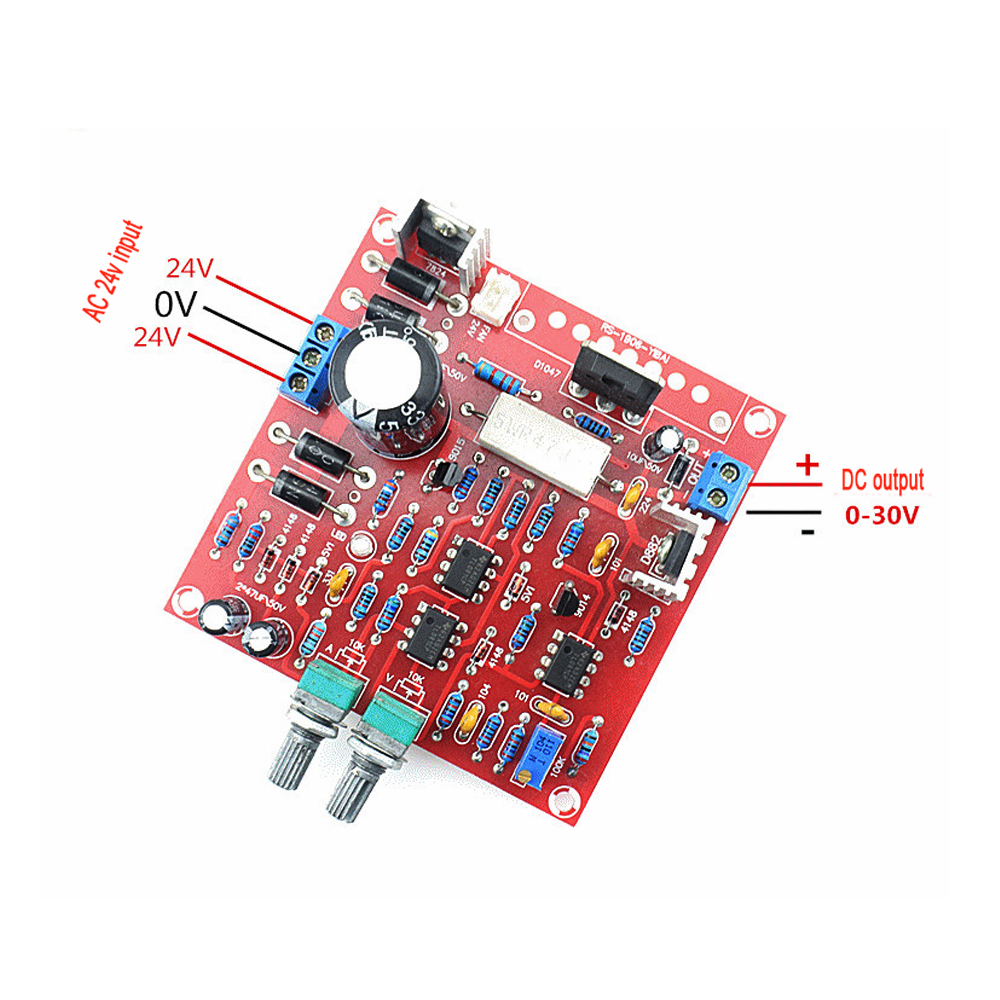
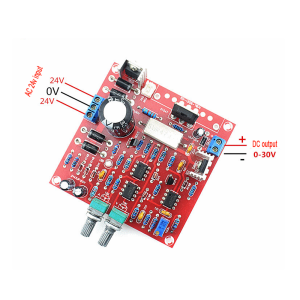
24V AC (from a transformer)

Output Voltage

0 – 30V DC (Continuously Adjustable)

Output Current

2mA – 3A (Continuously Adjustable)

Voltage Ripple

< 0.01%

Current Protection

Constant Current (CC) mode with LED Indicator

Dimensions

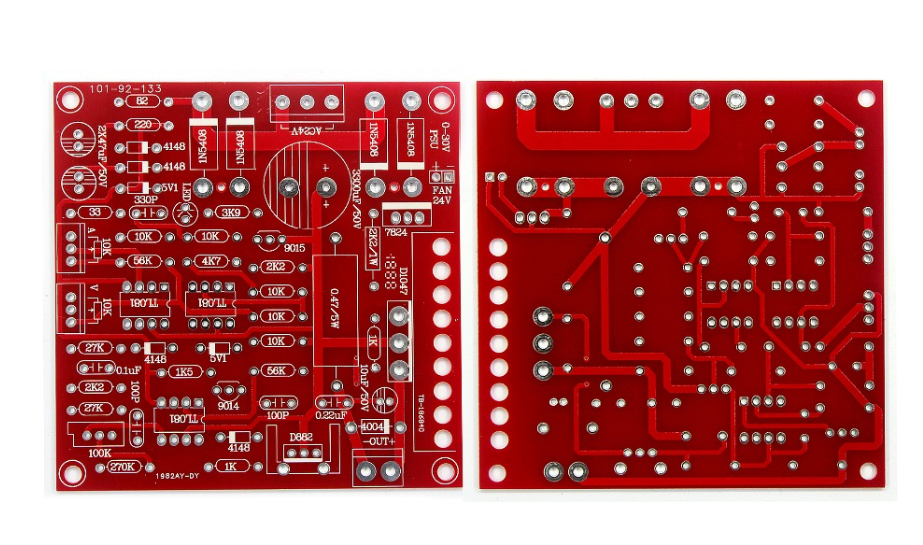
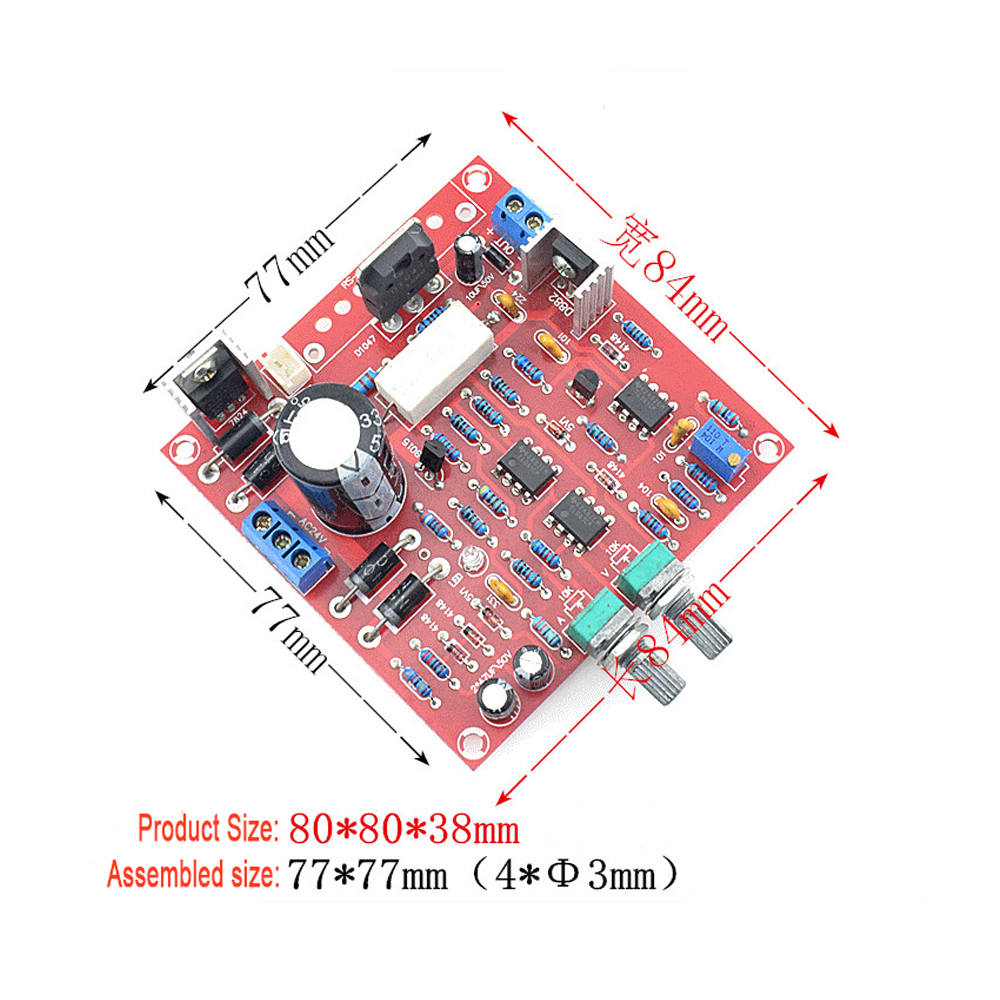
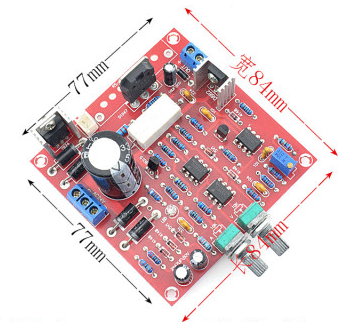
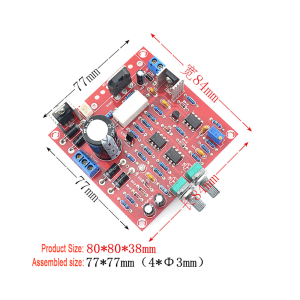
84mm x 84mm (PCB Footprint)

Cooling

Active cooling (Heatsink + Fan) highly recommended for >1A loads

Product Description
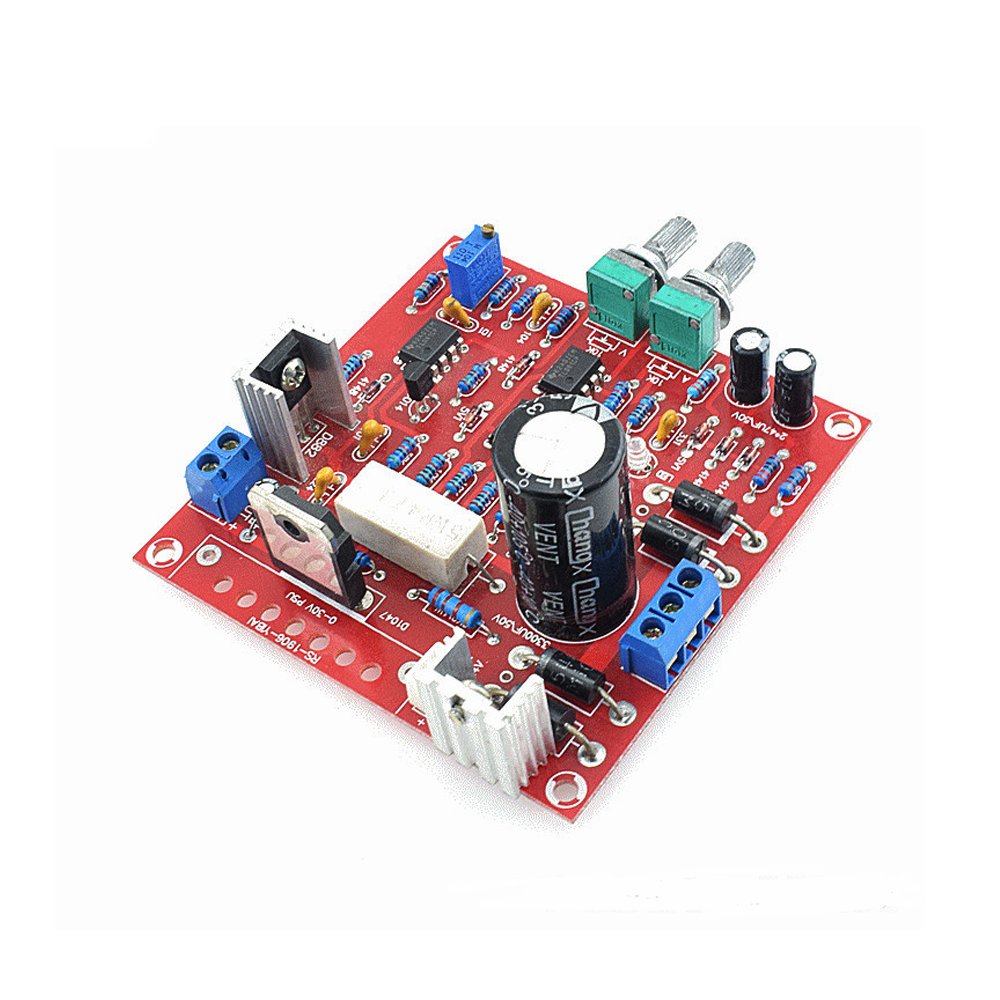
The 0-30V Adjustable DC Regulated Power Supply is a foundational piece of equipment for any professional electronics workbench or educational laboratory. This high-precision linear power supply module offers continuously adjustable output voltage from 0 to 30V and, crucially, an adjustable current limiting feature from 2mA up to 3A. 
Unlike standard switching power supplies, this Linear Regulated design provides an exceptionally clean, low-noise output, making it ideal for sensitive analog circuits, high-fidelity audio testing, and delicate microcontroller development. The integrated Over-Current Protection (OCP) acts as an electronic fuse; when the target circuit draws more current than your preset limit, the unit automatically switches to constant current mode or reduces output to prevent components from burning out. It is a valuable safety feature for prototyping and fault-finding. 

Key Features
  • Precision Linear Regulation: Provides ultra-low ripple and noise, essential for high-accuracy electronic measurements.
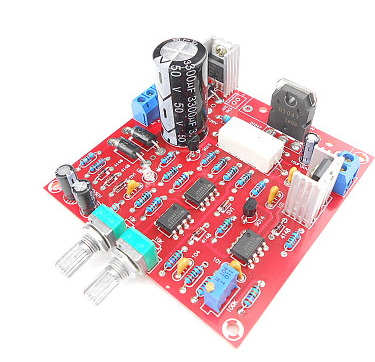
  • Dual Adjustment Controls: Independent high-quality potentiometers for Voltage and Current Limit tuning.
  • Safety First (OCP): Includes a visible LED indicator that lights up when the current limit is reached, protecting your projects.
  • Continuously Adjustable: Smooth control from 0V to 30V and 2mA to 3A allows for testing various electronic components and circuits.
  • High-Stability Design: Built with high-grade components to maintain a steady output even under varying load conditions.
  • Industrial Grade Components: Uses premium components and a large-format heat sink (or mounting points for one) for reliable performance
Usage Guide
  1. Input Power: Connect a 24V AC transformer to the AC input terminals. Note: Do not connect directly to DC power unless the rectifier bridge is bypassed.
  2. Voltage Setting: Before connecting your target circuit, turn the voltage potentiometer until the desired level appears on your external voltmeter.
  3. Setting the Current Limit:
    • Connect a low-value power resistor (e.g., 10 Ohm, 5W) across the output terminals.
    • Adjust the current potentiometer until the LED indicator lights up at your desired safety threshold (e.g., set the voltage to 5V and adjust the current for 500mA through the resistor).
    • Disconnect the resistor.
  4. Connecting Load: Connect your target device to the positive (+) and negative (-) terminals.
  5. Monitoring: If the red LED illuminates during use, your circuit is attempting to draw more current than the limit you set. The supply will cap the current to protect the circuit. 

Q: Is this a DIY kit or a pre-assembled module?

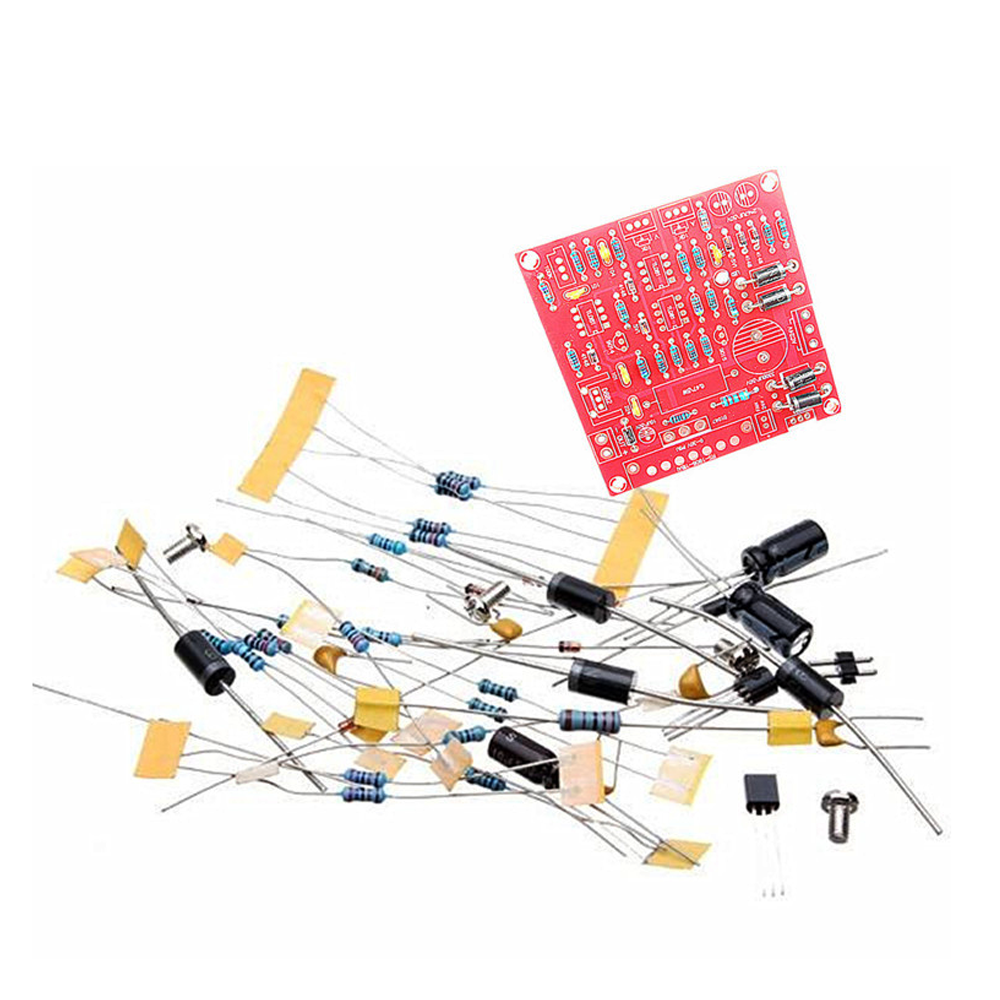
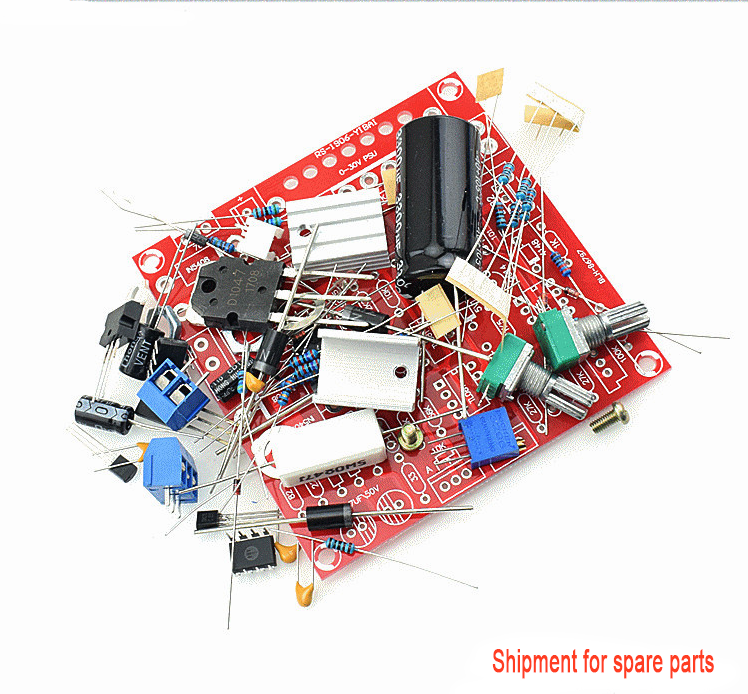
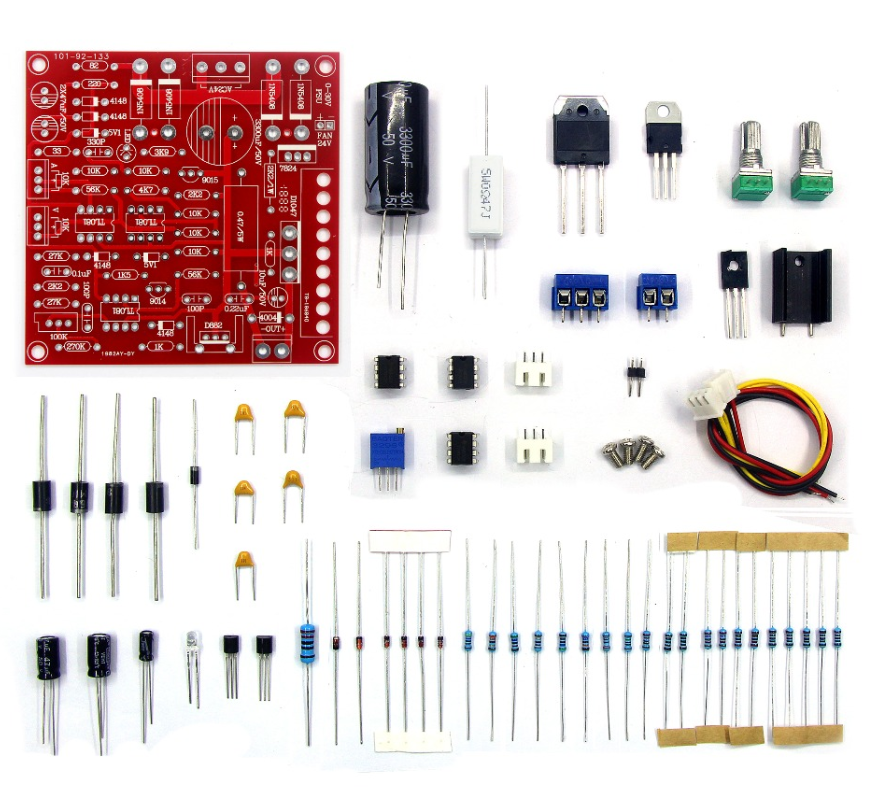
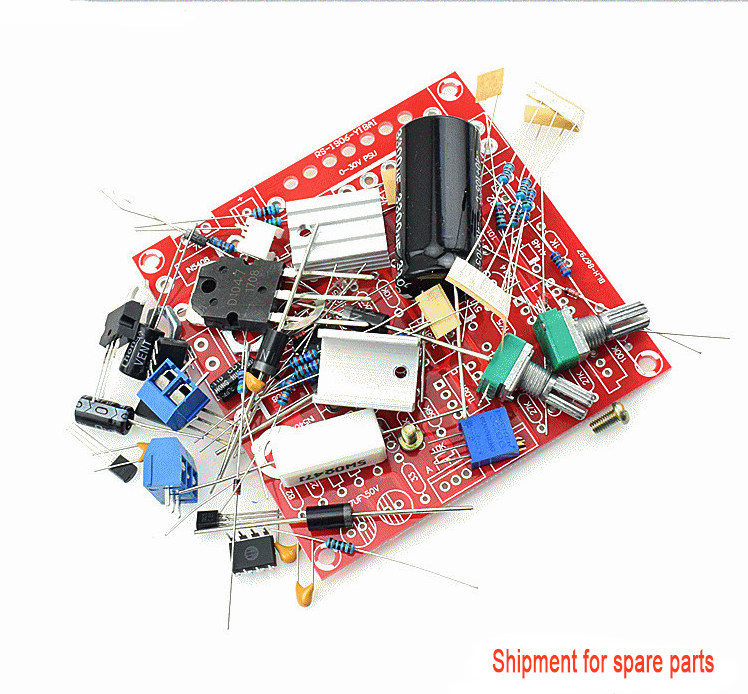
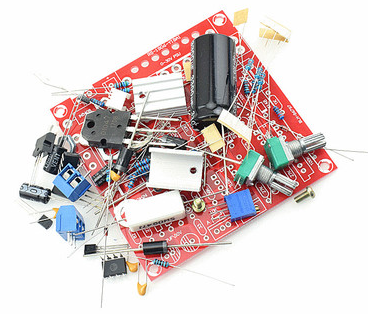
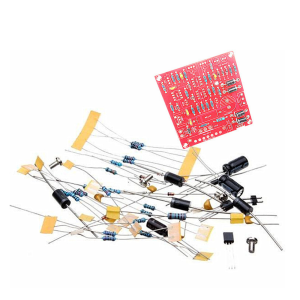
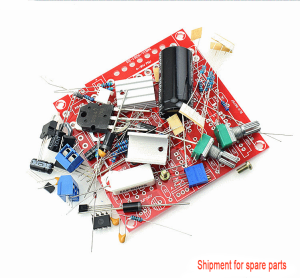
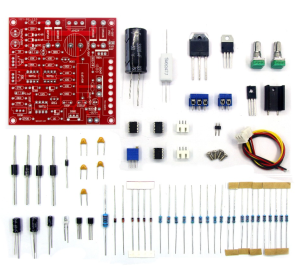
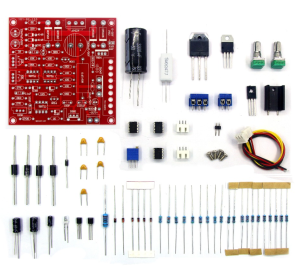
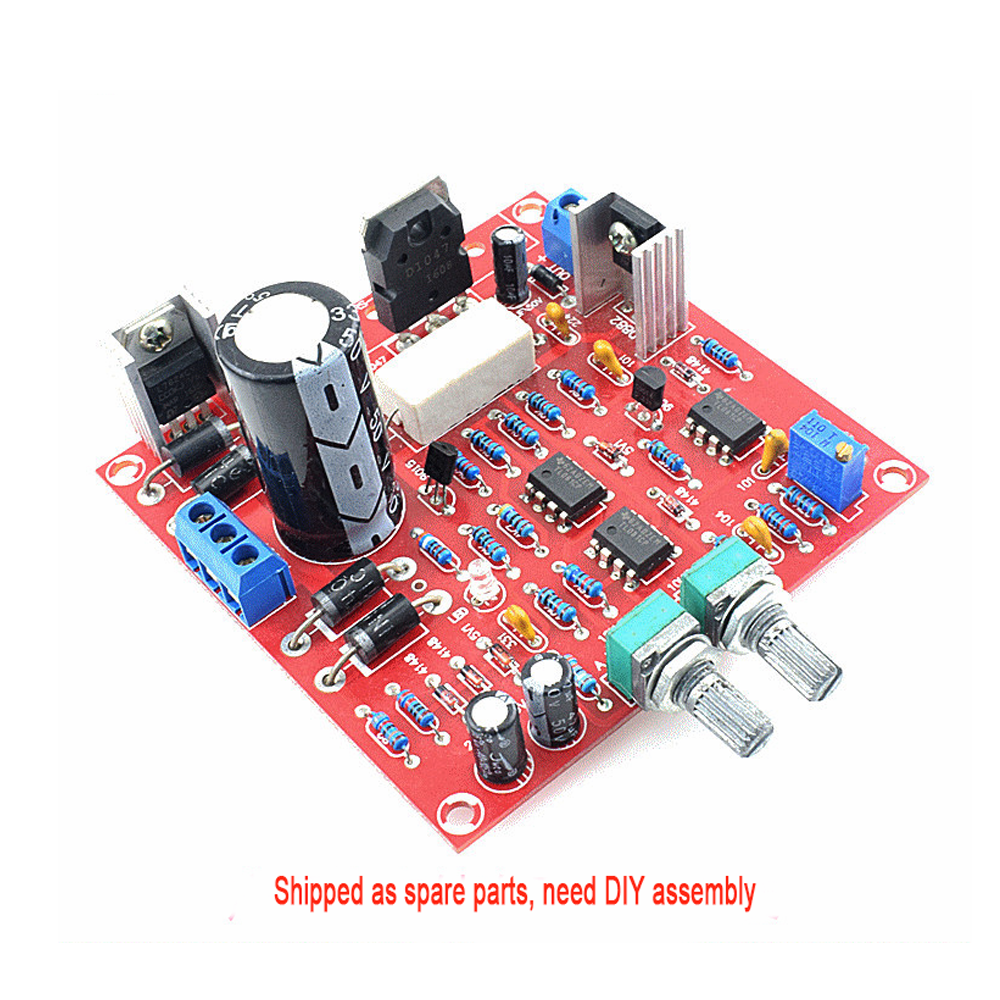
This product is typically sold as a High-Quality DIY Kit. It requires soldering of through-hole components, which is an excellent exercise for students and engineers. Pre-assembled versions may be available upon request for business orders

Q: Can I use a DC power adapter as the input?

This circuit is designed specifically for 24V AC input. Using a DC input will bypass the onboard rectifier and may result in a lower maximum output voltage or unstable regulation. A traditional copper-wire transformer is recommended

Q: Why does it need a large heatsink?

Because this is a Linear power supply, the “excess” voltage is dissipated as heat. For example, if you input 24V but output 5V at 2A, the power transistor must dissipate significant heat. Always use a heatsink and a cooling fan for high-current applications.

Q: Is this suitable for business or vocational school purchasing?

Yes. This is a staple in electronics vocational training because it clearly demonstrates the principles of linear regulation and current protection. It is a robust, repairable tool that lasts for years in a classroom environment

Q: Can this charge a 12V lead-acid or Lithium battery?

Yes. By setting the voltage to the battery’s float voltage (e.g., 13.8V or 14.4V) and setting the current limit to a safe charging rate, it acts as a high-quality constant-current/constant-voltage (CC/CV) charger.

Q: What is the benefit of 2mA precision?

The ability to limit current down to 2mA is useful for testing sensitive components like LEDs or Zener diodes without risk of thermal runaway