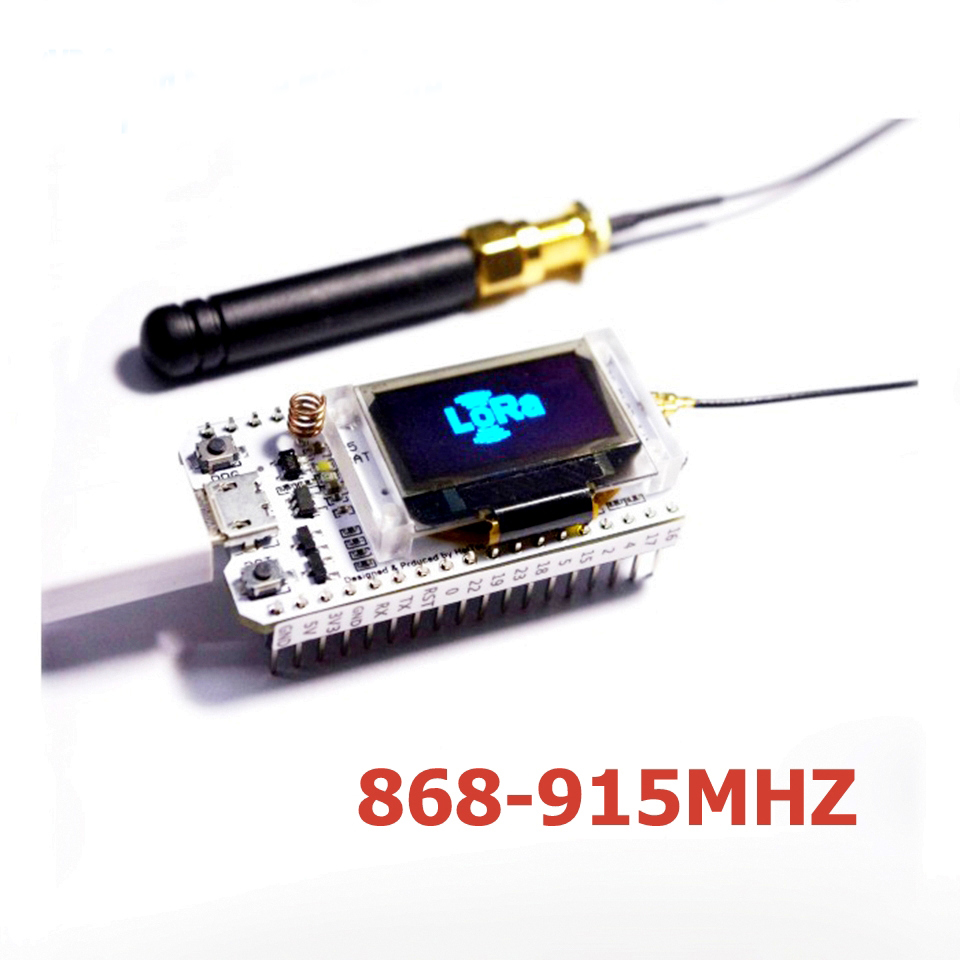
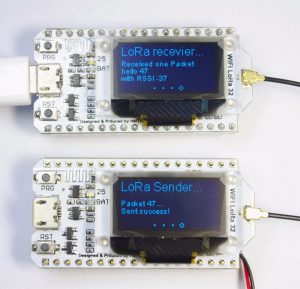
LoRa32-V3 Pro Development Board – ESP32-S3 with SX1262 LoRa & Wi-Fi, Arduino-Compatible, Meshtastic Ready 863~928MHz

SKU: FA1063
Master Chip

ESP32-S3FN8 (Xtensa 32-bit LX7 dual-core)

LoRa Node Chip

SX1262

Frequency Band

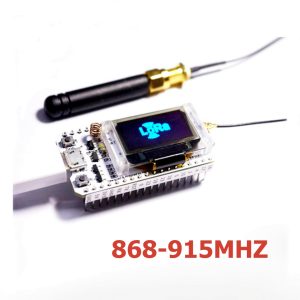
863~928MHz (EU868, US915, AU915, IN865)

Memory

8MB SiP Flash, 512KB SRAM

Max. TX Power

21 ± 1 dBm

Connectivity

Wi-Fi (802.11 b/g/n), Bluetooth 5 LE, LoRa

Display

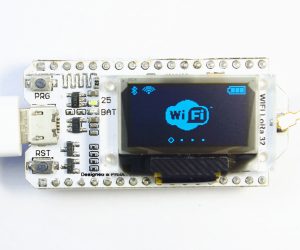
0.96-inch 128×64 OLED

Interface

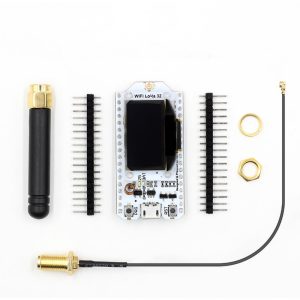
Type-C USB, SH1.25×2 Battery Connector, IPEX (U.FL) Antenna Connector

Operating Voltage

3.3V ~ 7V (via USB or Battery)

Deep Sleep Current

<10uA

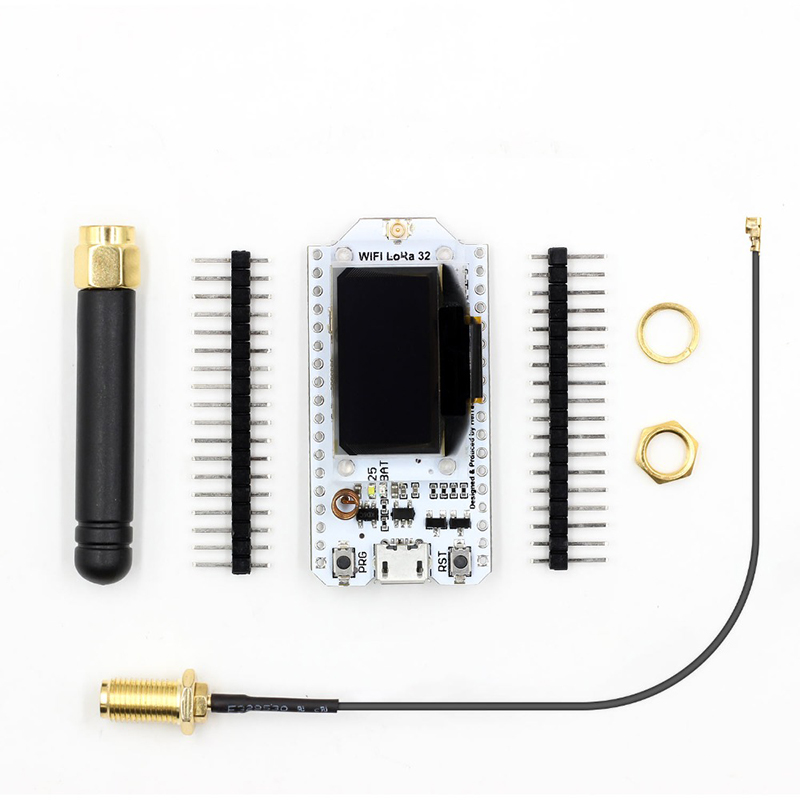
The LoRa32-V3 Pro Development Board (also known as the Heltec WiFi LoRa 32 V3) is a versatile IoT development board integrating an ESP32-S3 microcontroller with a Semtech SX1262 LoRa transceiver, Wi-Fi, Bluetooth, and an onboard OLED display for a robust, all-in-one solution. It is specifically designed for long-range, low-power communication applications across regional frequency bands in North America, Europe, Asia, and Australia, and supports popular open-source platforms like Meshtastic and the Arduino environment. 
Long Product Description
The Heltec WiFi LoRa 32 V3 development board is the premier platform for engineers and hobbyists building the next generation of Internet of Things (IoT) solutions. Powered by the efficient Xtensa 32-bit LX7 dual-core ESP32-S3 processor and the low-power SX1262 LoRa node chip, this board offers unparalleled triple-network connectivity: Wi-Fi, Bluetooth 5 (LE), and long-range LoRaWAN communication. This specific model is configured for the 863~928MHz band, covering primary regions like the EU868, IN865, AU915, and US915 frequency plans. 
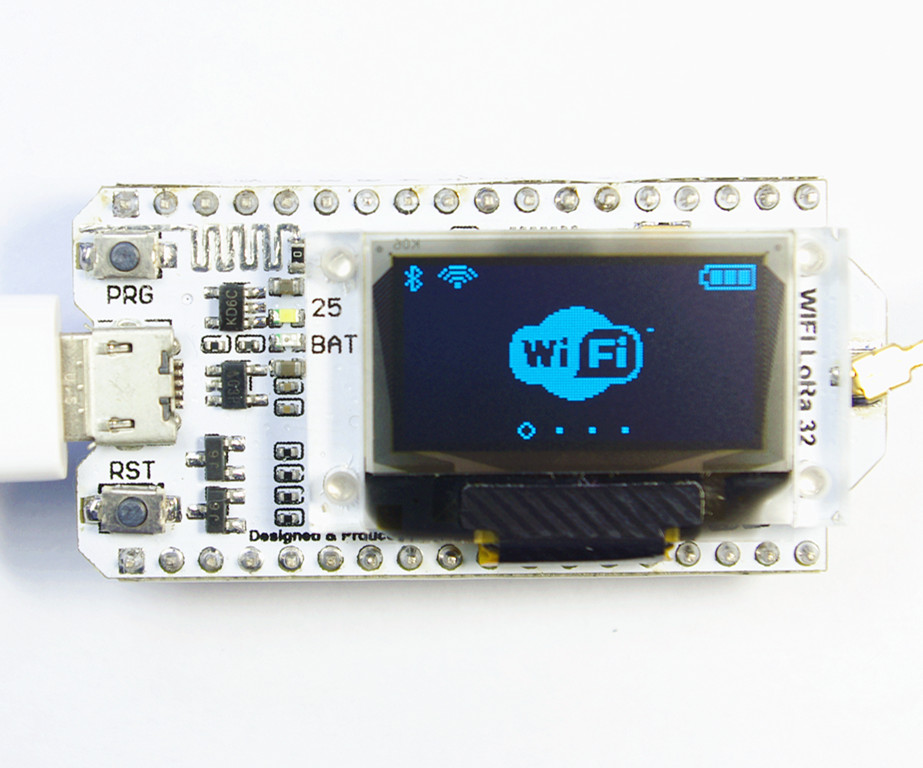
Designed with a user-friendly approach, the board features a bright 0.96-inch 128×64 pixel OLED display for real-time debugging information and battery status, eliminating the need for external screens during development. It integrates a complete lithium battery management system (including charge/discharge protection, overcharge protection, and power detection), along with a Type-C USB interface for modern connectivity, programming, and power supply. With robust ESD protection, RF shielding, and a low deep-sleep current of less than 10uA, the V3 board ensures reliability for both rapid prototyping and durable field deployments in applications like smart cities, remote agriculture, and off-grid mesh networks (Meshtastic). 
Key Features
  • Triple-Network Connectivity: Integrated Wi-Fi (802.11 b/g/n)Bluetooth 5 (BLE), and LoRa for versatile IoT communication solutions.
  • Powerful Microprocessor: Utilizes the ESP32-S3FN8 dual-core processor running at up to 240 MHz for high-speed data handling.
  • Long-Range LoRa: Features the Semtech SX1262 transceiver chip, capable of up to 2.8 km communication distance in open areas with high receiver sensitivity (-139 dBm).
  • Onboard OLED Display: A 0.96-inch 128×64 dot matrix OLED display provides essential status and debugging information.
  • Advanced Power Management: Includes an integrated lithium battery management system with a SH1.25-2 connector, supporting automatic USB/battery power switching and real-time battery monitoring.
  • Modern Interface: Equipped with a USB Type-C port for easy programming (via the integrated CP2102 USB-to-serial chip) and power supply.
  • Meshtastic Ready: Fully compatible with the Meshtastic open-source firmware for building off-grid, decentralized mesh communication networks. 
Usage Instructions
  1. Antenna Connection: Before powering on, securely connect the included LoRa antenna to the IPEX (U.FL) connector. Operating the LoRa radio without an antenna can damage the device’s RF front end.
  2. Powering the Board: Power the board via the USB Type-C port or by connecting a 3.7V lithium battery to the dedicated SH1.25×2 interface.
  3. Driver Installation: The board uses a CP2102 USB-to-serial chip. If your computer does not automatically recognize the device, install the necessary drivers from Silicon Labs.
  4. Firmware/Programming: The board is compatible with the Arduino IDE, PlatformIO, ESP-IDF, and MicroPython. Select the correct board model (Heltec WiFi LoRa 32 (V3)) in your IDE to upload custom sketches.
  5. Meshtastic Setup: For Meshtastic, use the web flasher tool (flasher.meshtastic.org) to install the firmware. Then, connect to the board via the Meshtastic mobile app (Bluetooth LE) to configure the correct regional frequency setting (e.g., US915, EU868) and channel information
Q: Is this board suitable for commercial/business IoT applications?

Yes. The V3’s robust design, low power consumption (<10uA in deep sleep), and reliable SX1262 LoRa chip make it ideal for professional deployments in smart farming, industrial monitoring, and logistics where long-range and battery life are critical

Q: Which frequency band should I choose (e.g., 433MHz vs. 868-915MHz)?

You must choose the frequency that is legal and authorized for use in your specific country or region. This 863~928MHz version is suitable for North America, Europe, Australia, and parts of Asia

Q: Can I use a standard Wi-Fi antenna for the LoRa signal?

No. LoRa uses different frequencies (around 915MHz in this case) than standard Wi-Fi (2.4GHz). Using the incorrect antenna can result in poor performance and potentially damage the LoRa transceiver chip due to improper impedance matching

Q: Does this product come with technical support or source code examples?

Heltec Automation provides extensive documentation, examples, and community support through their official website, GitHub repositories, and user forums.

Q: How do I ensure my LoRa settings are compliant with local regulations?

When using software like Meshtastic or the Arduino LoRaWAN libraries, the software helps manage regulatory compliance by selecting the appropriate regional frequency plan (US915, EU868, etc.) which automatically adjusts transmit power and duty cycles