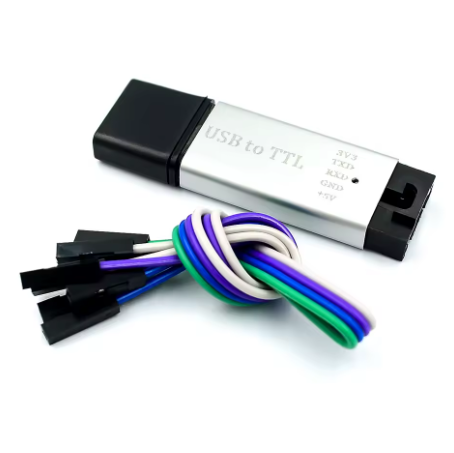
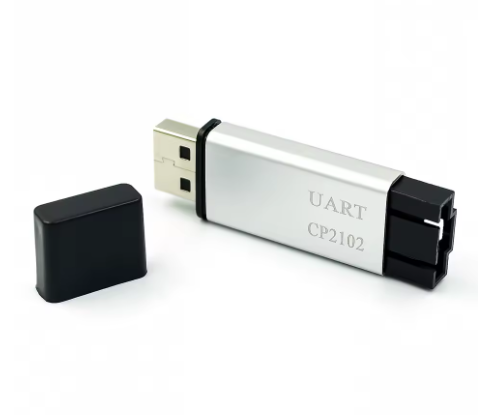
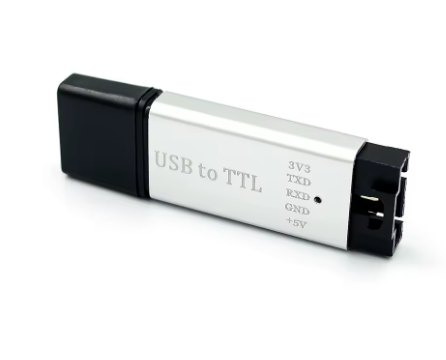
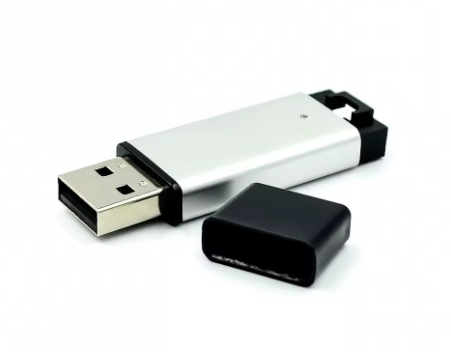
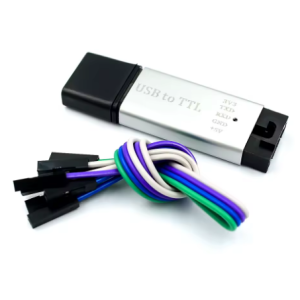
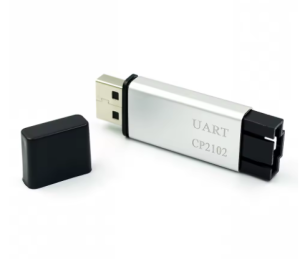
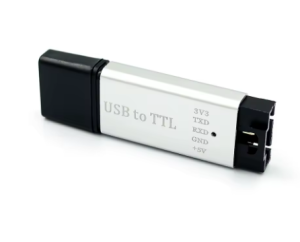
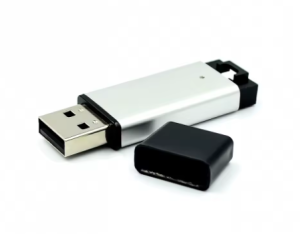
The Aluminum Case CP2102 USB to TTL Serial Module is a professional-grade communication tool designed for high-stability serial data transfer. Encased in a rugged aluminum shell, this module utilizes the premium Silicon Labs CP2102 chipset to provide a reliable bridge between your computer’s USB port and various microcontroller serial interfaces (TTL).
Long Description
In the 2026 development landscape, signal integrity and hardware durability are paramount. This CP2102 module distinguishes itself by replacing standard exposed circuitry with a high-quality aluminum alloy housing. This shell serves three purposes: it provides superior protection against physical impact, shields the internal components from electromagnetic interference (EMI), and prevents accidental short circuits caused by contact with metal surfaces on a busy workbench.
For business purchasers, this module is an ideal choice for field technicians and industrial maintenance kits, where durability is non-negotiable. For individual makers, it offers a “gold-standard” connection for unbricking routers, programming Pro-Mini boards, or debugging high-speed sensor data. The integrated CP2102 chip is highly regarded for its robust drivers and minimal jitter compared to budget alternatives.
Key Features
- Premium Aluminum Shielding: Durable, anti-static shell that protects against physical wear and electronic noise.
- High-Stability CP2102 Chip: Genuine Silicon Labs hardware ensures native driver support across most operating systems and stable high-speed communication.
- STC Auto-Download Ready: Optimized for STC microcontrollers, supporting easy firmware flashing.
- Built-in Safety: Includes an onboard self-resetting fuse (500mA) to protect your computer’s USB port from accidental short circuits on the target board.
- Status Indicators: Features clear onboard LEDs for Power (PWR), Receive (RXD), and Transmit (TXD) to allow for instant visual troubleshooting.
- Wide Compatibility: Supports all major OSs including Windows 11/10/8, macOS, Linux, and Android.