LilyPad USB ATmega32U4 Development Board – Micro USB Interface
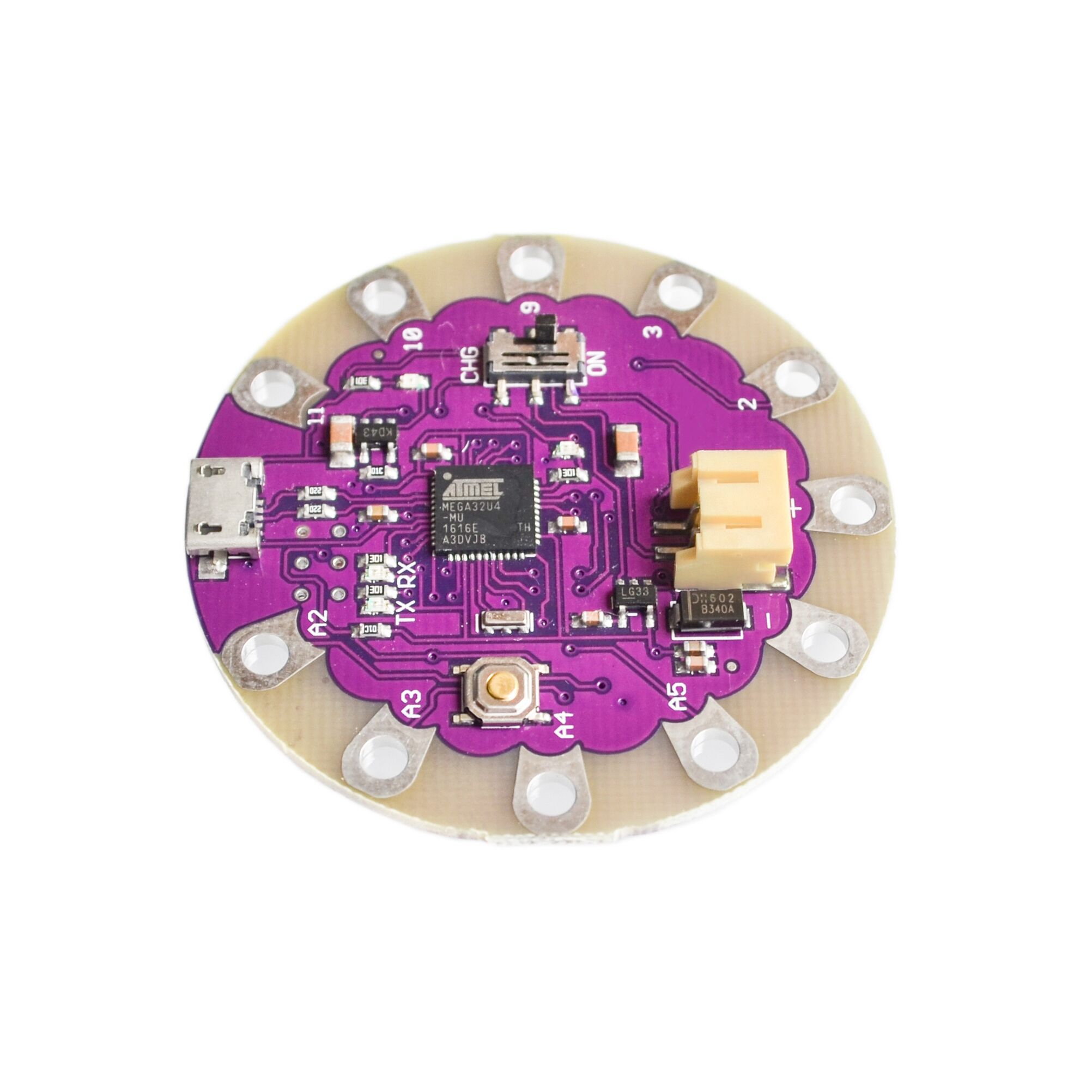
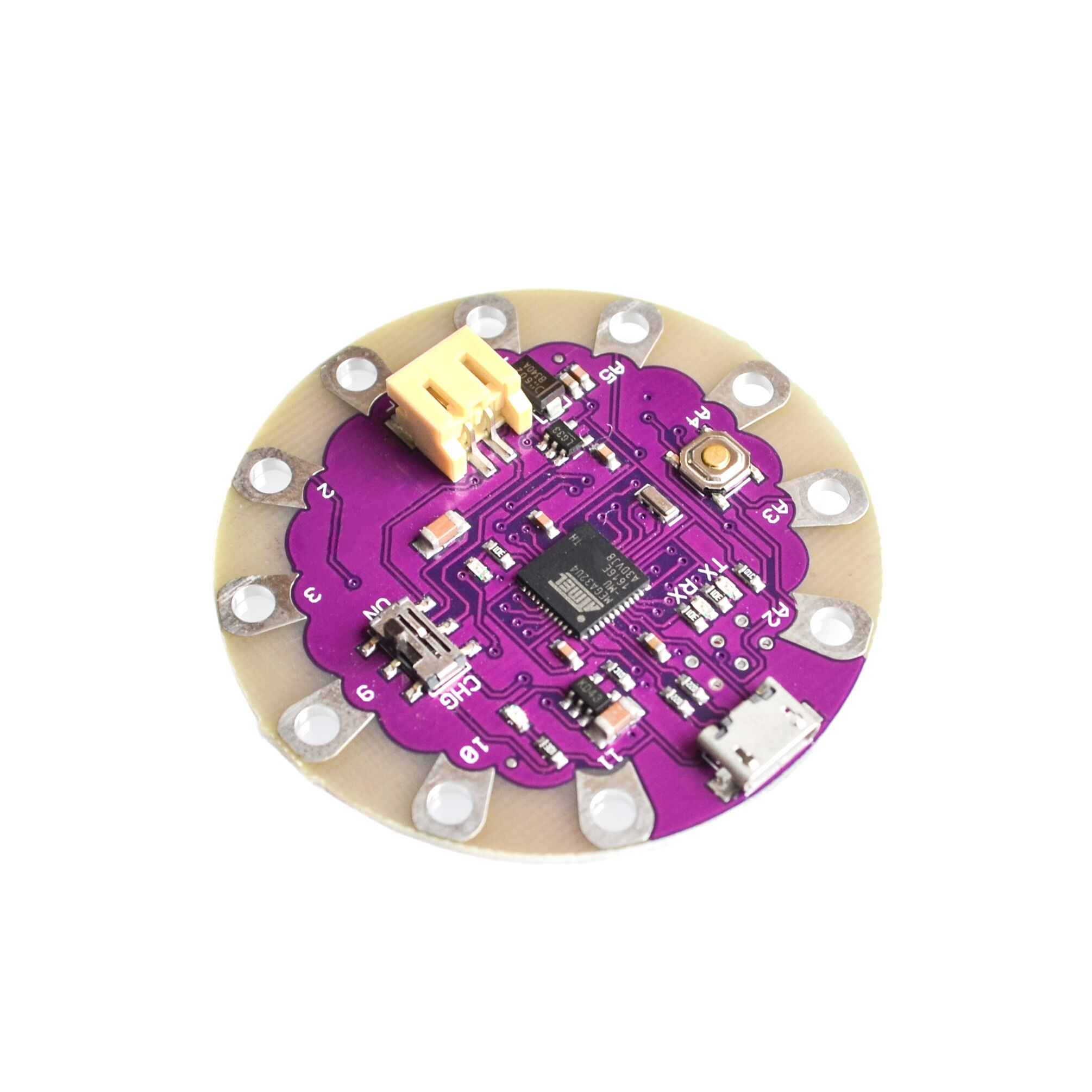
The LilyPad USB is a powerful, wearable microcontroller board that takes e-textiles to the next level. Unlike previous LilyPad iterations that required an external programmer, this board features the ATmega32U4 chip with built-in USB support, allowing you to program it directly using a micro USB cable. Its unique circular, sewable design is specifically engineered for seamless integration into fabric and wearable projects.
This development board is a robust solution for artists, fashion designers, and engineers creating interactive clothing or soft robotics, suitable for both creative personal projects and professional commercial applications.
Description
The LilyPad USB addresses common frustrations found in early wearable electronics by integrating USB functionality directly onto the microcontroller chip. Based on the same architecture as the popular Arduino Leonardo, the ATmega32U4 chip handles both the application code and the USB communication, making programming a breeze. Simply plug in a standard micro USB cable, and the board appears as a standard serial port on your computer within the Arduino IDE.
Designed with wearability in mind, the board is lightweight, circular, and features large, flat “sew tabs” around its perimeter. These tabs replace traditional fragile header pins and are intended to be connected using conductive thread, turning stitching into circuit traces.
A significant advantage of this specific LilyPad version is the addition of a JST connector and on-board LiPo charging circuit. This means you can plug in a single-cell Lithium Polymer battery, power your project, and recharge the battery simply by plugging in the micro USB cable—no external charger is needed. Running at 8 MHz with a flexible operating voltage range of 3.5V to 5V, the LilyPad USB is ready for sophisticated, battery-powered interactive projects that require a durable, integrated solution.
Features
- Integrated USB: Features the ATmega32U4 microcontroller with built-in USB support, eliminating the need for an external FTDI programmer.
- Direct Charging: Includes an on-board LiPo charger and JST connector for simple battery management.
- Wearable Design: Round, low-profile form factor and flat back engineered for comfort and durability within fabric.
- Sewable Connections: Large, wide “sew tabs” facilitate reliable connections using conductive thread.
- Arduino Leonardo Compatibility: Programs seamlessly using the standard Arduino IDE (select “LilyPad USB” or “Arduino Leonardo” in the board manager).
- High Pin Count: Offers a variety of Digital I/O, PWM, and Analog Input pins necessary for complex projects.
- Washable: Hand-washable design (with battery removed) for practical application in real garments.
- LED Indicators: On-board LEDs for power status, charging indication, and a user-accessible LED on D13.