Description
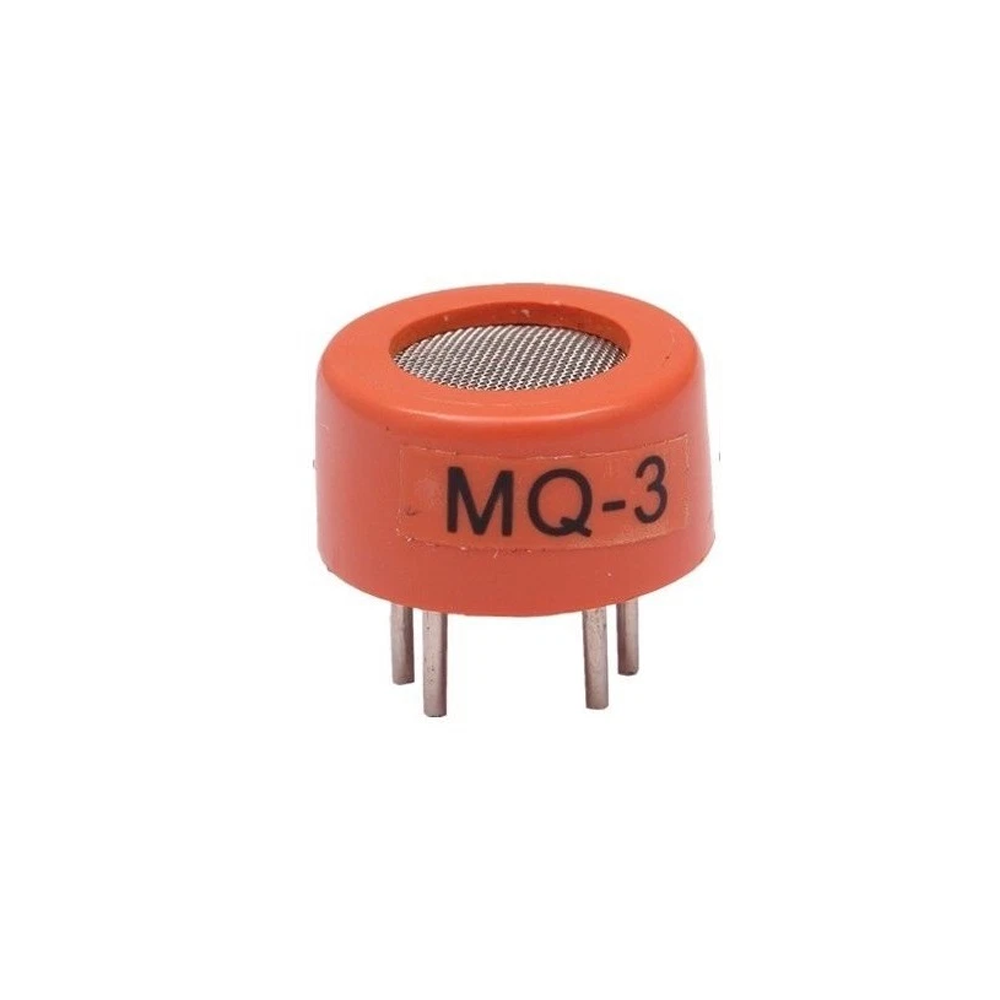
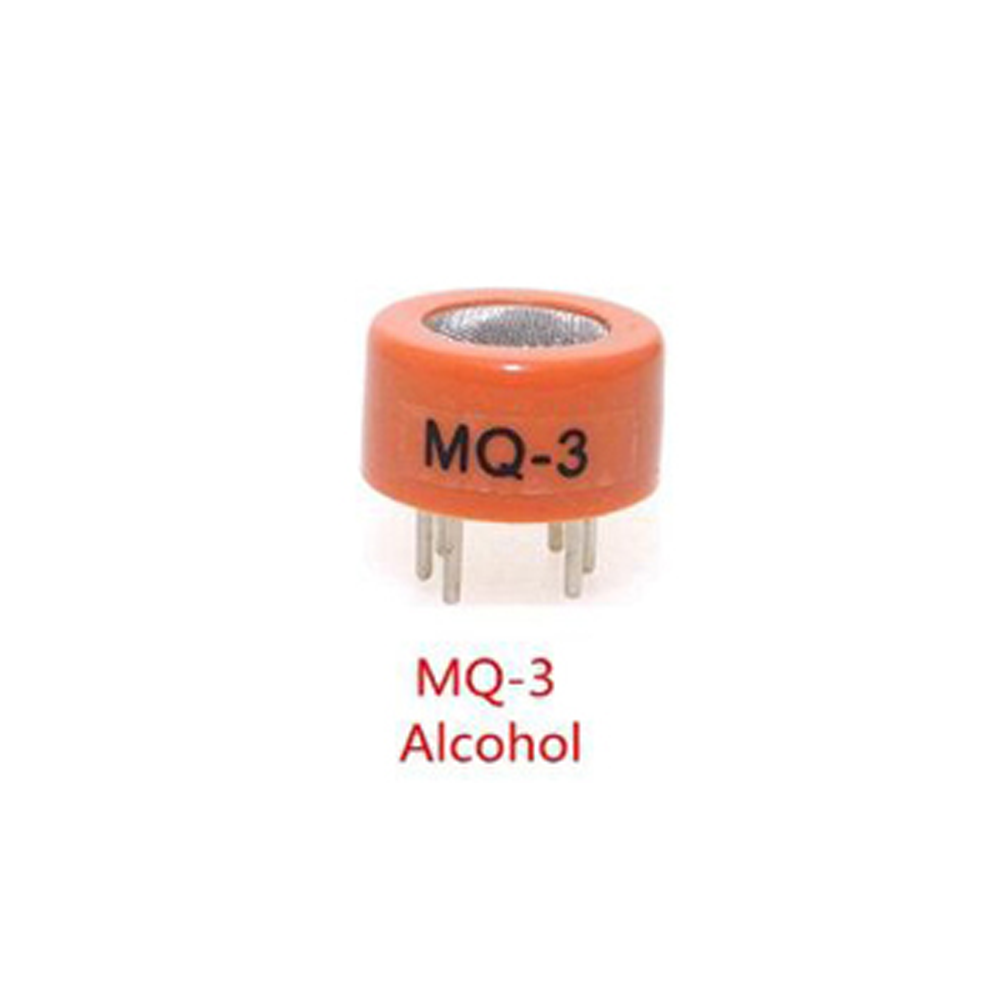
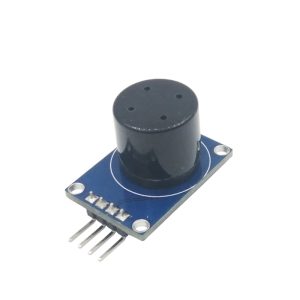
The MQ-3 Alcohol Sensor is a low-cost, highly sensitive semiconductor gas detection module designed for measuring alcohol (ethanol) vapor concentration in breathalyzer projects, industrial safety systems, and ethanol monitoring applications. Built around the MQ-3 sensor with a tin dioxide (SnO₂) sensing layer, this module responds with high sensitivity to alcohol vapors and is also sensitive to benzene, methane, hexane, and LPG, though its primary target is ethanol. It is an ideal solution for DIY breathalyzers, alcohol detection alarms, fermentation monitoring, and educational sensor projects.
At the heart of the module is the MQ-3 sensor element, whose conductivity increases as the concentration of alcohol vapor rises. In clean air, the sensor exhibits low conductivity; when exposed to alcohol vapor, its resistance drops, producing a measurable change in output. The module provides two independent outputs: an analog output (AO) that varies continuously with alcohol concentration for trend monitoring, and a digital output (DO) that switches when the concentration exceeds a user-adjustable threshold set by the onboard potentiometer. This dual-output design makes it suitable for both quantitative trend analysis and simple threshold-based alarm triggering.
The module operates from 5V DC with a typical current consumption of approximately 150mA. It is compatible with Arduino, ESP32, and other 5V microcontrollers; Raspberry Pi users require an external ADC. The board features a compact form factor and an onboard LED indicator that provides visual feedback for power and digital output status.
Important Note: The MQ-3 requires a significant preheat time for stable operation. New sensors should be powered on for 24–48 hours in clean air before initial calibration. After each power-up, allow at least 20 seconds to 5 minutes for the heater to stabilize. The sensor is not a calibrated breathalyzer — it provides relative trend data, not precise blood alcohol concentration (BAC) readings. For legal or medical-grade breathalyzer applications, a certified electrochemical sensor is required. The sensor is not selective — it responds to other gases and environmental factors. It is not waterproof and should be kept dry. The sensor surface becomes hot during operation — avoid touching it.
Whether you are building a DIY breathalyzer, an alcohol detection alarm, or a fermentation monitoring system, the MQ-3 module provides a reliable, affordable solution for alcohol vapor detection.
Features
-
MQ-3 SnO₂ semiconductor sensor — High sensitivity to alcohol (ethanol) vapors
-
Dual output — Analog (AO) for concentration trends, Digital (DO) for threshold alarms
-
Adjustable threshold — Onboard potentiometer sets the digital output trigger point
-
Wide detection range — 25–500 ppm for alcohol vapor
-
5V operation — Compatible with Arduino, ESP32, and other 5V microcontrollers
-
LED indicators — Power and digital output status feedback
-
Compact form factor — 32 × 20mm PCB for easy integration
-
Fast response — Quick detection of alcohol concentration changes
-
Long lifespan — Specified for up to 10 years under proper operating conditions
-
Wide application range — DIY breathalyzers, alcohol alarms, fermentation monitoring, education
Technical Specifications
| # | Parameter | Specification |
|---|---|---|
| 1 | Sensor Model | MQ-3 (SnO₂ semiconductor) |
| 2 | Target Gas | Alcohol (ethanol) vapor |
| 3 | Detection Range | 25 – 500 ppm (alcohol) |
| 4 | Operating Voltage | 5V DC |
| 5 | Heater Voltage | 5.0V ± 0.1V |
| 6 | Heater Power Consumption | ≤900mW |
| 7 | Output Type | Analog (AO) + Digital (DO/TTL) |
| 8 | Preheat Time | 24–48 hours (initial); 5–10 min (subsequent) |


Reviews
There are no reviews yet.