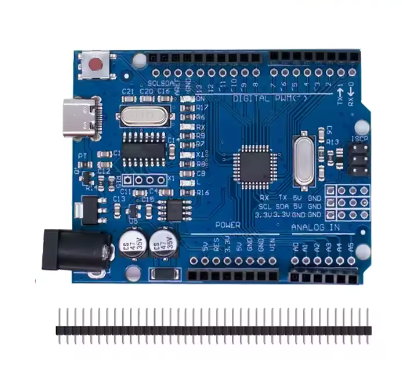
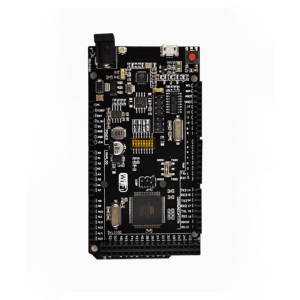
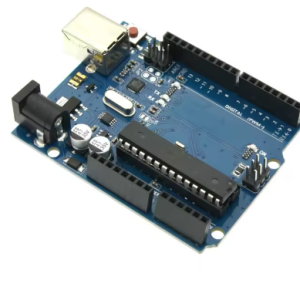
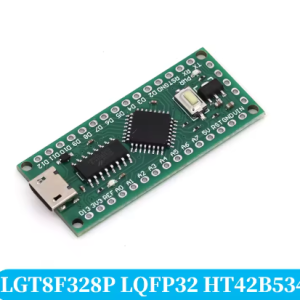
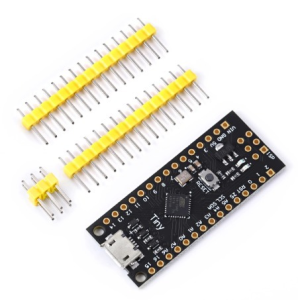
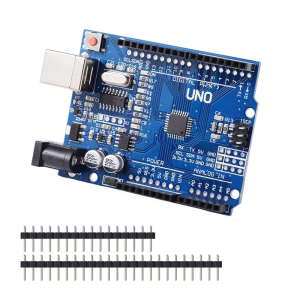
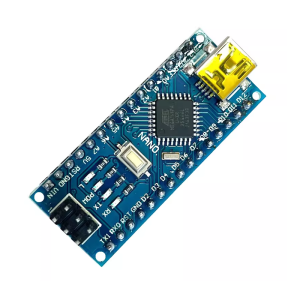
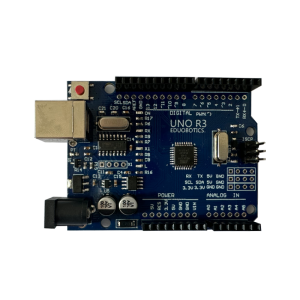
The UNO R3 development board with a Type-C port, CH340G USB-to-serial converter, and ATmega328P microcontroller is a cost-effective, fully functional clone of the original Arduino Uno R3, with the primary difference being the USB interface and chip. It does not include a USB cable in the package
Key Features and Specifications
This board is designed to be fully compatible with the Arduino IDE and most R3 shields and accessories.
- Microcontroller: ATmega328P (often in an SMD/flat package).
- USB Interface Chip: CH340G, which handles the USB-to-serial communication with your computer. This chip is used instead of the more expensive ATmega16U2 found on official Arduino boards to reduce cost.
- USB Connector: Features a modern Type-C port for connection to a computer.
- Operating Voltage: 5V.
- Input Voltage (recommended): 7-12V via the DC barrel jack.
- Digital I/O Pins: 14 (6 of which provide PWM output).
- Analog Input Pins: 6.
- Clock Speed: 16 MHz.
- Memory: 32 KB Flash memory (0.5 KB used by bootloader), 2 KB SRAM, 1 KB EEPROM.
- Additional Features:
- Often includes extra rows of pin headers (male and female) to facilitate easier connections with Dupont wires and shields.
- Onboard LEDs for power, TX (transmit), and RX (receive) indicators.
What is Not Included
As specified, the package does not include a USB cable. You will need a USB-A to USB-C cable to connect the board to your computer for programming and power.
Usage and Driver Information
The board functions almost identically to an original Uno R3 once connected, but the CH340G chip may require a specific driver installation on some operating systems (particularly older versions of Windows) before it can be used with the Arduino IDE. Modern operating systems often install the driver automatically. You can usually find the necessary CH340G drivers online from the manufacturer’s or seller’s website if needed.
Q: What is the main difference between this board and an official Arduino Uno R3?
The main differences are the components used for cost efficiency:
- USB Chip: This board uses the cost-effective CH340G USB-to-Serial converter chip, whereas the official R3 uses an ATmega16U2 chip.
- USB Port: This board features a modern Type-C port, while the original R3 uses the older Type-B printer port.
- Country of Origin: This is a Chinese-produced, third-party compatible board (a “clone”), not manufactured by the official Arduino company.
Functionally, they are identical in operation and programming capabilities.
Q: Do I need a special driver to use this board with my computer?
The CH340G chip usually requires a driver installation on certain operating systems.
- Windows (Older Versions): You may need to manually download and install the CH340G driver before the board appears correctly in the Arduino IDE.
- Windows 10/11, macOS, and Linux: Modern operating systems often recognize the CH340G chip automatically when plugged in.
If you have trouble connecting, search online for the “CH340G driver” suitable for your operating system.
Q: What kind of cable do I need to connect this board to my computer?
You need a USB-A to USB-C cable (or a USB-C to USB-C cable if your computer only has USB-C ports). This product listing is for the board only and does not include a cable.
Q: Is this board compatible with standard Arduino software and shields?
Yes, absolutely. It is 100% code-compatible and hardware-compatible with the standard Arduino Uno R3 ecosystem. You can program it using the official Arduino IDE and attach most standard R3 shields and sensors without any issues. When configuring the IDE, simply select “Arduino Uno” as the board type.
Q: Why does the main chip look different from pictures of the official Arduino Uno R3?
The official Uno R3 often uses a large, rectangular DIP (Dual Inline Package) ATmega328P chip that can be easily removed. This Chinese version often uses a flat, square SMD (Surface Mount Device) version of the ATmega328P to reduce manufacturing costs. They are the same microcontroller internally, just in a different physical package.
Q: Can I power the board externally without using the USB port?
Yes. You can power the board using the black barrel jack connector. The recommended input voltage is 7V to 12V DC. You can also supply 5V directly via the 5V pin if you have a regulated power supply, but exercise caution as this bypasses some onboard protection circuitry.