Product Overview
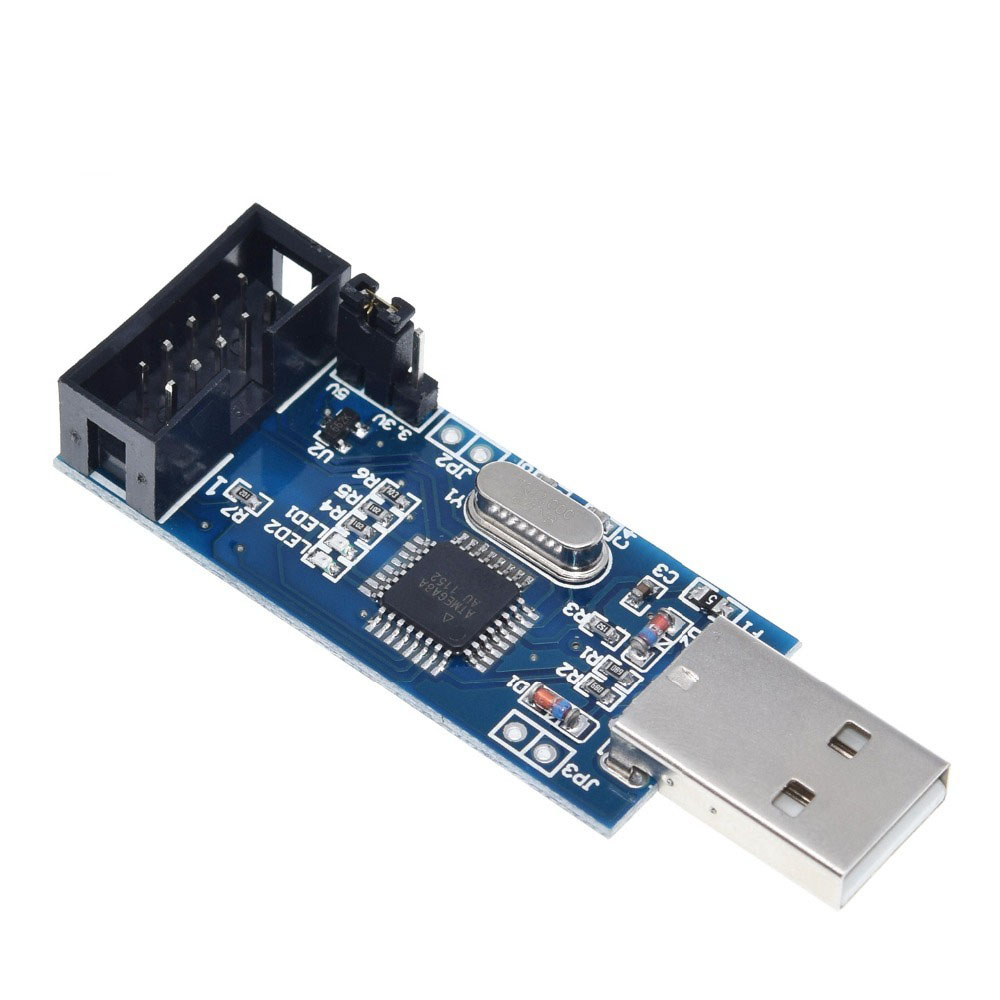
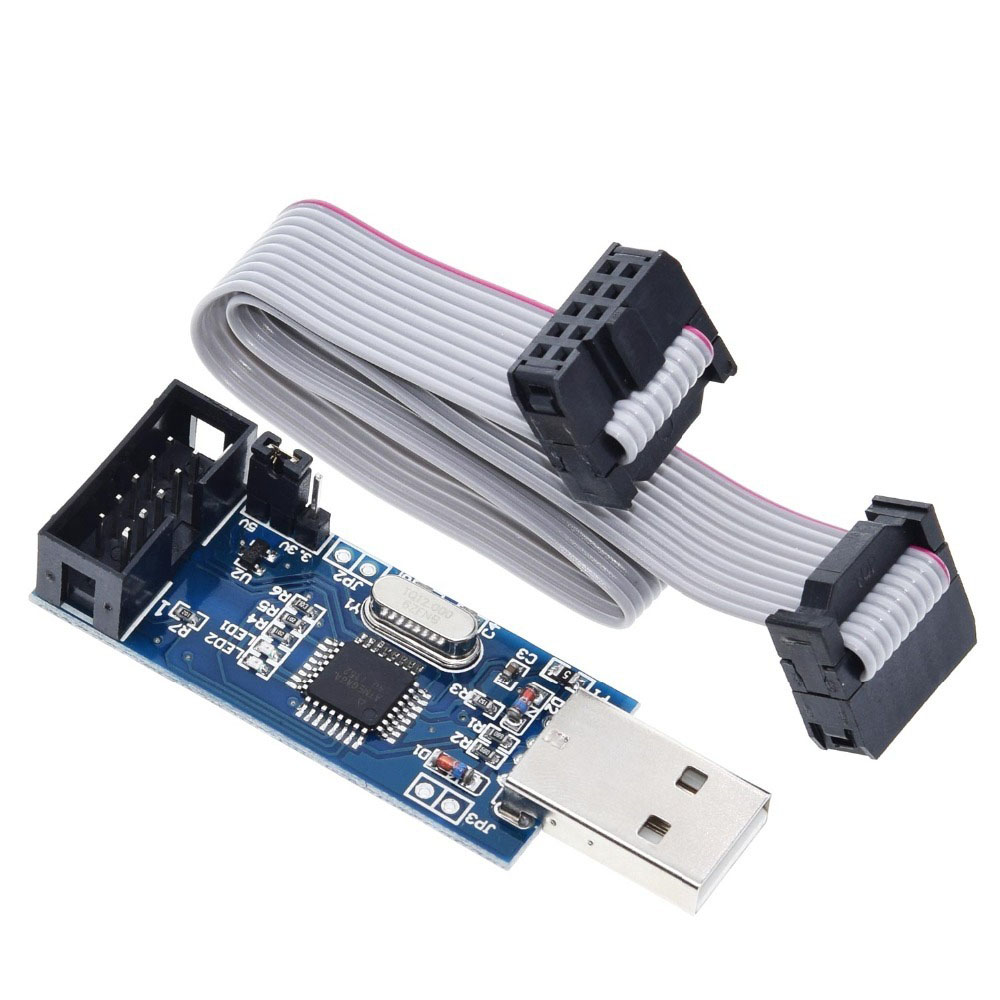
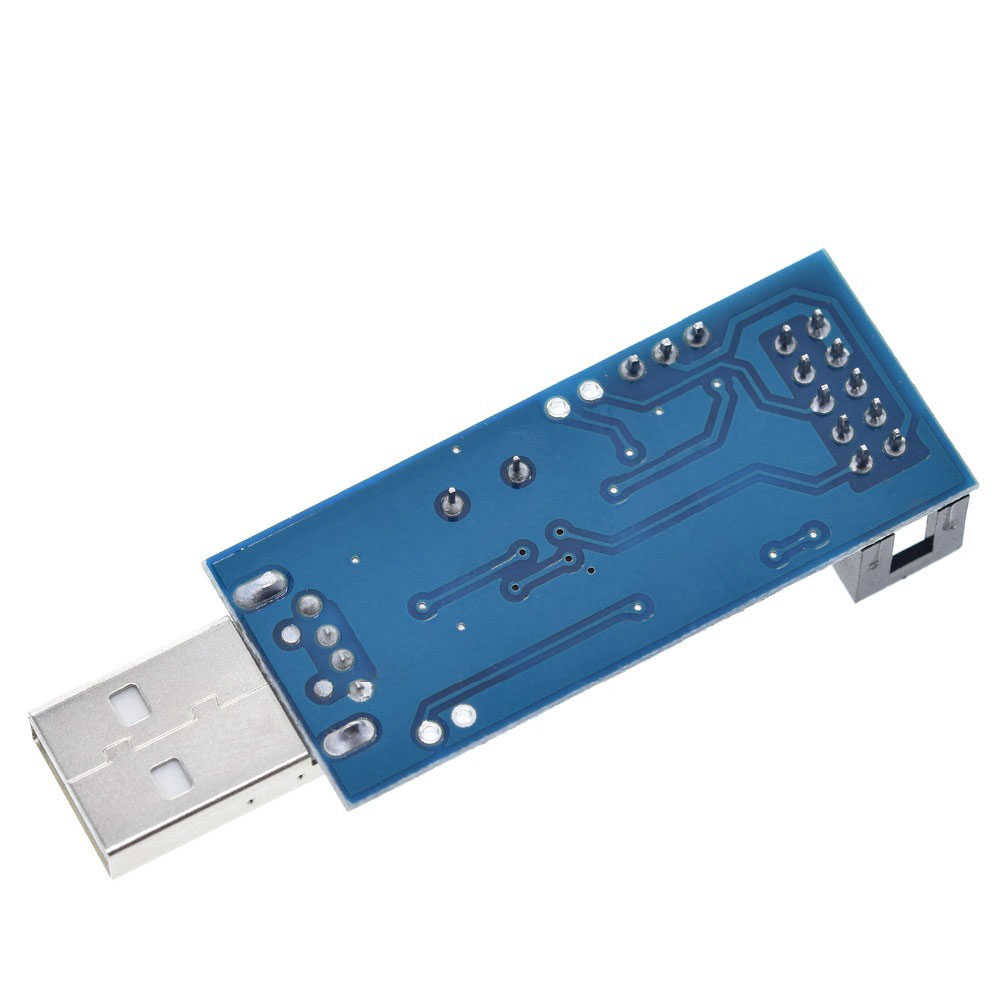
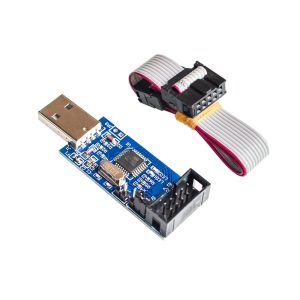
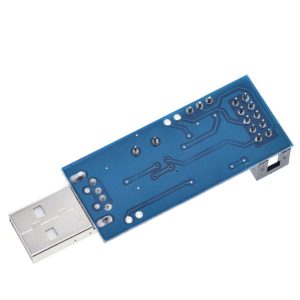
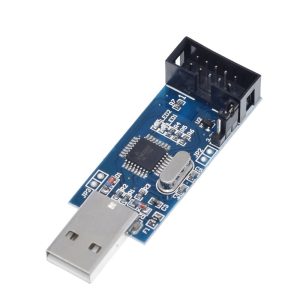
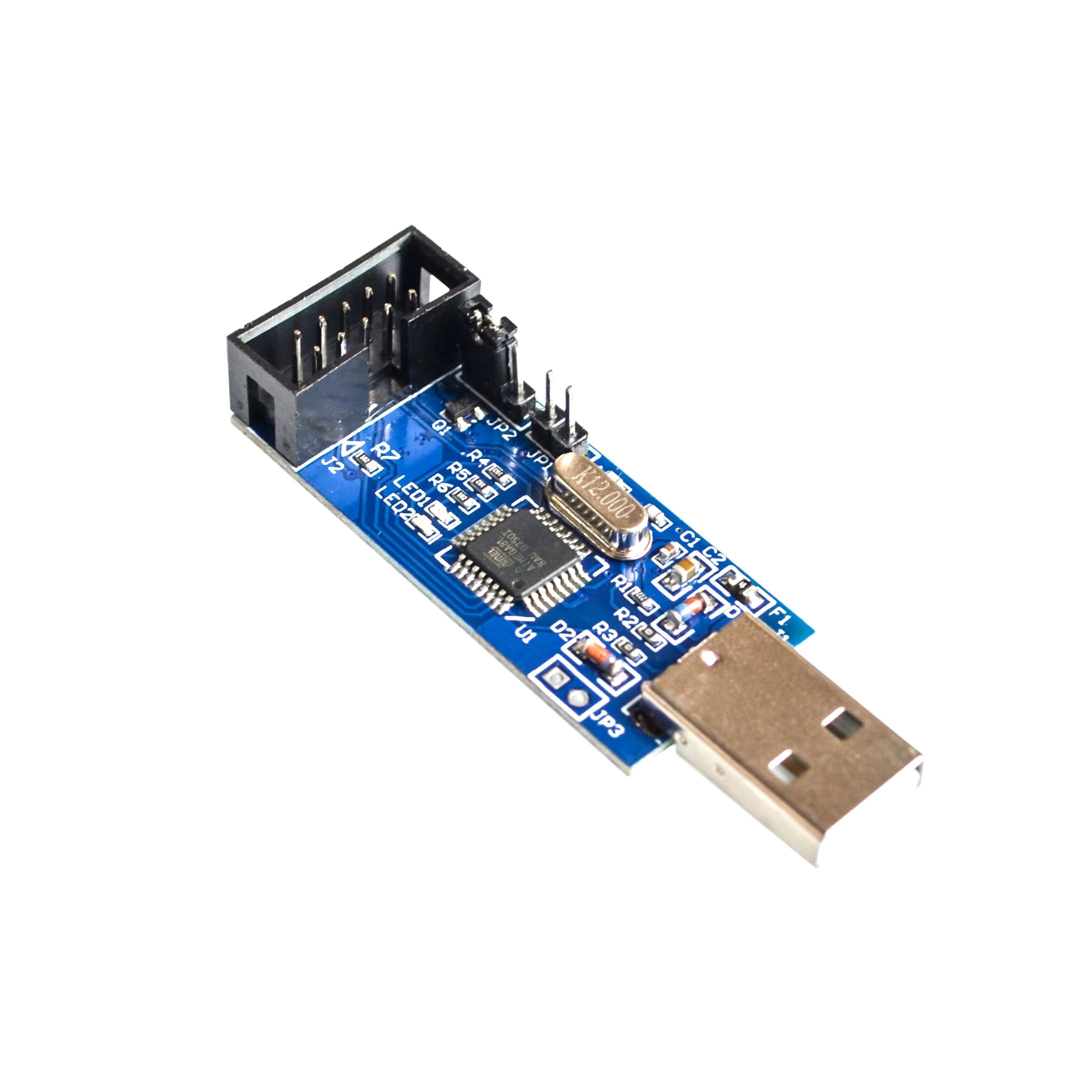
The USBASP USBISP 51 AVR Programmer Downloader is a professional-grade, high-performance in-system programmer designed for 51 and AVR series microcontrollers. Based on the open-source USBASP project, this programmer connects to your computer via a standard USB port and uses the ISP (In-System Programming) protocol to flash firmware, erase chips, and configure fuse bits without removing the target microcontroller from its circuit .
Whether you are developing embedded systems, working on Arduino projects (burning bootloaders), or programming AT89S51/52 or AVR chips like ATmega and ATtiny series, this programmer delivers fast, stable, and reliable performance. With an adjustable ISP programming speed of up to 8MHz, it supports both 5V and 3.3V target systems .
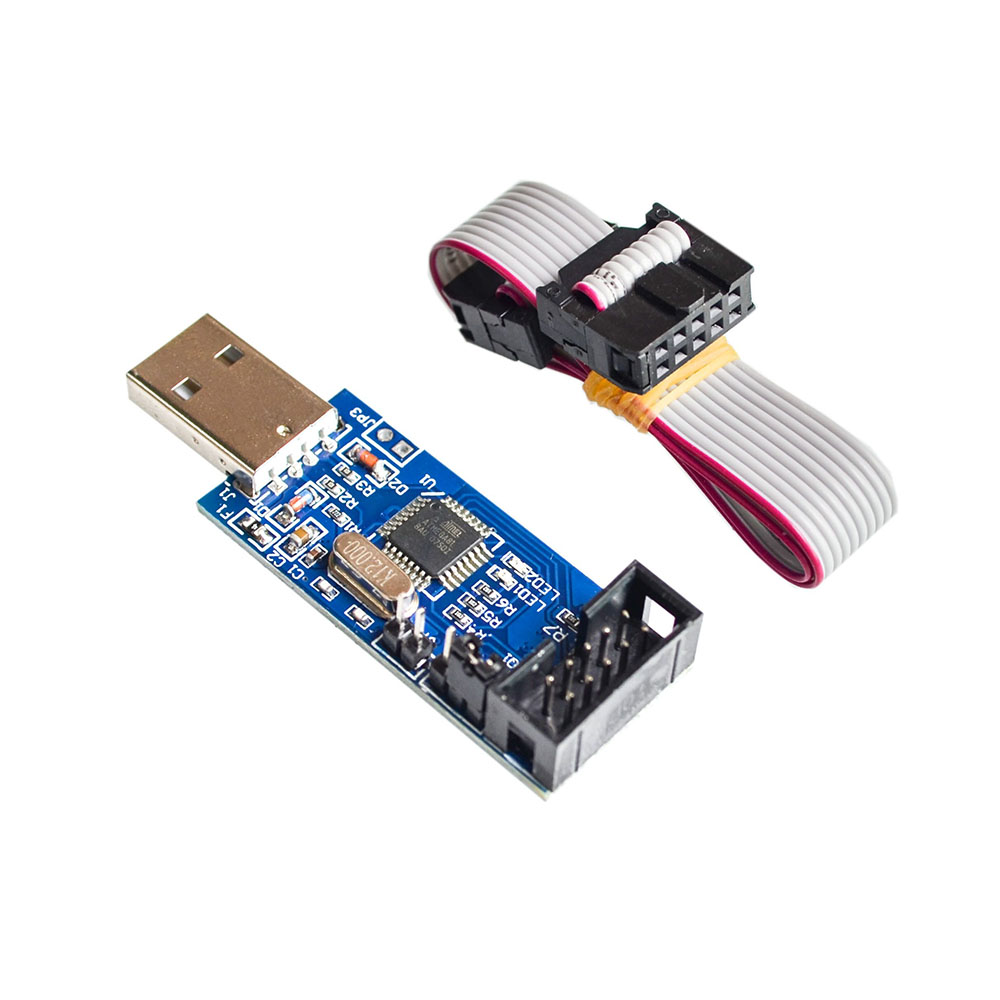
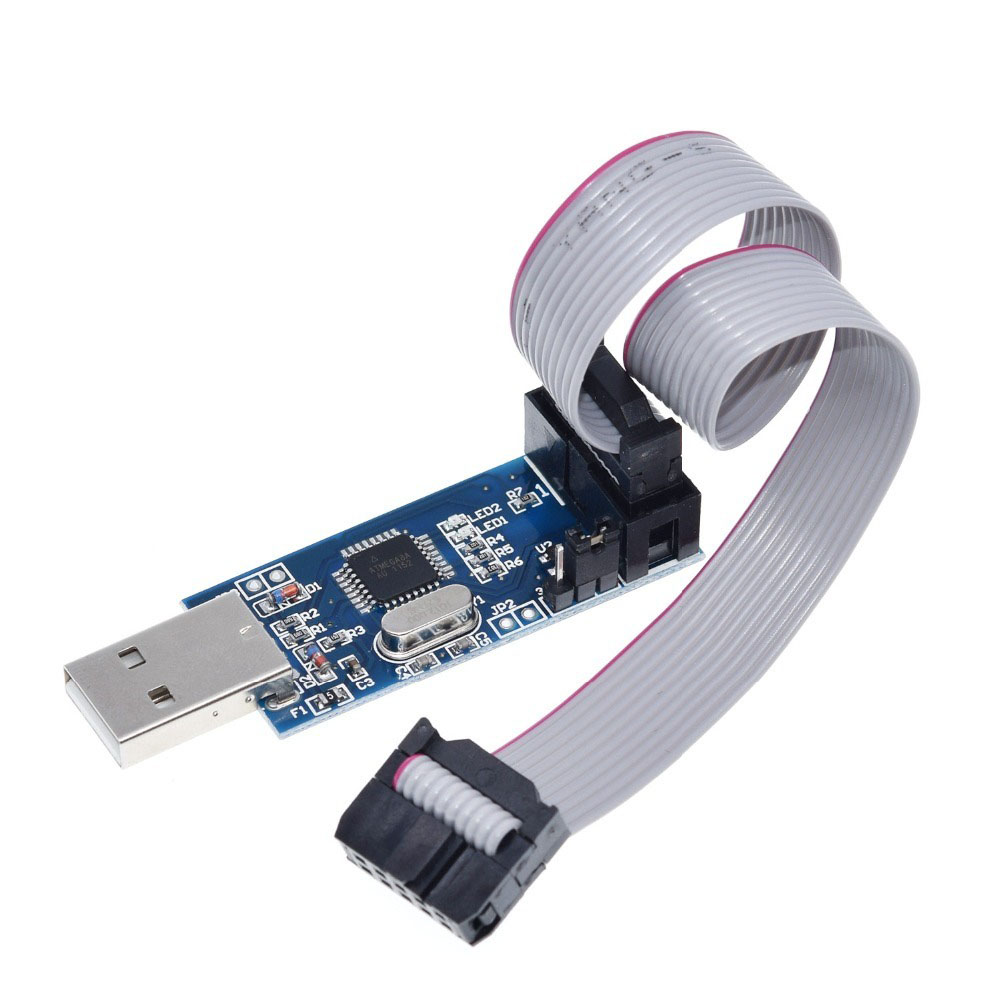
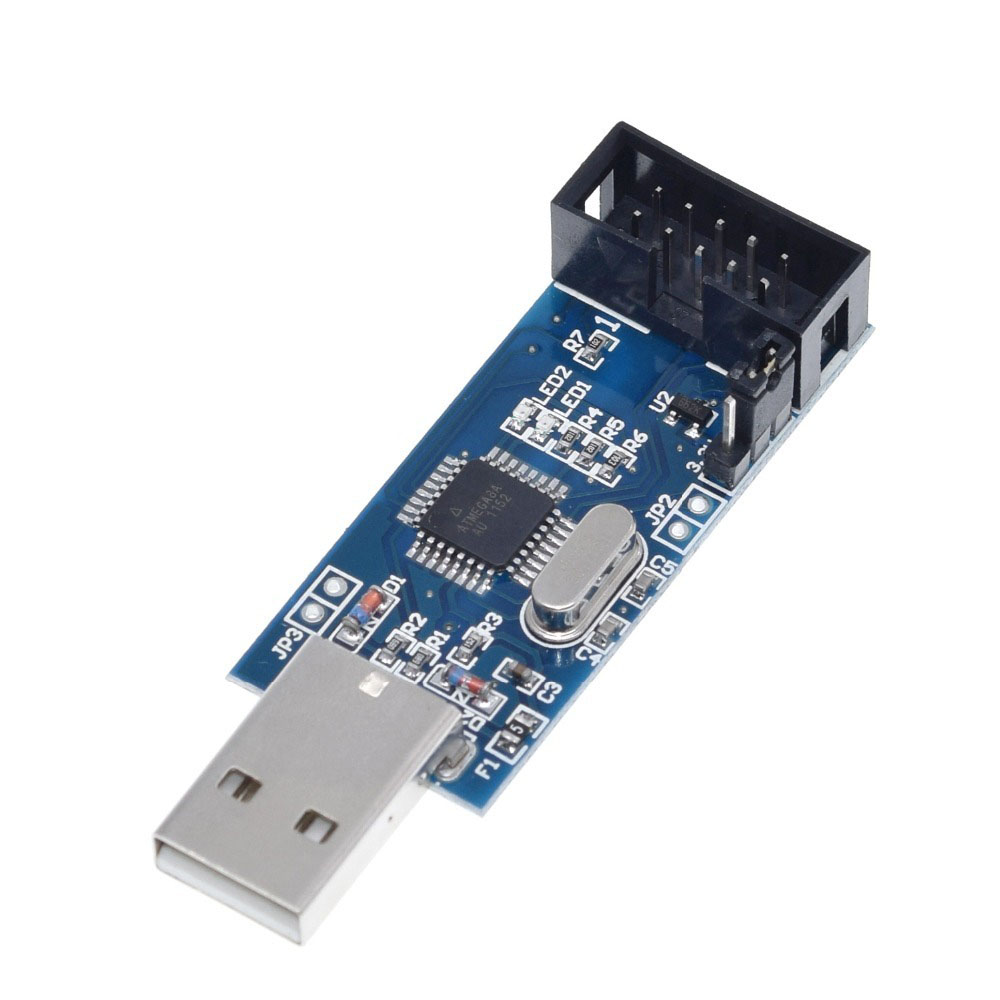
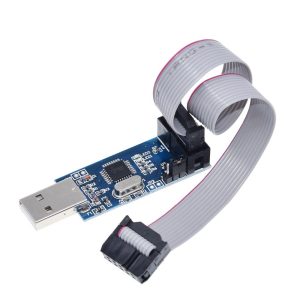
Equipped with a 500mA self-recovery fuse, this programmer protects your computer’s USB port from accidental short circuits on the target board . The 90° right-angle cable design allows for easy connection to development boards in tight spaces. The onboard power and programming status LEDs provide real-time visual feedback during operation .
Key Features
-
USB 2.0 Full-Speed Interface: 12Mbps communication speed for fast program uploads, compatible with USB 1.1 and 2.0 .
-
Broad Microcontroller Support: Programs 51 series (AT89S51, AT89S52, etc.) and all AVR ISP chips (ATmega, ATtiny series) .
-
Adjustable ISP Speed: Auto-speed control firmware automatically tracks the target chip’s frequency (supports up to 8MHz programming clock) .
-
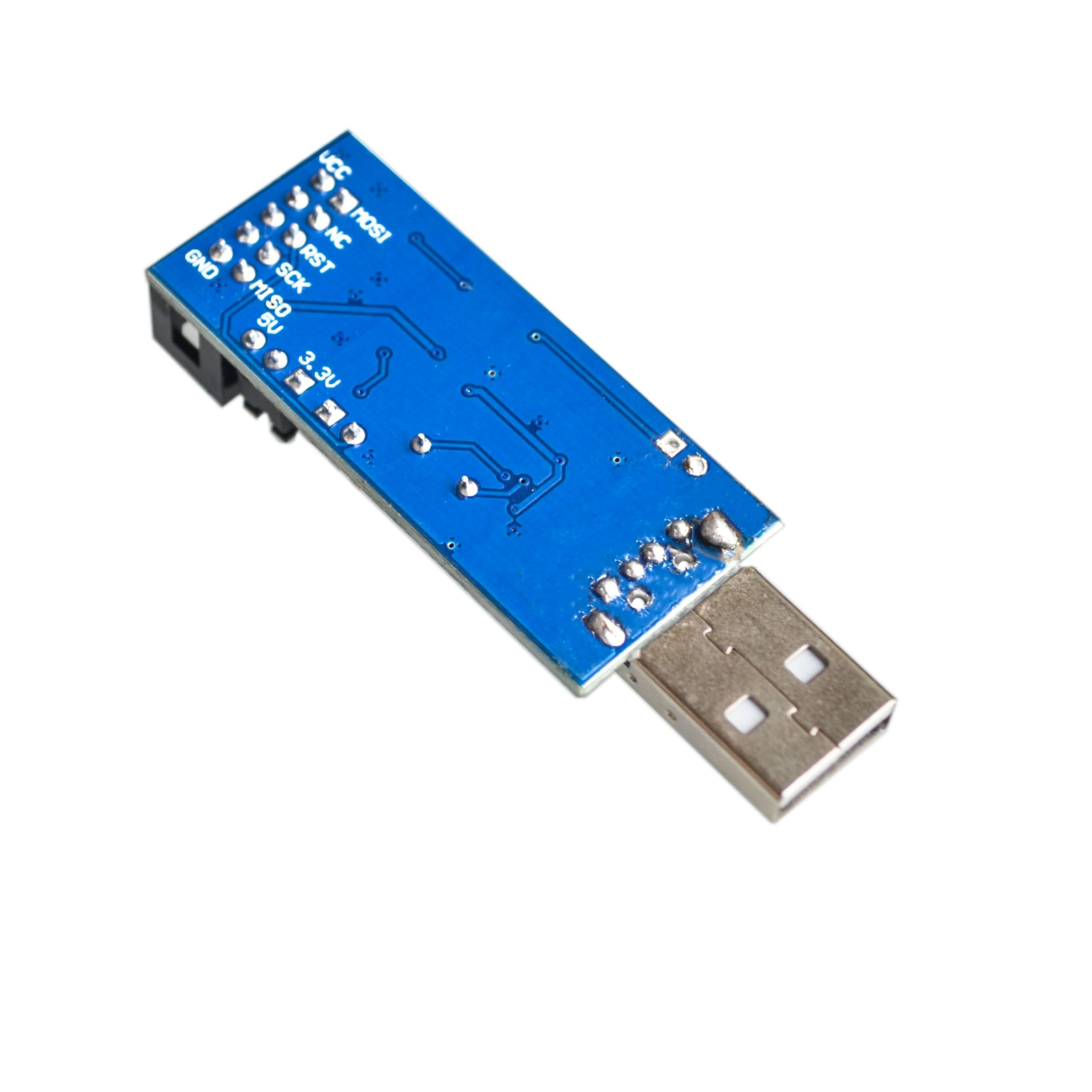
Dual Voltage Compatibility: Supports both 5V and 3.3V target board logic levels (selectable via jumper) .
-
500mA Overcurrent Protection: Built-in self-recovery fuse (resettable fuse) protects both the programmer and your computer’s USB port from short circuits .
-
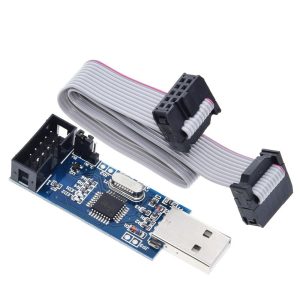
Standard IDC 10-Pin Interface: 2×5 pin ISP connector for connection to target boards, with a 90° right-angle cable included .
-
LED Status Indicators: Power indicator (lights when USB connected) and programming activity indicator .
-
Self-Upgradable Firmware: The programmer can be updated to support future devices via the ISP interface .
-
Cross-Platform Compatibility: Works with Windows (XP through 11), Linux, and macOS. Supported by AVRDUDE, AVRStudio, Arduino IDE, ProgISP, and AVR_Fighter software .
Technical Specifications
Pinout & Interface Guide
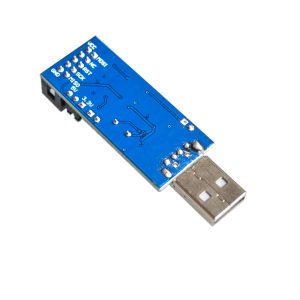
The programmer uses a standard 10-pin IDC (2×5) ISP connector:
*Note: The 90° right-angle cable uses a standard 10-pin IDC connector on the programmer end, with a 2.54mm pitch socket for connecting to the target board.*
Supported Microcontrollers
51 Series (Commonly Supported):
-
AT89S51, AT89S52, AT89S53, AT89S8253, AT89S2051, AT89S4051 .
AVR Series (Commonly Supported):
-
ATmega Series: ATmega8, ATmega16, ATmega32, ATmega48, ATmega64, ATmega88, ATmega128, ATmega162, ATmega164, ATmega168, ATmega324, ATmega328, ATmega644, ATmega8515, ATmega8535 .
-
ATtiny Series: ATtiny13, ATtiny22, ATtiny24, ATtiny25, ATtiny44, ATtiny45, ATtiny84, ATtiny85, ATtiny2313, ATtiny261, ATtiny461, ATtiny861 .
(This list is not exhaustive; the programmer supports most AVR devices with ISP interface.)
Usage Guide
Wiring Instructions
-
Connect the Programmer: Plug the USB cable (90° connector) into the programmer board and into your computer’s USB port.
-
Connect to Target Board: Use the 10-pin IDC cable to connect the programmer to your target microcontroller board’s ISP header.
-
Ensure correct pin alignment (Pin 1 on programmer to Pin 1 on target board).
-
Alternatively, use jumper wires to connect the 6 essential pins: MOSI, MISO, SCK, RST, VCC, GND .
Driver Installation
Windows 10/11:
-
Driver Signature Enforcement: You may need to disable Driver Signature Enforcement temporarily if Windows blocks the driver .
-
Install libusb Driver: Use Zadig or the inf-wizard.exe from the libusb package to install the WinUSB driver for the USBASP device .
Windows 7/XP:
-
Download the libusb-win32 driver package.
-
Run the inf-wizard to generate and install the driver for the “USBasp” device .
macOS / Linux:
Most modern distributions have built-in (CDC-ACM) support. No additional driver installation is typically required.
Using ProgISP / AVR_Fighter Software
-
Select Programmer: Launch ProgISP or AVR_Fighter .
-
Select Interface: Choose USBASP as the programmer and USB as the interface .
-
Select Chip: Click the chip dropdown menu and select your target microcontroller model (e.g., AT89S52 or ATMEGA16) .
-
Flash the Code:
-
Click Load Flash and select your compiled .hex firmware file.
-
(Optional for AVR) Configure Fuse Bits (be extremely careful, incorrect fuses can brick the chip). For most 51 series chips, this step is not necessary .
-
Click Auto (or Program) to write the firmware to the chip .
Using AVRDUDE (Command Line)
AVRDUDE is a powerful command-line utility for programming AVR chips.
Basic command structure:
avrdude -c usbasp -p m16 -U flash:w:main.hex
-
-c usbasp: Selects the USBASP programmer.
-
-p m16: Specifies the target chip (e.g., ATmega16).
-
-U flash:w:main.hex: Writes main.hex to the flash memory.
Cable Selection & Configuration
The included 90° right-angle cable is specifically designed for compact workspaces and ensures a secure connection in tight enclosures . The programmer uses a standard IDC 10-pin interface for connection .
Troubleshooting Tips
-
Target Not Detected: Check the physical connection (IDC cable or jumper wires). Ensure the target board is powered (by the programmer VCC or external source). Verify that the target crystal frequency is at least 4 times the ISP clock speed .
-
Programming Failed: If programming fails at the verify stage, try lowering the ISP speed (ProgISP allows slowing down the clock). Ensure the target MCU is not running in Power Down mode.
-
Driver Issues on Win10: If the device shows as unrecognized, you may need to disable Windows Driver Signature Enforcement or use a signed driver like libusb via Zadig .
Q: What is the difference between USBASP and a standard USB-to-TTL converter?
USBASP is a dedicated programmer that uses ISP (In-System Programming) protocol, supporting specific pins (MOSI, MISO, SCK, RST). A USB-to-TTL converter is used for serial communication (UART), not for direct firmware flashing (except for bootloader-based programming). The USBASP is specifically designed for low-level programming of AVR and 51 chips .
Q: Can this programmer power my target board directly?
Yes. The programmer can provide 5V or 3.3V power to the target board (up to 500mA) via the 10-pin IDC connector, thanks to the USB port power and the 500mA resettable fuse
Q: Does this work with Arduino?
Yes. You can use it to burn the bootloader onto an Arduino board (e.g., burning firmware onto a blank ATmega328P chip). Connect the ISP pins accordingly and use Arduino IDE (with “Programmer: USBasp” selected) or AVRDUDE .
Q: What does the 90° cable mean?
The 90° (right-angle) design of the IDC cable helps connect the programming interface easily in tight spaces, such as between the board and the target MCU, without bending the cable sharply. This is common in USBASP kits .
Q: What is the maximum cable length allowed?
For ISP programming, keep the cable length under 50cm to avoid signal integrity issues. The included cable length is optimized for standard use .
Q: Why can't I install the driver on Windows 10?
Windows 10 and later may require you to disable Driver Signature Enforcement or use specific driver tools (like Zadig) to install the USBASP driver. The chip is typically recognized as ‘libusb-win32’ .
Q: The program writes successfully but the MCU doesn't run.
For AVR chips, you may need to correctly set the Fuse Bits (e.g., selecting the correct clock source). Accidentally setting fuses to “External Clock” without a crystal will cause the chip to appear dead. For 51 series chips, this is usually not required .
Q: The "auto" programming fails at the "Verify" stage.
This often indicates that the ISP speed is too high for the target chip. Slow down the ISP clock in the software settings (e.g., in ProgISP). Generally, the ISP speed must be less than or equal to 1/4 of the target chip’s clock frequency .
Q: What is the lifespan of the programmer?
The hardware is durable. The 500mA resettable fuse protects the device from accidental short circuits, and the ATmega8A chip is robust against ESD events typical in development environments .
Q: What software works with USBASP?
It works with ProgISP 1.72 (latest version), AVR_Fighter, AVRDUDE (command line), AVR Studio 4/5/6, and Arduino IDE .
Q: Can I use it with STM32 microcontrollers?
No. STM32 boards usually use SWD or JTAG protocols, not ISP. However, you could use an ST-Link adapter for those .
Q: Is the 3.3V output supported for low-voltage chips?
Yes. You can select the target voltage (3.3V or 5V) via a jumper cap on the programmer board