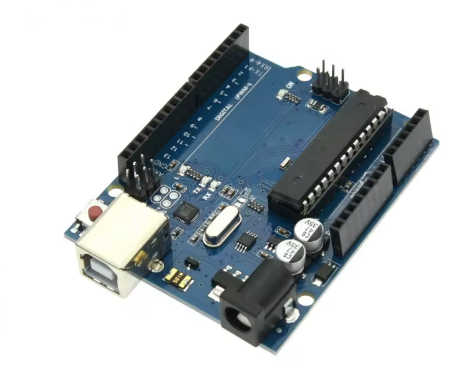
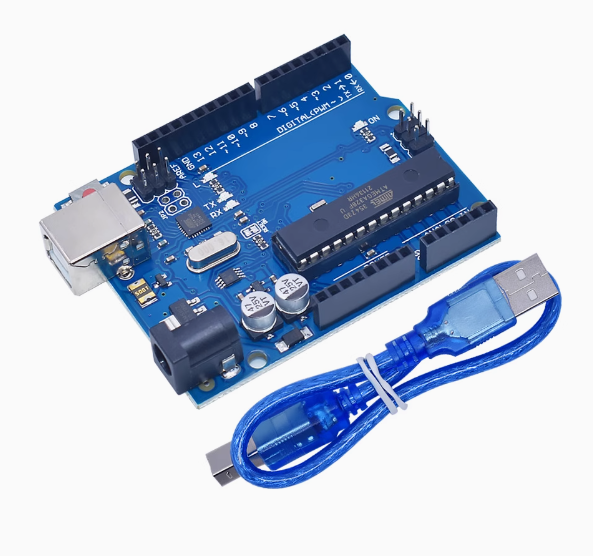
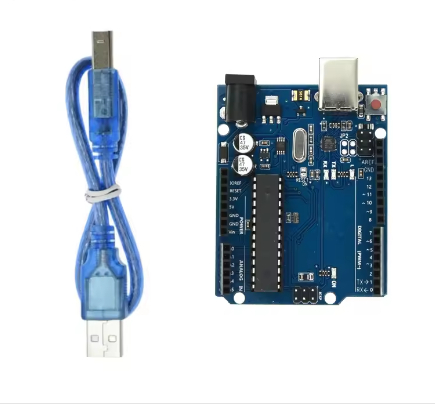
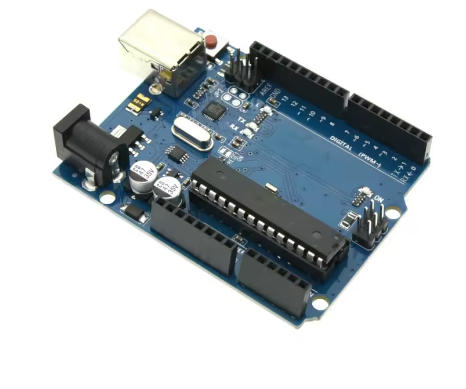
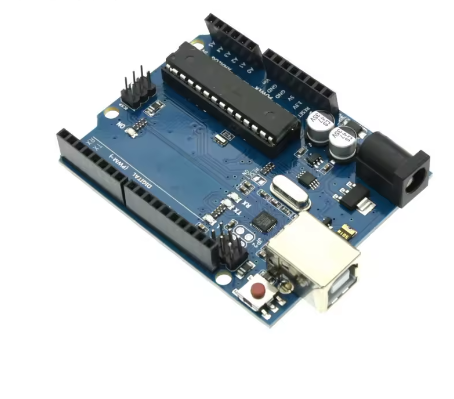
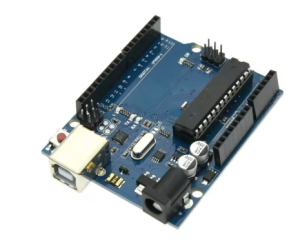
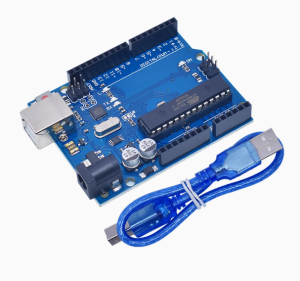
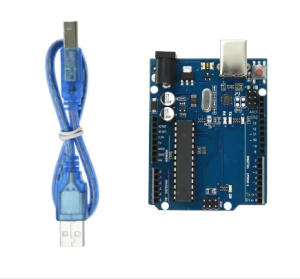
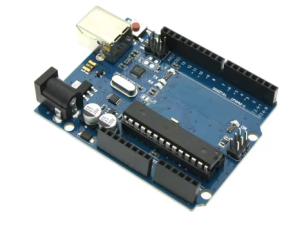
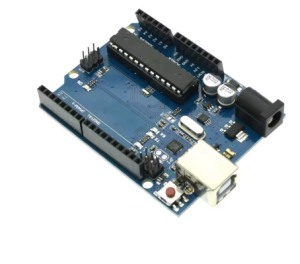
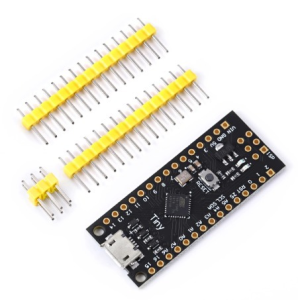
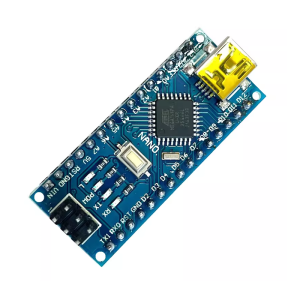
The Arduino UNO R3 DIP Development Board is a compact, ready-to-use microcontroller platform designed for learning, prototyping, and embedded development. Built around the classic ATmega328P microcontroller and paired with an ATmega16U2 USB-to-serial converter, this board delivers stable communication, broad software compatibility, and reliable performance for both beginners and experienced developers.
This version ships without a printed logo on the board, making it a clean, neutral option for OEM integration, classroom kits, branded product bundles, and corporate training programs. The DIP (dual in-line package) form factor means the main ATmega328P chip is socketed and replaceable — if a chip is damaged during experiments, it can be swapped out in seconds instead of replacing the entire board.
The board follows the standard UNO R3 footprint and pinout, so it is compatible with the vast ecosystem of shields, sensors, motors, displays, and expansion modules designed for the UNO form factor. It can be programmed through the standard Arduino IDE and supports the full range of example sketches, libraries, and community projects.
Each board is supplied with a 30cm USB cable, so you can connect to a computer and start programming right out of the box. Whether you are running a STEM classroom, building a prototype, or deploying a small-batch control solution, this board offers a practical balance of cost, flexibility, and dependability.
Features
-
ATmega328P main microcontroller – the industry-standard 8-bit AVR chip used in millions of projects worldwide.
-
ATmega16U2 USB interface – dedicated USB-to-serial conversion for stable, driver-friendly programming and communication.
-
Socketed DIP package – the main chip is replaceable, extending board life and reducing maintenance cost.
-
UNO R3 standard footprint – compatible with the full range of UNO shields and accessories.
-
No-logo neutral design – ideal for OEM, education, and branded kit applications.
-
14 digital I/O pins – 6 support PWM output for motors, LEDs, and analog-style control.
-
6 analog input channels – for sensors, potentiometers, and signal measurement.
-
On-board power regulation – supports USB power and external 7–12V DC input.
-
ICSP header included – allows advanced programming and bootloader recovery.
-
Includes 30cm USB cable – ready to connect and program immediately.
Technical Specifications
Usage
Getting Started
-
Connect the board to your computer using the included 30cm USB cable.
-
Install the Arduino IDE and select “Arduino UNO” as the board type.
-
Select the correct COM/serial port.
-
Open a built-in example sketch (such as Blink) and click Upload.
-
Once uploaded, the board runs the program automatically.
Power Options
-
USB power – 5V from a computer or USB adapter.
-
External DC power – 7–12V via the barrel jack, or 5V via the VIN pin.
-
The board automatically selects the appropriate power source.
Typical Applications
-
Learning electronics and programming fundamentals
-
STEM and robotics classroom projects
-
Prototyping sensor and control systems
-
Driving LEDs, relays, motors, and displays
-
Building automation and data-logging devices
-
OEM integration into custom enclosures or product kits
-
Corporate training and workshop demonstrations
Expansion
Stack UNO-compatible shields directly onto the board, or connect sensors and modules using jumper wires on the breakout headers. The ICSP header supports advanced programming and bootloader recovery when needed.
Notes for Business Buyers
-
The no-logo design allows for custom labeling, enclosure branding, or kit packaging.
-
The socketed DIP chip simplifies field replacement and reduces long-term support costs.
-
Boards are suitable for bulk deployment in classrooms, labs, and training programs.
-
Consistent pinout and footprint make it easy to standardize across multiple projects.
Q: Is this board compatible with the standard Arduino IDE?
Yes. It works with the standard Arduino IDE. Select “Arduino UNO” as the board type and choose the correct serial port.
Q: What is the difference between this board and a standard UNO R3?
Functionally it is equivalent. The main differences are that this version has no printed logo and uses a socketed DIP ATmega328P chip, making the main chip replaceable.
Q: What is the ATmega16U2 used for?
The ATmega16U2 handles USB-to-serial communication, allowing the board to be programmed and to communicate with a computer over USB.
Q: Can I replace the main microcontroller if it gets damaged?
Yes. Because the ATmega328P is socketed, you can remove and replace it. A replacement chip may need the bootloader installed before use.
Q: What power supply should I use?
You can power the board via USB (5V) or an external DC adapter rated 7–12V through the barrel jack. Avoid exceeding the recommended voltage range.
Q: Does it come with a USB cable?
Yes. Each board includes a 30cm USB cable.
Q: Can I use UNO shields and accessories with this board?
Yes. It follows the standard UNO R3 footprint and pinout, so most UNO-compatible shields and modules work directly.
Q: Is this board suitable for beginners?
Yes. It is well suited for beginners learning electronics and programming, and equally suitable for experienced users prototyping projects.
Q: Can I order in bulk for a school, company, or training program?
Yes. This board is suitable for both individual users and business purchasing, including classroom sets, corporate training, and OEM integration.
Q: Why does the board have no logo?
The no-logo design provides a neutral appearance, which is useful for OEM products, custom-branded kits, educational bundles, and resale packaging.