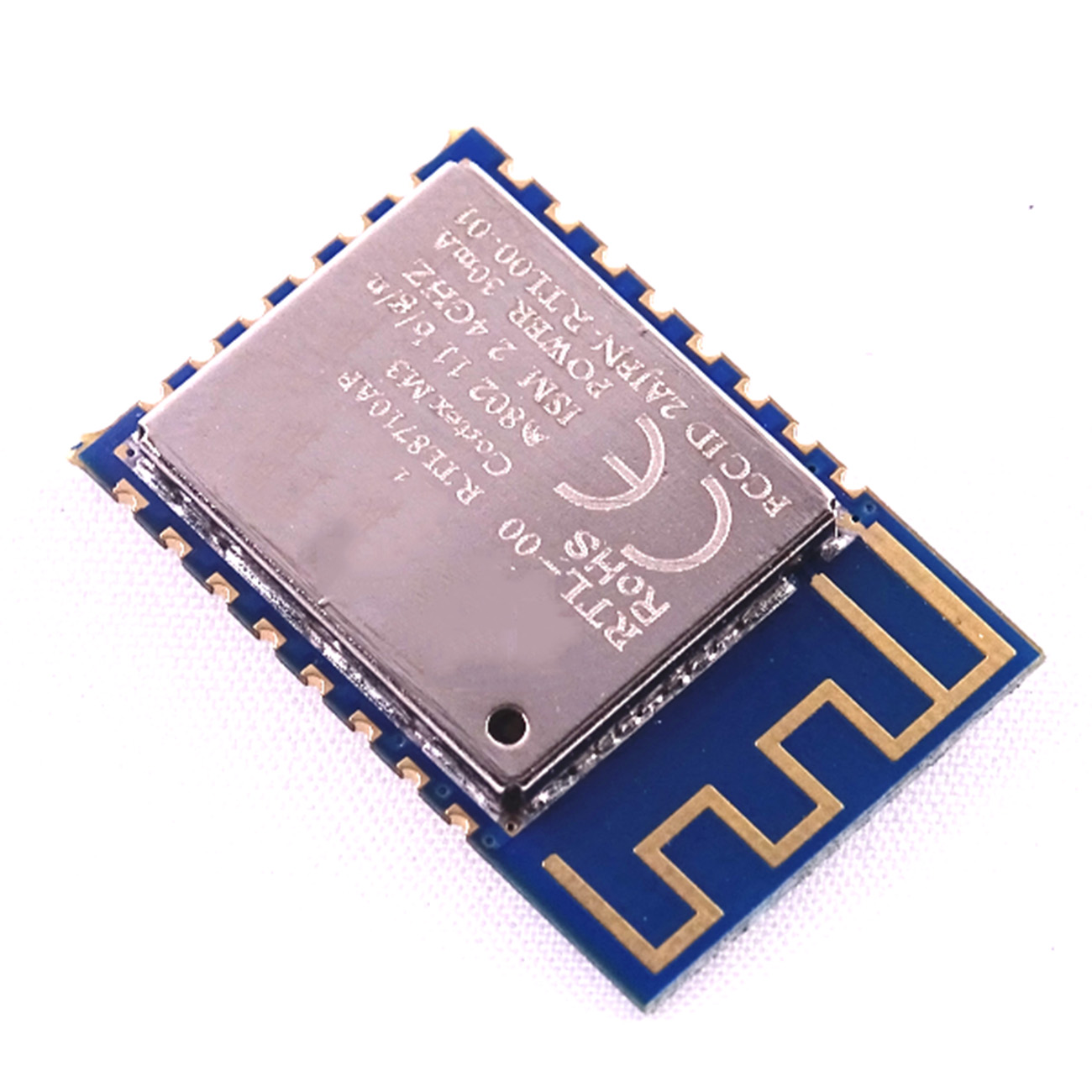
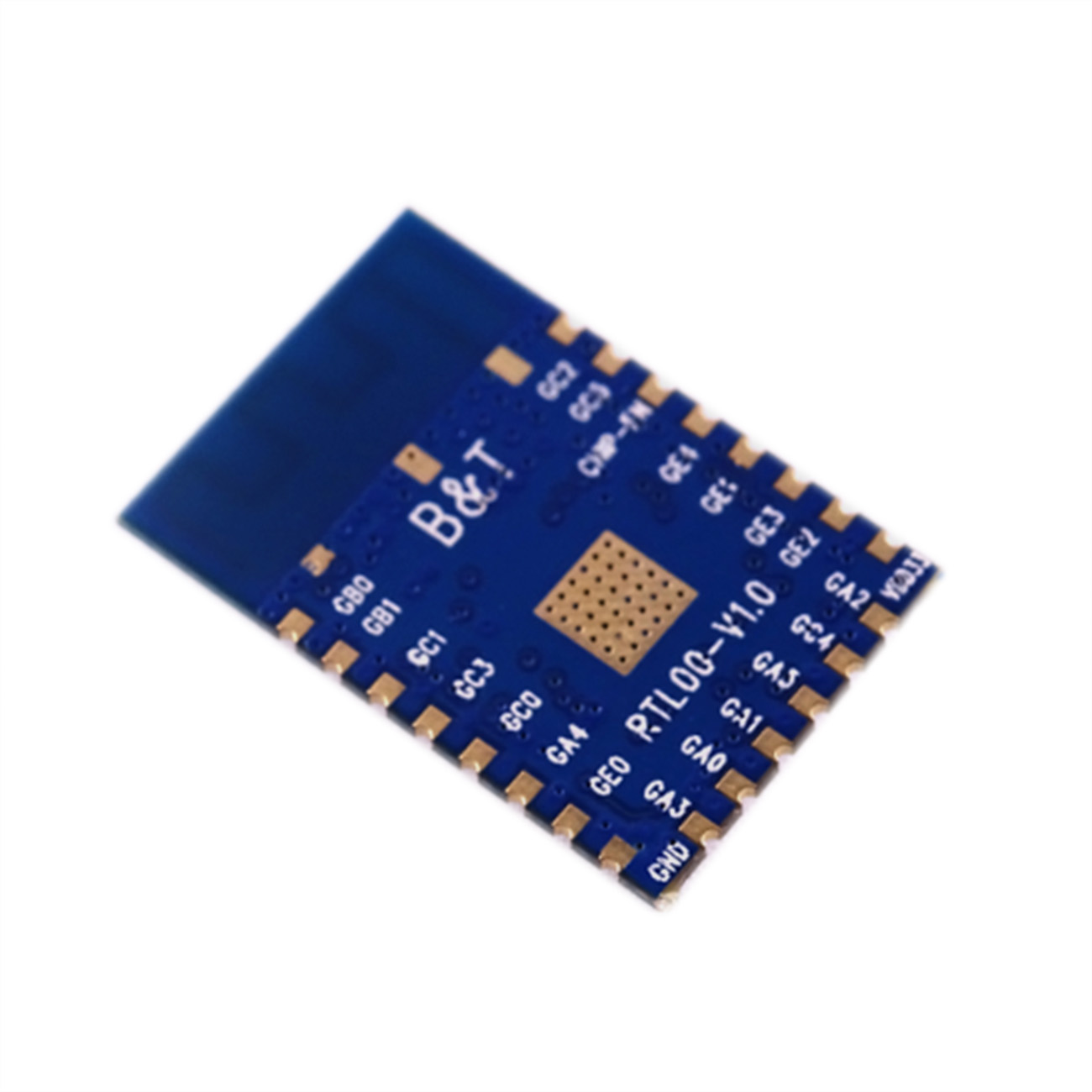
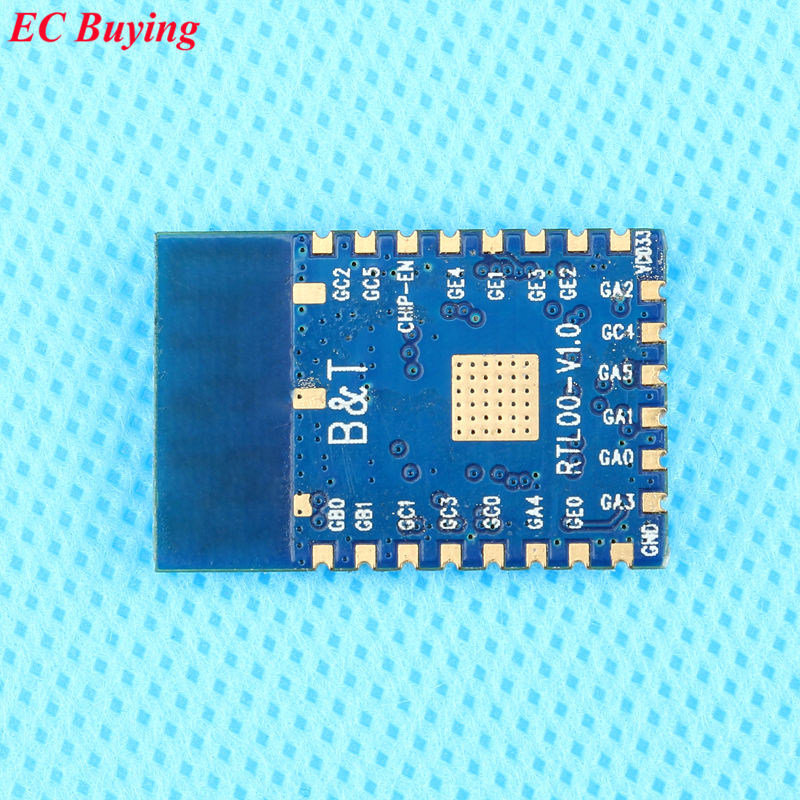
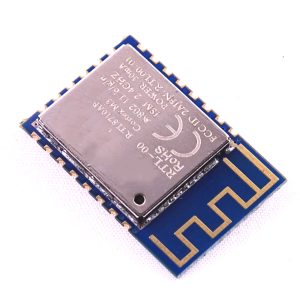
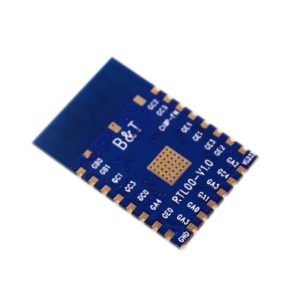
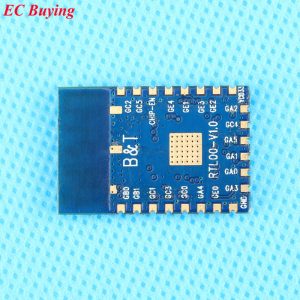
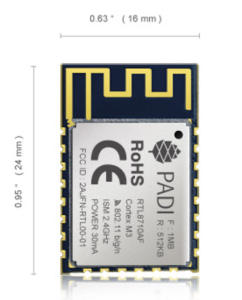
RTL8710AF WiFi Module – 2.4GHz IoT Wireless Module (Pin-to-Pin Compatible with ESP-12E/12F)

SKU: FA1052
Model

RTL8710AF Module

Chipset

Realtek RTL8710AF

Core Architecture

32-bit ARM Cortex-M3

Clock Speed

Up to 83 MHz

Operating Voltage

3.0V to 3.6V (Typically 3.3V)

Wi-Fi Protocols

802.11 b/g/n (2.4 GHz)

Flash Memory

1 MB

SRAM

512 KB

Interfaces

UART, I2C, SPI, I2S, ADC, GPIOs

Antenna Type

Onboard PCB Antenna (External IPEX connector often available as option)

Dimensions

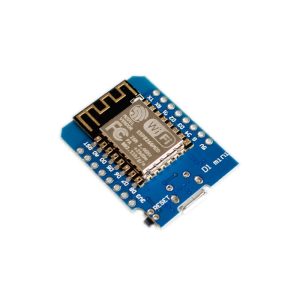
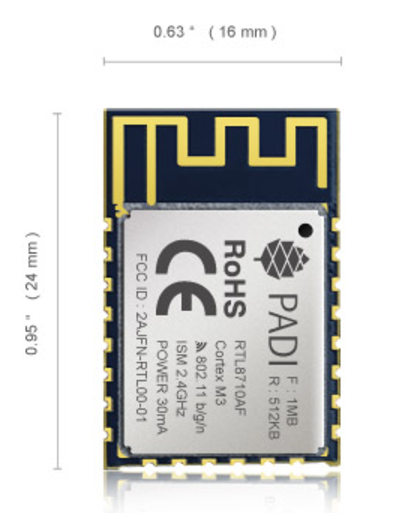
24mm x 16mm (ESP-12 form factor)

Certification

FCC/CE Certified (module dependent, check specific product page)

RTL8710AF WiFi Module: 2.4GHz IoT Wireless Solution (ESP-12 Compatible) 
The RTL8710AF WiFi Module is a highly integrated, low-power, 2.4GHz wireless communication module developed by Realtek. It is designed to be a direct replacement and performance upgrade for the ubiquitous ESP8266 ESP-12E/12F modules, offering pin-to-pin compatibility while incorporating an ARM Cortex-M3 microcontroller core. 
This module combines powerful processing capabilities with robust Wi-Fi connectivity, making it an excellent choice for a wide array of Internet of Things (IoT) applications, including smart home devices, wireless sensors, remote control systems, and embedded networking solutions. Its compatibility with existing ESP-12 footprints allows developers to easily transition to a more powerful hardware platform without extensive redesigns. 

Key Features
  • ESP-12 Pin-to-Pin Compatibility: Designed with the exact same physical dimensions and pin layout as the popular ESP-12E/12F modules, allowing for easy hardware drop-in upgrades.
  • Integrated ARM Cortex-M3 MCU: Features a powerful 32-bit ARM processor (running at up to 83MHz) integrated onto the chip, capable of handling both the Wi-Fi stack and user application logic simultaneously.
  • Robust Connectivity: Supports 802.11 b/g/n Wi-Fi standards (2.4GHz) with integrated PCB antenna.
  • High Memory Capacity: Equipped with 1MB of flash memory, providing ample space for complex applications and firmware updates.
  • Low Power Consumption: Optimized for energy efficiency with various sleep modes, ideal for battery-powered IoT endpoints.
  • Rich Peripherals: Exposes several GPIO pins, I2C, SPI, UART, I2S, and even a built-in ADC for connecting sensors and peripherals directly.
  • Security Features: Supports advanced Wi-Fi security protocols (WPA/WPA2, WEP, WPS) and integrated hardware SSL engines for secure data transmission. 

Technical Parameters (Specifications)
Parameter  Value/Description
Model RTL8710AF Module
Chipset Realtek RTL8710AF
Core Architecture 32-bit ARM Cortex-M3
Clock Speed Up to 83 MHz
Operating Voltage 3.0V to 3.6V (Typically 3.3V)
Wi-Fi Protocols 802.11 b/g/n (2.4 GHz)
Flash Memory 1 MB
SRAM 512 KB
Interfaces UART, I2C, SPI, I2S, ADC, GPIOs
Antenna Type Onboard PCB Antenna (External IPEX connector often available as option)
Dimensions 24mm x 16mm (ESP-12 form factor)
Certification FCC/CE Certified (module dependent, check specific product page)
Usage Instructions
The RTL8710AF module requires a development environment to program the onboard ARM Cortex-M3 MCU. It is a powerful chip but has a steeper learning curve than the Arduino platform. 
Development Environments:
  1. Realtek SDK: The primary way to program the module is using the official Realtek Software Development Kit (SDK) and the G++ ARM toolchain, typically within an IDE like Eclipse. This offers maximum control and performance.
  2. Arduino IDE (Limited Support): There may be community-contributed board packages for the Arduino IDE, but support is less mature than for ESP8266 or ESP32 modules.
  3. Flashing Firmware: The module typically programs via the UART interface, similar to the ESP8266, requiring a USB-to-TTL adapter and specific software tools from the SDK to put the module into bootloader mode and upload code. 
Hardware Connection Notes:
  • Voltage: Operates strictly at 3.3V. Power it with a stable 3.3V source and ensure all logic pins (TX/RX/GPIO) also use 3.3V logic levels.
  • Boot Mode Pins: Specific GPIO pins must be held high or low during power-up to select between normal run mode and firmware download mode (refer to the module’s datasheet for exact pin configuration). 
Q: How is this better than the ESP8266 ESP-12E/F module?

The RTL8710AF has a more powerful 32-bit ARM Cortex-M3 processor (vs. ESP8266’s Tensilica L106), more RAM (512KB vs. ~80KB available to user), and often better certification and security hardware support.

Q: Is it 5V tolerant?

No. The module operates strictly at 3.3V for both power (VCC) and logic levels (I/O pins). Connecting to 5V will permanently damage the module.

Q: Can I use this with the standard Arduino IDE easily?

The primary development environment is the Realtek SDK, which is more complex than the Arduino IDE. Arduino support exists but is community-driven and may lack certain feature support or ease of use compared to the ESP ecosystem.

Q: I am a business buyer/engineer. Is this suitable for commercial deployment?

Yes, absolutely. Realtek is a major semiconductor manufacturer, and this chip is designed for mass-market commercial IoT products where cost, reliability, and certifications are critical factors.

Q: Does this module require an external antenna?

This version typically includes an onboard PCB antenna. Some variants are available with an IPEX connector if you require an external antenna for better range or integration into metal enclosures.