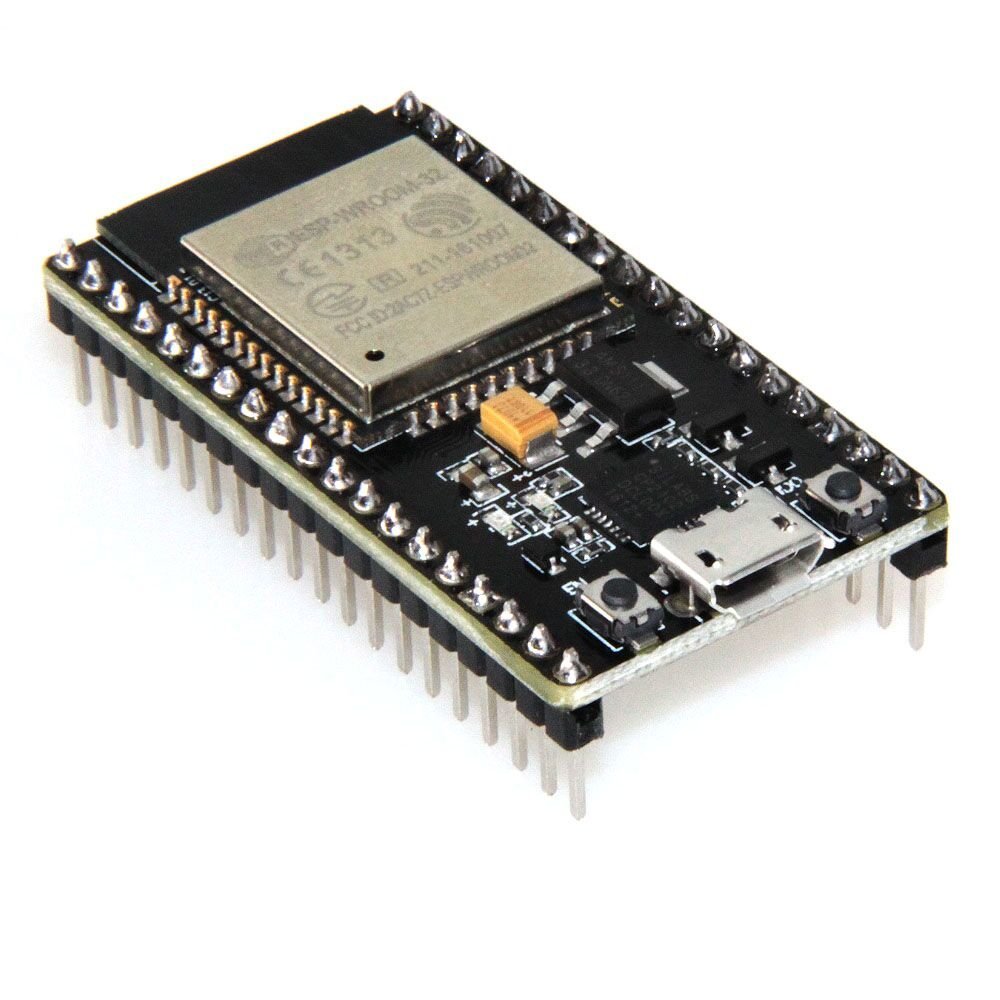
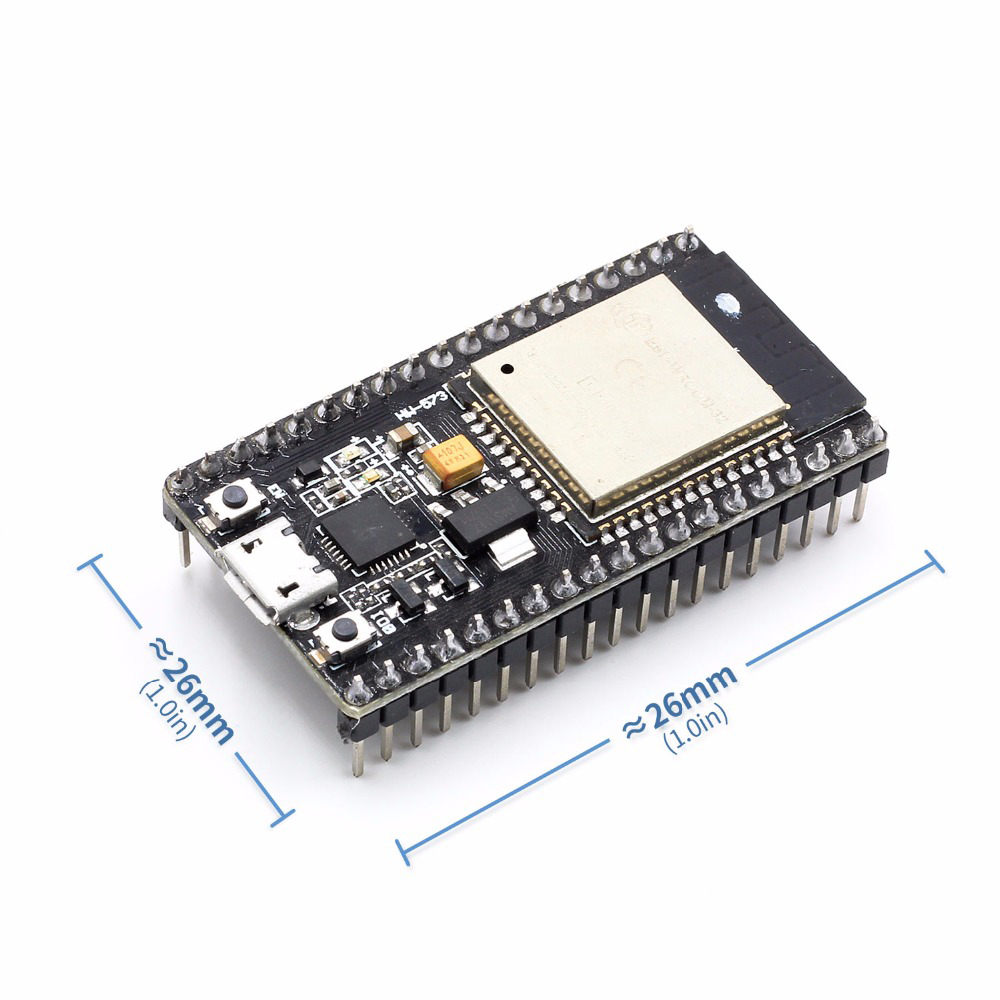
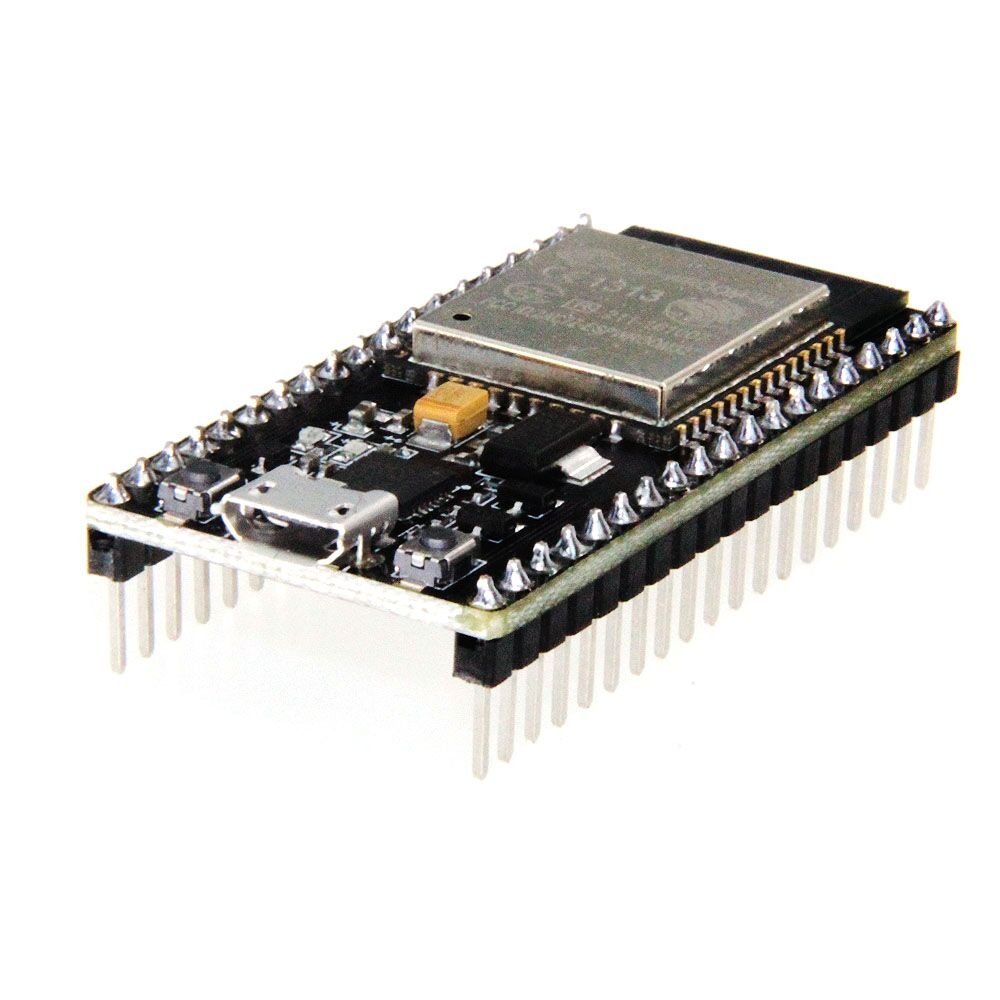
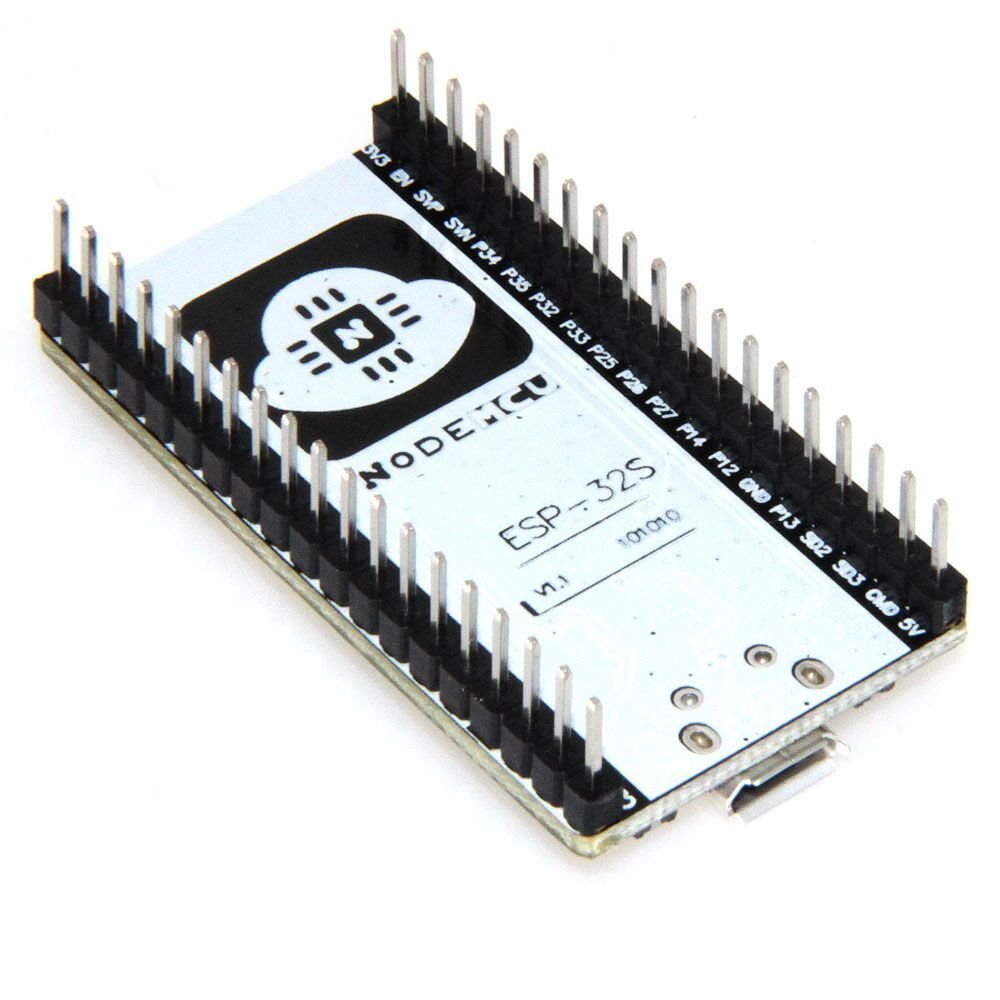
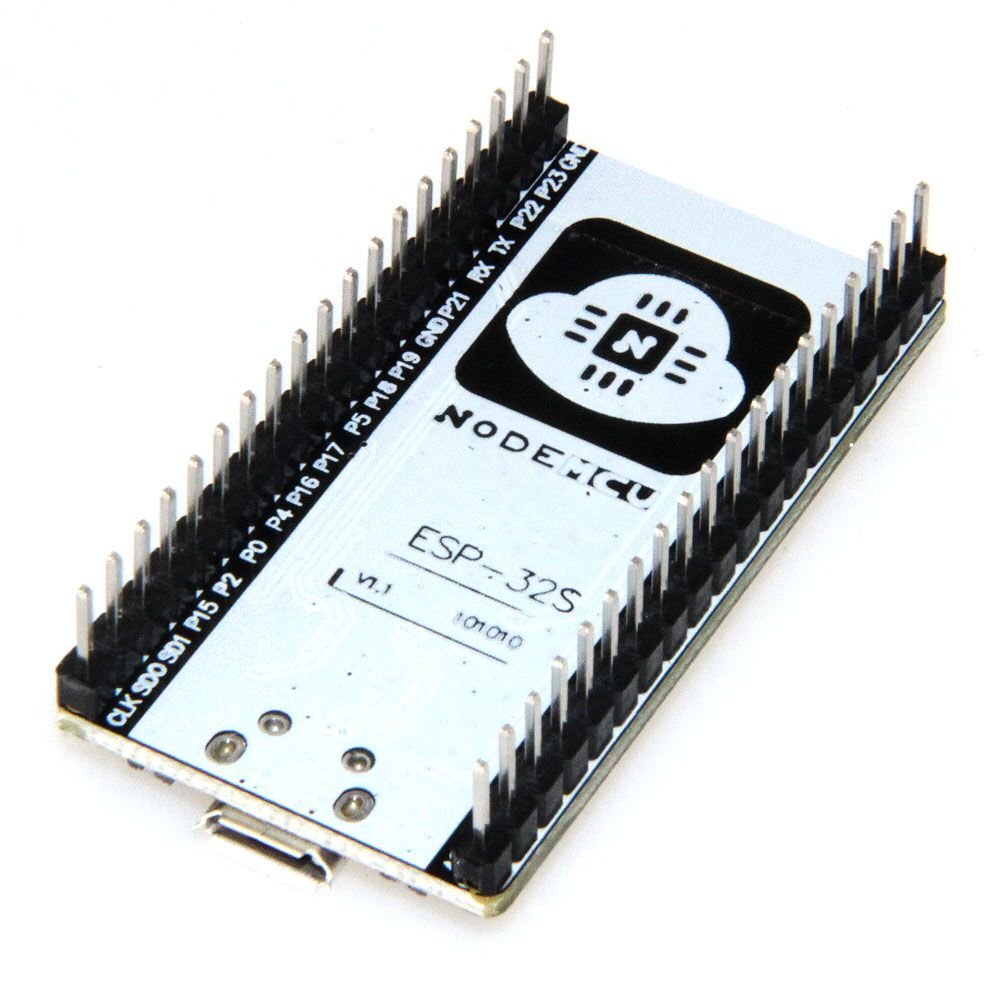
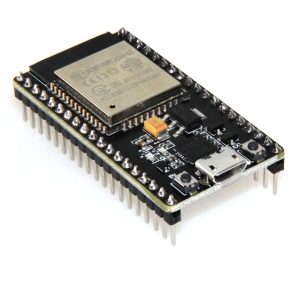
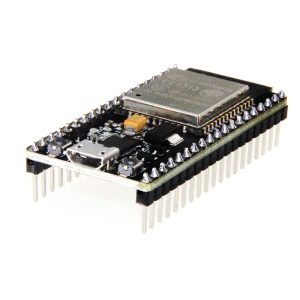
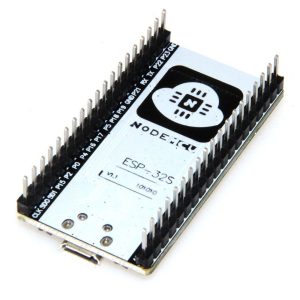
Espressif ESP-WROOM-32 development board is a powerful, generic, and cost-effective solution for a vast range of IoT and embedded system applications. This 30-pin board, equipped with the reliable CP2102 USB-to-UART bridge, offers exceptional performance through its dual-core processor and integrated Wi-Fi and Bluetooth capabilities, all while maintaining ultra-low power consumption. It is ideal for both individual users and businesses looking to rapidly prototype or deploy connected devices.
Description
The ESP-WROOM-32 development board is a highly integrated, small-sized platform designed for ease of use and versatility. At its core is the ESP32-D0WD-V3 chip, featuring a 32-bit Xtensa LX6 dual-core microprocessor that operates at up to 240 MHz, delivering robust processing power for demanding tasks like voice encoding, music streaming, and complex sensor data processing.
This board is a complete wireless solution, offering dual-mode 2.4 GHz Wi-Fi (802.11b/g/n) and Bluetooth (Classic and BLE 4.2), allowing seamless connectivity to the internet via a router or direct communication with mobile devices. The onboard CP2102 chip provides stable and reliable communication with a computer for easy programming and debugging via the Micro-USB port (or Type-C, depending on the specific variant).
Designed with power efficiency in mind, the ESP32 chip utilizes 40nm ultra-low-power technology and offers various power modes, including a deep sleep mode with current consumption less than 5 µA, making it highly suitable for battery-powered or wearable applications. The board’s rich peripheral set, including ADCs, DACs, I²C, SPI, UART, capacitive touch sensors, and a hall effect sensor, provides extensive flexibility for connecting a wide array of external components.
It is fully compatible with popular development environments such as the Arduino IDE and ESP-IDF, ensuring a wide community support base and vast resources for development.
Features
- Dual-Core Processor: Equipped with two Tensilica LX6 cores, clocked at up to 240 MHz, for enhanced performance and multitasking capabilities.
- Integrated Wireless Connectivity: Onboard 2.4 GHz Wi-Fi (802.11b/g/n) and Bluetooth v4.2 BR/EDR and BLE (Bluetooth Low Energy).
- Ultra-Low Power Consumption: Utilizes 40nm technology with fine-grained clock gating and deep sleep modes suitable for battery-powered projects.
- Rich Peripherals: Features 34 programmable GPIOs, 12-bit SAR ADCs, 8-bit DACs, I²C, I²S, SPI, UART, PWM, and touch sensors.
- Easy Programming: Uses the reliable CP2102 USB-to-UART bridge for straightforward programming and debugging via a USB connection.
- Versatile Networking Modes: Supports AP (Access Point), STA (Station), and AP+STA (coexistence) modes.
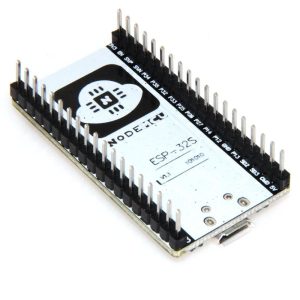
- Compact & Breadboard-Friendly Design: 30-pin configuration allows for easy integration into breadboards and final products.
- Robust & Reliable: Built with an industrial-grade design suitable for functioning in demanding environments.
Parameters
| Feature | Detail |
|---|---|
| Microcontroller | ESP32-D0WD-V3 (ESP-WROOM-32 Module) |
| Processor Cores | Xtensa dual-core 32-bit LX6 |
| Clock Speed | Adjustable from 80 MHz to 240 MHz |
| RAM | 520 KB SRAM |
| Flash Memory | 4 MB SPI Flash |
| Operating Voltage | 3.3V |
| Input Voltage (via 5V pin/USB) | 5V (regulated to 3.3V onboard) |
| Input Voltage Range (External) | 5.0V – 12V (via 5V/GND pins) |
| Connectivity | Wi-Fi (802.11b/g/n), Bluetooth 4.2 BR/EDR & BLE |
| USB Interface | CP2102 USB-to-UART Bridge |
| Pin Count | 30 Pins |
| Operating Temperature | -40°C to +125°C (chip level) |
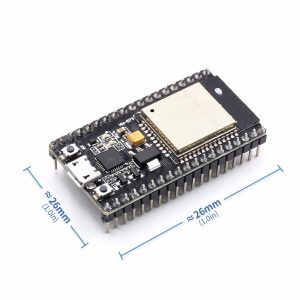
| Dimensions | Approx. 51.5 mm x 28.5 mm |