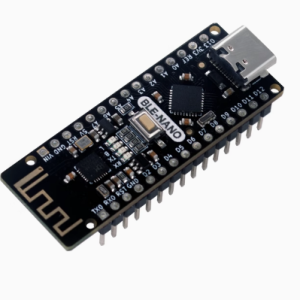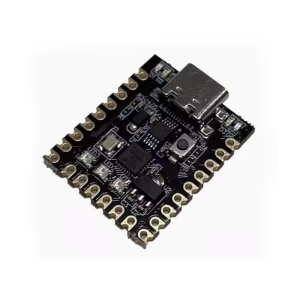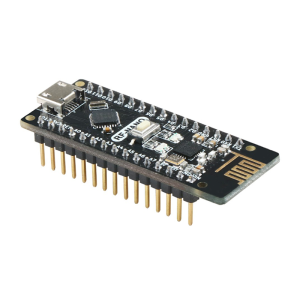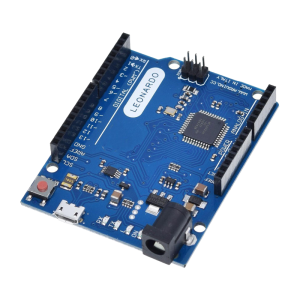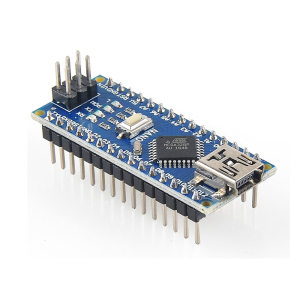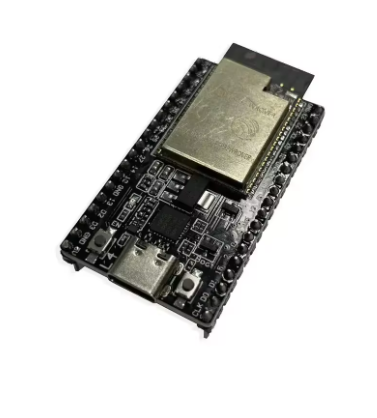
This comprehensive product guide is designed for both individual makers and B2B procurement teams. It details the ESP32-DevKitC specifically configured with the WROVER-N4R8 module, featuring the modern Type-C interface and the stable CP2102 USB-to-UART bridge.
Product Description
The ESP32-DevKitC WROVER-N4R8 is a high-performance, compact development board engineered for the next generation of IoT applications. At its core is the powerful ESP32-WROVER-E module, featuring a dual-core processor, integrated Wi-Fi, and dual-mode Bluetooth.
This specific variant is upgraded with 8MB of PSRAM and 4MB of Flash memory, making it the ideal choice for memory-intensive tasks such as voice processing, AI facial recognition, and large-scale data buffering. The transition to a Type-C interface ensures compatibility with modern hardware and improved power delivery, while the industry-standard CP2102 chip provides rock-solid driver stability across Windows, macOS, and Linux.
Key Features
- Massive Memory (N4R8): Equipped with 4MB Flash and 8MB External PSRAM to handle complex firmware and data-heavy applications.
- Modern Connectivity: The Type-C USB port offers a more durable connection and supports higher current throughput for power-hungry peripherals.
- Dual-Core Processing: Powered by the Xtensa® Dual-Core 32-bit LX6 microprocessor, capable of up to 240 MHz.
- Reliable Logic: The Silicon Labs CP2102 chip ensures seamless serial communication and high-speed firmware flashing without driver “drop-outs.”
- Breadboard Friendly: Slim pin-out design leaves one row of holes free on each side of a standard breadboard for easy prototyping.