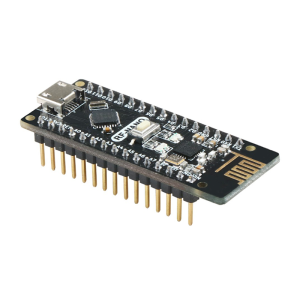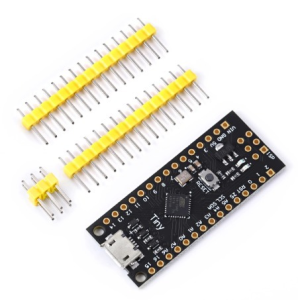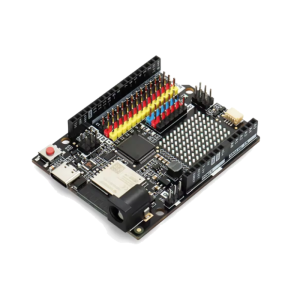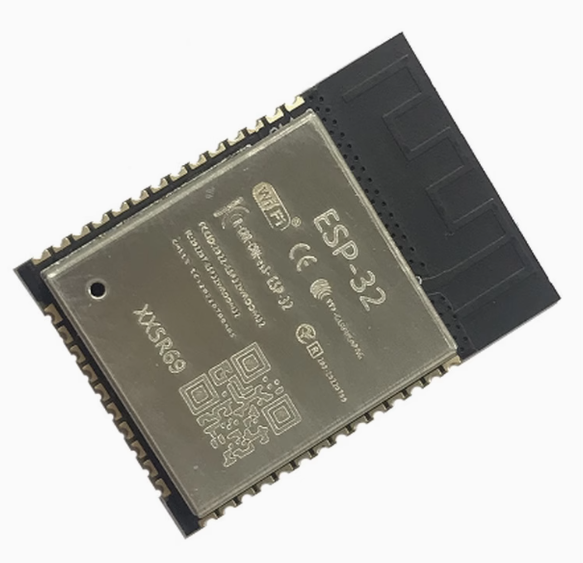
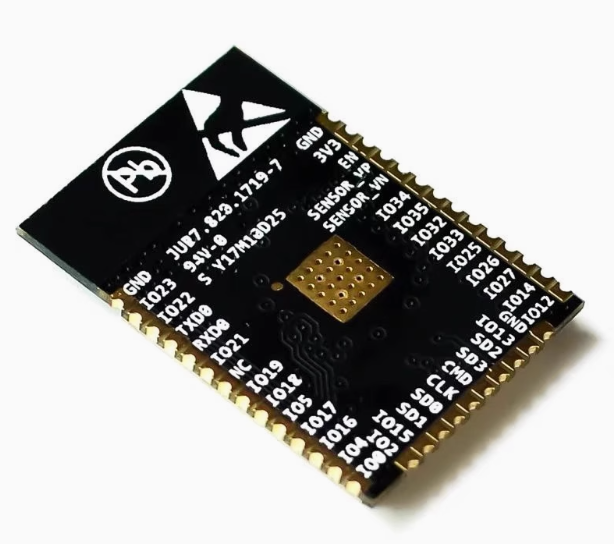
The ESP32 (ESP-32) Dual-Core Module is the industry-standard “System on a Chip” (SoC) designed for high-performance wireless connectivity. This specific version is fully pin-compatible with the ESP-32S footprint, offering a seamless upgrade path for existing hardware designs in 2025. It integrates a powerful dual-core processor, making it the ideal engine for complex IoT applications that require simultaneous Wi-Fi and Bluetooth communication.
Product Description
The ESP-32 Dual-CPU module is a robust, low-power solution for the modern IoT era. At its core is the Xtensa® Dual-Core 32-bit LX6 microprocessor, which allows users to dedicate one core to wireless protocol management and the second core to application logic. This architecture ensures high-speed processing without the latency often found in single-core modules.
Equipped with integrated Wi-Fi and Dual-Mode Bluetooth (Classic + Low Energy), this module serves as a versatile bridge between legacy devices and the cloud. Its compact SMD footprint is designed for both high-volume industrial manufacturing and rapid prototyping for individual engineers. With extensive built-in security features, it provides a safe and reliable platform for smart home, industrial automation, and edge computing.
Key Features
- Dual-Core Processing (Double CPU): Two independent cores capable of up to 240 MHz for maximum multitasking efficiency.
- Hybrid Wireless Connectivity: Integrated 2.4 GHz Wi-Fi (802.11 b/g/n) and Dual-Mode Bluetooth (Classic + BLE).
- Ultra-Low Power Management: Advanced power-saving modes (Deep Sleep as low as 10µA) for battery-operated remote sensors.
- Full ESP-32S Compatibility: Direct drop-in replacement for the ESP-32S module footprint, utilizing the same SMD-38 package.
- Massive I/O Integration: Features 38 pins supporting capacitive touch, Hall sensors, SD card interfaces, Ethernet, high-speed SPI, UART, I2S, and I2C.
- Hardware Security: Built-in cryptographic hardware accelerators for AES, SHA-2, RSA, and ECC to protect data transmission.