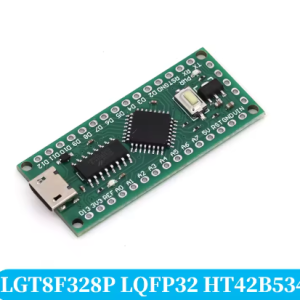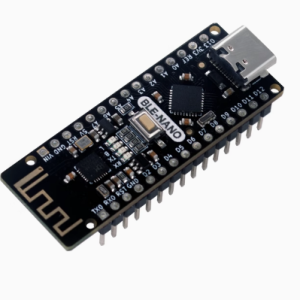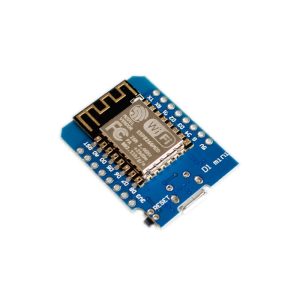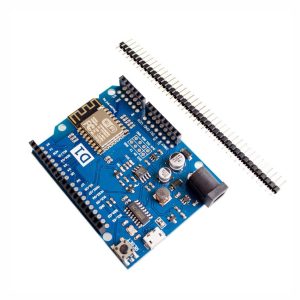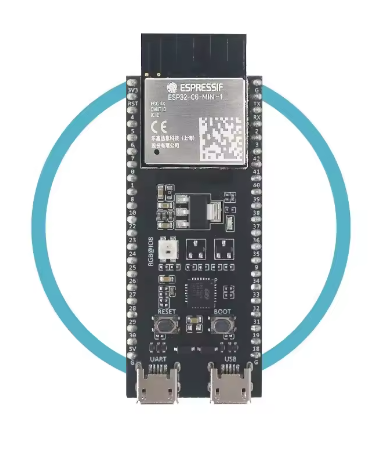
ESP32-C6-DevKitM-1-N4 Development board ESP32-C6

SKU: FA1053-8
Microcontroller

ESP32-C6-MINI-1 (RISC-V Core)

Clock Speed

160 MHz

Flash Memory

4MB (N4 variant)

SRAM

512 KB HP SRAM, 16 KB LP SRAM

Wireless Protocols

Wi-Fi 6, BT 5.3 (LE), Zigbee 3.0, Thread 1.3

Operating Voltage

3.3V (Logic)

Power Supply

5V via USB Type-C or VIN pin

I/O Interfaces

UART, SPI, I2C, I2S, ADC, PWM, SDIO 2.0

USB Controller

Integrated USB-to-Serial/JTAG controller

The ESP32-C6-DevKitM-1-N4 is a next-generation entry-level development board designed for the modern 2026 wireless ecosystem. Based on the ESP32-C6-MINI-1 module, it is the first major SoC from Espressif to support Wi-Fi 6 (802.11ax), making it a critical tool for developers building high-efficiency, low-congestion IoT solutions.
Long Description
The ESP32-C6-DevKitM-1-N4 is built around a high-performance 32-bit RISC-V single-core processor. It is specifically engineered to meet the demands of the 2026 smart home and industrial markets by integrating an unprecedented range of wireless protocols: Wi-Fi 6, Bluetooth 5 (LE), Zigbee, and Thread (802.15.4). This multi-protocol capability makes it the ultimate gateway for Matter-compliant devices.
For business purchasers, the “N4” variant indicates 4MB of Flash memory, providing a stable foundation for industrial automation and commercial lighting systems that require the Target Wake Time (TWT) efficiency of Wi-Fi 6. For individual makers, it offers a future-proof platform to explore the latest in mesh networking and low-power smart home integration using the familiar Arduino or ESP-IDF environments.
Key Features
  • Wi-Fi 6 Technology: Supports the 2.4 GHz 802.11ax protocol, offering better transmission efficiency and lower power consumption via Target Wake Time (TWT).
  • Matter Ready: Full support for Thread and Zigbee allows this board to act as a bridge or terminal in the Matter smart home ecosystem.
  • RISC-V Architecture: Powered by a 160MHz RISC-V 32-bit core, providing modern processing efficiency.
  • Superior Security: Includes secure boot, flash encryption, and hardware cryptographic accelerators (AES, SHA, RSA).
  • Compact Form Factor: The “MINI” module design saves space on breadboards while providing access to nearly all I/O pins.
Usage Instructions
  1. Powering Up: Connect the board to your computer using a USB Type-C data cable.
  2. Environment Setup:
    • Update your Arduino IDE to the latest version.
    • In the Board Manager, ensure the ESP32 board package is version 3.0.0 or higher to support the C6 series.
  3. Board Selection: Select “ESP32-C6 Dev Module” from the Tools menu.
  4. Wi-Fi 6 Programming: When utilizing Wi-Fi 6 features, ensure your router supports 802.11ax to test the advanced power-saving (TWT) features.
  5. Peripherals: Use the onboard RGB LED (usually GPIO 8) to test your first “Blink” sketch and verify board functionality.
Q: Does the ESP32-C6 support 5GHz Wi-Fi?

No. While it supports Wi-Fi 6 (802.11ax), it operates exclusively on the 2.4GHz band. It is designed for long-range and high-efficiency IoT connections rather than high-bandwidth 5GHz streaming.

Q: Can I run Zigbee and Wi-Fi at the same time?

Yes. The ESP32-C6 supports concurrent use of its wireless stacks, making it an ideal candidate for a Matter Border Router that bridges Wi-Fi devices to a Thread/Zigbee mesh network.

Q: Is it pin-compatible with the ESP32-DevKitC-v4?

No. The DevKitM-1 has a smaller footprint. Always refer to the specific pinout diagram for the C6-DevKitM-1 before connecting external hardware.

Q: What is the benefit of the RISC-V core over the older LX6/LX7 cores?

The RISC-V architecture is an open-standard core that is more energy-efficient and provides a standardized instruction set, which is becoming the new industry standard for IoT devices in 2026.

Q: How do I put the board into Download Mode if it isn't recognized?

Hold the BOOT button, press the RESET button once, and then release the BOOT button. The board will enter serial bootloader mode, allowing you to flash firmware via the USB-C port.