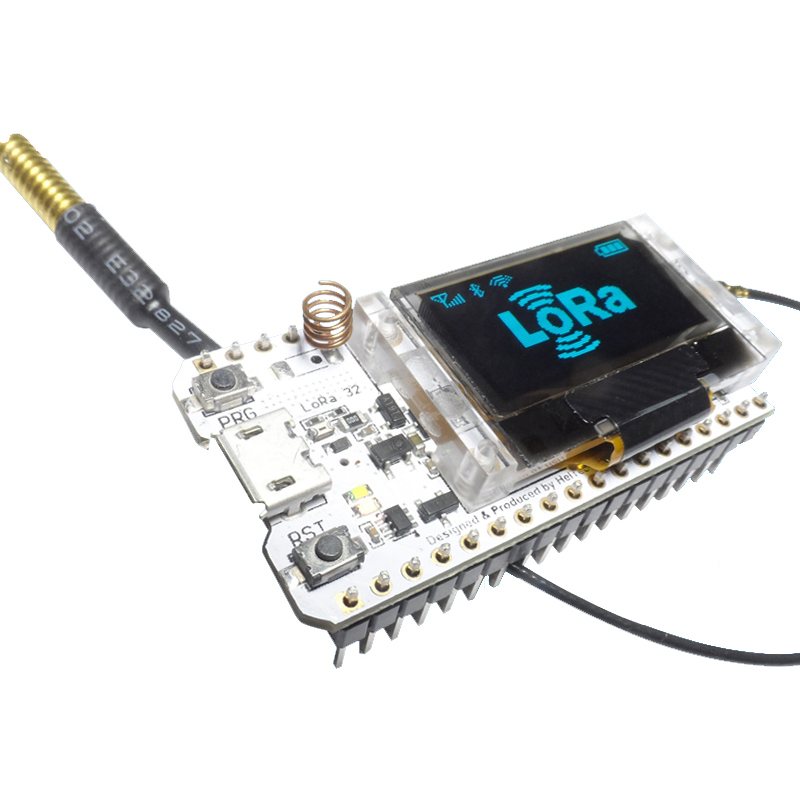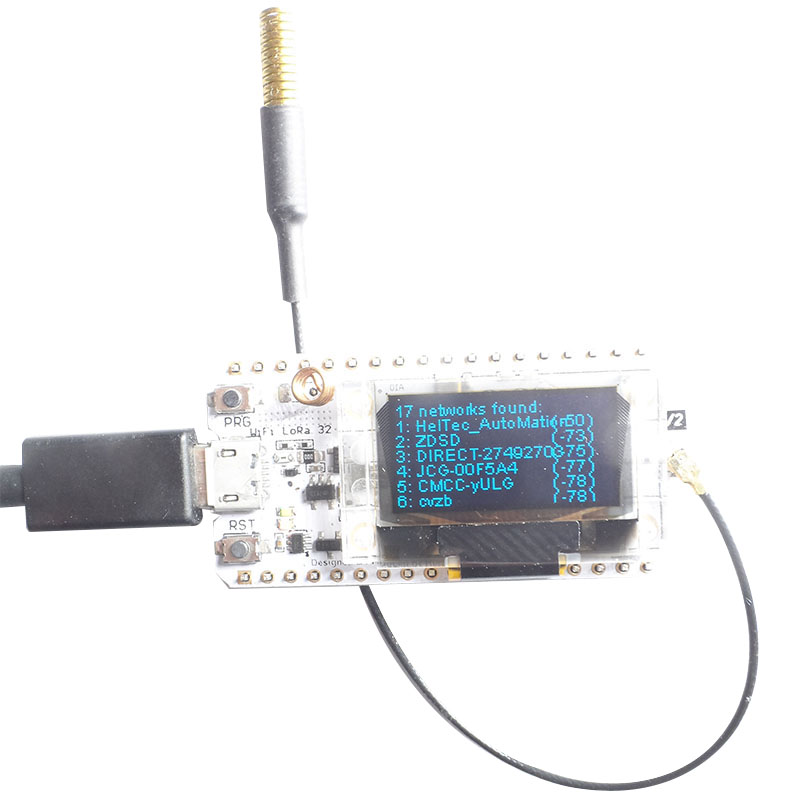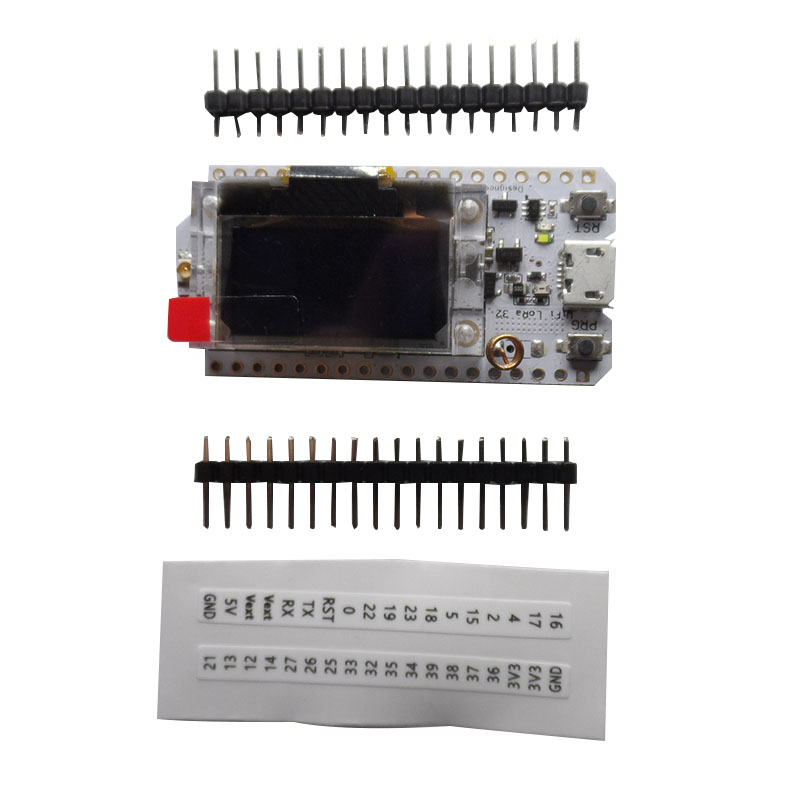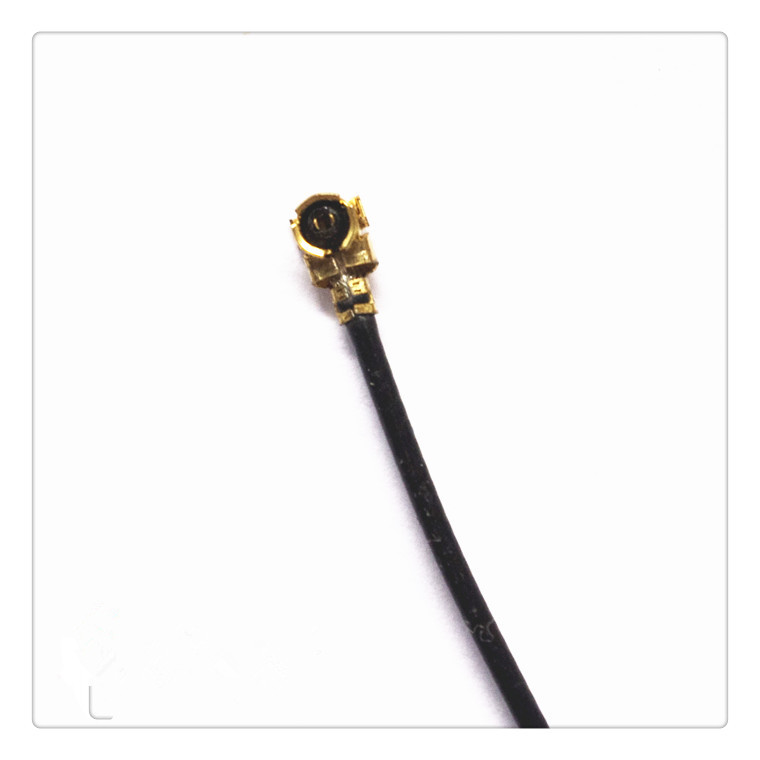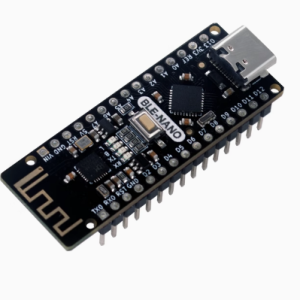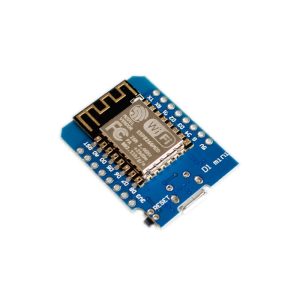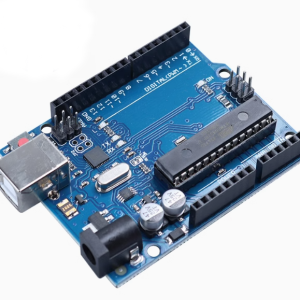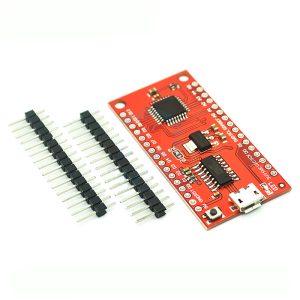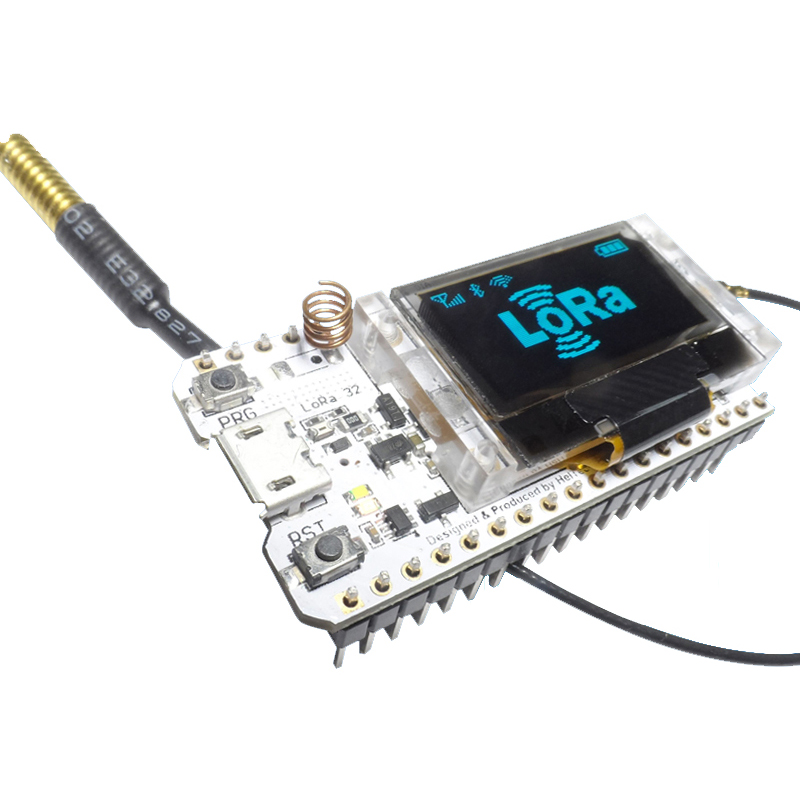
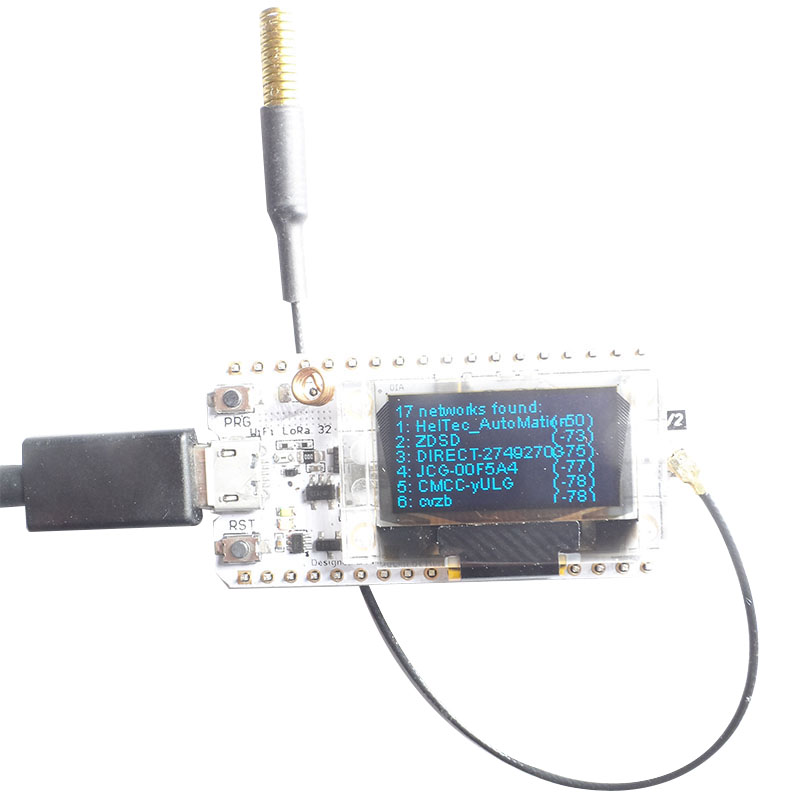
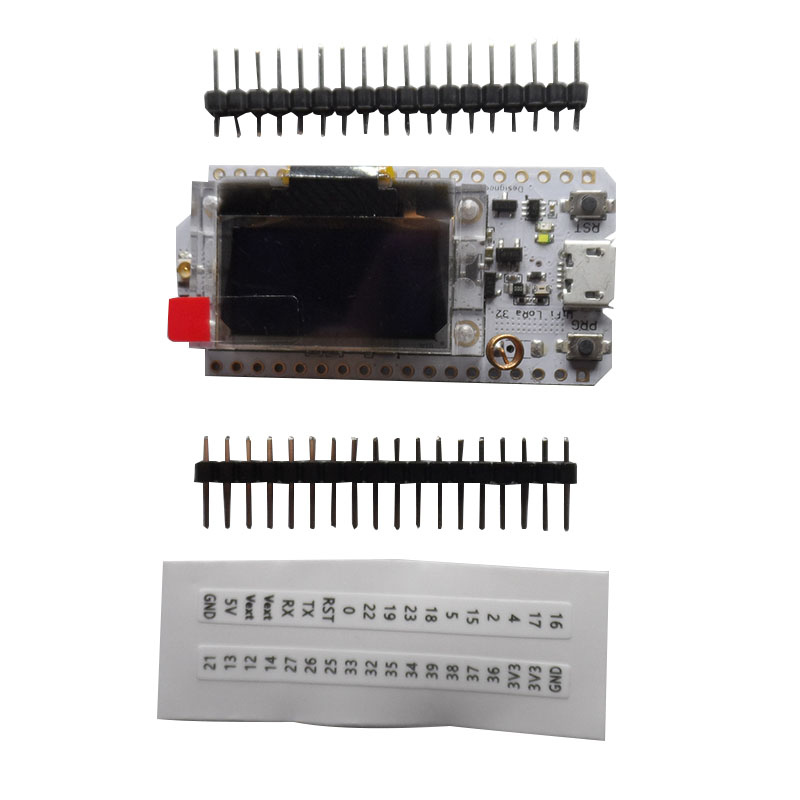
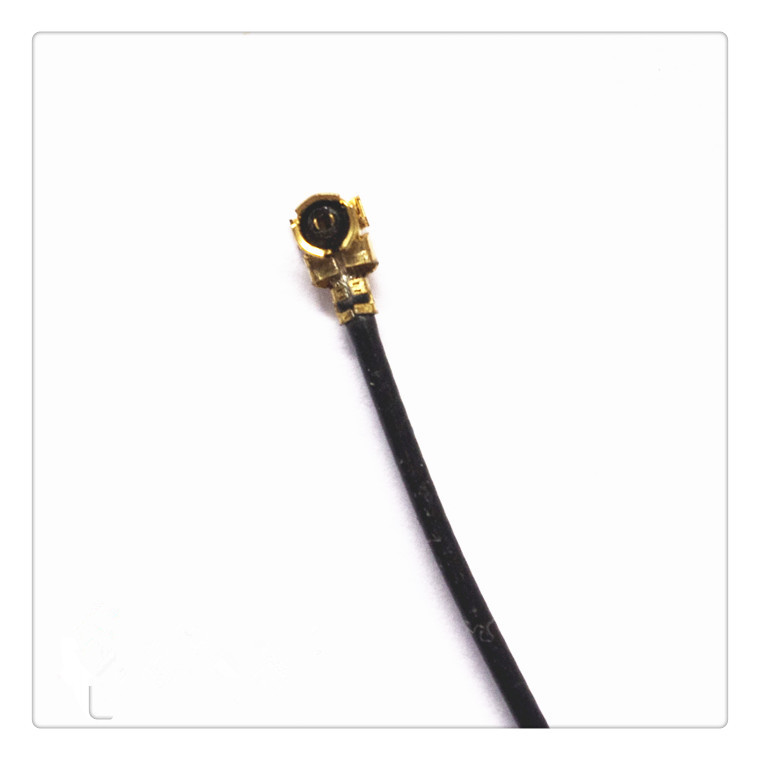
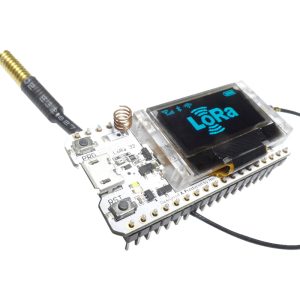
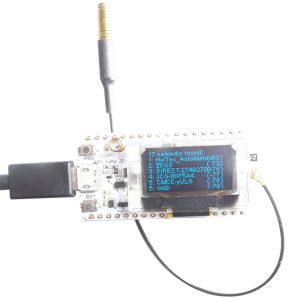
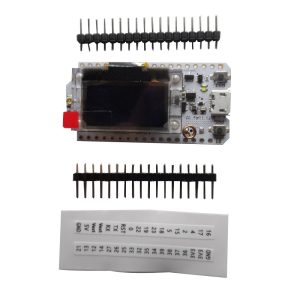
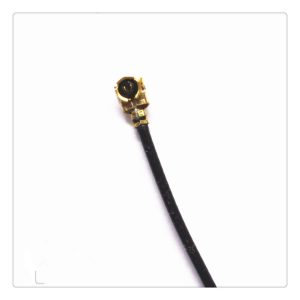
The LoRa32-V3 Pro Development Board (also known as the Heltec WiFi LoRa 32 V3) is a versatile IoT development board integrating an ESP32-S3 microcontroller with a Semtech SX1262 LoRa transceiver, Wi-Fi, Bluetooth, and an onboard OLED display for a robust, all-in-one solution. It is specifically designed for long-range, low-power communication applications and supports popular open-source platforms like Meshtastic and the Arduino environment.
Long Product Description
The Heltec WiFi LoRa 32 V3 development board is the premier platform for engineers and hobbyists building the next generation of Internet of Things (IoT) solutions. Powered by the efficient Xtensa 32-bit LX7 dual-core ESP32-S3 processor and the low-power SX1262 LoRa node chip, this board offers unparalleled triple-network connectivity: Wi-Fi, Bluetooth 5 (LE), and long-range LoRaWAN communication.
Designed with a user-friendly approach, the board features a bright 0.96-inch 128×64 pixel OLED display for real-time debugging information and battery status, eliminating the need for external screens during development. It integrates a complete lithium battery management system (including charge/discharge protection, overcharge protection, and power detection), along with a Type-C USB interface for modern connectivity, programming, and power supply. With robust ESD protection, RF shielding, and a low deep-sleep current of less than 10uA, the V3 board ensures reliability for both rapid prototyping and durable field deployments in applications like smart cities, remote agriculture, and off-grid mesh networks (Meshtastic).
Key Features
- Triple-Network Connectivity: Integrated Wi-Fi (802.11 b/g/n), Bluetooth 5 (BLE), and LoRa for versatile IoT communication solutions.
- Powerful Microprocessor: Utilizes the ESP32-S3FN8 dual-core processor running at up to 240 MHz for high-speed data handling.
- Long-Range LoRa: Features the Semtech SX1262 transceiver chip, capable of up to 2.8 km communication distance in open areas with high receiver sensitivity (-139 dBm).
- Onboard OLED Display: A 0.96-inch 128×64 dot matrix OLED display provides essential status and debugging information.
- Advanced Power Management: Includes an integrated lithium battery management system with a SH1.25-2 connector, supporting automatic USB/battery power switching and real-time battery monitoring.
- Modern Interface: Equipped with a USB Type-C port for easy programming (via the integrated CP2102 USB-to-serial chip) and power supply.
- Meshtastic Ready: Fully compatible with the Meshtastic open-source firmware for building off-grid, decentralized mesh communication networks.