Description
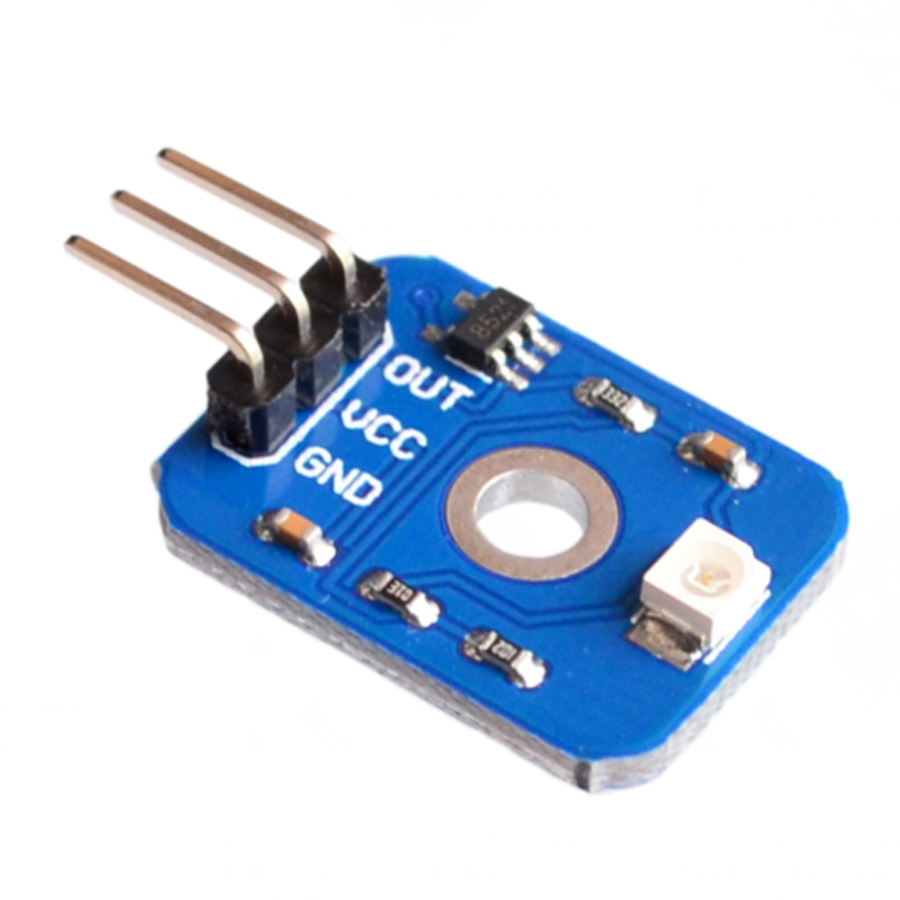
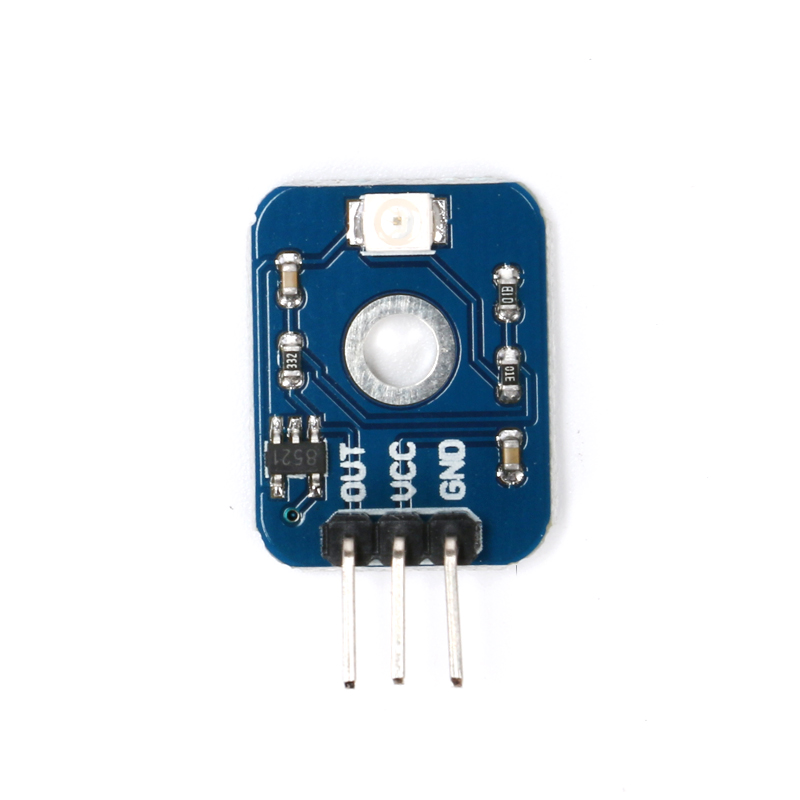
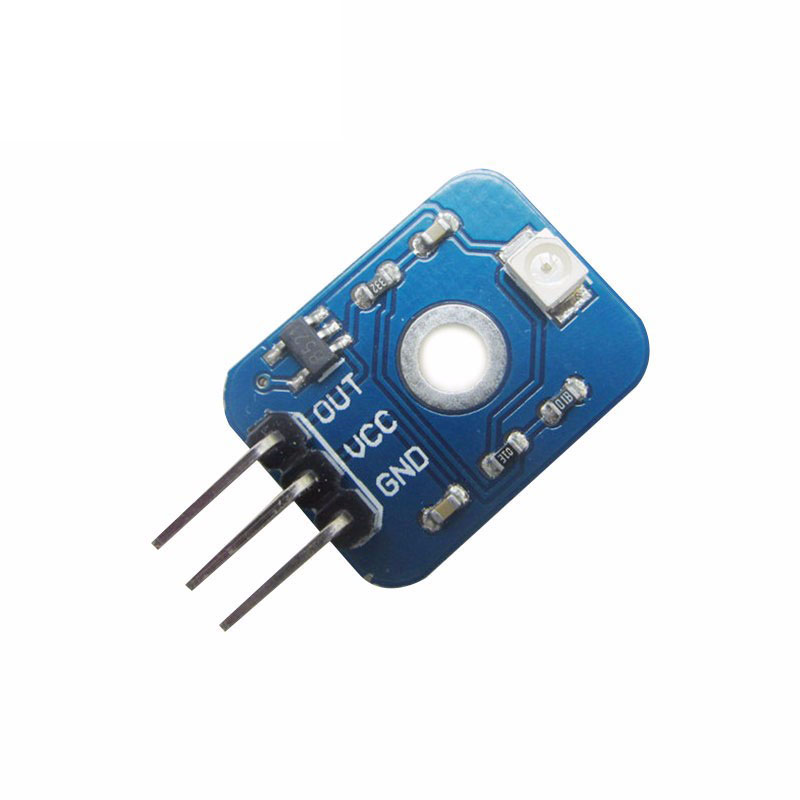
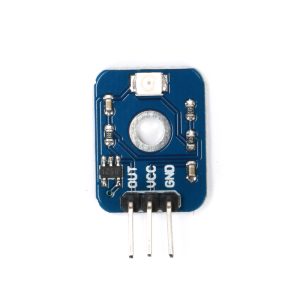
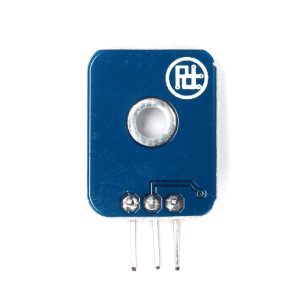
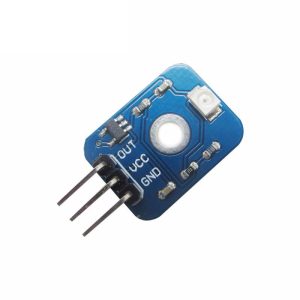
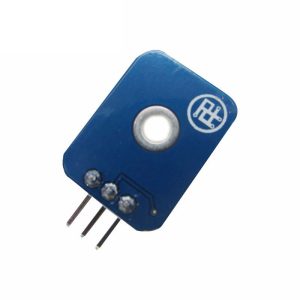
The Digital UV Sensor Module is an ultraviolet radiation detection board designed for environmental monitoring, UV exposure tracking, and IoT applications. Unlike simple analog UV sensors that require the host to perform complex calculations, digital variants process the raw sensor data onboard and output a UV Index value directly over a standard digital interface, simplifying integration with Raspberry Pi, Arduino, and other microcontroller platforms.
The module responds to UVA and UVB wavelengths (typically covering 280–430nm depending on the specific chip), allowing it to detect the portion of sunlight responsible for skin damage and material degradation. The UV Index output provides a standardized 0–11 (or 0–15 for industrial variants) scale that corresponds to the WHO Global Solar UV Index, eliminating the need for manual conversion formulas.
Typical applications include smart home UV monitoring, wearable sun exposure trackers, agricultural light management, and outdoor safety alerts. The module operates from 3.3V to 5V, making it compatible with most hobbyist and IoT platforms, and communicates via I2C or UART depending on the variant.
Critical limitations: The “0-15 UV Index” claim in your title is not standard—most consumer-grade digital UV sensors output 0–11 (the WHO UV Index scale tops out at 11+ for “extreme” exposure, with values above 11 rarely displayed). The DFRobot Gravity UV Index Sensor (SEN0636) outputs 0–11 . Only the industrial RS485 sensor (SEN0642) outputs 0–15 . Verify which product you have. Additionally, UV Index is calculated from raw UV intensity, not measured directly—the accuracy depends on the sensor’s spectral response matching the erythema action spectrum, which varies between chips.
Features
-
Direct UV Index Output (Select Variants): Some digital modules output UV Index without host-side calculation .
-
UVA/UVB Wavelength Detection: Covers the spectral range responsible for skin damage (typically 280–430nm) .
-
Digital Interface (I2C/UART): Simple connection to Raspberry Pi, Arduino, and IoT devices .
-
Wide Supply Compatibility (3.3V–5V): Works with both logic levels.
-
Compact Module: Small footprint suitable for wearable and portable designs .
-
High Sensitivity and Anti-Interference: Designed for stable outdoor readings .
-
Arduino/Raspberry Pi Support: Libraries and example code available for popular platforms .
Technical Specifications
| Parameter | Specification (Typical Digital Variant) |
|---|---|
| Sensor Chip | LTR390 / VEML6070 / Proprietary (verify) |
| UV Wavelength Range | 280–430nm (varies by chip) |
| UV Index Output | 0–11 (Gravity SEN0636) or 0–15 (RS485 SEN0642) |
| Interface | I2C (0x23 or 0x38) / UART |
| Supply Voltage | 3.3V – 5V |
| Operating Current | ~2.7mA (LTR390) |
| Operating Temperature | -30°C to +80°C |
| Dimensions | ~30 × 22mm |
Reviews
There are no reviews yet.