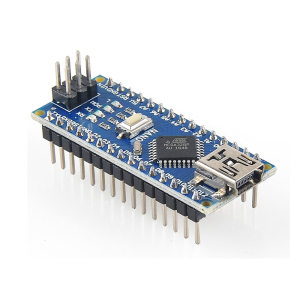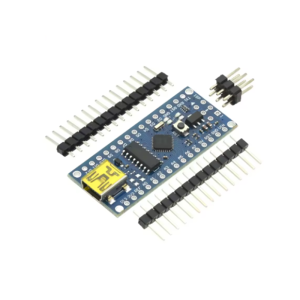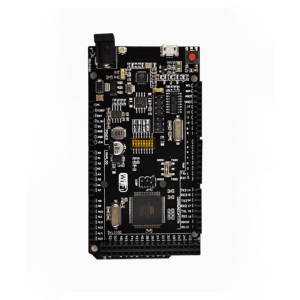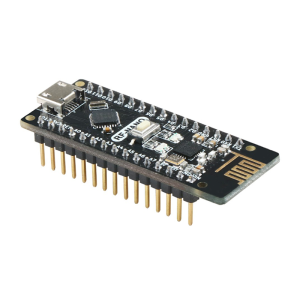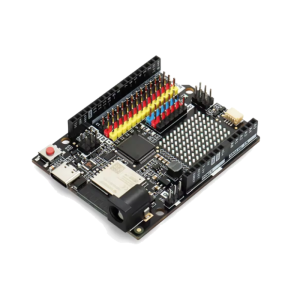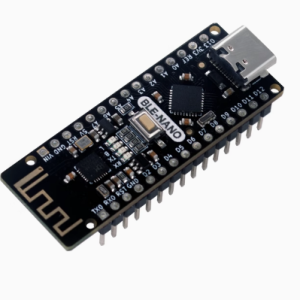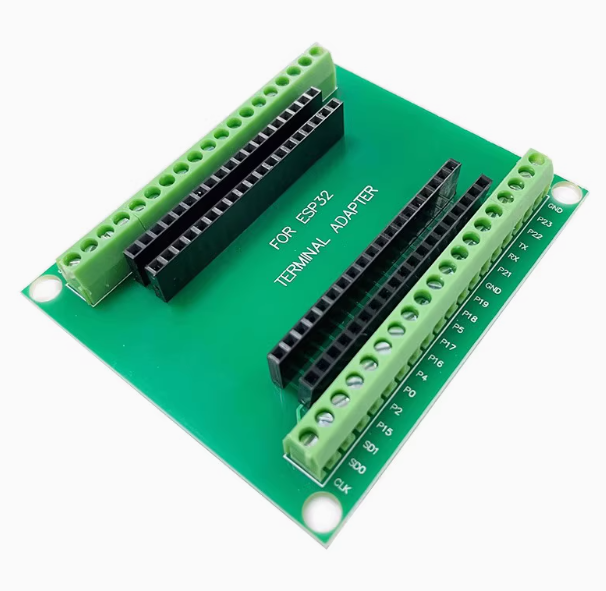
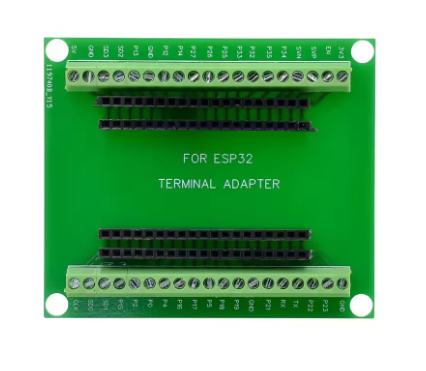
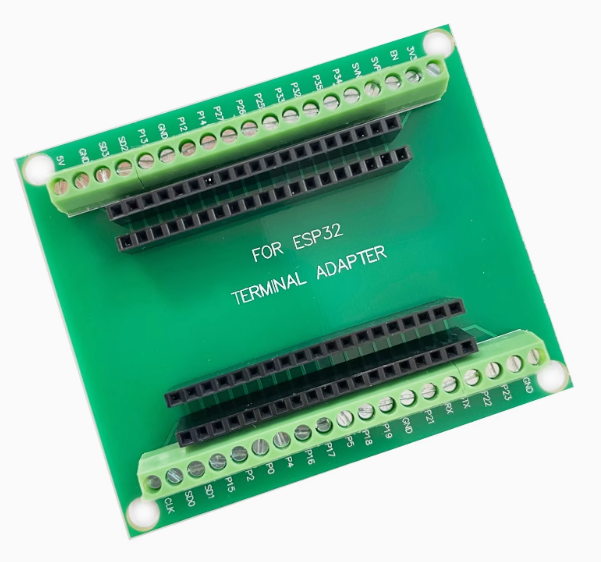
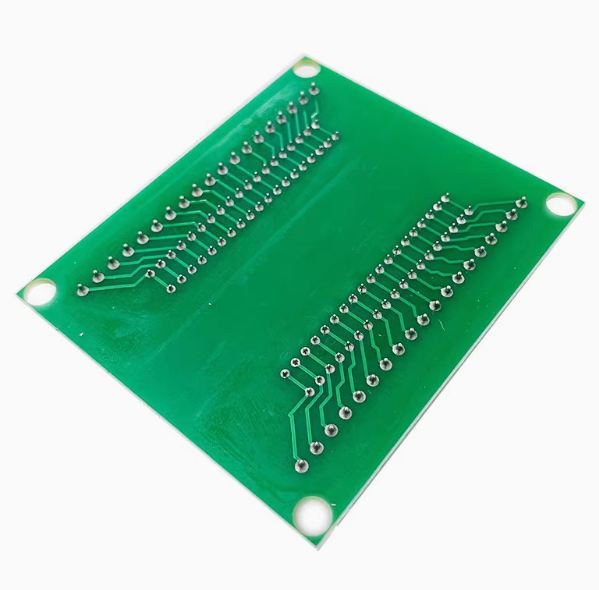
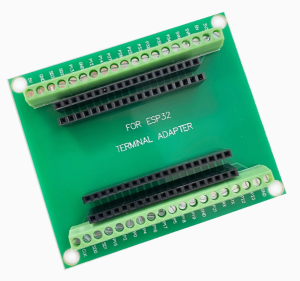
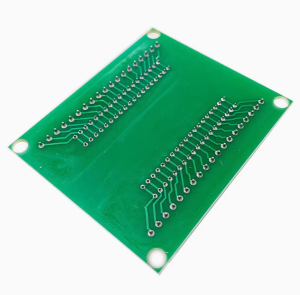
ESP32-DevKitC development board for 38PIN ESP32 baseboard 25.5mm

SKU: FA1053-0-3
Core Module

ESP32-WROOM-32 (38-Pin Variant)

Processor

Dual-core 32-bit LX6 (Up to 240 MHz)

Pin Spacing

25.5mm (Pin-to-Pin Row Width)

Memory

4MB Flash / 520KB SRAM

Baseboard Input

DC 6.5V – 12V (Via Barrel Jack)

USB Interface

Micro-USB or Type-C (Depending on core board selection)

Logic Voltage

3.3V

Output Rails

3.3V and 5.0V

This 38-Pin ESP32 Development Board with Specialized 25.5mm Baseboard (Expansion Shield) is a precision-engineered prototyping kit. It is designed for the modern 38-pin version of the ESP32-DevKitC, featuring a narrow-profile baseboard that accommodates the 25.5mm pin spacing commonly found in the latest module iterations in 2025.

Product Description
The ESP32-DevKitC 38-Pin kit is a powerful, dual-core wireless platform optimized for high-density IO projects. By pairing the core ESP32-WROOM-32 module with a specialized 25.5mm width baseboard, this kit solves the most common frustration in IoT development: fitting the wide ESP32 board into a project without losing access to ground and power rails.
The expansion baseboard is a dedicated power and signal hub. It breaks out all 38 pins into clearly labeled “GVS” (Ground-Voltage-Signal) headers, allowing you to connect sensors and servos using standard 3-pin jumper cables. With an onboard DC Barrel Jack and integrated voltage regulators, this setup provides a stable 5V and 3.3V environment, preventing the “brown-out” resets often caused by powering peripherals solely through a computer’s USB port.
Key Features
  • Precision 25.5mm Fit: Specifically designed to seat the 38-pin ESP32-DevKitC perfectly, ensuring all pins make a secure, low-resistance connection.
  • Dual-Core Performance: Powered by the Xtensa® 32-bit LX6 processor (up to 240MHz), supporting simultaneous Wi-Fi and Bluetooth tasks.
  • Professional Power Management: The baseboard accepts 6.5V to 12V DC input, regulating it down to clean 3.3V/5V rails for external hardware.
  • “GVS” Header Layout: Every GPIO pin is grouped with a dedicated Power (V) and Ground (G) pin, drastically simplifying wiring for sensors and actuators.
  • Hybrid Connectivity: Fully compatible with Wi-Fi 802.11 b/g/n and Dual-mode Bluetooth (Classic and BLE).
  • Mounting Ready: The baseboard includes four 3mm mounting holes for secure installation in industrial control boxes or 3D-printed enclosures.
Usage Scenarios
  • Industrial Prototyping: Rapidly build and test wireless gateways, PLC-to-Cloud bridges, and environmental monitoring stations with secure screw-down or mountable hardware.
  • Smart Home Development: The 38-pin access makes it ideal for complex home automation hubs using ESPHome or Home Assistant.
  • Education & STEM: Provides a clean, “no-solder” environment for students to learn embedded systems without the risks associated with loose breadboard wires.
Q: How do I know if my ESP32 is the 25.5mm version?
Measure the distance between the two rows of pins on your ESP32 board. If the center-to-center distance is 25.5mm, this baseboard is the correct fit. (The older, wider boards are typically 28mm).
Q: Can I use the DC Jack and the USB port simultaneously?

Yes. The board is equipped with protective diodes. You can use the DC Jack to provide high-current power to your sensors/motors while the USB port is connected to your PC for programming.

Q: Why choose the 38-pin version over the 30-pin?

The 38-pin version breaks out more of the ESP32’s internal GPIOs, giving you more options for SPI, I2C, and UART peripherals, as well as additional Ground and Power pins.

Q: Do I need to install drivers?
This depends on the serial chip on your DevKitC (usually CP2102 or CH340). Most modern 2025 operating systems recognize these automatically, but official drivers are available for download if the COM port does not appear.
Q: Can this board drive 5V servos?
Yes. When powering the baseboard via the DC Jack, the “V” pins on the 5V rail can provide the necessary current for standard servos, which the ESP32 chip itself cannot do alone.
Q: Is the core board removable?
Yes, the ESP32-DevKitC sits in female headers on the baseboard and can be unplugged for use in other projects or replaced if needed.