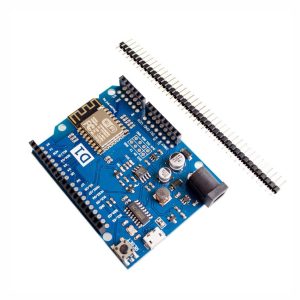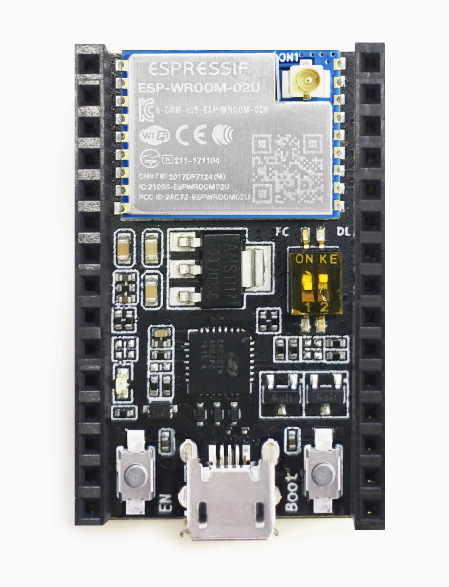
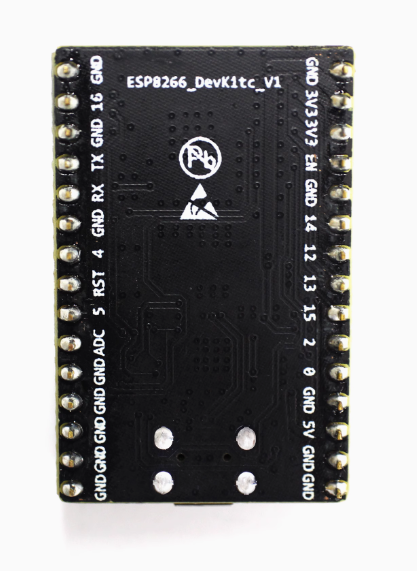
The ESP8266-DevKitC-02U is a specialized version of Espressif’s official development series, featuring the ESP-WROOM-02U module. Unlike standard boards with PCB antennas, this version is equipped with a U.FL (IPEX) connector, making it the definitive choice for 2026 industrial IoT applications that require external antennas for maximum range or signal penetration through metal enclosures.
Long Description
The ESP8266-DevKitC-02U is designed to provide professional-grade Wi-Fi connectivity in challenging environments. By utilizing the ESP-WROOM-02U module, this board allows developers to bypass the limitations of internal antennas. Users can connect high-gain external antennas to maintain stable 2.4GHz Wi-Fi links in industrial settings, outdoor enclosures, or long-distance monitoring stations.
For business purchasers, this board is a low-risk, highly reliable solution for commercial appliances and industrial “internet-of-things” upgrades. It features the mature ESP8266EX chipset, which offers years of field-proven stability and global regulatory certifications. For individual makers, it provides the same ease of use as the classic ESP8266, including a built-in USB-to-Serial converter and voltage regulator, but with the added flexibility of custom antenna configurations for advanced hobbyist projects.
Key Features
- External Antenna Support: Integrated U.FL (IPEX) connector for connecting specialized 2.4GHz antennas.
- Industrial-Grade Stability: Features the ESP-WROOM-02U, designed to operate reliably in temperatures ranging from -40°C to +85°C.
- Breadboard Friendly: Slim form factor ensures that the board fits into standard breadboards while leaving pins accessible for jumper wires.
- Automatic Bootloader: One-click programming via Micro-USB; no need to manually hold buttons to enter Flash mode.
- Mature Ecosystem: Full compatibility with the Arduino IDE, MicroPython, and the Espressif RTOS SDK.