Product Description
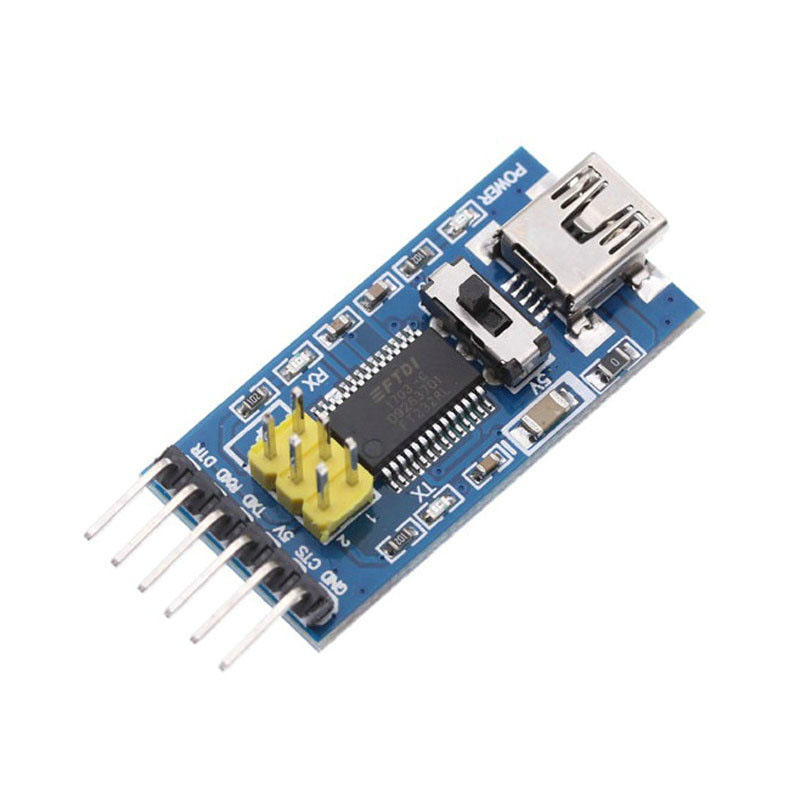
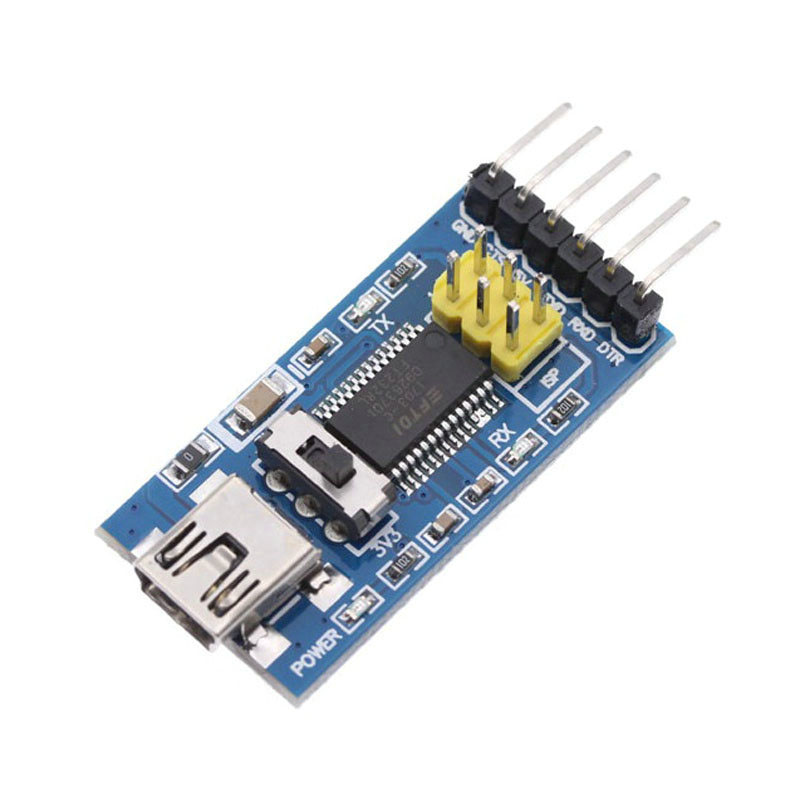
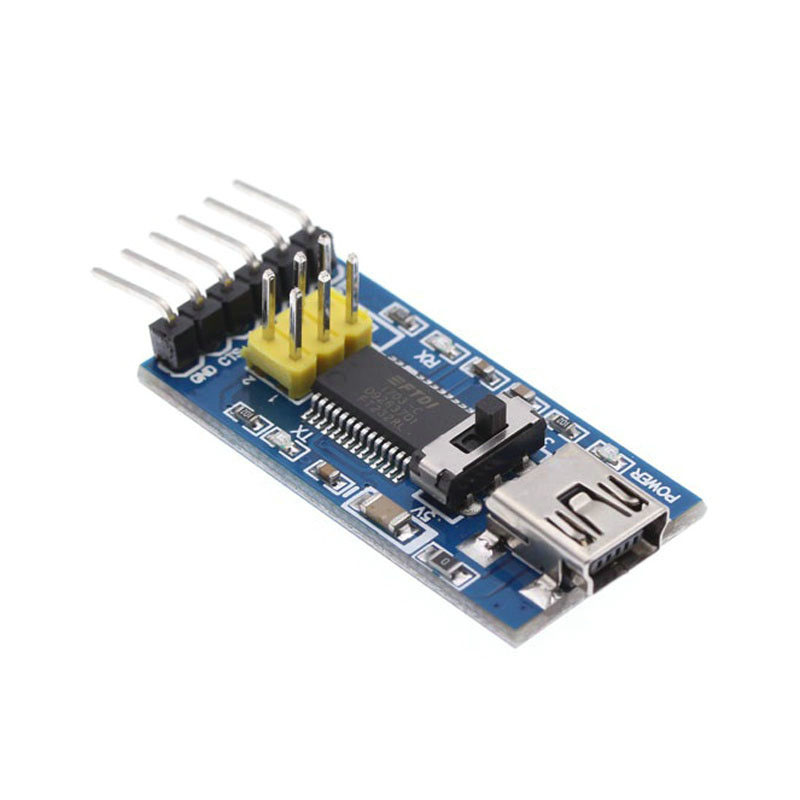
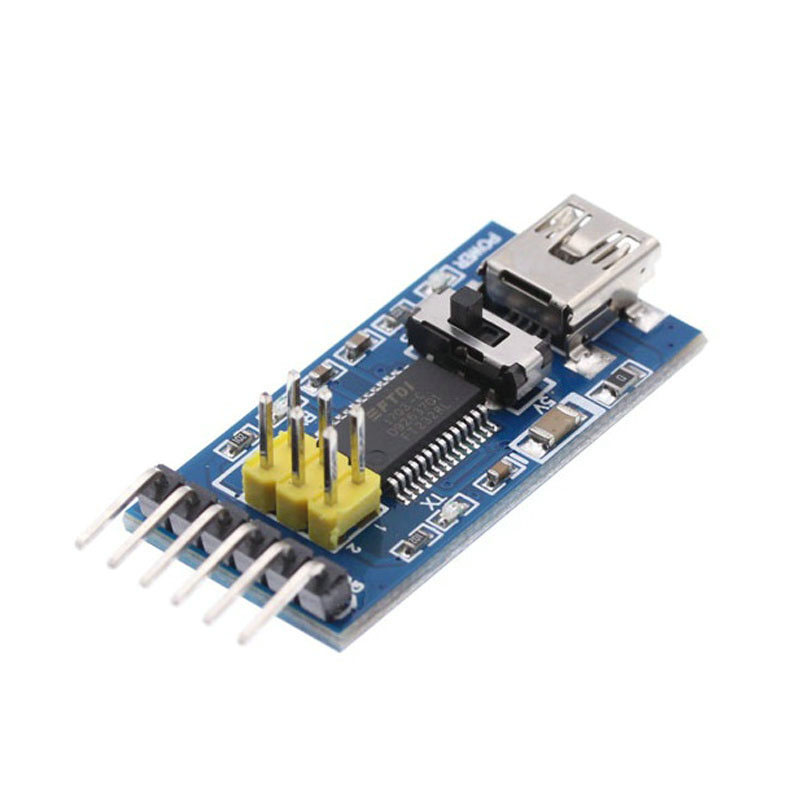
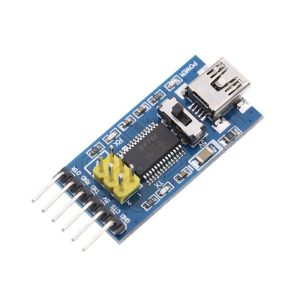
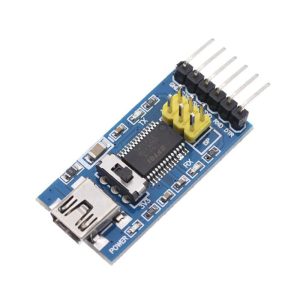
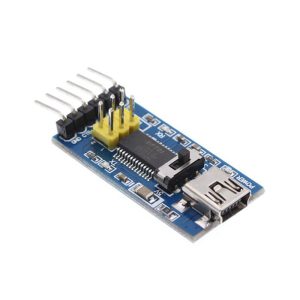
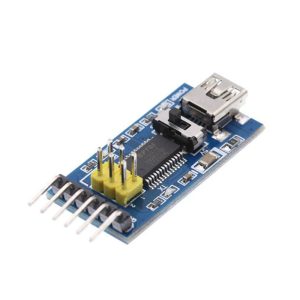
The FT232RL Mini-USB to TTL Serial Module is the gold standard for USB-to-Serial communication. Built around the world-renowned FTDI FT232RL chipset, this module provides a rock-solid bridge between your computer’s USB port and any microcontroller or serial device. Unlike cheaper alternatives, the FTDI chipset is famous for its driver stability across Windows, macOS, and Linux, making it the preferred choice for professional engineers and industrial maintenance.
This module is designed for ultimate flexibility, featuring an onboard jumper to switch between 3.3V and 5V logic levels instantly. Whether you are programming an Arduino, “unbricking” a router, or performing high-speed data logging from an industrial sensor, the FT232RL ensures bit-perfect data transmission. Its compact Mini-USB interface and integrated status LEDs (TX/RX) provide immediate feedback, making it an indispensable tool for debugging and firmware development.
Key Features
- Original FTDI FT232RL Chip: Industry-leading stability with official driver support integrated into most modern operating systems.
- Dual-Voltage Logic Support: Onboard jumper allows seamless switching between 3.3V and 5V TTL levels to protect sensitive components.
- Visual Status Indicators: Integrated LEDs for Power, Transmit (TX), and Receive (RX) provide real-time diagnostic feedback.
- Integrated Over-Current Protection: Features an onboard 500mA self-restoring fuse to protect your computer’s USB port from accidental shorts.
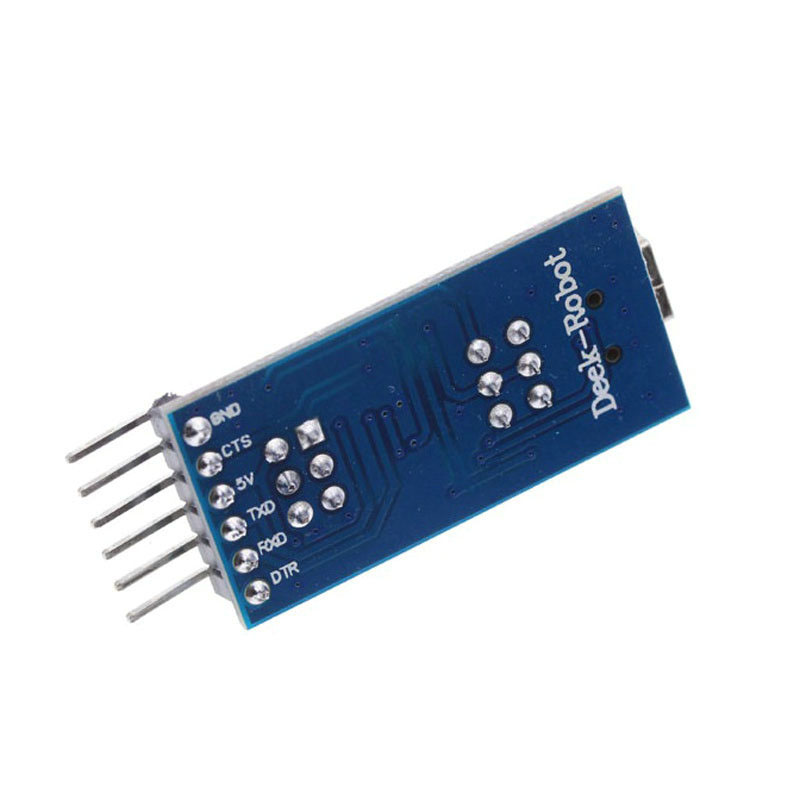
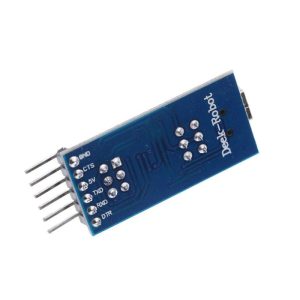
- Full Lead-Out Pins: Standard 6-pin header (DTR, RXD, TXD, VCC, CTS, GND) ensures compatibility with most Arduino-style programming interfaces.
- Internal EEPROM: Includes 1024 bits of memory to store USB VID, PID, serial number, and product description strings.