Description
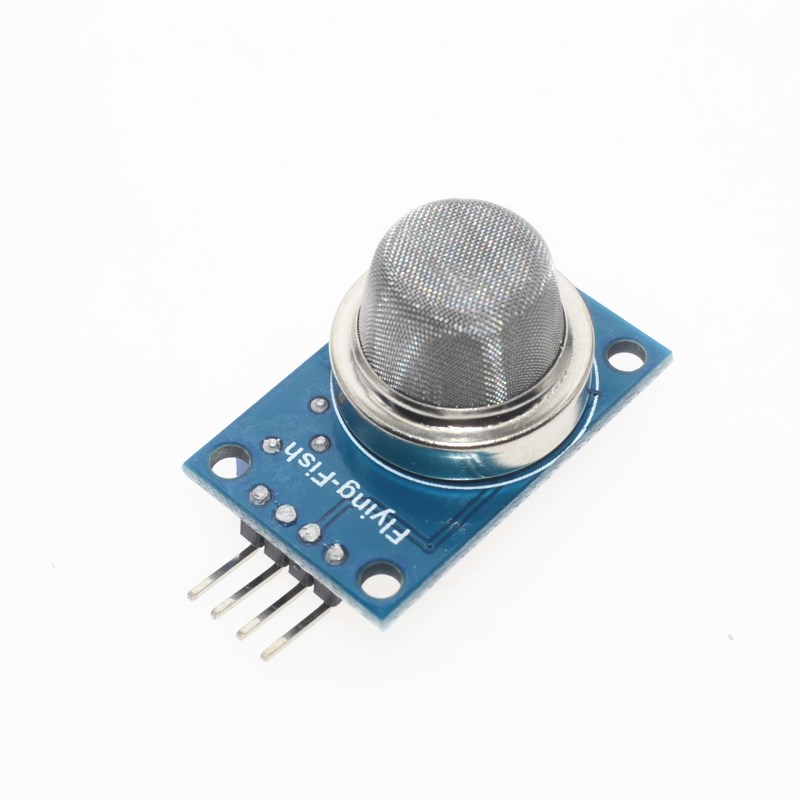
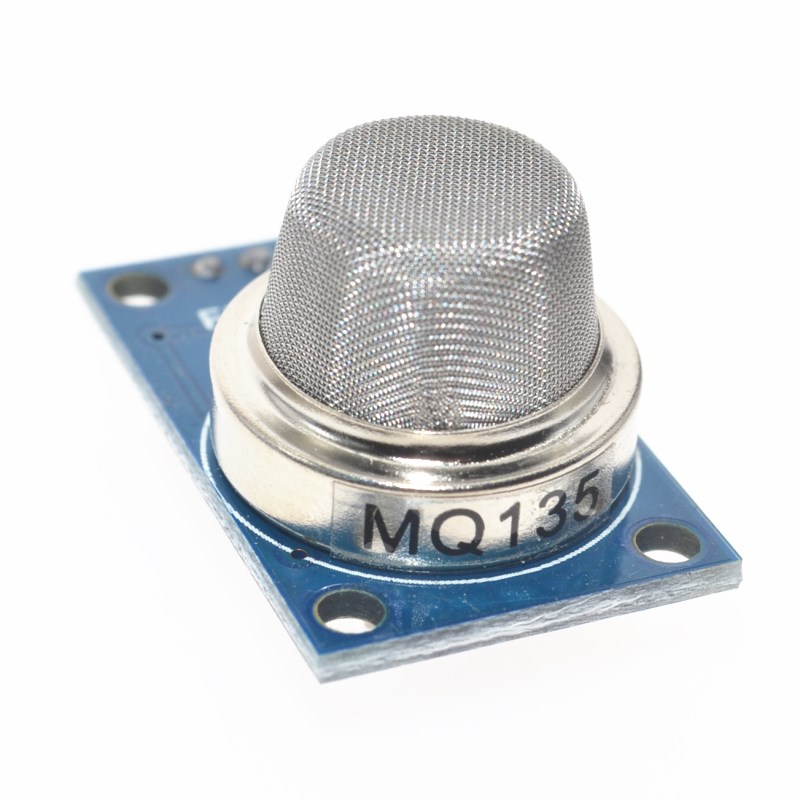
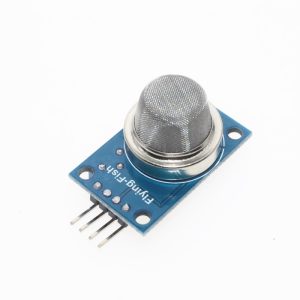
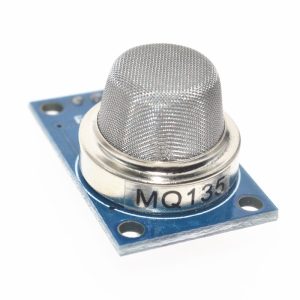
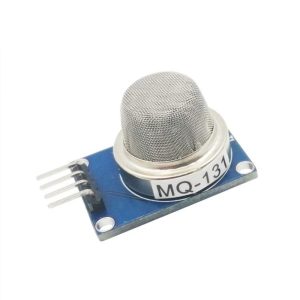
The MQ-135 Air Quality Sensor Detection Module is a low-cost, highly sensitive gas sensor board designed for monitoring air quality in indoor and industrial environments. Built around the MQ-135 semiconductor sensor with a tin dioxide (SnO2) sensitive layer, this module detects a broad range of harmful gases including ammonia (NH3), sulfur compounds, benzene vapors, smoke, alcohol, and carbon dioxide (CO2 equivalent) . It is an ideal solution for home air quality monitors, gas leak alarms, smart ventilation systems, and educational projects.
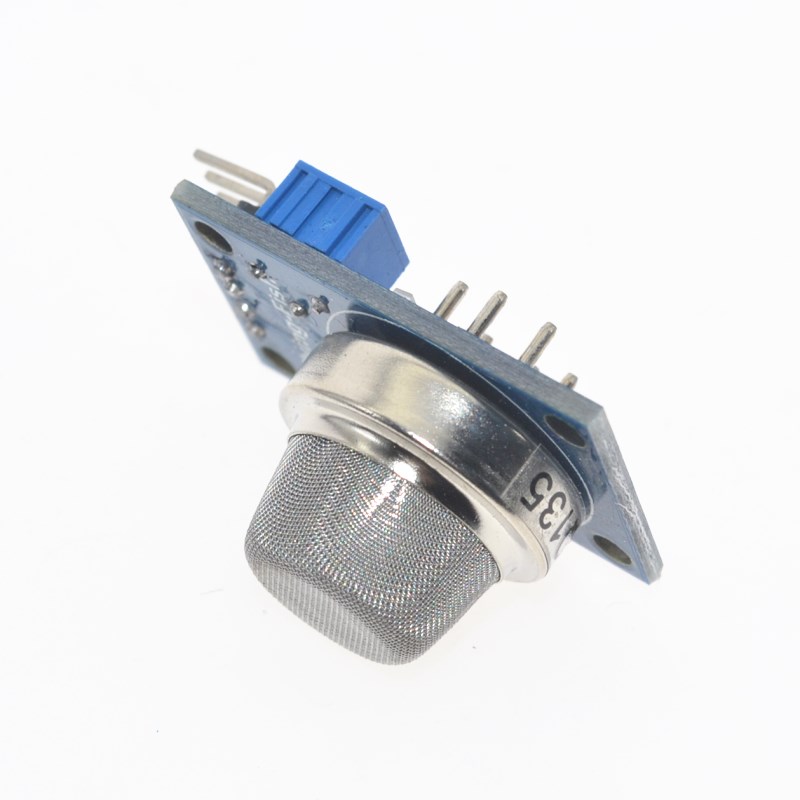
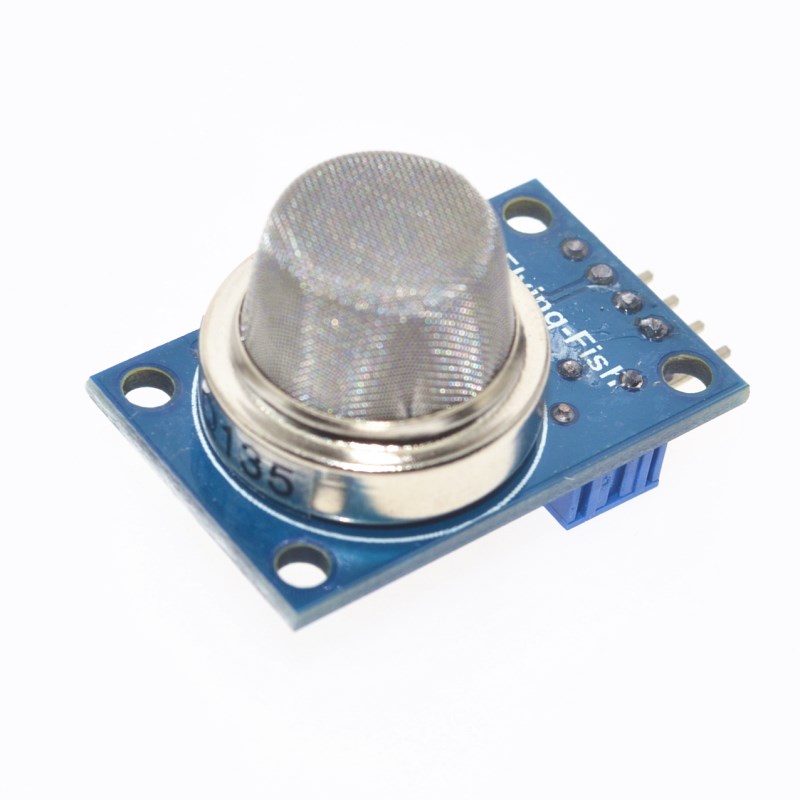
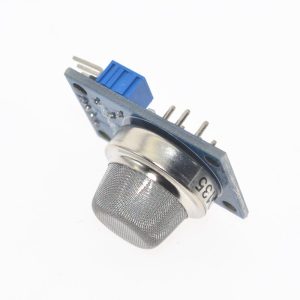
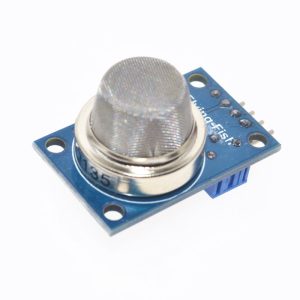
At the heart of the module is the MQ-135 sensor, whose conductivity increases as the concentration of target gases rises. In clean air, the sensor has low conductivity; when exposed to polluted air, the resistance drops, producing a measurable change in output . The module provides two independent outputs: an analog output (AO) that varies continuously with gas concentration (higher concentration = higher voltage), and a digital output (DO) that switches when the concentration exceeds a user-adjustable threshold set by the onboard potentiometer . This dual-output design makes it suitable for both quantitative measurement and simple threshold-based alarm triggering.
The module operates from 5V DC with a typical current consumption of approximately 150mA . It is compatible with Arduino, ESP32, Raspberry Pi (with external ADC), and other microcontrollers. The board features four mounting holes for secure installation and a compact 32 × 20 × 22mm form factor . An onboard LED indicator provides visual feedback for power and digital output status.
Important Note: The MQ-135 requires a significant preheat time for stable operation. The sensor should be powered on for 24–48 hours in clean air before initial calibration for accurate readings . After each power-up, allow at least 20 seconds to 2 minutes for the heater to stabilize . The sensor is not a calibrated industrial-grade detector and should not be used as a primary life-safety device. Its sensitivity degrades over time, and periodic replacement is recommended for critical applications . The sensor surface becomes hot during operation — avoid touching it . The module is not waterproof and should be kept dry.
Whether you are building a home air quality monitor, a workshop safety alarm, or an educational sensor project, the MQ-135 module provides a reliable, affordable solution for broad-spectrum gas detection.
Features
-
MQ-135 SnO2 semiconductor sensor — High sensitivity to NH3, sulfur compounds, benzene, smoke, alcohol, and CO2 equivalent
-
Dual output — Analog (AO) for concentration measurement, Digital (DO) for threshold alarms
-
Adjustable threshold — Onboard potentiometer sets the digital output trigger point
-
Wide detection range — 10–1000 ppm for target gases
-
5V operation — Compatible with Arduino, ESP32, and other 5V microcontrollers
-
LED indicators — Power and digital output status feedback
-
Four mounting holes — Secure installation in enclosures and project boxes
-
Compact form factor — 32 × 20 × 22mm PCB
-
Long lifespan — Specified for up to 10 years under proper operating conditions
-
Wide application range — Home air quality monitors, gas alarms, smart ventilation, education
Technical Specifications
| # | Parameter | Specification |
|---|---|---|
| 1 | Sensor Model | MQ-135 (SnO2 semiconductor) |
| 2 | Target Gases | NH3, sulfur compounds, benzene, smoke, alcohol, CO2 equivalent |
| 3 | Detection Range | 10 – 1000 ppm (target gases) |
| 4 | Operating Voltage | 5V DC |
| 5 | Operating Current | ~150mA |
| 6 | Output Type | Analog (AO) + Digital (DO/TTL) |
| 7 | Preheat Time | 24–48 hours (initial); ~20s–2min (each power-up) |
| 8 | PCB Dimensions | 32 × 20 × 22 mm |


Reviews
There are no reviews yet.