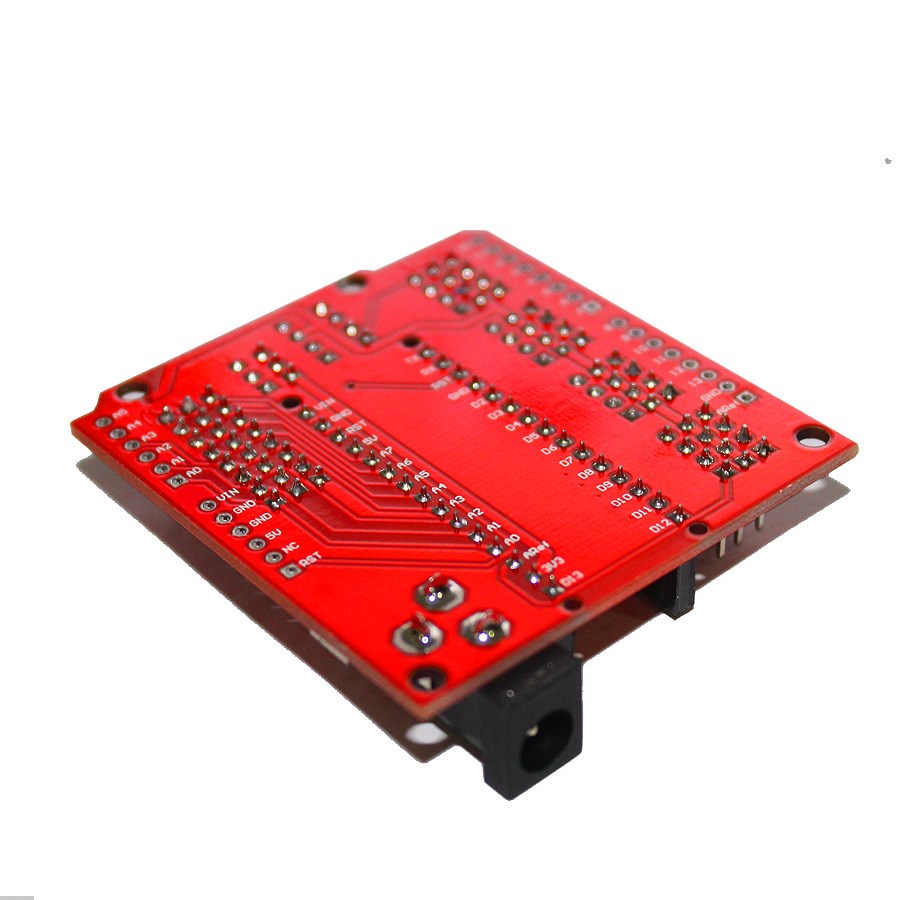
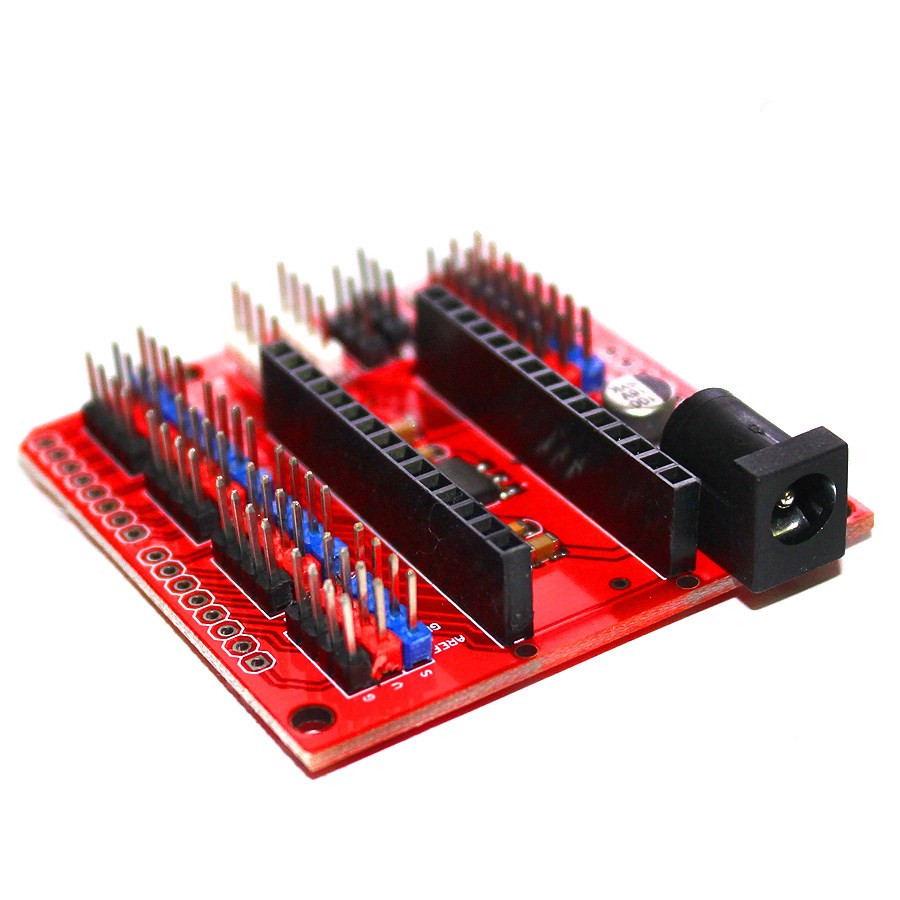
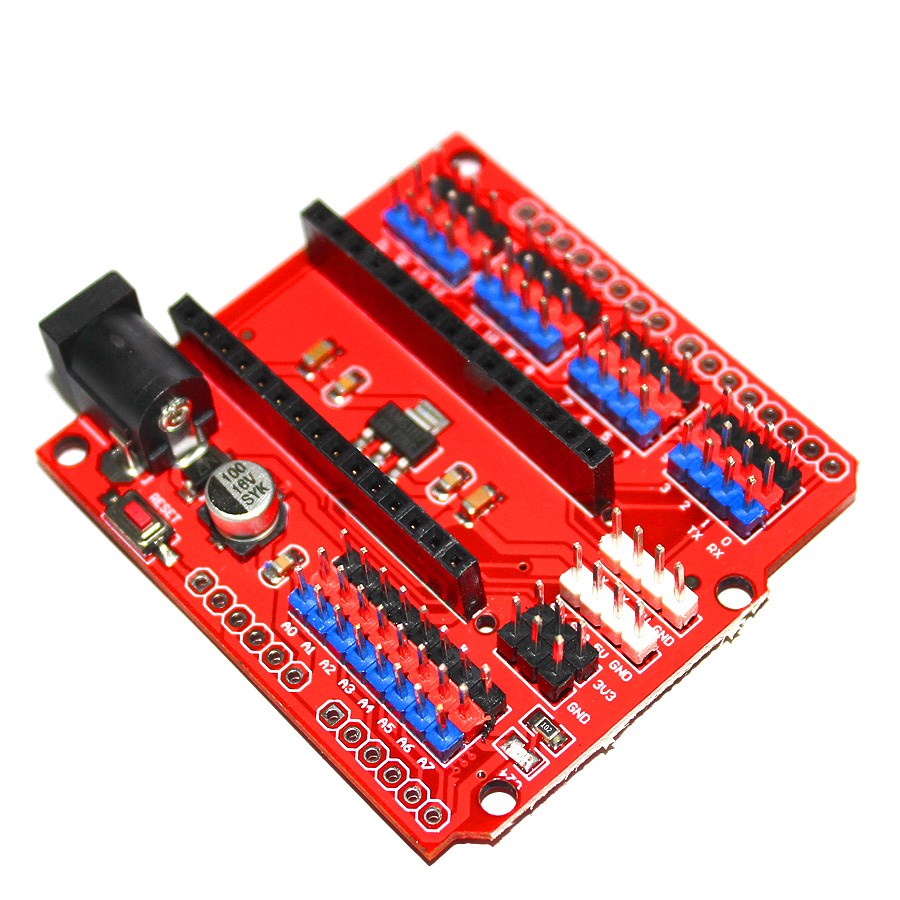
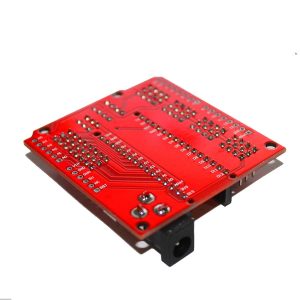
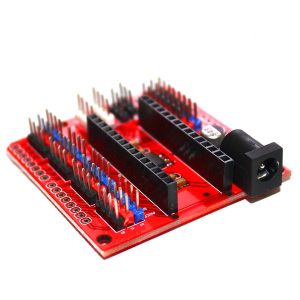
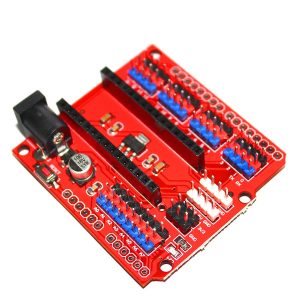
NANO UNO Multipurpose Expansion Board

SKU: FA1070-1
Compatibility

Arduino Nano and Arduino UNO

Digital I/O Pins

14 pins broken out (including 6 PWM)

Analog Input Pins

6–8 pins depending on board configuration

I2C Expansion

Dedicated SDA/SCL headers with power and ground

UART Expansion

Dedicated RX/TX headers with power and ground

Power Input

External DC input via screw terminal or barrel jack

Servo Power

Independent power rail for servo connections

Board Dimensions

Compact form factor matching UNO footprint

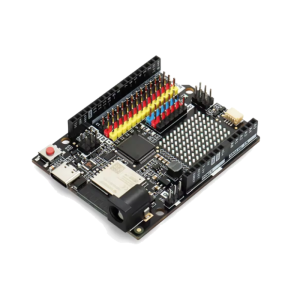
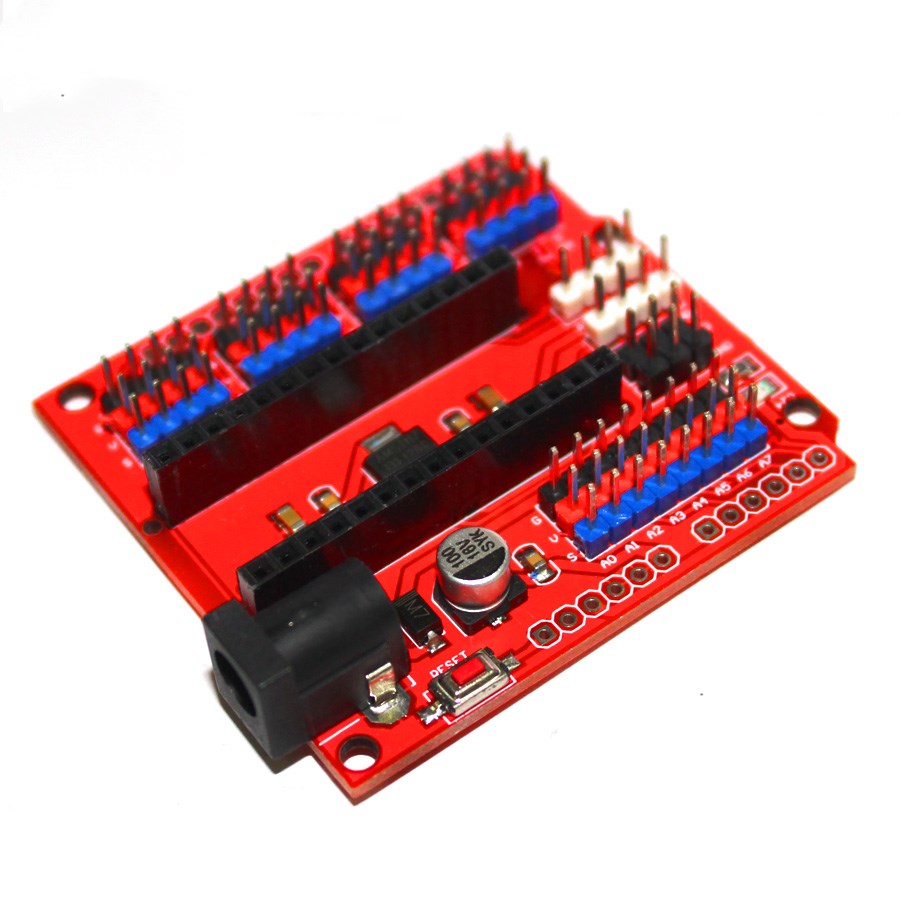
The NANO UNO Multipurpose Expansion Board is a versatile add-on designed to simplify wiring and expand the capabilities of both Arduino Nano and Arduino UNO development boards. Whether you are working with a compact Nano or a full-size UNO, this expansion board provides a clean, organized platform for connecting sensors, servos, and peripherals without the usual tangle of jumper wires.

The board accepts both Nano and UNO form factors, making it a flexible solution for developers who work with multiple Arduino variants. Its layout reorganizes the standard pinout into convenient three-wire interfaces (Signal, Power, and Ground), allowing sensors and modules to be plugged in directly. This reduces wiring errors, speeds up prototyping, and makes the board particularly well suited for classroom and training environments.

An independent power input option allows the board to supply extra current for servos and other high-draw components. This helps isolate the microcontroller’s logic power from heavier loads, improving stability and protecting the development board. The on-board power regulation and screw terminals make it easy to connect external power sources.

The board also includes dedicated breakout areas for I2C, UART, and SPI communication, making it compatible with a wide range of sensors, displays, and communication modules. Whether you are building a robot, a weather station, or an IoT device, this multipurpose expansion board provides a practical foundation for your project.

Its compact, stackable design keeps your setup organized and portable, while the clearly labeled pins make it easy to identify connections at a glance. For individual makers, students, and businesses purchasing in bulk, this board offers a reliable, cost-effective way to expand your Arduino projects.


Features

  • Dual compatibility — Accepts both Arduino Nano and Arduino UNO form factors on a single board.

  • Three-wire pin breakout — Every digital, analog, and power pin is reorganized into convenient Signal-Power-Ground triplets.

  • Independent power input — Separate power supply option for servos and high-current modules, with screw terminals for secure connections.

  • I2C, UART, and SPI breakout — Dedicated communication headers for sensors, displays, and wireless modules.

  • Servo-friendly layout — Multiple servo connection points with shared power and ground rails.

  • Clearly labeled pins — Silkscreen labels make wiring straightforward and reduce connection errors.

  • Compact and stackable — Organized form factor keeps projects tidy and portable.

  • Reset button and power indication — On-board reset access and LED power indicator for convenient operation.


Technical Specifications

# Parameter Specification
1 Compatibility Arduino Nano and Arduino UNO
2 Digital I/O Pins 14 pins broken out (including 6 PWM)
3 Analog Input Pins 6–8 pins depending on board configuration
4 I2C Expansion Dedicated SDA/SCL headers with power and ground
5 UART Expansion Dedicated RX/TX headers with power and ground
6 Power Input External DC input via screw terminal or barrel jack
7 Servo Power Independent power rail for servo connections
8 Board Dimensions Compact form factor matching UNO footprint

Usage

Getting Started

  1. Mount the development board — For Nano, align the pins with the expansion board’s female headers and press firmly. For UNO, stack the expansion board on top of the UNO using the header sockets.

  2. Connect power — Use USB power from the development board, or connect an external 7–12V DC supply to the screw terminal for higher-current applications.

  3. Connect sensors and modules — Plug three-wire sensors directly into the labeled Signal-Power-Ground rows. Use I2C, UART, or SPI headers for communication modules.

  4. Connect servos — Attach servo signal wires to the designated servo pins, with power and ground rails shared across multiple servos.

  5. Upload your sketch — Program the Nano or UNO as usual through the Arduino IDE.

Power Options

  • USB power — 5V from the development board’s USB connection.

  • External DC power — 7–12V via screw terminal for servos and high-current modules.

  • Independent servo power — Separate power input to isolate servo current from logic power.

Typical Applications

  • Robotics projects — Multiple servo connections with independent power for reliable operation

  • Multi-sensor systems — Connect numerous analog and digital sensors without wiring congestion

  • IoT and wireless projects — Dedicated headers for Bluetooth, Wi-Fi, and other communication modules

  • Weather stations — Easy connection of temperature, humidity, pressure, and other environmental sensors

  • Classroom and STEM education — Organized layout reduces wiring errors and speeds up learning

  • Prototyping and development — Rapid iteration with plug-and-play sensor modules

  • OEM and product development — Standardized connection points for consistent assembly

Notes for Business Buyers

  • Dual Nano and UNO compatibility simplifies inventory management across different project types.

  • Organized pin layout reduces assembly time and wiring errors in production and training environments.

  • Independent power capability supports projects with higher power requirements.

  • Suitable for bulk purchasing for educational institutions, R&D teams, and integrators.

Q: Is this expansion board compatible with both Arduino Nano and UNO?

Yes. The board is designed to accept both Nano and UNO form factors, making it a flexible solution for developers working with either board.

Q: Do I need to solder anything to use this board?

No. The board comes fully assembled with all headers and connectors pre-soldered, ready for immediate use.

Q: Can I power servos directly from this expansion board?

Yes. The board includes an independent power input for servos and high-current modules. Use an external DC supply connected to the screw terminal for best results.

Q: How many sensors can I connect simultaneously?

You can connect up to 14 digital devices and 6–8 analog devices using the three-wire interfaces, plus additional devices via I2C, UART, and SPI.

Q: What is the purpose of the screw terminal on the board?

The screw terminal provides a secure connection for external DC power input, typically 7–12V, for powering servos and other high-current devices.

Q: Can I use this board with 3.3V logic sensors?

The board operates at 5V logic. For 3.3V sensors, use appropriate level shifting or check if the sensor is 5V-tolerant.

Q: Does the board have a reset button?

Yes. The board includes a reset button for convenient access without reaching for the development board’s small button.

Q: Can I stack this expansion board with other shields?

The board is designed with a compact, stackable form factor. However, stacking with other shields depends on the specific shield’s pin usage and physical dimensions.

Q: Is this board suitable for beginners?

Yes. The organized pin layout and clear labeling make it particularly well suited for beginners and educational settings.

Q: Can I purchase in bulk for a school or company?

Yes. This expansion board is suitable for both individual users and business purchasing, including classroom sets, lab equipment, and corporate training programs.