Product Description
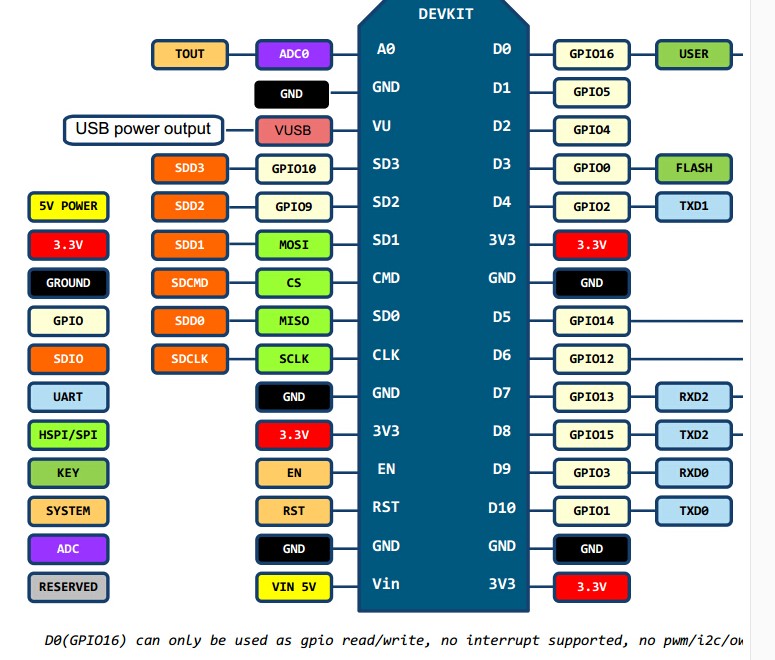
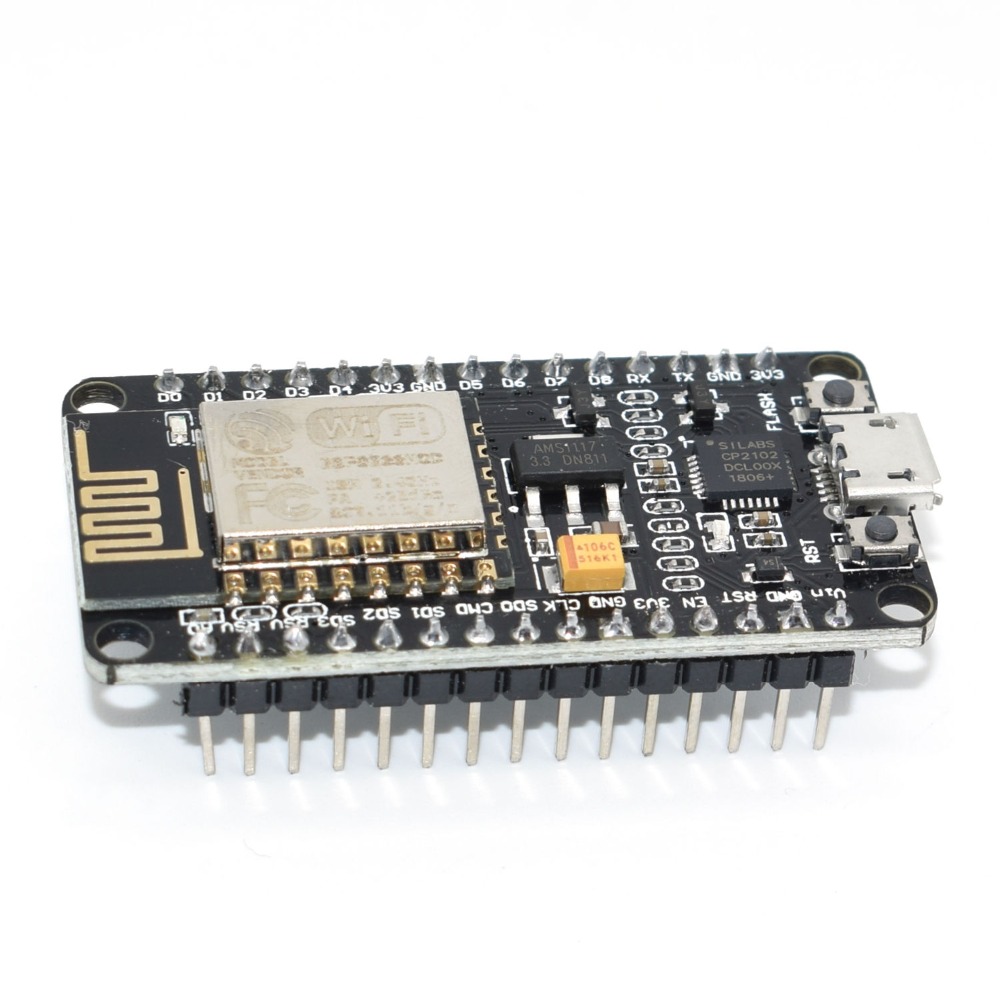
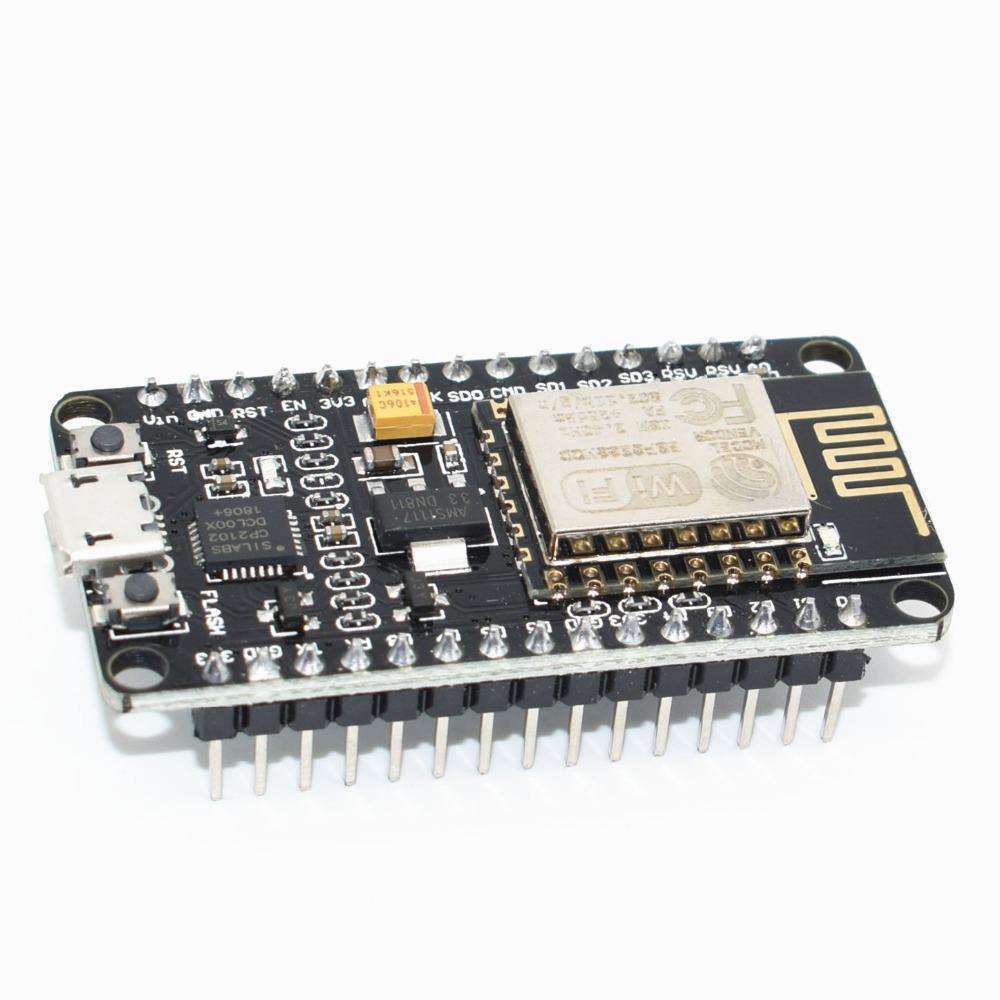
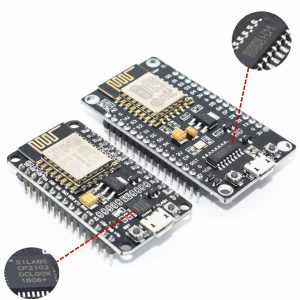
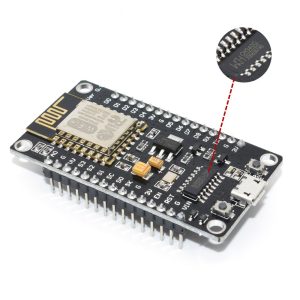
The NodeMCU V2 (Amica) is a world-class, open-source IoT development platform based on the powerful ESP8266 Wi-Fi SoC. This “V2” version is the refined, narrower iteration of the original NodeMCU, specifically designed to fit perfectly on a standard breadboard while leaving rows of pins accessible for prototyping.
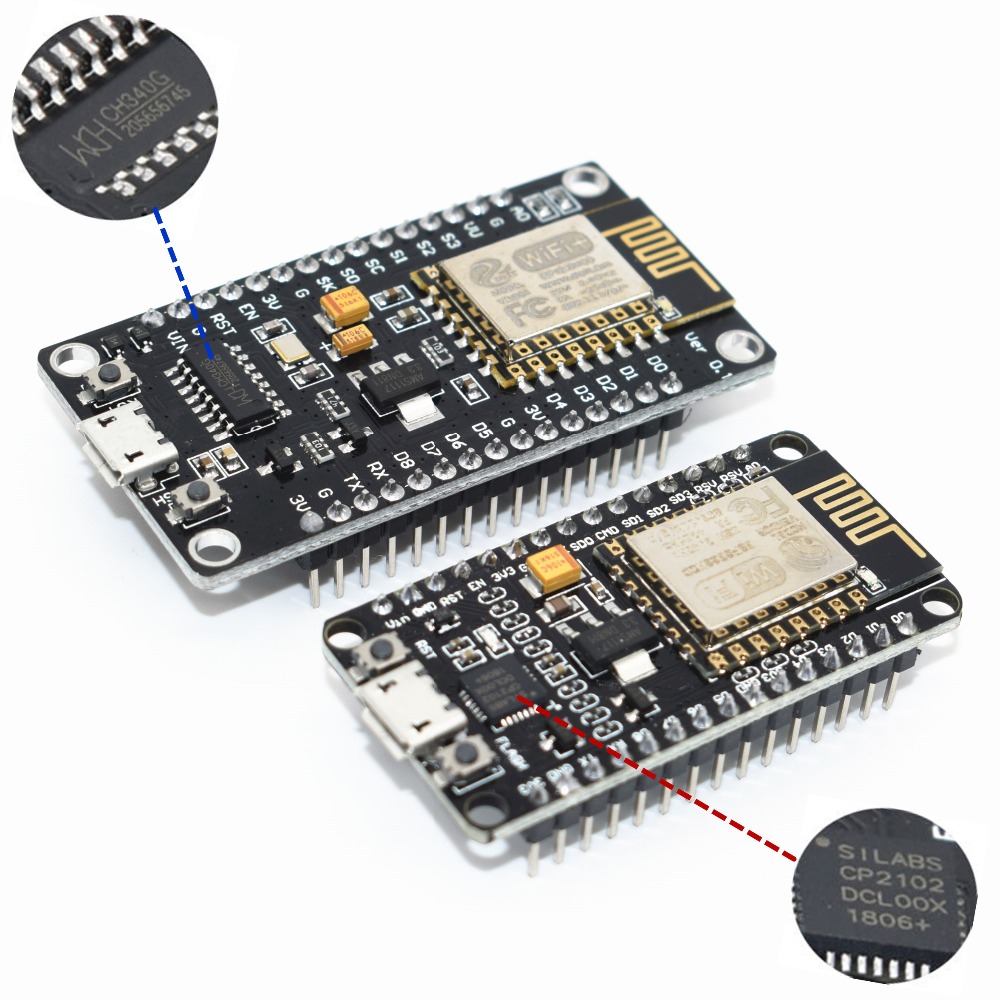
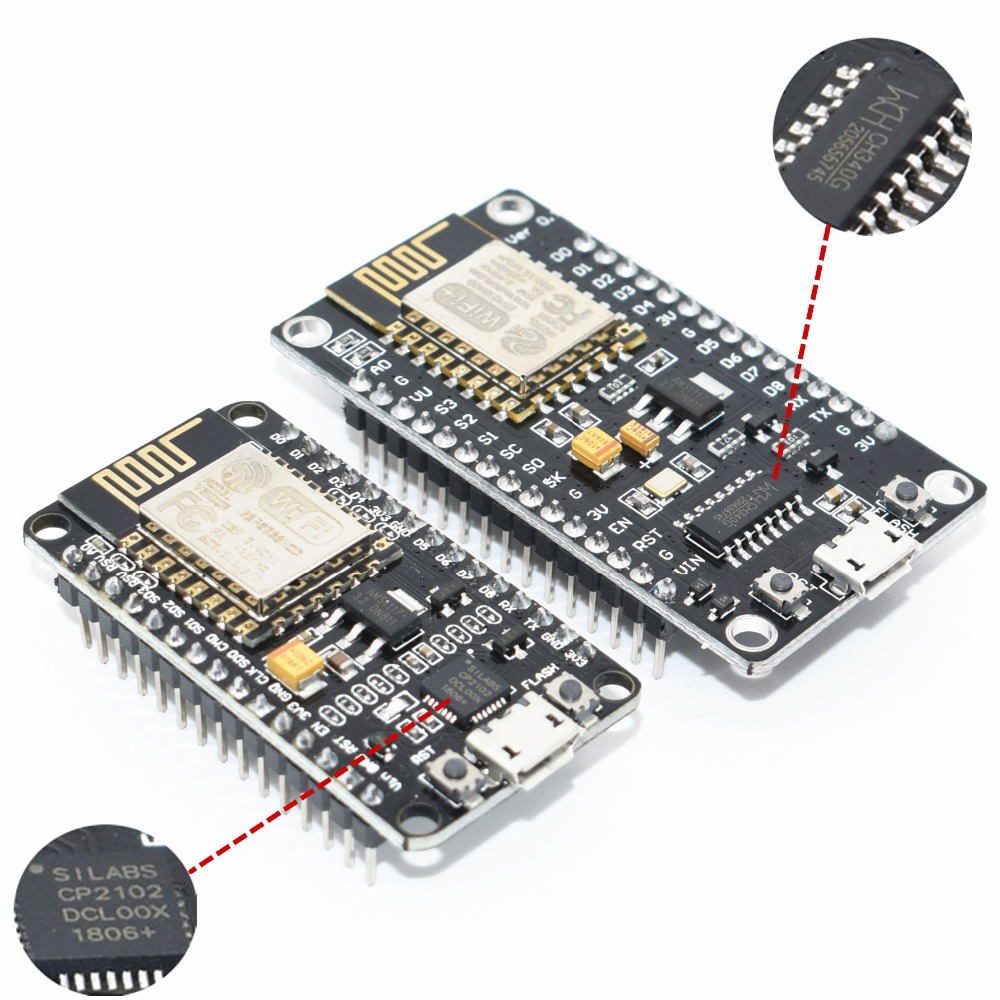
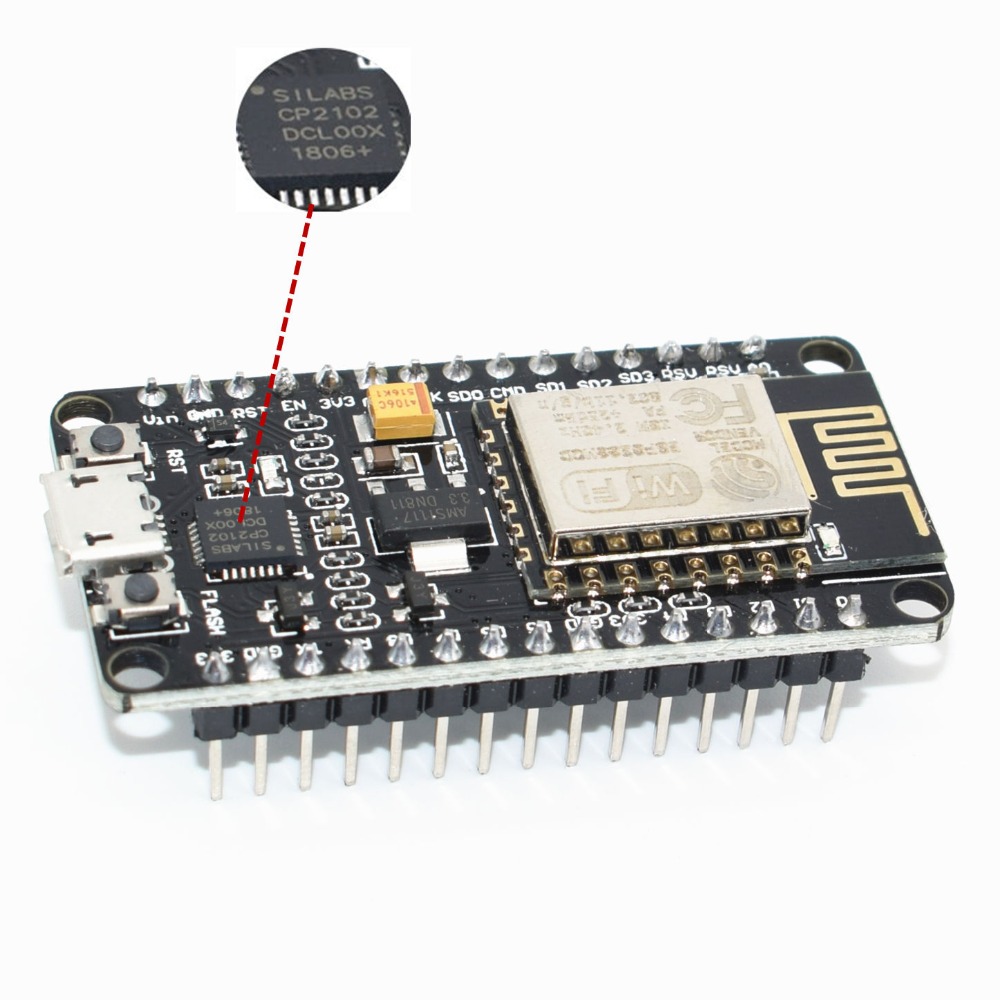
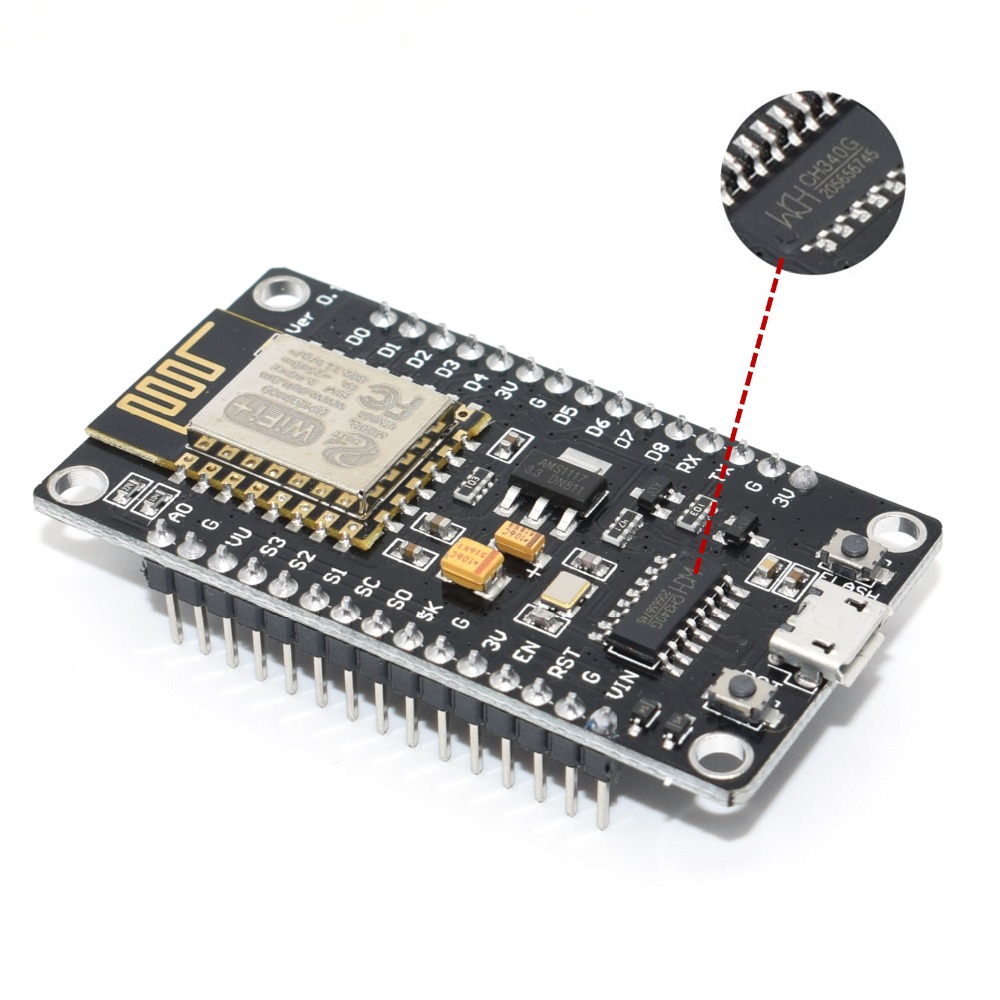
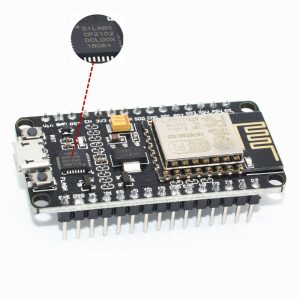
Featuring the industry-preferred CP2102 USB-to-UART bridge, this board offers superior driver stability and higher data transfer speeds compared to budget alternatives. The NodeMCU V2 integrates a built-in antenna, power management, and a robust 3.3V regulator, allowing it to be powered and programmed directly via a single Micro-USB cable. Whether you are building a simple smart-home sensor or a complex industrial data gateway, the NodeMCU V2 provides a “plug-and-play” experience for modern wireless networking.
Key Features
- Integrated Wi-Fi Connectivity: Supports 802.11 b/g/n protocols with full TCP/IP stack support and integrated PCB antenna.
- Breadboard Friendly: The slim “V2” form factor (Amica style) ensures the board occupies only the center of the breadboard, keeping the outer pin rows free for wiring.
- Premium CP2102 Chipset: High-speed USB-to-Serial conversion with official driver support across Windows, macOS, and Linux—highly recommended for professional development.
- Multi-Platform Programming: Supports Lua scripting natively, but is fully compatible with the Arduino IDE, MicroPython, and ESP-IDF.
- Comprehensive I/O: Features 10 GPIOs, PWM, I2C, SPI, and a 10-bit ADC (Analog Input), providing ample connectivity for sensors and actuators.
- Low Power Consumption: Optimized for battery-powered IoT applications with built-in deep-sleep modes.