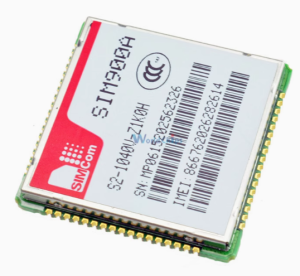
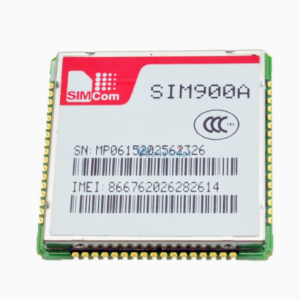
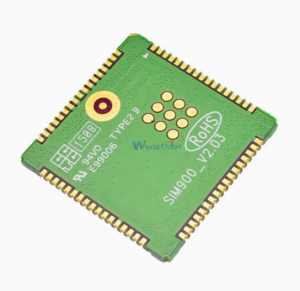
Description
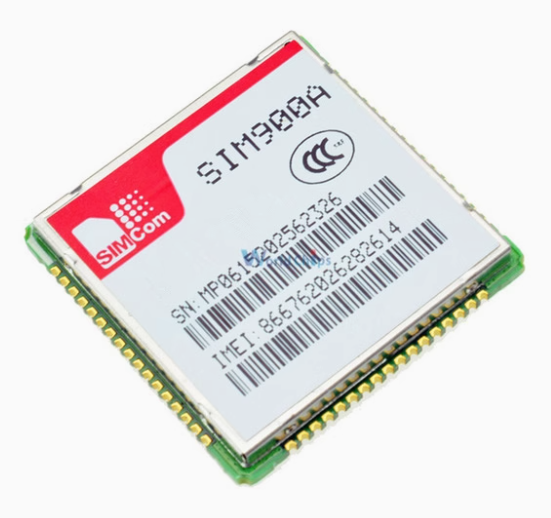
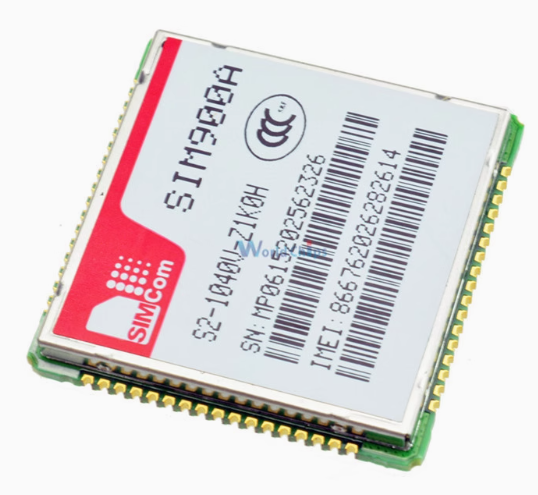
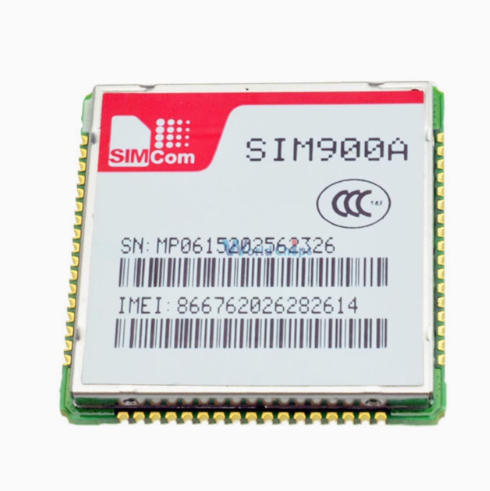
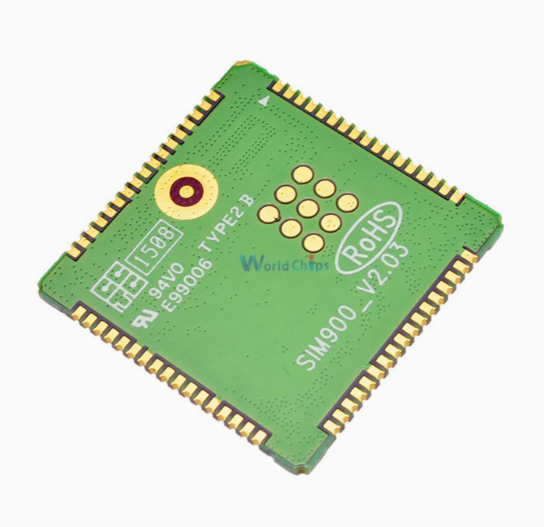
The SIM900A Compact GSM/GPRS Module is a cost-effective, high-performance cellular solution designed for the growing demands of the Internet of Things (IoT) and Machine-to-Machine (M2M) communication. This module allows your project to send and receive SMS, make voice calls, and transmit data over the GPRS network using standard AT commands.
This specific version is a widely compatible, high-quality alternative designed for developers and businesses looking for a budget-friendly way to add wireless connectivity to their hardware. Optimized for use with microcontrollers like Arduino, STM32, and Raspberry Pi, its compact form factor makes it ideal for remote monitoring stations, smart home security systems, and automated data logging where space and cost efficiency are critical.
Key Features
- Dual-Band Connectivity: Operates on 900/1800MHz frequencies, covering most GSM networks globally.
- SMS & Voice Support: Full capability for sending/receiving text messages and facilitating voice calls via an external audio interface.
- GPRS Multi-slot Class 10: Enables efficient data transmission for remote sensor reporting and cloud connectivity.
- Compact Integration: Small footprint with pin headers designed for easy mounting on PCBs or breadboards.
- TTL Serial Interface: Communicates directly with 3.3V or 5V microcontrollers without the need for complex level shifting.
- Industrial Temperature Range: Built to operate reliably in environments ranging from -40°C to +85°C.