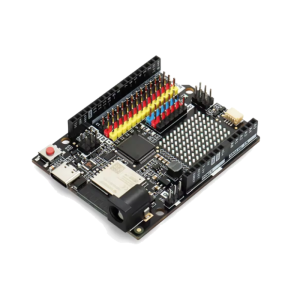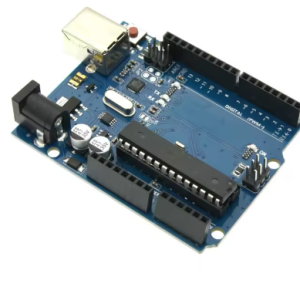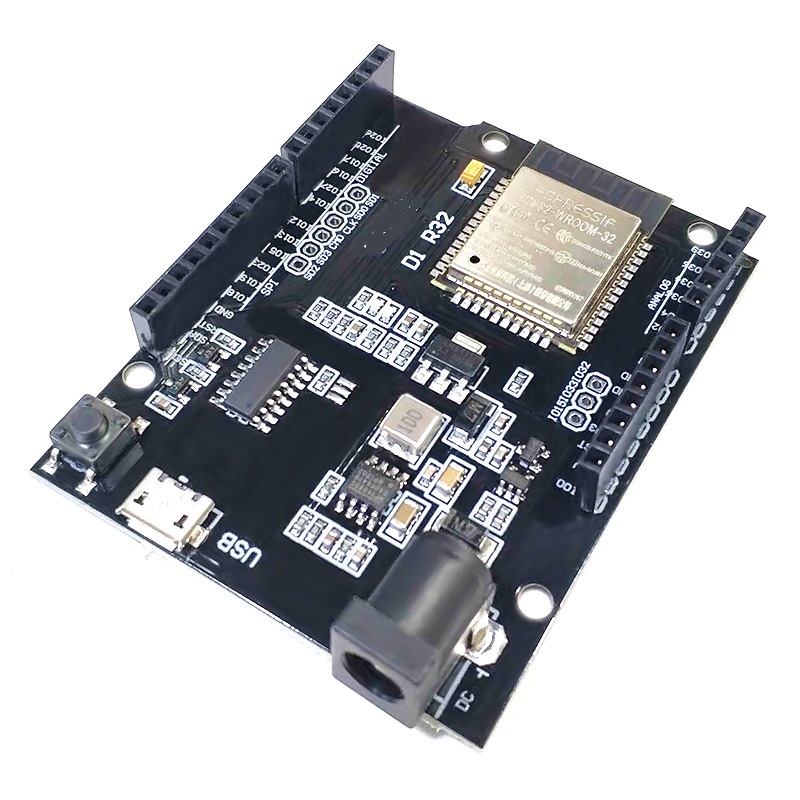
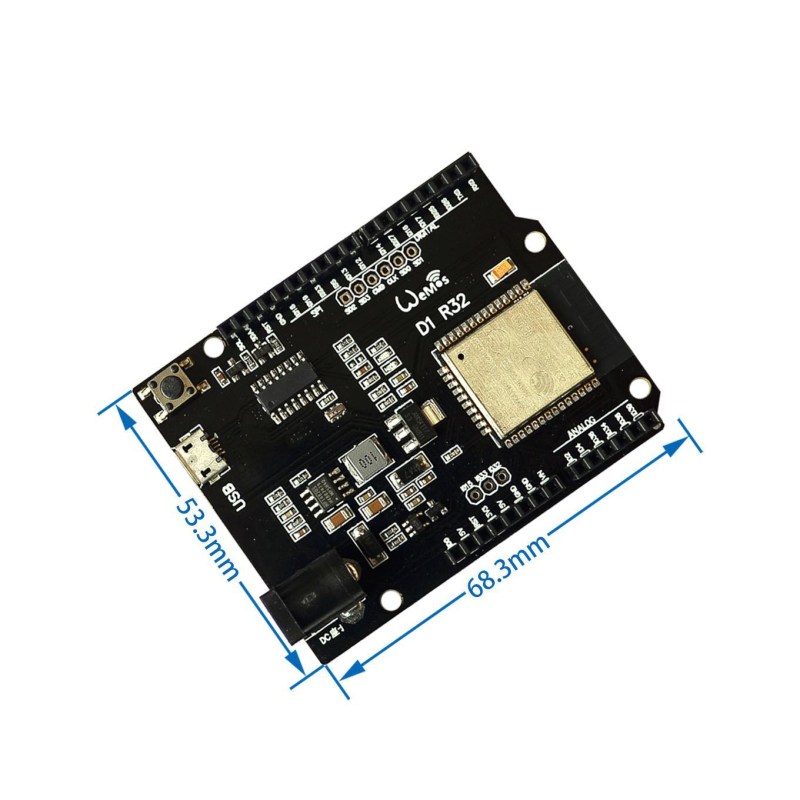
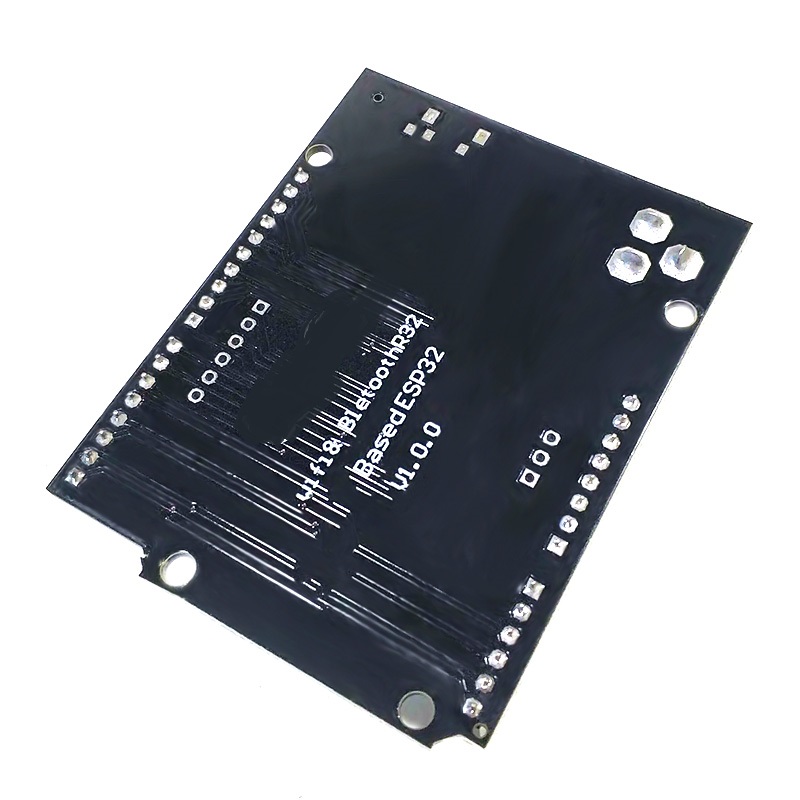
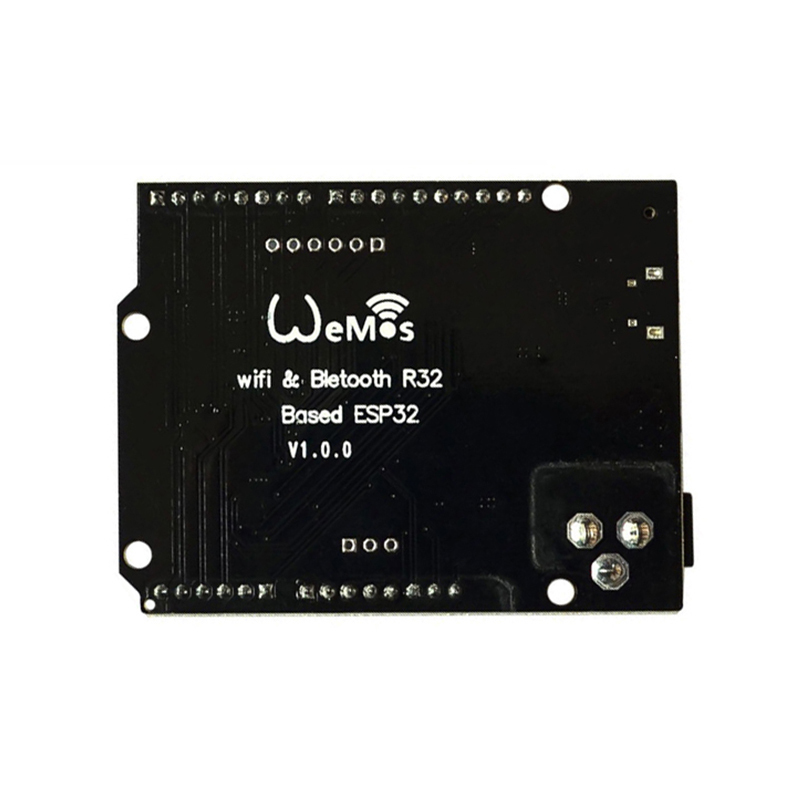
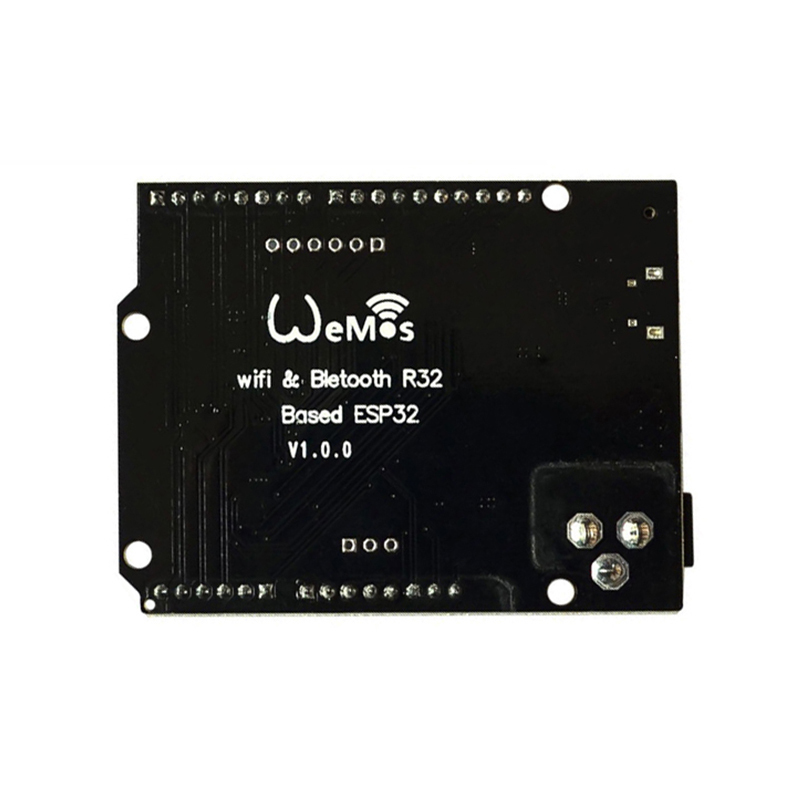
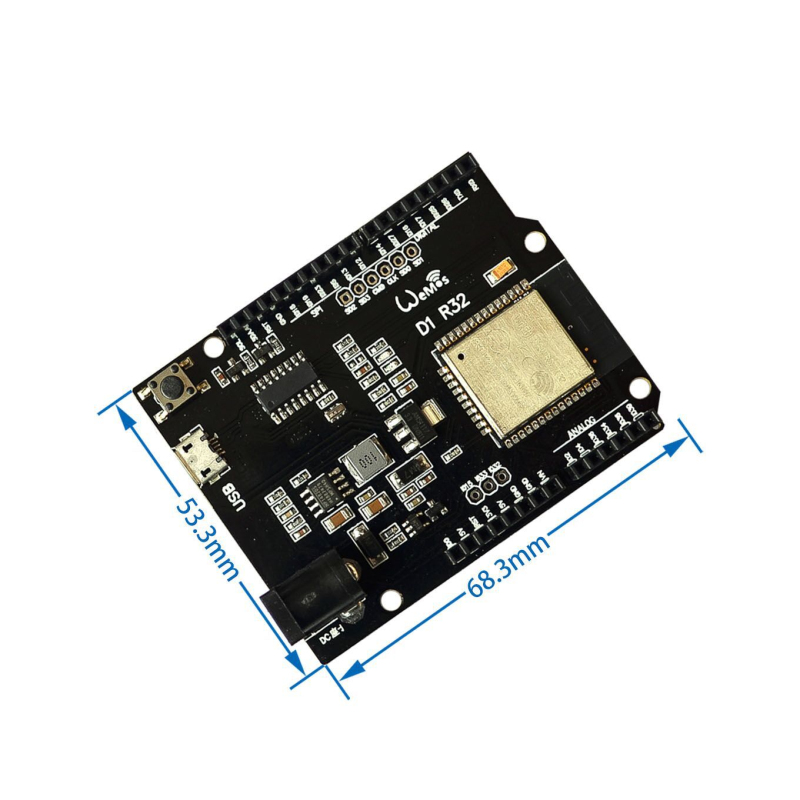
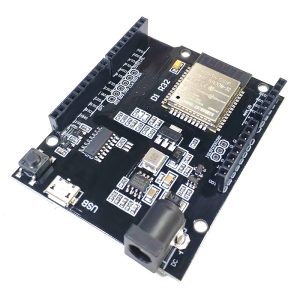
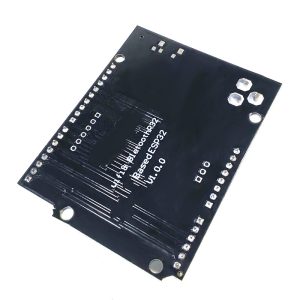
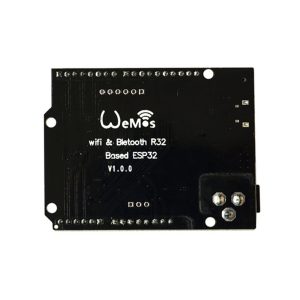
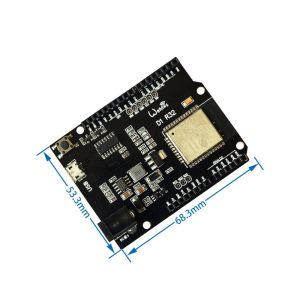
The UNO D1 R32 is a high-performance development board that merges the powerful ESP32-WROOM-32 microcontroller with the universally recognized Arduino Uno R3 form factor. Designed for the 2026 IoT landscape, it offers a seamless upgrade path for projects requiring integrated Wi-Fi and Dual-mode Bluetooth without sacrificing compatibility with standard Arduino shields.
Long Description
The UNO D1 R32 is engineered for developers who need more power than a traditional Arduino but prefer the familiar hardware layout. At its core is the ESP32-WROOM-32, featuring a dual-core 240MHz processor and 4MB Flash Memory, providing ample space for complex firmware, local web servers, and data logging.
This board bridges the gap between prototyping and professional IoT deployment. For individual makers, it simplifies the transition from basic Arduino projects to advanced connected devices. For business purchasers, its standardized footprint allows for rapid integration into existing industrial housings or specialized shields, significantly reducing R&D timelines for smart-home or commercial monitoring solutions.
Key Features
- Dual-Core Performance: Dual-core Xtensa® 32-bit LX6 processor allows for multitasking, such as handling Wi-Fi stacks on one core while running user applications on the other.
- Hybrid Wireless Connectivity: Built-in Wi-Fi (802.11 b/g/n) and Bluetooth (Classic + BLE 4.2) for versatile communication.
- Uno Form Factor: Compatible with most Arduino Uno shields, though users must ensure logic levels match (3.3V).
- Onboard Power Management: Features an integrated switching regulator that supports a wide input voltage range (5V–12V DC).
- Rich Peripherals: Includes 14–18 digital I/O pins, 6–8 analog inputs (12-bit ADC), UART, SPI, I2C, and capacitive touch sensors.