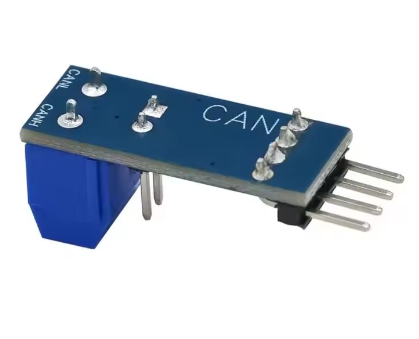
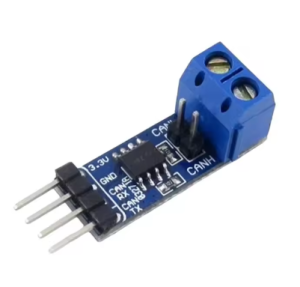
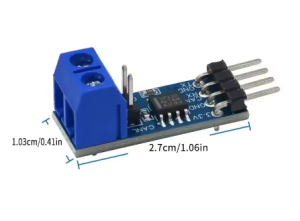
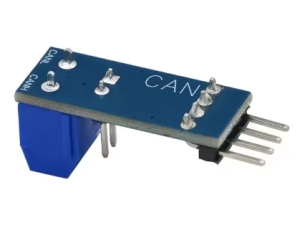
Product Description
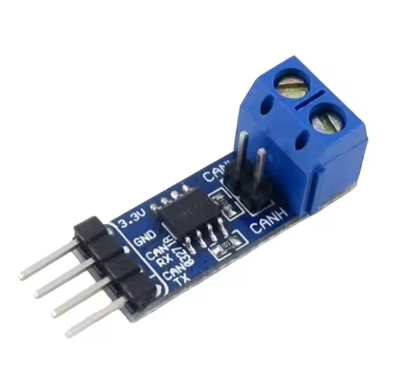
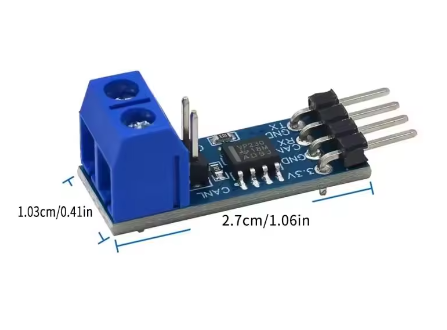
The Waveshare SN65HVD230 CAN Board is a high-performance accessory designed to provide microcontrollers with a robust Controller Area Network (CAN) interface. Powered by the specialized SN65HVD230 transceiver chip, this module is specifically engineered for 3.3V systems, making it the ideal choice for modern controllers like the STM32, Raspberry Pi (with CAN controller), and ESP32.
Unlike standard 5V transceivers, the SN65HVD230 operates efficiently on a 3.3V supply while remaining fully compatible with 5V CAN networks. It features multiple protection modes, including high ESD protection and thermal shutdown, ensuring data integrity in the electrically noisy environments typical of automotive and industrial settings. With its compact form factor and standard pin headers, it allows for rapid integration of CAN communication—the industry standard for high-reliability, long-distance serial networking.
Key Features
- 3.3V Native Operation: Specifically designed to interface directly with 3.3V microcontrollers without the need for logic level shifters.
- High-Speed Data Rates: Supports transmission speeds up to 1 Mbps, suitable for real-time control and high-bandwidth telemetry.
- Robust Circuit Protection: Features integrated ±16kV ESD protection and thermal shutdown circuitry to safeguard against field faults.
- Interoperability: Fully compatible with ISO 11898 standard 5V CAN transceivers and networks.
- Three Operating Modes: Supports High-Speed, Slope-Control, and Low-Power Standby modes to balance performance and energy consumption.
- Low Electromagnetic Emission (EME): Optimized for minimal interference with surrounding sensitive electronics.