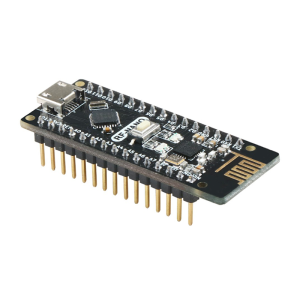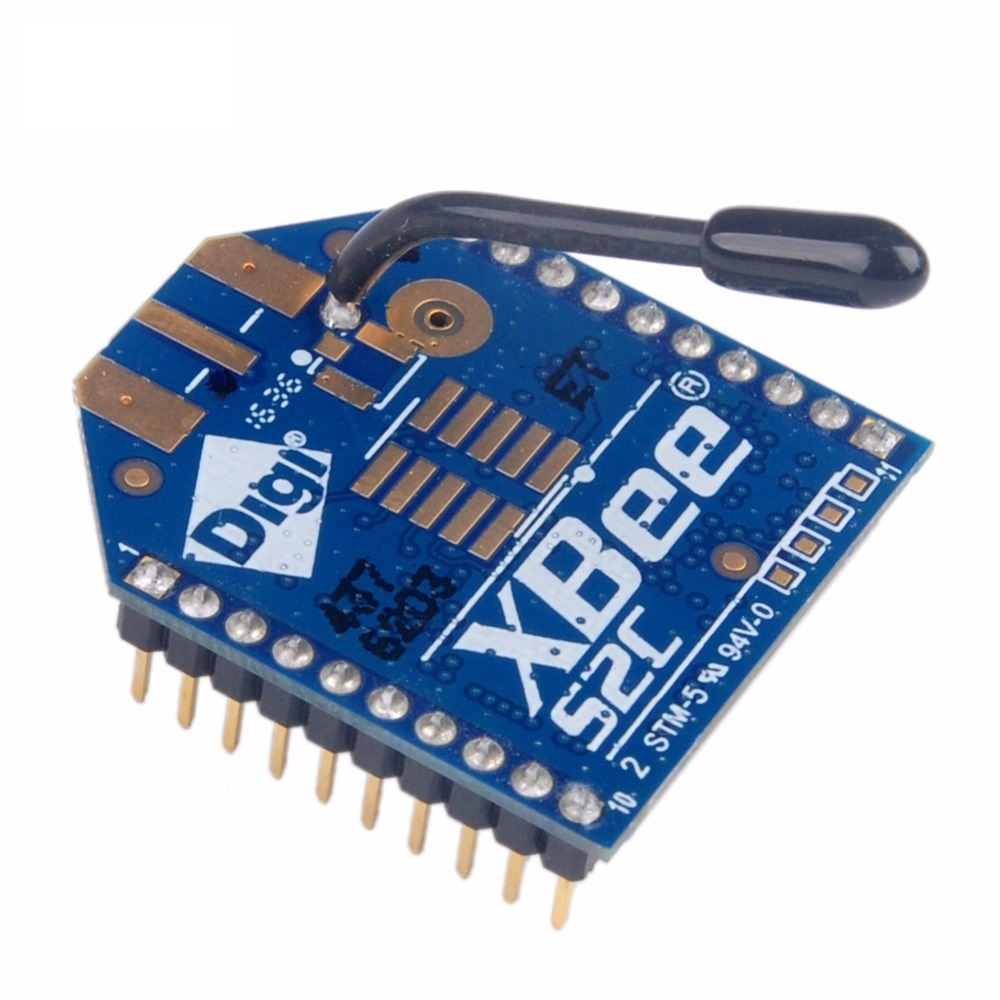
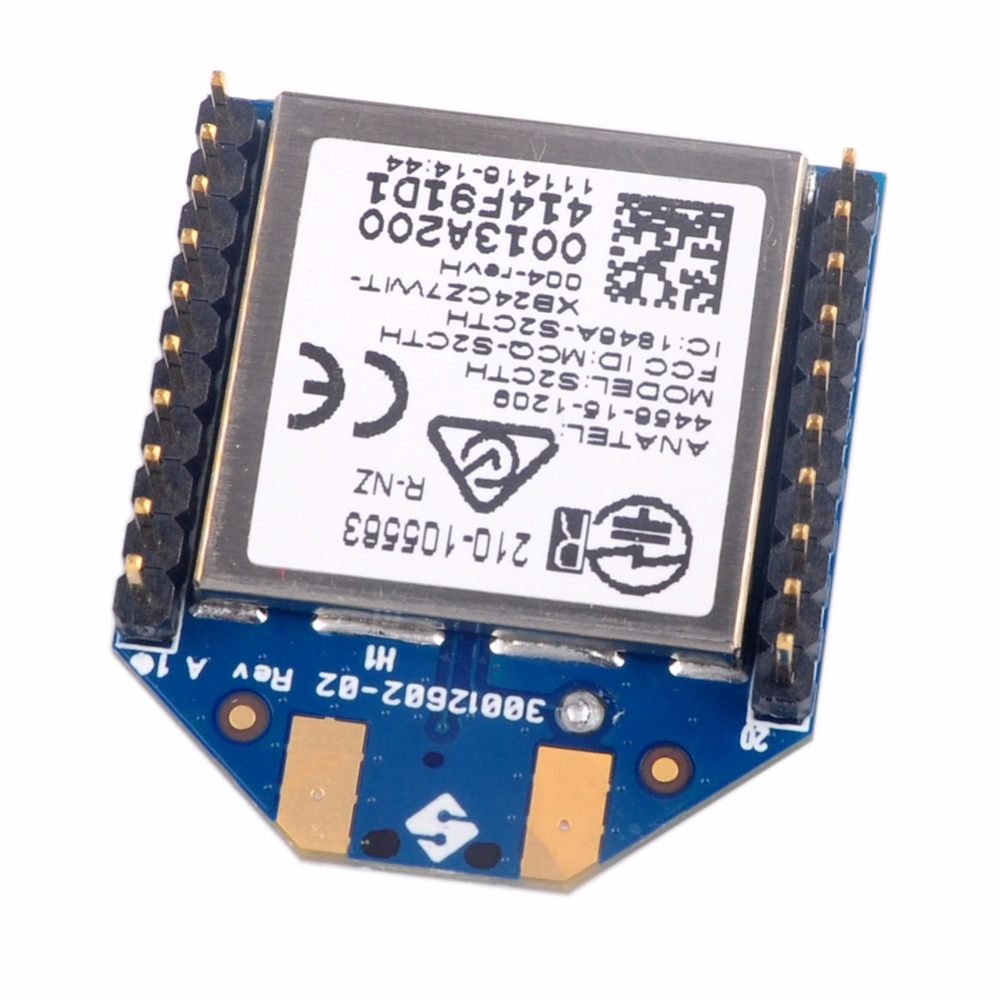
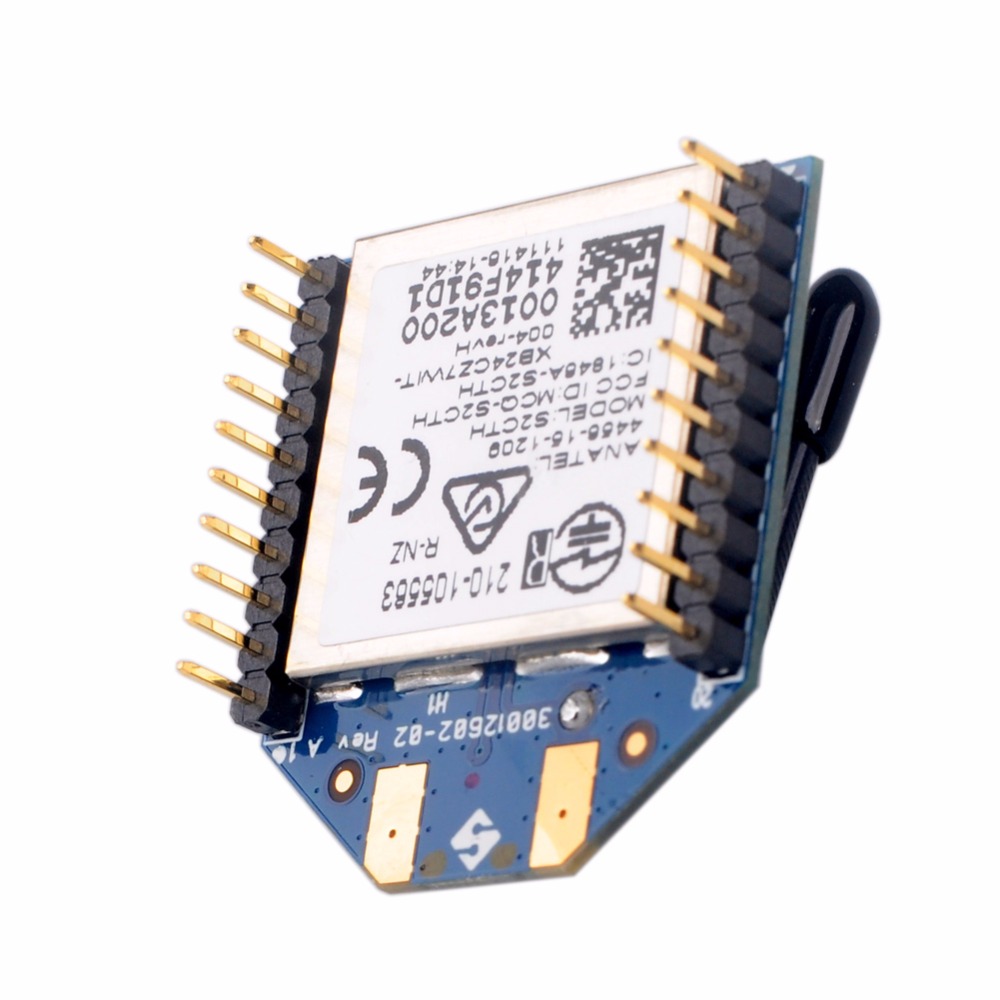
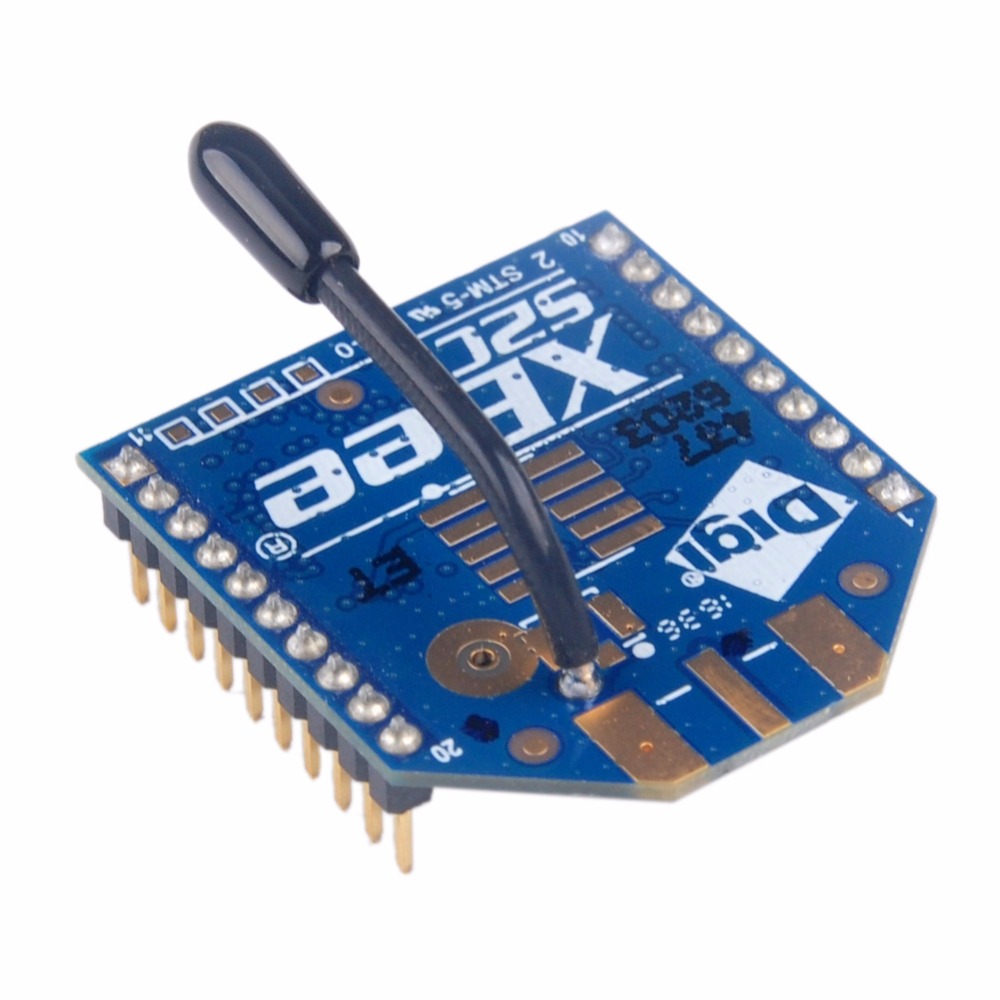
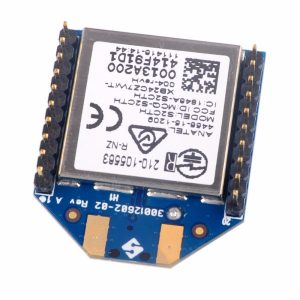
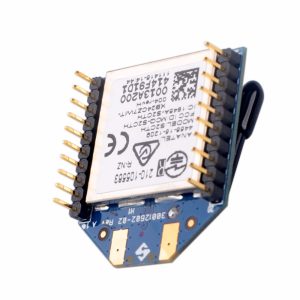
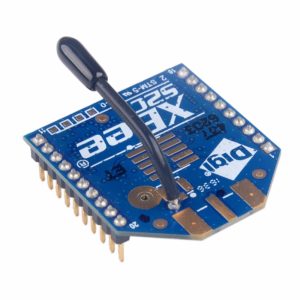
XBee S2C 6.3mW 1200m Zigbee wireless digital module S2 upgrade

SKU: FA1042
Model

XBee S2C (Hardware S2C)

Protocol

Zigbee PRO Feature Set, also updateable to 802.15.4 or DigiMesh

Frequency Band

ISM 2.4 GHz (Global use)

Transmit Power

6.3 mW (+8 dBm) in Boost Mode

Indoor/Urban Range

Up to 60m (200 ft)

Outdoor Line-of-Sight Range

Up to 1200m (4000 ft)

Supply Voltage

2.1V to 3.6V DC (Typically powered at 3.3V)

Transmit Current

33mA (Normal) / 45mA (Boost) @ 3.3V

Receive Current

28mA (Normal) / 31mA (Boost) @ 3.3V

Data Rate (RF)

250 Kbps

Serial Data Rate

Up to 1 Mbps (UART) / Up to 5 Mbps (SPI)

Antenna Options

Wire Antenna (as described in prompt), PCB, U.FL, RPSMA

Operating Temperature

-40°C to +85°C

XBee S2C 6.3mW 1200m Wireless Module: Zigbee Mesh Connectivity
The XBee S2C module is a powerful and reliable solution for embedding wireless communication into electronic devices. Manufactured by Digi International, this module builds upon the successful Series 2 architecture with improved power output, enhanced memory, and support for complex, self-healing Zigbee mesh networks. 
Operating in the universally accepted 2.4 GHz ISM band, the S2C module offers robust data transmission capabilities with an impressive outdoor line-of-sight range of up to 1200 meters (4000 feet) and 60 meters (200 feet) indoors. It functions as a versatile transceiver, easily configured as a Coordinator, Router, or End Device using Digi’s free XCTU software. This flexibility makes it ideal for a wide range of applications, including smart home automation, industrial monitoring, sensor networks, and remote control systems. 

Key Features
  • Zigbee Mesh Networking: Capable of creating scalable, self-healing mesh networks where each module can relay data for others, extending the overall range and reliability of the system.
  • Extended Range & Power: Features a transmit power output of up to 6.3mW (+8dBm) in boost mode, providing significant range improvements over older S2 models.
  • Dual Communication Interfaces: Supports both standard UART (up to 250 Kbps) and high-speed SPI (up to 5 Mbps burst) serial communication protocols for flexible integration with microcontrollers.
  • AT and API Modes: Can be configured and operated using simple AT commands (transparent mode, acts like a serial cable replacement) or the structured API mode for more complex network management and data routing.
  • Low Power Sleep Modes: Designed for energy efficiency with industry-leading sleep currents of less than 1µA, ideal for battery-powered end-devices.
  • Security: Features robust 128-bit AES encryption to protect sensitive data transmission.
  • Integrated I/O: Includes 4 10-bit ADC inputs and 15 digital I/O pins for direct sensor sampling and control without requiring an additional microcontroller. 

Technical Parameters (Specifications)
Parameter  Value/Description
Model XBee S2C (Hardware S2C)
Protocol Zigbee PRO Feature Set, also updateable to 802.15.4 or DigiMesh
Frequency Band ISM 2.4 GHz (Global use)
Transmit Power 6.3 mW (+8 dBm) in Boost Mode
Indoor/Urban Range Up to 60m (200 ft)
Outdoor Line-of-Sight Range Up to 1200m (4000 ft)
Supply Voltage 2.1V to 3.6V DC (Typically powered at 3.3V)
Transmit Current 33mA (Normal) / 45mA (Boost) @ 3.3V
Receive Current 28mA (Normal) / 31mA (Boost) @ 3.3V
Data Rate (RF) 250 Kbps
Serial Data Rate Up to 1 Mbps (UART) / Up to 5 Mbps (SPI)
Antenna Options Wire Antenna (as described in prompt), PCB, U.FL, RPSMA
Operating Temperature -40°C to +85°C
Usage Instructions
The XBee S2C module functions as a serial-to-wireless bridge and requires configuration using the free XCTU software from Digi. A breakout board or explorer board is required to connect the 20-pin module to a computer via USB or a microcontroller’s serial port. 
Configuration and Interfacing:
  1. Configure with XCTU: Use the XCTU software to discover your XBee modules and upload the necessary firmware (e.g., ZB Coordinator/Router/End Device firmware). You must set a common PAN ID (Personal Area Network Identifier) for all modules that need to communicate with each other.
  2. Hardware Connection: Connect the module to your microcontroller using its UART or SPI pins.
    • Connect VCC (Pin 10) to a stable 3.3V source.
    • Connect GND (Pin 1) to ground.
    • Connect the XBee’s DOUT/TX (Pin 2) to your MCU’s RX pin.
    • Connect the XBee’s DIN/RX (Pin 3) to your MCU’s TX pin.
  3. Data Transmission: In the default transparent (AT) mode, any data sent to the XBee’s serial input (DIN) is wirelessly transmitted to the destination module and output from its DOUT pin, behaving like a wireless serial cable. 
Q: What is the main difference between XBee Series 2 and the newer S2C?

The S2C uses a newer Silicon Labs EM357 SoC chip, which has more memory, better power efficiency, improved range/sensitivity, and can load all Series 2 firmware variants, offering better future-proofing and performance.

Q: Do I need two modules to use them?

Yes, you need at least two modules to establish a wireless link: one configured as a Coordinator (the network manager) and the other as a Router or End Device.

Q: Are these modules compatible with 5V Arduino boards (like the Uno)?

The XBee S2C operates at 3.3V logic levels. While the VCC pin should receive 3.3V power, you also need to use a logic level converter on the DIN/DOUT pins if connecting to a 5V Arduino board, as direct connection of 5V signals can damage the module.

Q: What software do I use to configure the XBee modules?

Configuration is managed exclusively using Digi International’s free, multi-platform XCTU software, which allows you to update firmware, set network IDs, configure I/O pins, and test connectivity.

Q: I am a business buyer. Are these FCC certified for commercial products?

Yes, the XBee S2C modules are fully FCC, IC, and CE certified, simplifying the regulatory approval process when integrating them into commercial products for global deployment.