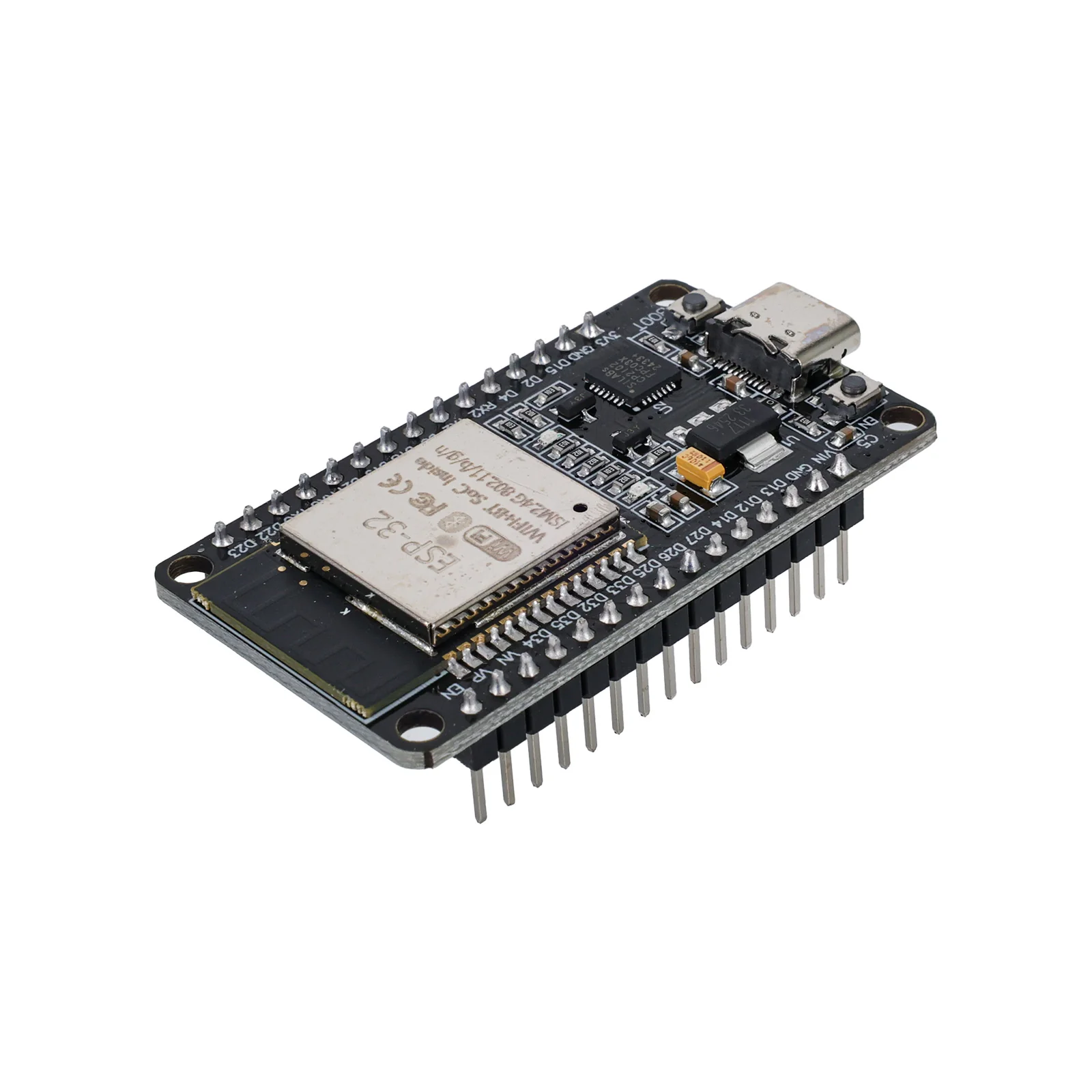
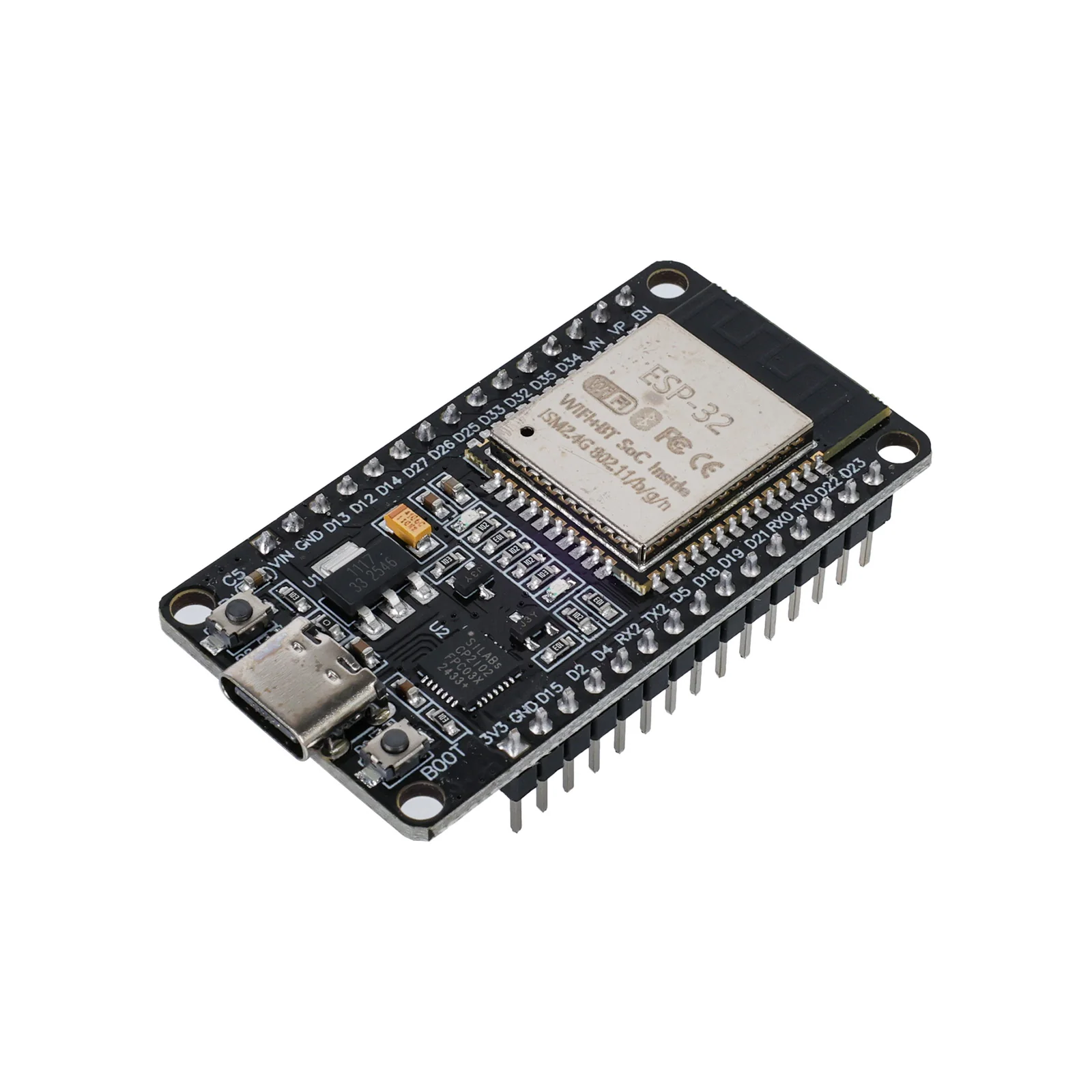
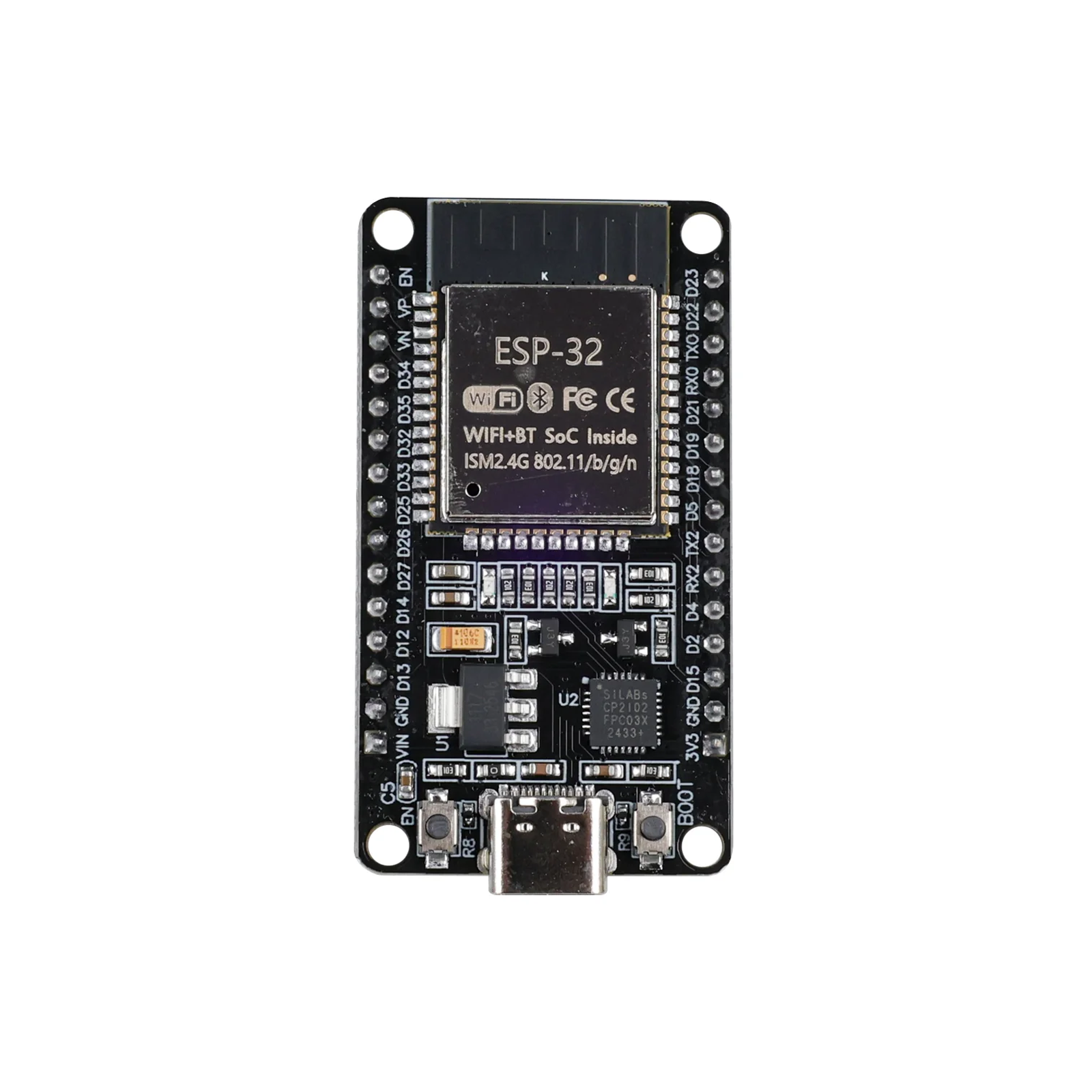
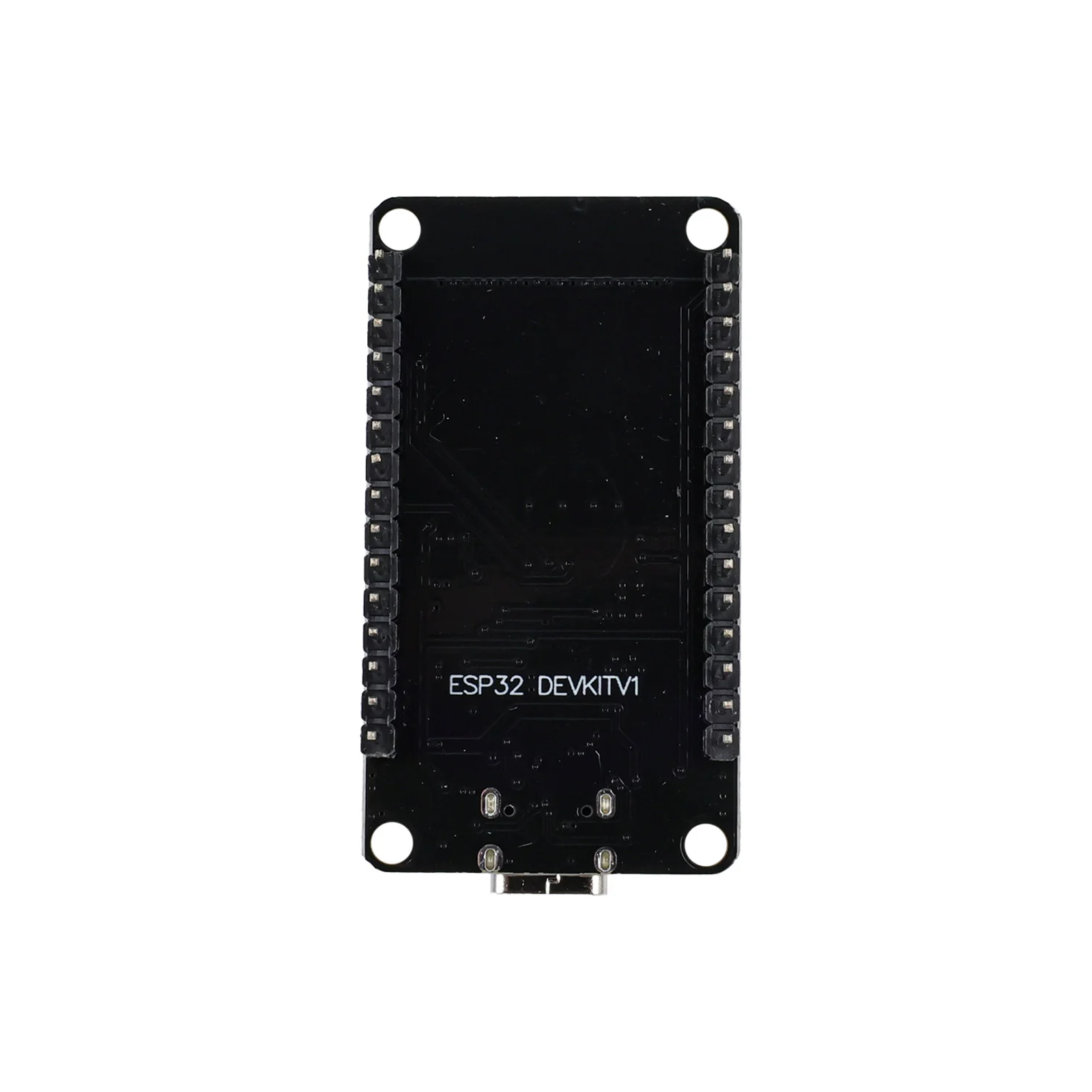
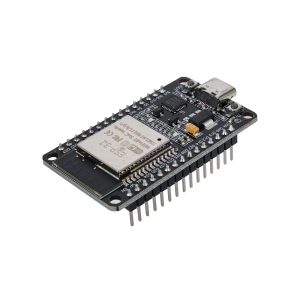
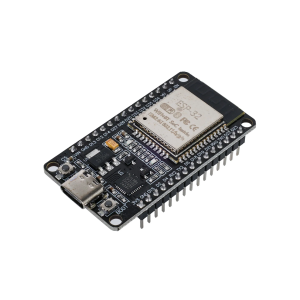
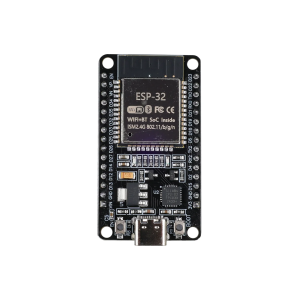
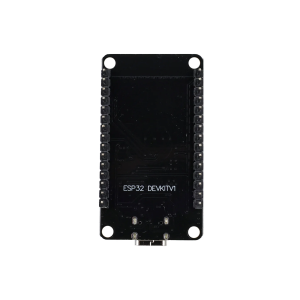
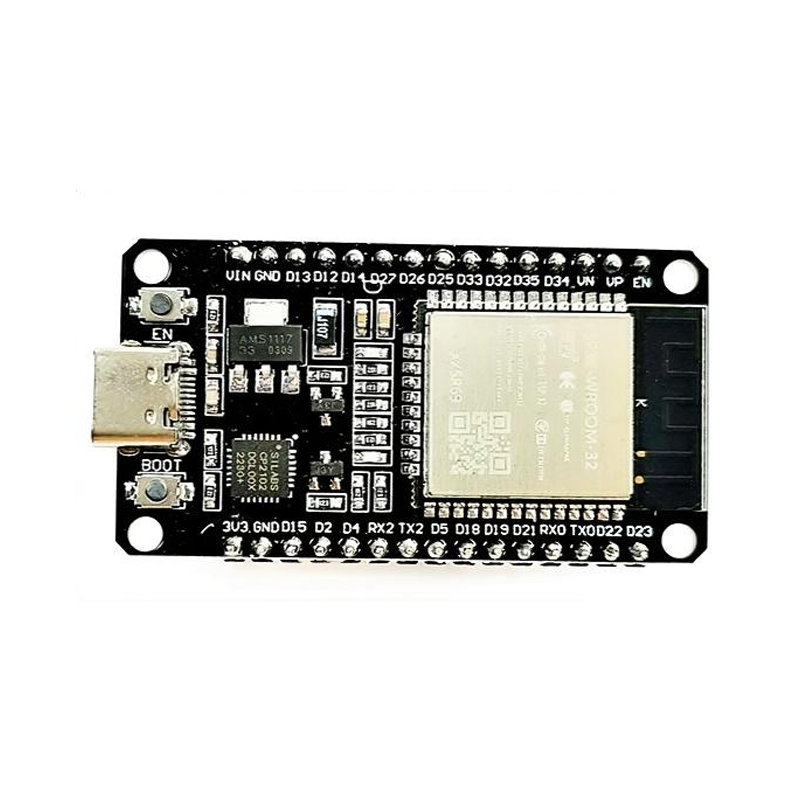
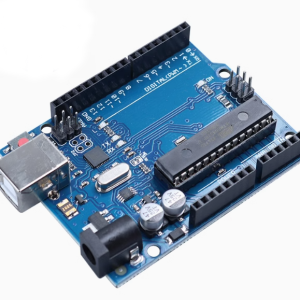
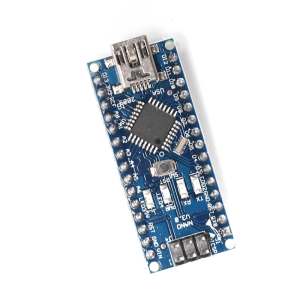
The ESP32 ESP-WROOM-32 + CP2102 Development Board is a compact, feature-rich platform designed for IoT development, wireless communication, and embedded prototyping. Built around the ESP32-WROOM-32 module and equipped with the reliable CP2102 USB-to-serial chip, this board offers a proven combination of dual-core processing power, integrated WiFi and Bluetooth connectivity, and stable programming support in a streamlined 30-pin form factor.
The ESP32-WROOM-32 module at the core of this board features a dual-core 32-bit microprocessor running at up to 240 MHz, with 4 MB of SPI flash memory for program and data storage. It supports WiFi 802.11 b/g/n and Bluetooth v4.2 BR/EDR and BLE, providing versatile wireless options for a wide range of applications, from smart home devices to industrial IoT gateways.
This version is equipped with the CP2102 USB-to-serial chip, a mature and widely supported interface solution known for its stability and broad driver availability. The CP2102 handles programming and serial communication over the Type-C USB port, which also serves as the board’s power supply. The Type-C connector offers reversible plug orientation and is increasingly standard across modern devices.
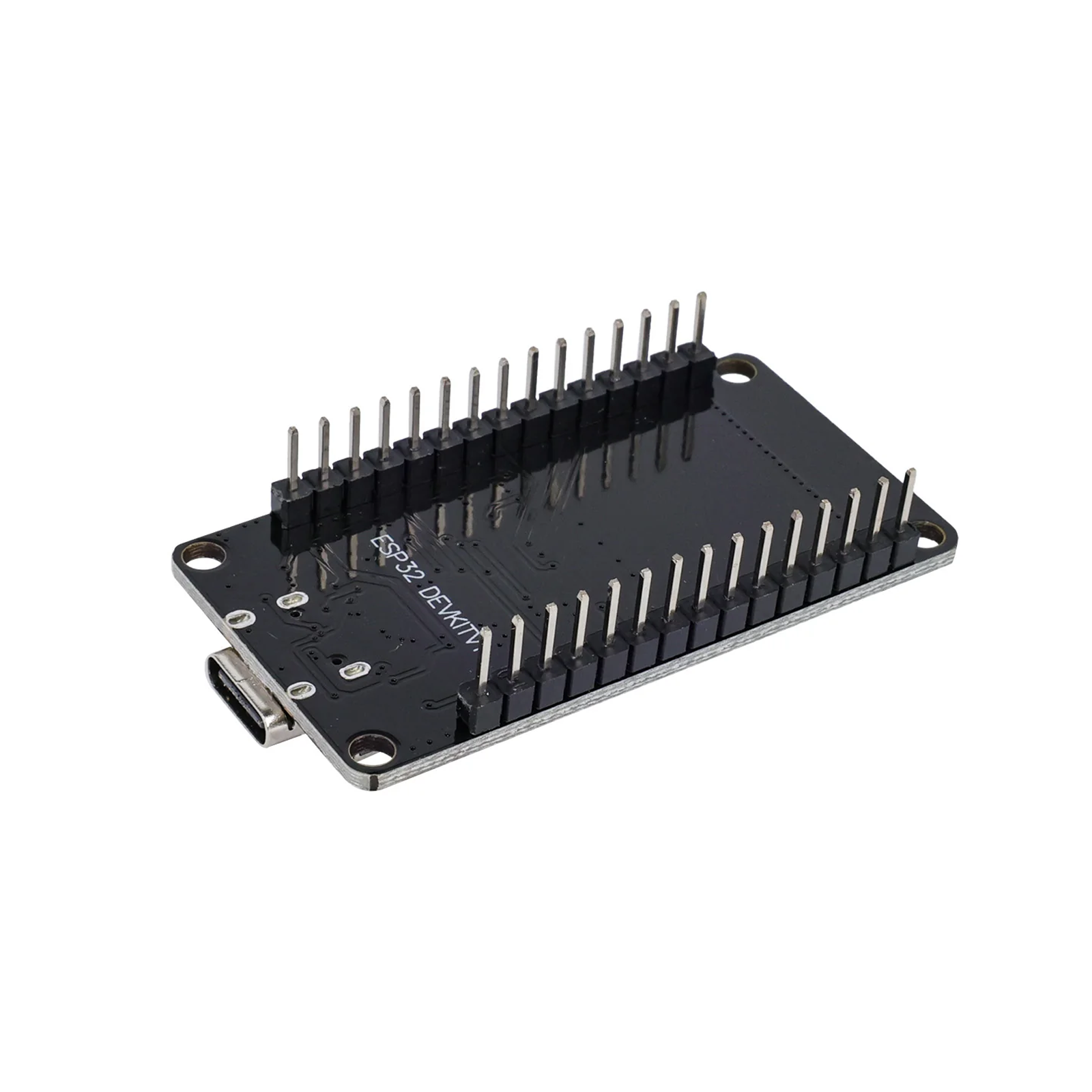
The 30-pin welded design provides a balanced set of I/O pins on standard 0.1-inch headers along both sides of the board. Compared to 38-pin variants, the 30-pin layout offers a more compact footprint while still exposing the most commonly used GPIOs, making it well-suited for breadboard prototyping and space-constrained projects. The welded construction means the headers are pre-soldered and ready to use without any assembly required.
The board includes a reset button (EN) and a boot button (Boot) for easy firmware flashing and operation. The board is compatible with Arduino IDE, ESP-IDF, and PlatformIO, with extensive community resources and libraries available.
Whether you are a beginner exploring IoT concepts, a hobbyist building connected projects, or a business deploying wireless solutions, the ESP32 ESP-WROOM-32 + CP2102 Development Board (30-Pin) offers a reliable, well-supported platform that balances performance, connectivity, and a compact form factor.
Features
-
ESP32-WROOM-32 module — dual-core 32-bit microprocessor with integrated WiFi and Bluetooth.
-
CP2102 USB interface chip — stable, widely supported USB-to-serial communication with mature drivers.
-
Type-C USB interface — modern reversible connector for power and data; widely compatible.
-
30-pin welded design — compact footprint with pre-soldered headers, ready to use without assembly.
-
Dual-core processing — up to 240 MHz clock speed for demanding applications.
-
Integrated WiFi — 802.11 b/g/n support for wireless networking and IoT connectivity.
-
Bluetooth v4.2 with BLE — supports both classic Bluetooth and Bluetooth Low Energy.
-
Essential pin breakout — the most commonly used GPIOs exposed on standard 0.1″ headers.
-
On-board buttons — EN (reset) and Boot buttons for easy firmware flashing.
-
4 MB SPI flash — ample program and data storage for most projects.
-
Breadboard compatible — standard header spacing allows direct mounting on breadboards.
Technical Specifications
Usage
Getting Started
-
Install the CP2102 driver if prompted — required on most systems for first-time use.
-
Connect the board to your computer using a Type-C USB cable.
-
Select your development environment — Arduino IDE, ESP-IDF, or PlatformIO.
-
Choose the correct board and port — select “ESP32 Dev Module” or the appropriate ESP32 board definition.
-
Upload your sketch or firmware.
-
Press the EN button if needed to reset the board after uploading.
Power Options
-
Type-C USB port — default power supply (5V) and communication interface.
-
5V and GND header pins — alternative power input.
-
3.3V and GND header pins — for regulated 3.3V supply.
Important: Use only one power source at a time to avoid damaging the board or power supply.
Typical Applications
-
IoT device development and prototyping — WiFi and Bluetooth connectivity for connected products.
-
Smart home automation — sensor networks, local web servers, and device control.
-
Wireless data logging and remote monitoring — 4 MB Flash for extended data storage.
-
Bluetooth Low Energy applications — beacons, wearables, and proximity sensing.
-
Space-constrained projects — 30-pin layout offers a smaller footprint than 38-pin variants.
-
Educational projects and STEM learning — a well-supported platform for teaching IoT concepts.
-
OEM integration for connected products — compact form factor for custom designs.
-
Corporate training and workshop demonstrations — reliable hardware for group learning.
Notes for Business Buyers
-
CP2102 interface — mature driver support and stable performance for bulk deployment.
-
Compact 30-pin design — ideal for space-constrained enclosures and portable devices.
-
Welded headers — ready for immediate use, reducing setup time in production and training environments.
-
Type-C connector — modern, widely adopted interface that simplifies cable management.
-
Suitable for bulk purchasing — ideal for educational institutions, labs, and product development teams.
Q: Is this board compatible with the Arduino IDE?
Yes. It works with the Arduino IDE when the ESP32 board definitions are installed. Select an appropriate ESP32 board type and the correct serial port.
Q: What is the difference between the 30-pin and 38-pin versions?
The 30-pin version offers a more compact footprint with the most commonly used GPIOs exposed. The 38-pin version provides access to additional GPIO pins for projects that require more I/O. Functionally, both use the same ESP32-WROOM-32 module.
Q: Do I need to install a driver for the CP2102 chip?
Yes. On most operating systems, a one-time CP2102 driver installation is required before the board is recognized. After installation, it works normally with development tools.
Q: What is the difference between the CP2102 and CH340 chips?
Both are USB-to-serial converters. The CP2102 is known for broad driver availability and stable performance. The CH340 is a common alternative with similar functionality but different driver requirements.
Q: Can I power this board from an external power supply?
Yes. You can power the board via the Type-C USB port, or through the 5V/GND or 3.3V/GND header pins. Use only one power source at a time to avoid damage.
Q: Does this board support WiFi and Bluetooth simultaneously?
The ESP32 hardware supports both WiFi and Bluetooth, but they share the same radio. In most applications, they can be used together with appropriate software configuration.
Q: How do I enter firmware download mode?
Hold down the Boot button, then press and release the EN button. Release the Boot button to enter download mode for flashing firmware.
Q: Is this board suitable for beginners?
Yes. With extensive documentation, community support, and compatibility with Arduino IDE and ESP-IDF, it is suitable for beginners and experienced developers alike.
Q: Can I use this board with a breadboard?
Yes. The standard 0.1-inch header spacing allows the board to be mounted directly on a breadboard for prototyping.
Q: Can I purchase in bulk for a school, company, or product development?
Yes. This board is suitable for both individual users and business purchasing, including classroom sets, corporate training, and OEM integration.