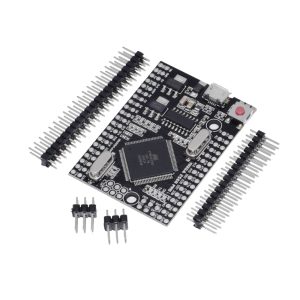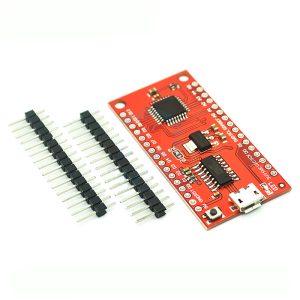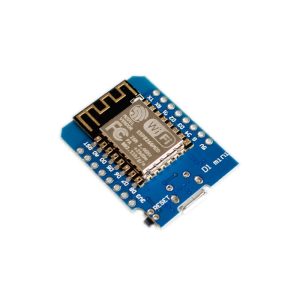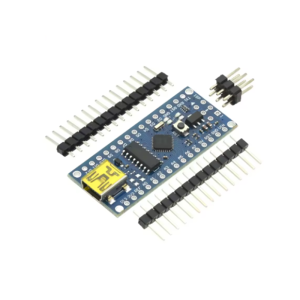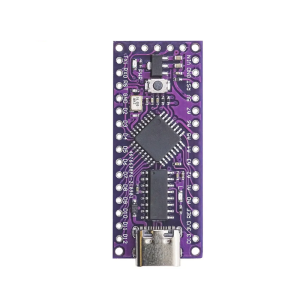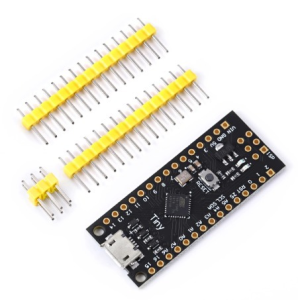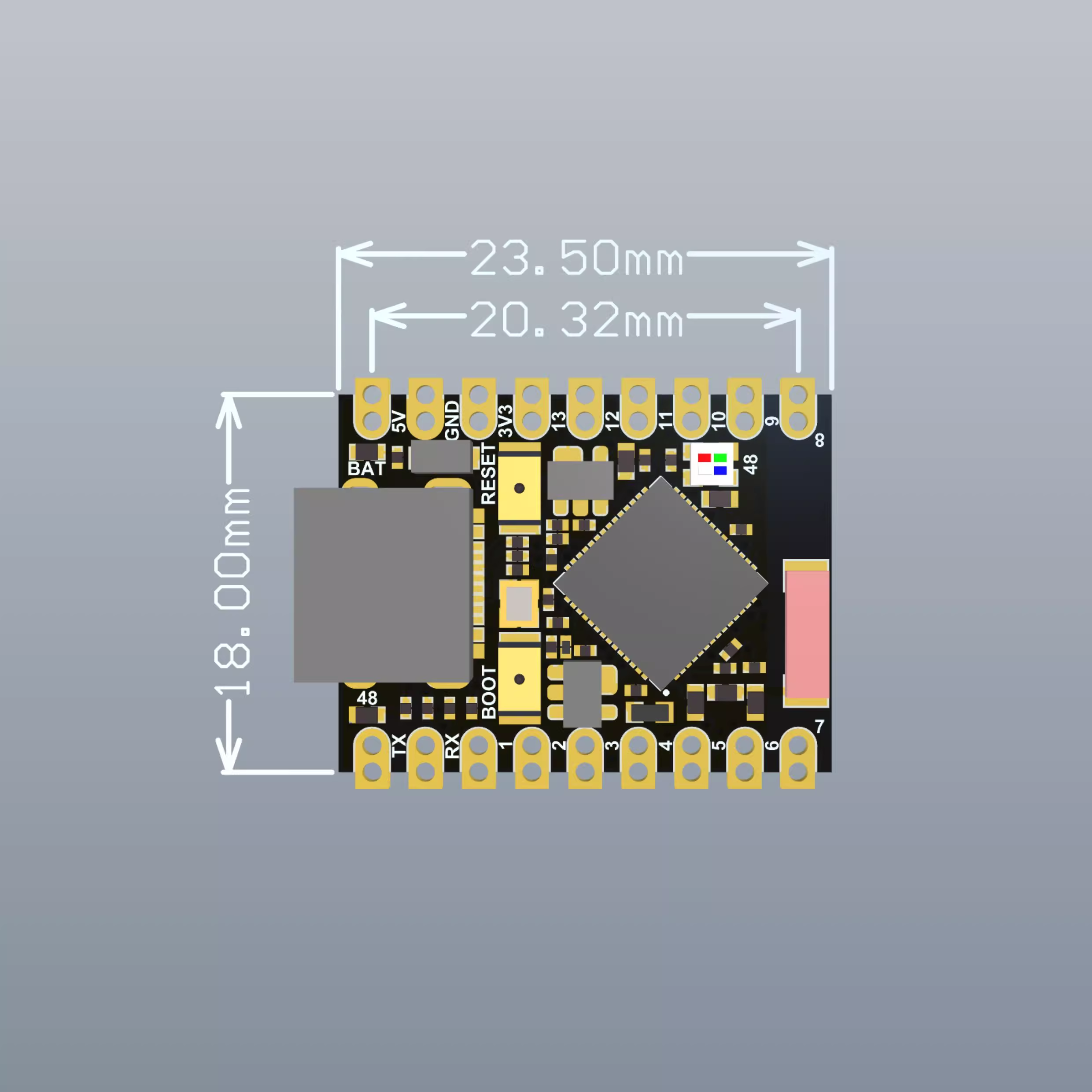
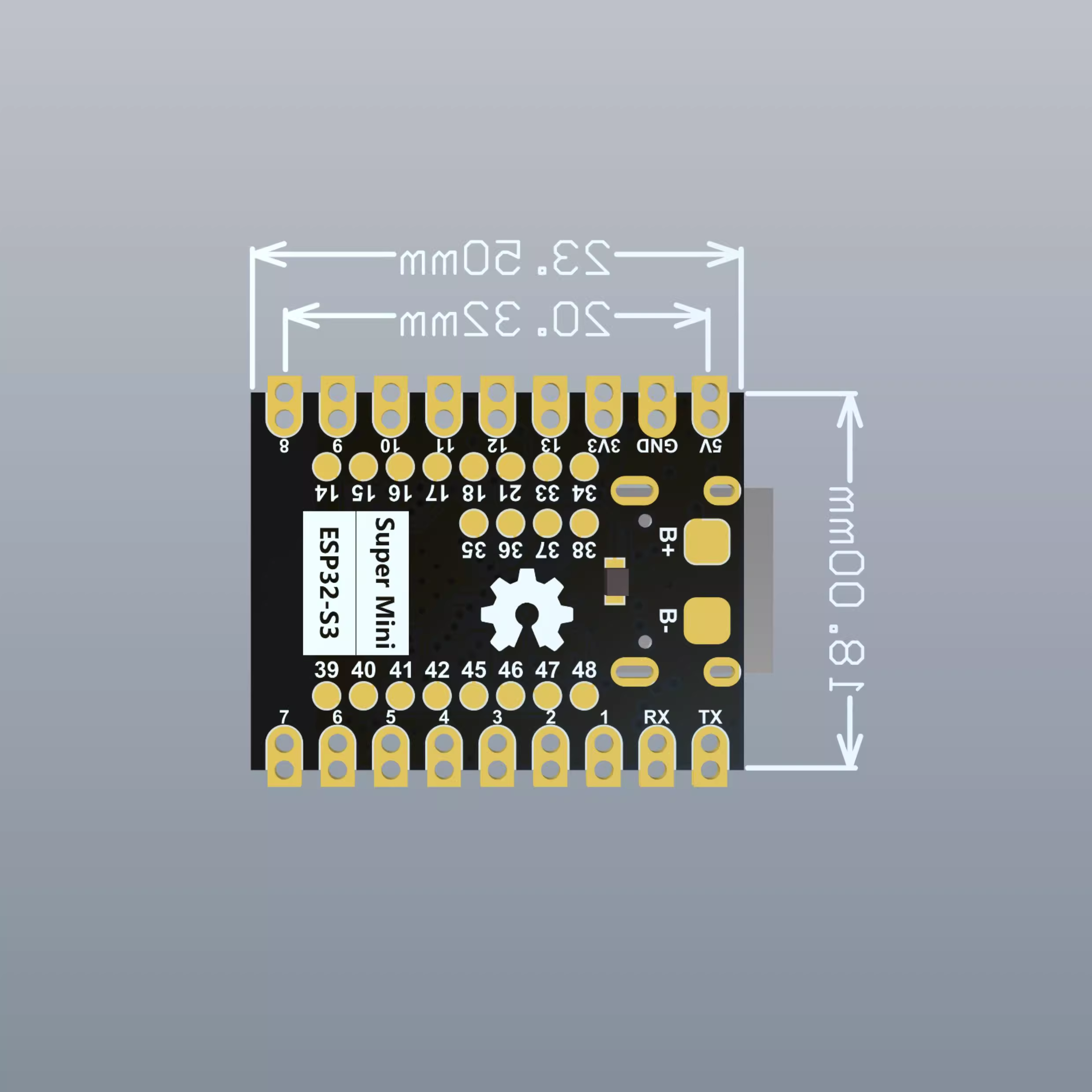
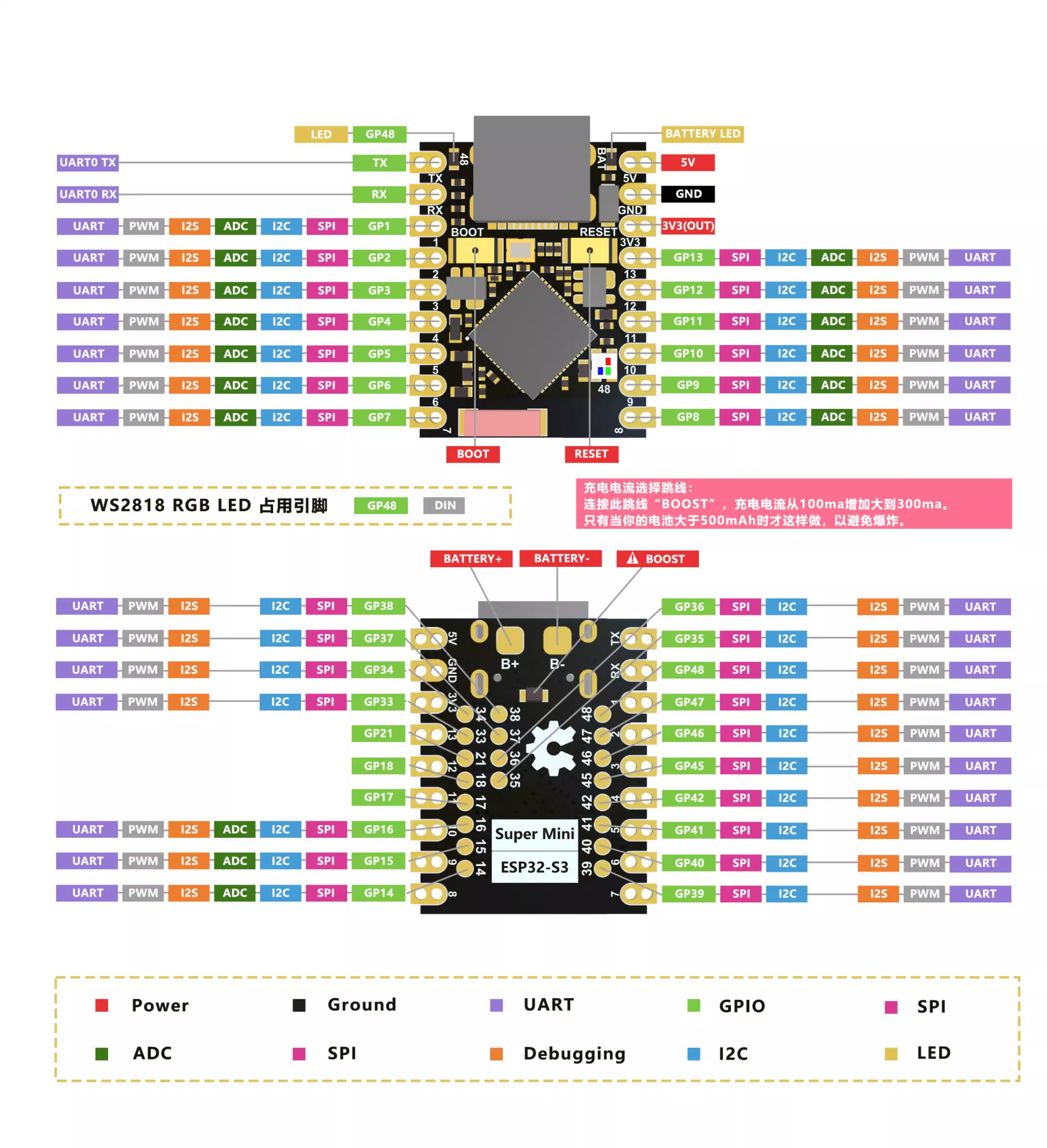
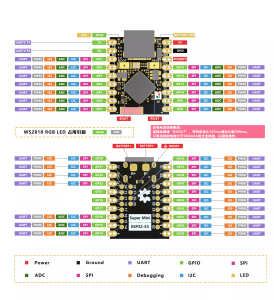
The ESP32-S3 SuperMini is an ultra-compact, high-performance development board engineered for space-constrained IoT applications. Featuring the powerful ESP32-S3 dual-core processor and a modern Type-C interface, this “SuperMini” variant provides the processing power of a full-sized DevKit in a footprint roughly the size of a postage stamp.
This version arrives unsoldered, offering maximum flexibility for engineers and makers who need to integrate the board directly into custom PCBs or low-profile enclosures.
Product Description
The ESP32-S3 SuperMini represents the pinnacle of miniaturized wireless computing in 2025. Despite its tiny size, it is powered by the Xtensa® 32-bit LX7 dual-core processor, which includes specialized AI vector instructions. This makes the SuperMini capable of handling advanced tasks such as local voice recognition, gesture control, and lightweight neural network inference at the “edge.”
With 4MB of SPI Flash, the board provides ample storage for complex firmware, while the integrated Wi-Fi and Bluetooth 5.0 (LE) ensure robust connectivity. The unsoldered headers allow for a significantly reduced vertical height, making it ideal for wearable technology, hidden smart-home sensors, and drone flight controllers where every millimeter and gram counts.
Key Features
- Ultra-Compact Footprint: One of the smallest ESP32-S3 boards on the market, designed for ultra-low-profile integration.
- AI-Enhanced Processor: The S3 architecture accelerates AI workloads, allowing for faster response times in smart applications.
- Unsoldered for Customization: Arrives with loose headers, allowing you to solder wires directly to the board or mount it flush against another PCB.
- Modern Type-C Interface: Includes a durable Type-C port for high-speed programming, debugging, and power delivery.
- Dual-Core Power: 240MHz clock speed enables multitasking without the latency found in single-core mini boards.
- Native USB OTG: Supports native USB communication, allowing the board to act as a keyboard, mouse, or MIDI controller (HID).