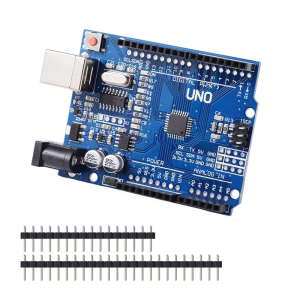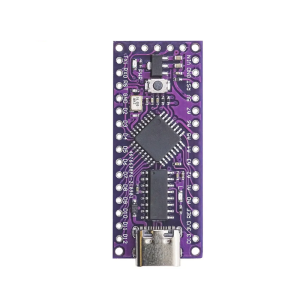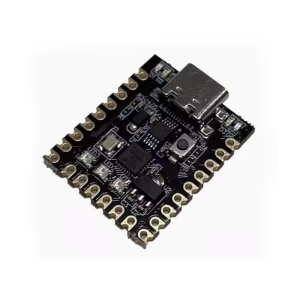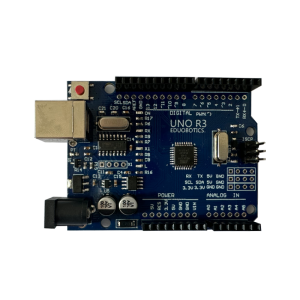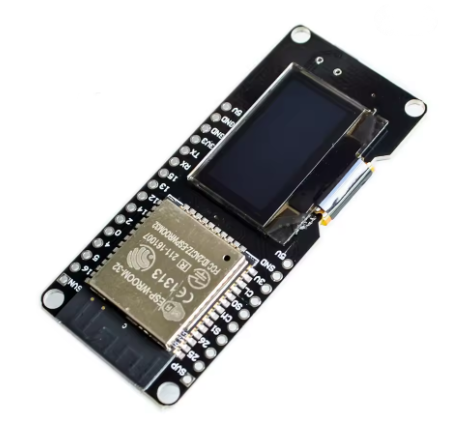
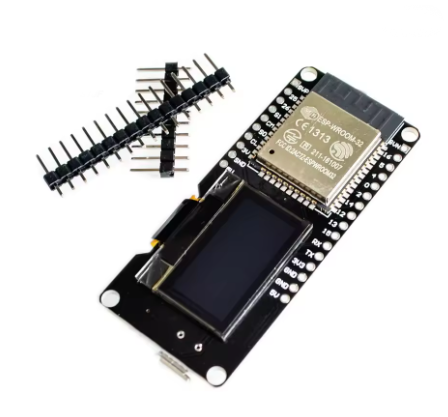
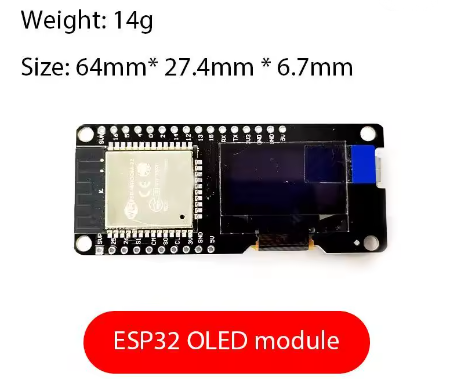
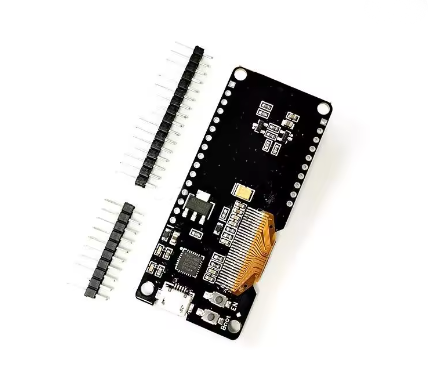
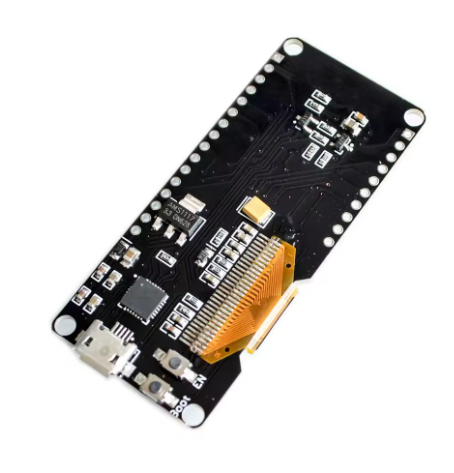
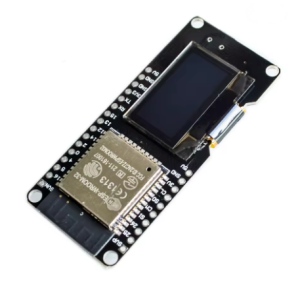
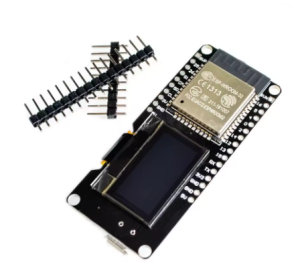
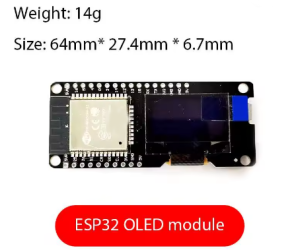
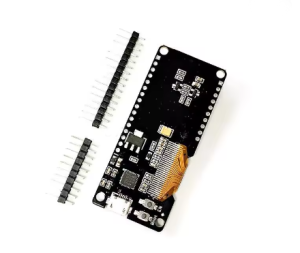
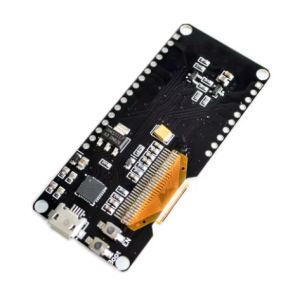
The ESP32 OLED Module is an advanced IoT development platform that integrates a high-resolution 0.96-inch OLED display directly onto an ESP32-WROOM-32 microcontroller board. By combining visual feedback with dual-mode wireless connectivity, this module eliminates the need for external wiring and breadboards, making it a professional-grade tool for both rapid prototyping and commercial IoT deployment in 2026.
Long Description
Designed for modern connected applications, the ESP32 OLED module features a powerful dual-core 240MHz processor and 4MB of Flash memory, providing the computational overhead needed for complex multitasking, such as simultaneously running a web server and a real-time display. The integrated 128×64 pixel OLED uses the reliable SSD1306 driver, allowing for crisp visualization of sensor data, network status, or custom user interfaces without the clutter of extra components.
For business purchasers, this board is an ideal “all-in-one” solution for smart industrial monitoring, medical wearables, and commercial security devices, as its compact form factor fits easily into standardized industrial housings. Individual makers benefit from its seamless integration with the Arduino IDE and MicroPython, allowing for a “plug-and-play” experience with minimal setup.
Key Features
- Integrated Visual Interface: Built-in 0.96″ OLED (128×64) eliminates external display wiring.
- Dual Wireless Connectivity: Supports Wi-Fi (802.11 b/g/n) and Bluetooth (Classic + BLE 4.2) for versatile remote communication.
- Battery Support: Includes an onboard 3.7V Lithium battery charging circuit with a JST connector for portable power.
- Dual-Core Performance: Multitasking-ready processor handles wireless stacks and user code independently.
- Rich I/O Expansion: Access to 28-32 GPIOs, including 12-bit ADCs, DACs, SPI, I2C, and UART.