Description
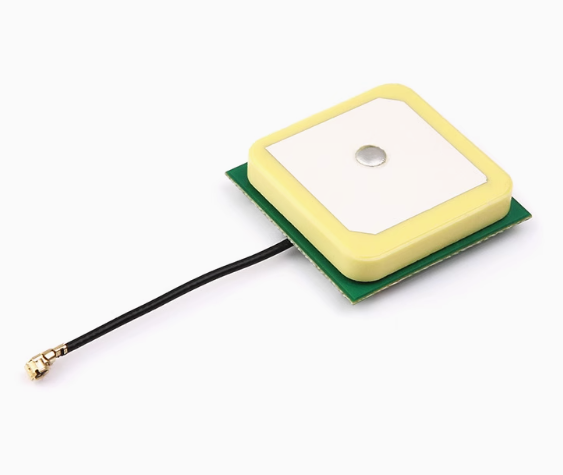
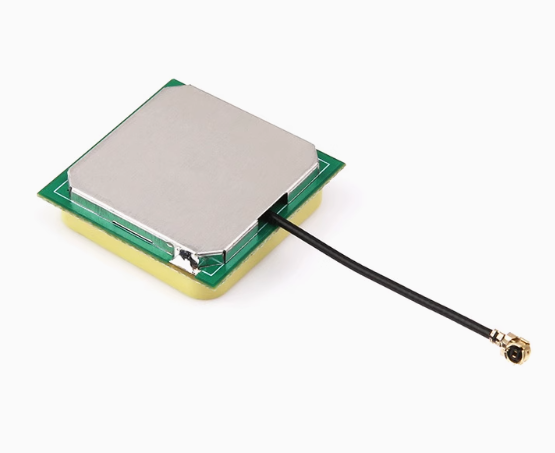
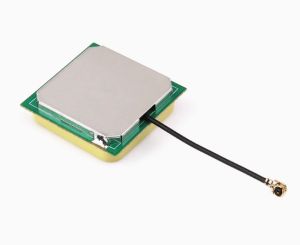
The Active Ceramic Antenna is a high-performance, externally mounted GPS antenna specifically designed to complement your GY-NEO-6M, GY-NEO-7M, or GY-NEO-8M flight controller GPS modules. Unlike the built-in ceramic antenna found on standard modules, this external active antenna allows for optimal placement in locations with a clear, unobstructed view of the sky, significantly improving satellite signal reception, Time-To-First-Fix (TTFF), and overall positional accuracy .
This antenna is classified as an “active” antenna, meaning it features a built-in Low Noise Amplifier (LNA). This amplifier boosts the weak signals received from GPS satellites before sending them down the cable to your GPS module . This design is critical for compensating for signal loss that naturally occurs when using longer cable runs, allowing you to place the antenna up to several meters away from the main electronics, such as on a vehicle roof, drone top plate, or marine deck .
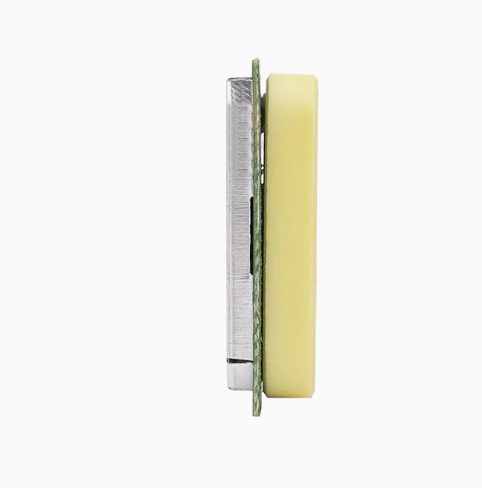
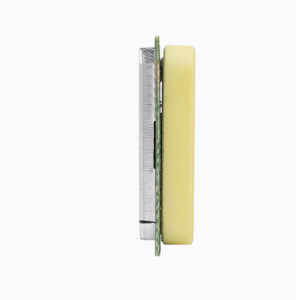
The antenna is housed in a durable, weather-resistant casing with a large ceramic patch element tuned to the GPS L1 frequency (1575.42 MHz). It features a right-hand circular polarization (RHCP), which is the standard for GNSS signals, ensuring maximum energy transfer from the satellite to the receiver .
Equipped with a u.FL (IPEX) connector and a short pigtail cable, this antenna is plug-and-play compatible with GY-NEO series modules that feature an external antenna connector. For installations requiring an SMA connection, a simple u.FL-to-SMA adapter cable can be used .
Whether you are a drone enthusiast struggling with signal loss due to carbon fiber frames, an automotive technician installing a hidden tracker, or a marine operator needing a waterproof solution, this active ceramic antenna is the essential accessory to unlock the full potential of your GPS module in challenging RF environments .
Key Features
-
Active Amplification (LNA) – Built-in Low Noise Amplifier boosts weak GPS signals, improving sensitivity and reducing Time-To-First-Fix (TTFF)
-
High Gain (28dB typical) – Provides excellent signal strength to overcome cable losses, ideal for installations requiring long cable runs
-
GPS L1 Band Tuned – Precision-tuned to 1575.42 MHz ± 4 MHz for optimal GPS satellite reception
-
Right-Hand Circular Polarization (RHCP) – Matches GNSS satellite signal polarization for maximum energy transfer and signal integrity
-
Integrated Ceramic Patch – High-performance 25mm × 25mm ceramic patch element for superior satellite tracking
-
Compact, Weather-Resistant Housing – Durable casing suitable for outdoor installation; rated for wide temperature range
-
u.FL / IPEX Connector – Standard connector directly compatible with GY-NEO series GPS modules; no soldering required
-
Low Noise Figure (1.5dB typical) – Minimizes signal degradation introduced by the amplifier itself
-
Wide Operating Temperature -45°C to +85°C – Suitable for harsh automotive, drone, marine, and industrial environments
Technical Specifications
Q: What is the difference between an "active" and "passive" GPS antenna?
An active antenna includes a built-in Low Noise Amplifier (LNA) powered by your GPS module (typically 3V–5V). This amplifies weak satellite signals, compensates for cable losses, and allows longer cable runs (several meters). A passive antenna has no amplifier, requires very short cables (under 30cm), and is only suitable for strong signal environments . This product is an active antenna.
Q: Will this antenna work with my GY-NEO-6M/7M/8M V2 module?
Yes, provided your GY-NEO module has the external antenna connector variant (featuring a u.FL/IPEX port). This antenna is specifically designed to be compatible with these modules. If your module has an SMA connector, you will need a u.FL-to-SMA adapter cable
Q: Do I need to provide external power to this antenna?
No. Active GPS antennas receive their operating power (typically 3V–5V DC) directly from the GPS module through the same coaxial cable used for the signal. The GY-NEO series modules are designed to provide this “antenna bias” voltage automatically .
Q: How long can the cable be between the antenna and the GPS module?
With a high-gain active antenna like this (28dB typical), you can use cables up to 5–7 meters depending on cable quality . For RG174 coax cable, loss is approximately 1.2dB per meter . Your total system gain (antenna gain minus cable loss) should remain above the GPS module’s minimum input requirement (typically 20–25dB).
Q: Why is my GPS module not getting a fix after connecting this antenna?
Check the following: (1) Ensure the antenna has a clear, unobstructed view of the sky — not under a metal roof or behind metallic window tint . (2) Verify the u.FL connector is fully seated (it should click into place). (3) Allow 5–15 minutes for the first “cold start” acquisition. (4) Confirm your GPS module is configured to use an external antenna (some modules auto-detect; others may require a setting change).
Q: Can I mount this antenna outdoors in the rain?
Yes. The antenna is housed in a weather-resistant casing and rated for operation from -45°C to +85°C, making it suitable for outdoor use . However, for permanent marine or exposed installations, we recommend adding a layer of dielectric grease to the connector and using heat shrink or weather-sealing tape for additional protection.
Q: What does "Right-Hand Circular Polarization (RHCP)" mean?
GPS satellites transmit signals using Right-Hand Circular Polarization. Using an RHCP antenna ensures maximum signal transfer from the satellite to your receiver. A linearly polarized antenna (common in cheap WiFi/GSM antennas) would result in a 3dB signal loss (approximately 50% power reduction) .
Q: Can I use this antenna for GLONASS, BeiDou, or Galileo?
This antenna is optimized for GPS L1 (1575.42 MHz). While GLONASS L1 (1602 MHz) and BeiDou B1 (1561 MHz) are relatively close, performance may be reduced. For true multi-GNSS performance across all constellations (GPS+GLONASS+BeiDou+Galileo), we recommend a wideband active antenna covering 1559MHz – 1610MHz (sold separately).
Q: What is the purpose of the Interference Suppression specification (30dB @ ±100MHz)?
This specification indicates the antenna’s built-in filter attenuates signals far from the GPS frequency by 30dB (1000x power reduction). This is important for rejecting interference from nearby cellular transmitters, WiFi routers, and other RF sources that could otherwise swamp the sensitive GPS receiver .
Q: Can I connect two antennas to the same GPS module using a splitter?
No. Using a passive splitter will divide the signal power between both antennas, likely dropping it below your receiver’s sensitivity threshold. If you need multi-antenna functionality (e.g., for anti-jamming), you require a specialized device like an anti-jamming unit or a switched diversity system, not a simple splitter .