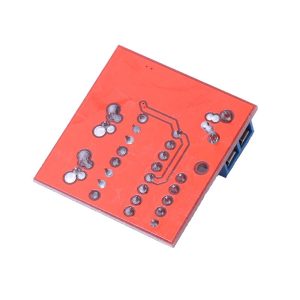
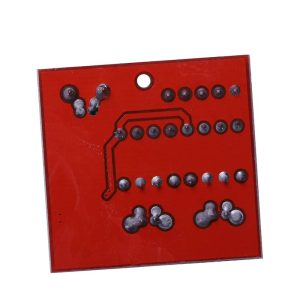
Description
Product Overview
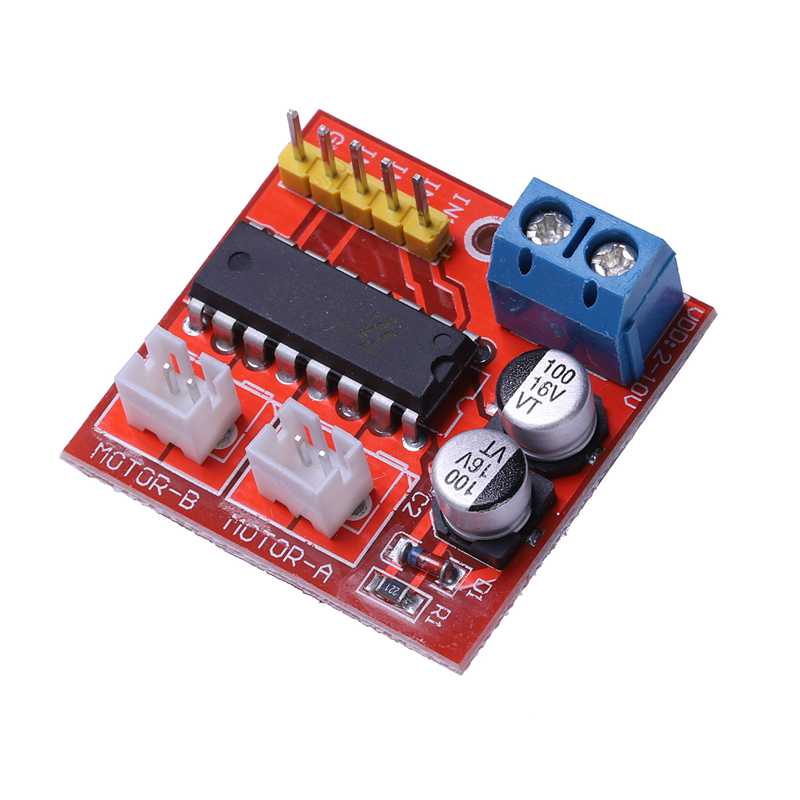
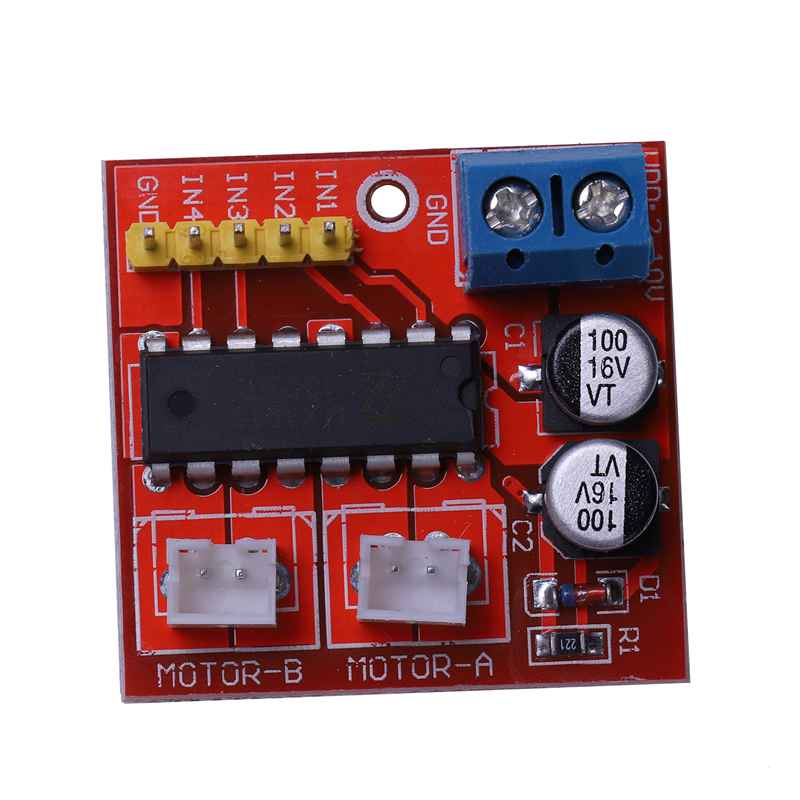
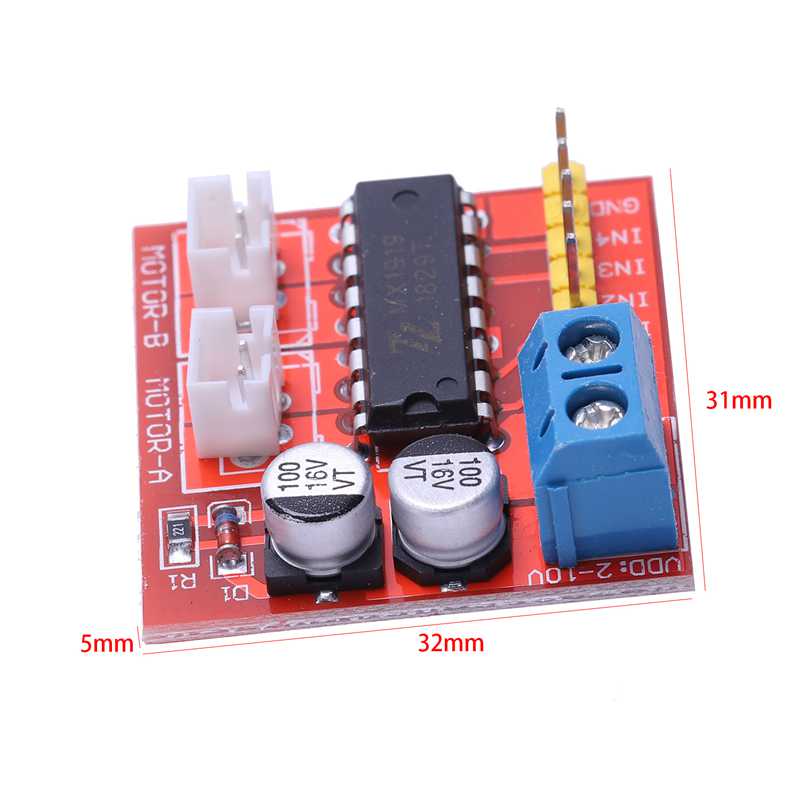
The 2.5A Dual Motor Drive Module is a next-generation, enhanced motor driver designed as a superior alternative to the classic L298N. While maintaining the same easy-to-use control logic, this module replaces the inefficient bipolar transistors of the traditional L298N with low on-resistance MOS switches . This fundamental upgrade results in dramatically reduced heat generation, eliminating the need for bulky heatsinks and making it significantly more energy-efficient—an ideal characteristic for battery-powered applications .
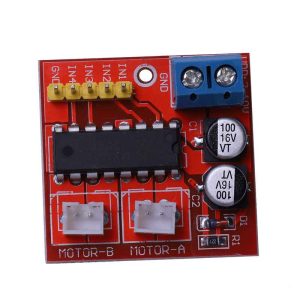
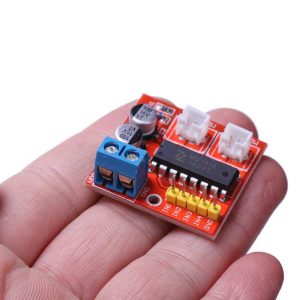
This compact driver board serves as a powerful interface between your microcontroller (Arduino, STM32, ESP32, Raspberry Pi) and your motors. It provides two independent H-bridges capable of driving two DC motors or one bipolar stepper motor with full forward/reverse direction control and PWM speed regulation.
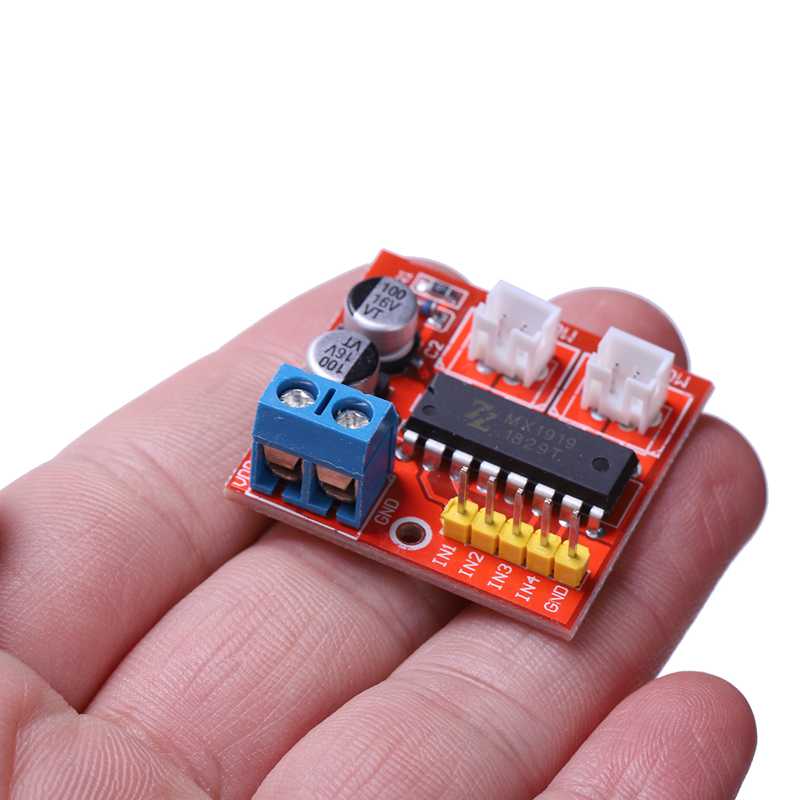
Whether you are building a smart car, a robotic arm, a conveyor system, or any battery-operated project, this enhanced driver delivers higher efficiency, built-in thermal protection, and a smaller footprint than traditional solutions, ensuring reliable operation and longer battery life .
Key Features
-
Enhanced H-Bridge Design: Utilizes advanced MOSFET switches with ultra-low conduction resistance . Unlike traditional L298N modules that use inefficient bipolar transistors and require large heatsinks, this design generates minimal heat, saving energy and space .
-
2.5A Peak Current Capacity: Each channel can deliver a continuous current suitable for a wide range of motors, with a robust peak current of 2.5A to handle demanding startup loads and stall conditions .
-
Built-in Thermal Protection: Features an integrated thermal protection circuit with hysteresis (TSD). If the motor stalls or the module is overloaded, the driver safely shuts down to prevent damage and automatically resumes operation once the temperature drops .
-
Wide Logic Compatibility: Signal input voltage range of 1.8V to 7V makes this module directly compatible with both 5V microcontrollers (like Arduino) and 3.3V systems (like ESP32, Raspberry Pi Pico) without requiring level shifters .
-
Low Voltage Operation: Supports motor supply voltages from 2V to 10V, making it perfect for battery-powered devices using 2-6 AA batteries or single-cell lithium batteries .
-
Fail-Safe Inputs: Built-in common-mode conduction circuit ensures the motor does not malfunction when the input pins are left floating .
-
Ultra-Low Standby Current: Consumes less than 0.1uA in standby mode, preserving battery life in portable applications and making it ideal for low-power designs .
-
Compact Form Factor: Small footprint allows for easy integration into space-constrained projects like mini robots, drones, and compact automation equipment .
-
Versatile Motor Control: Capable of independently controlling two DC motors with forward, reverse, brake, and PWM speed functions, or driving one 4-wire bipolar stepper motor .
Technical Specifications
| Parameter | Operating Value |
|---|---|
| Motor Supply Voltage (VM) | 2V – 10V |
| Logic Signal Voltage | 1.8V – 7V |
| Continuous Output Current (Per Channel) | 1.5A |
| Peak Output Current (Per Channel) | 2.5A |
| Standby Current | < 0.1µA |
| PWM Frequency Range | 0 – 200kHz |
| Thermal Protection | Yes (with auto-recovery) |
| Operating Temperature Range | -40°C to +85°C |
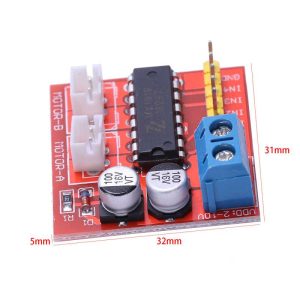
| Board Dimensions (Approx.) | 33mm x 31mm x 5mm |
| Mounting Hole Diameter | 2mm |
| Weight | 8g (approx.) |
Reviews
There are no reviews yet.