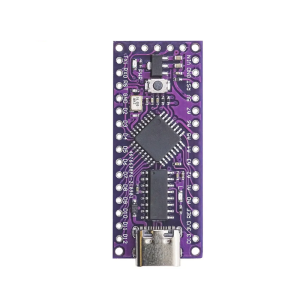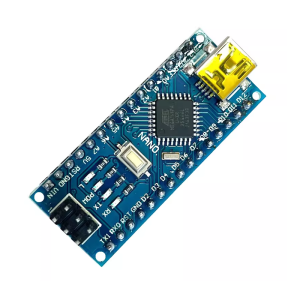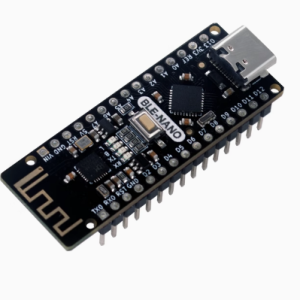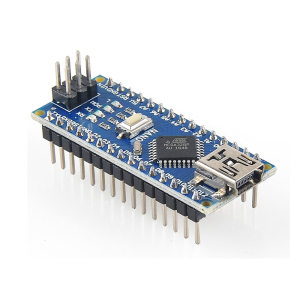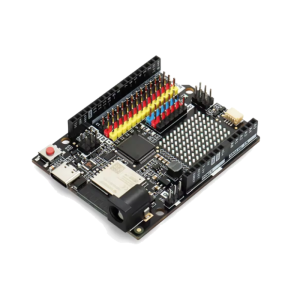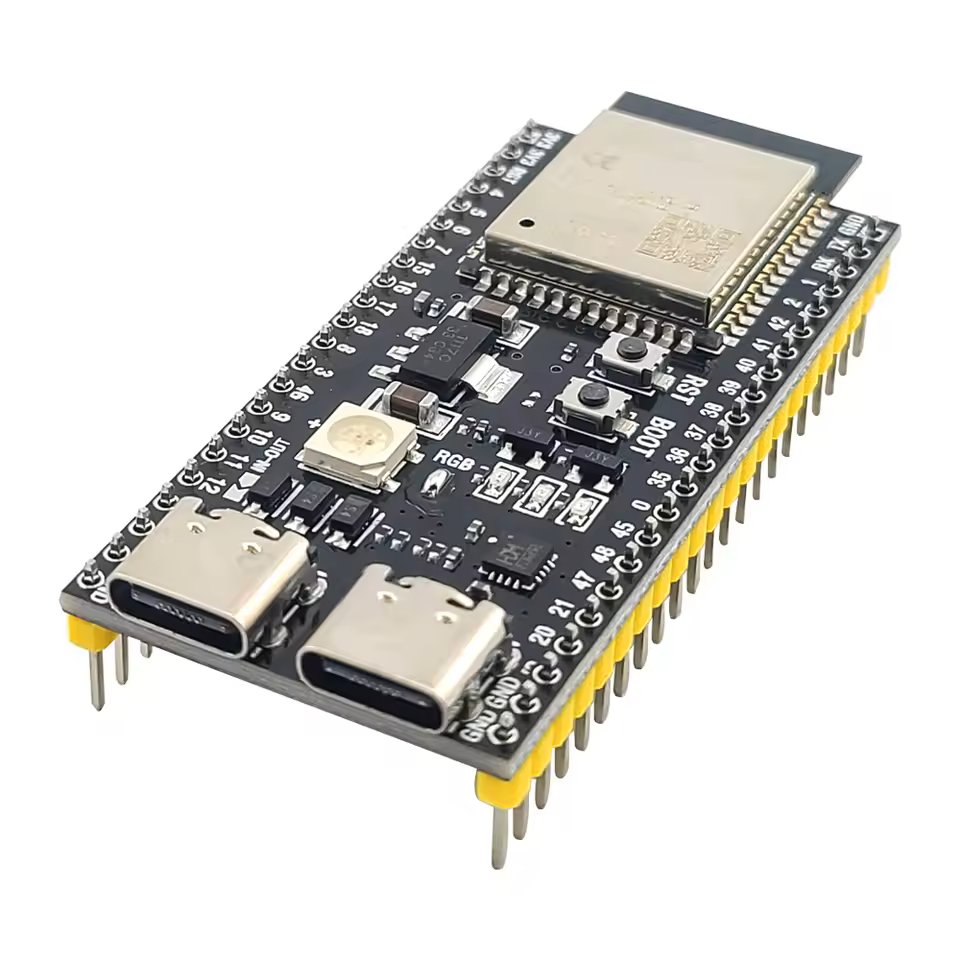
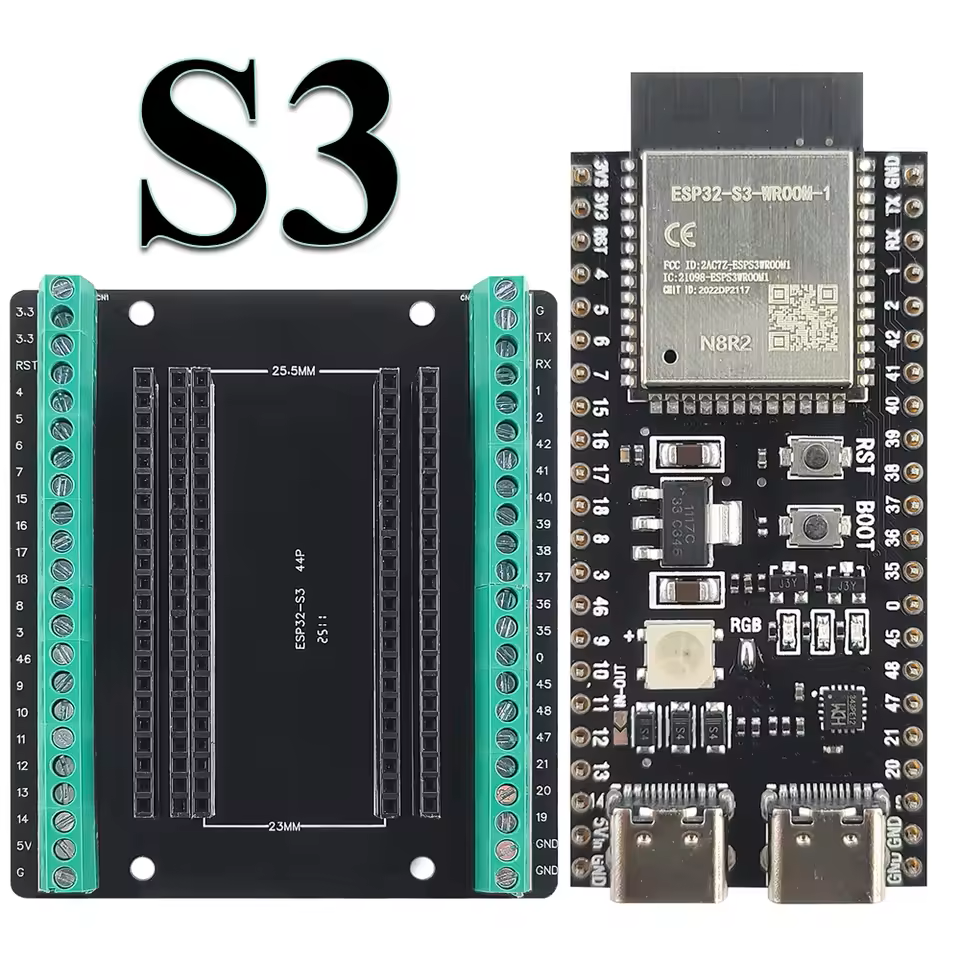
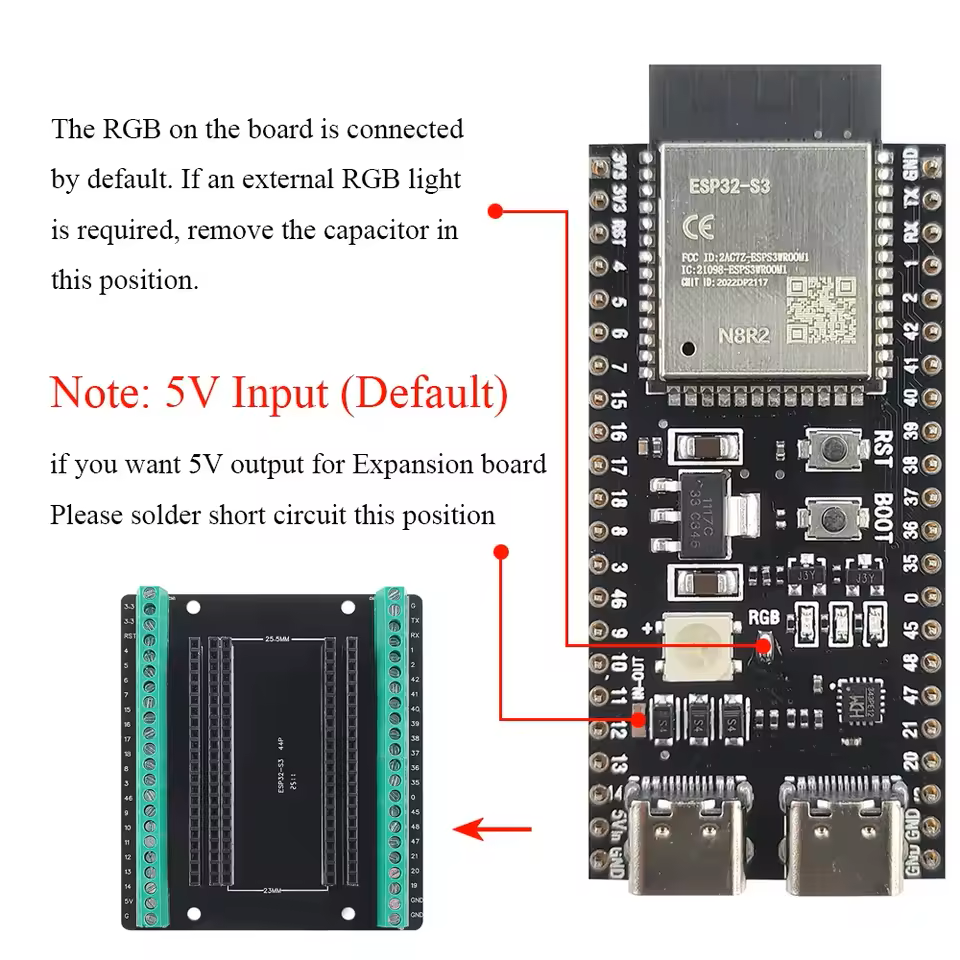
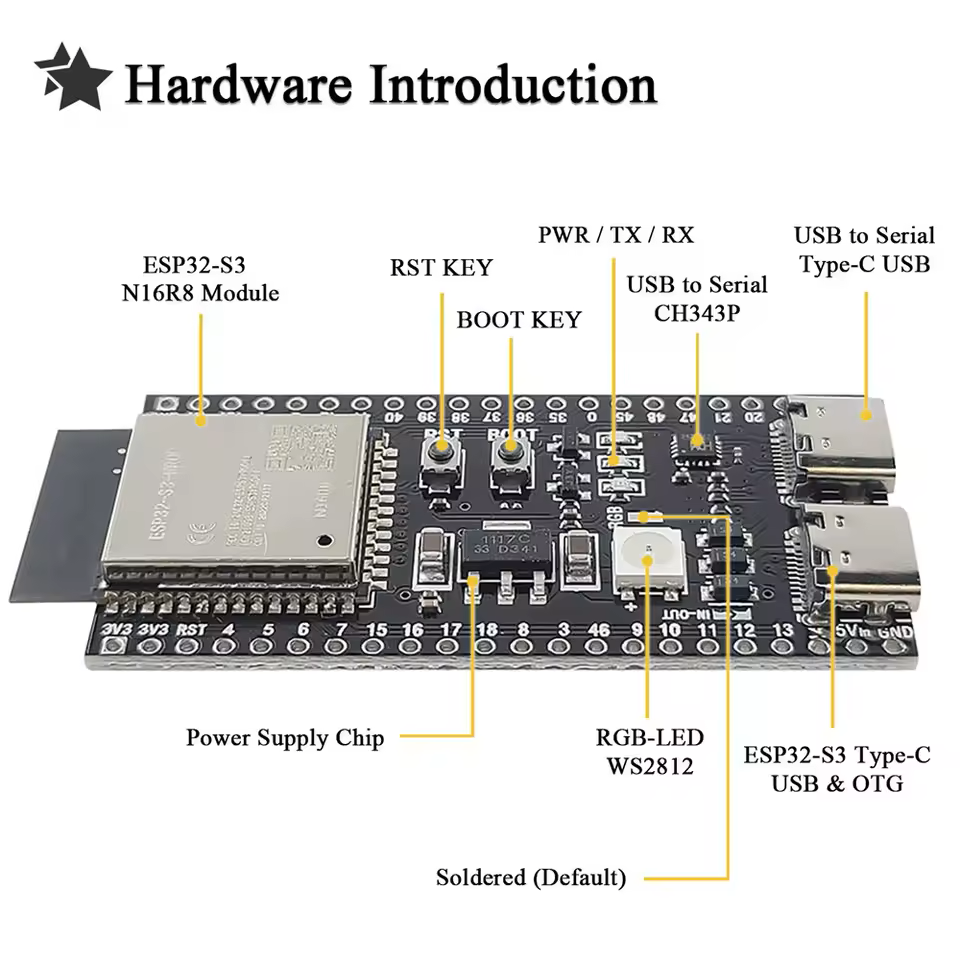
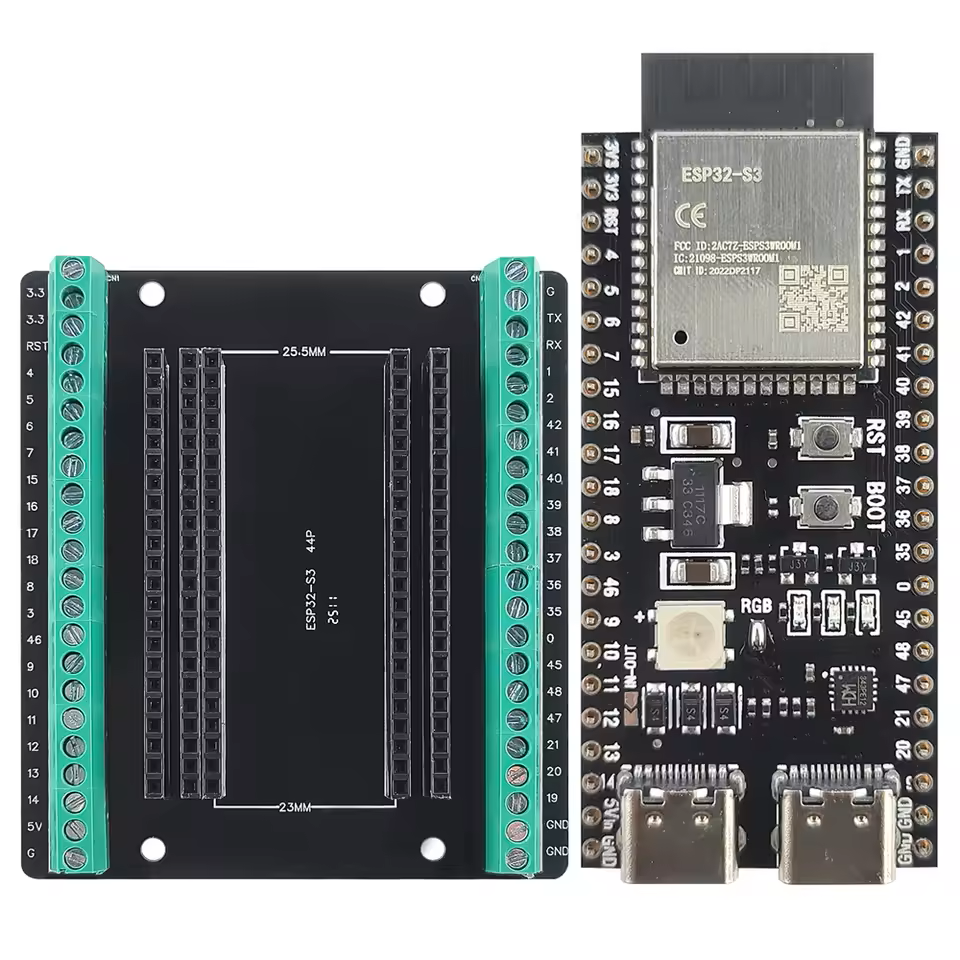
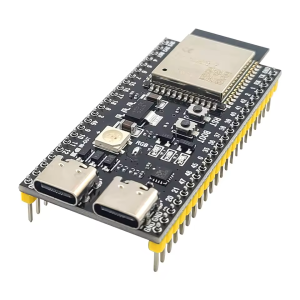
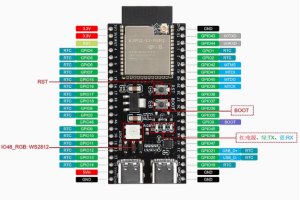
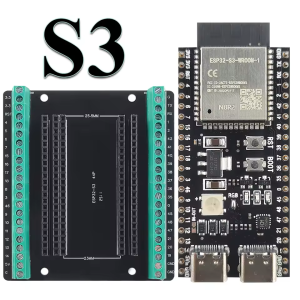
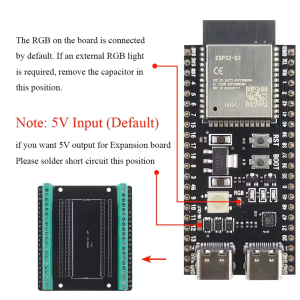
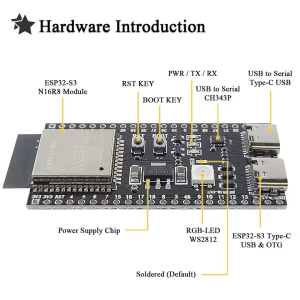
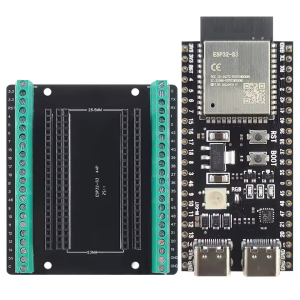
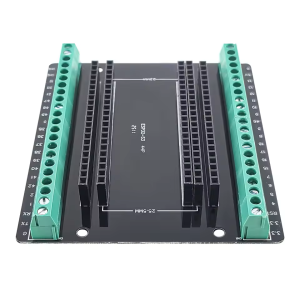
This high-performance ESP32-S3-N8R2 (Welded Version) is a professional-grade development board featuring the ESP32-S3-WROOM-1 module. In 2025, this configuration is a preferred choice for developers who need the balanced power of 8MB Flash and 2MB PSRAM in a ready-to-use, pre-soldered format. Featuring an expanded 42-pin layout and dual Type-C interfaces, it is built for the next generation of AIoT applications.
Product Description
The ESP32-S3-N8R2 is a powerhouse optimized for Edge AI and high-speed wireless communication. At its core is the Xtensa® LX7 dual-core processor, which includes specialized vector instructions to accelerate neural network computing and signal processing.
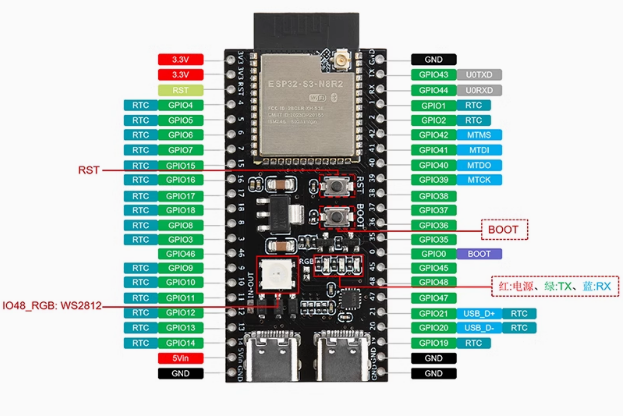
This “N8R2” variant provides a generous 8MB of SPI Flash and 2MB of Quad PSRAM, offering a middle-ground memory configuration that is more powerful than standard modules while remaining cost-effective for mass-deployment prototypes. The board features an expanded 42-pin layout for maximum GPIO accessibility and dual Type-C ports: one for high-stability UART debugging and another for native USB OTG functionality. This version is pre-welded (soldered), ensuring a secure connection for immediate use in professional environments.
Key Features
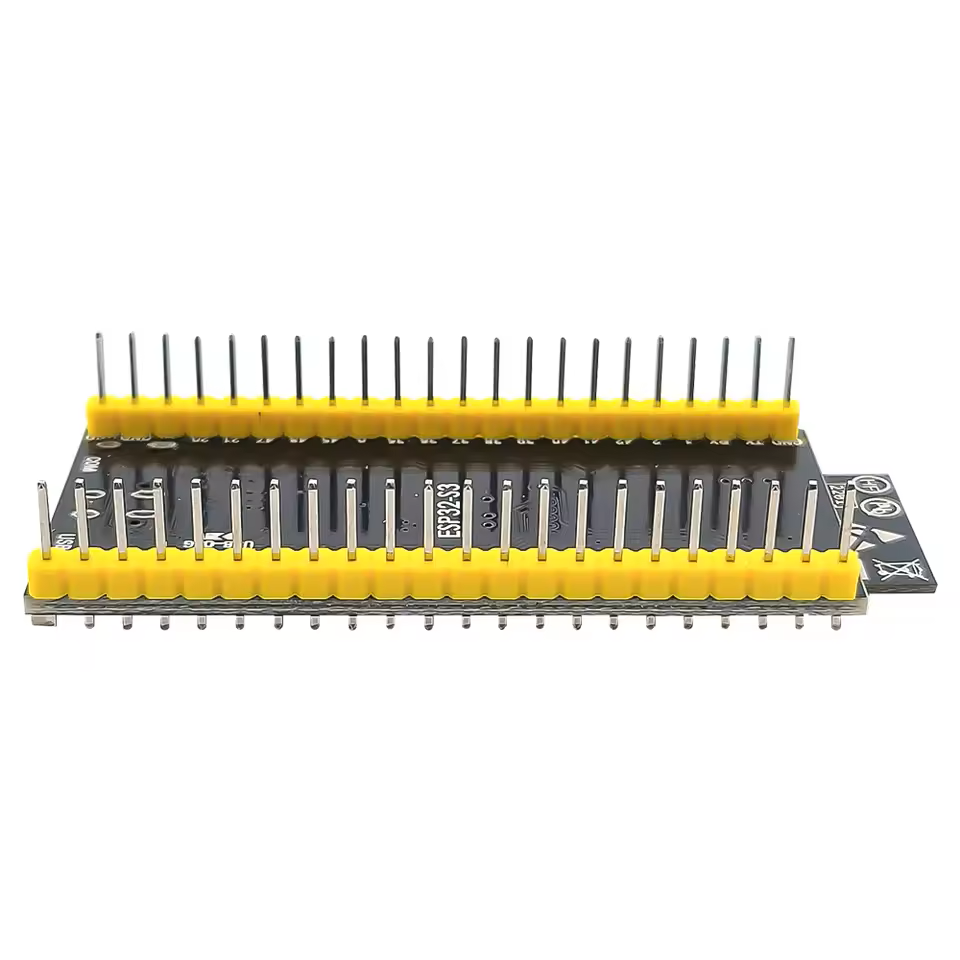
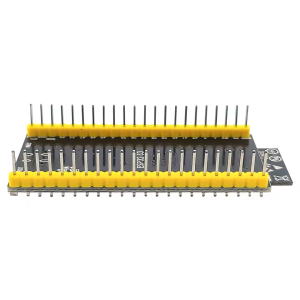
- Ready-to-Deploy (Welded): Headers are pre-soldered using precision industrial techniques, saving assembly time and ensuring maximum electrical conductivity for B2B testing.
- AI Acceleration: The S3 architecture includes hardware-level support for AI instructions, making facial recognition and voice processing significantly faster.
- Dual Type-C Design:
- Port 1 (UART): Dedicated to firmware flashing and serial monitoring via a stable bridge chip.
- Port 2 (Native USB): Connects directly to the S3 core for high-speed USB OTG, HID (Keyboard/Mouse), or MIDI emulation.
- Balanced Memory (N8R2): 8MB Flash and 2MB PSRAM provide the necessary overhead for MicroPython, CircuitPython, and complex IoT data buffering.
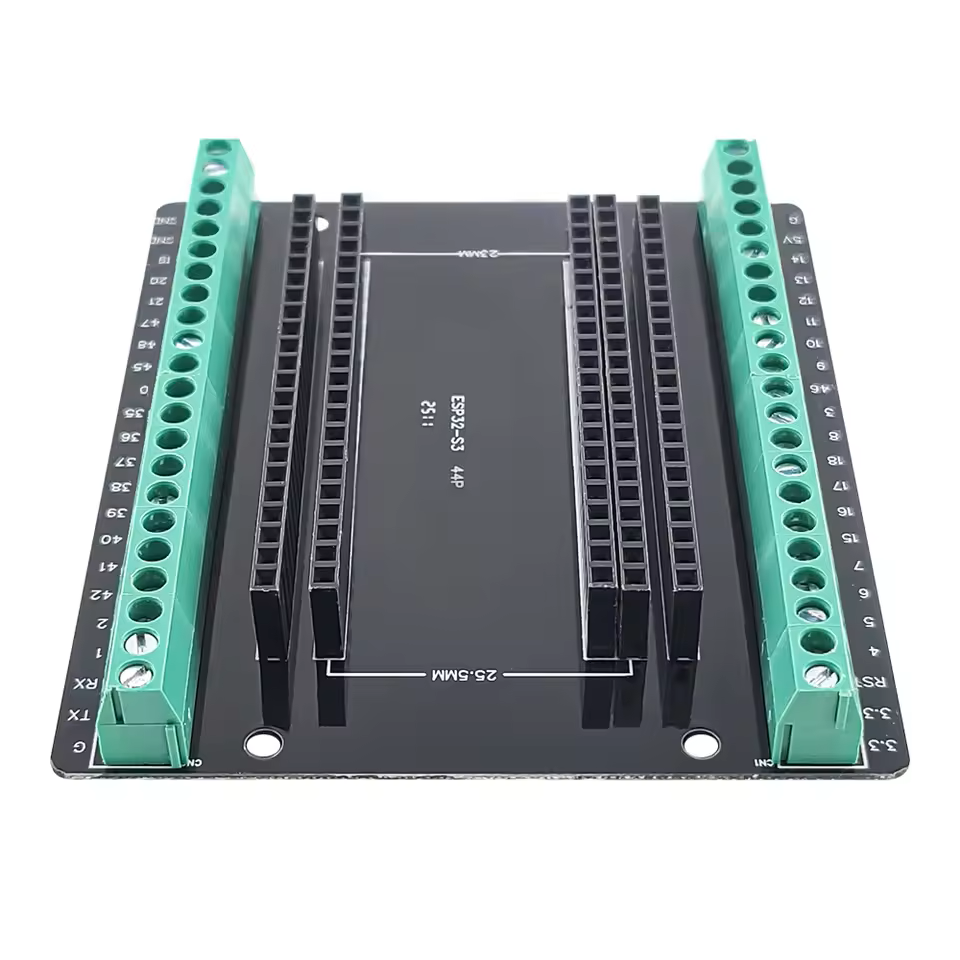
- Expanded 42-Pin Header: Provides additional GPIOs compared to standard 38-pin boards, allowing for more simultaneous sensor and display connections.