LilyPad Buzzer
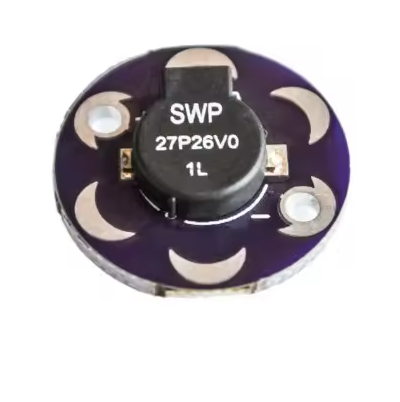
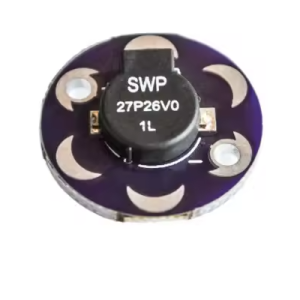
The LilyPad Buzzer is a simple yet effective output component designed specifically for e-textile and wearable technology projects. It uses a small, piezo-electric speaker (piezo buzzer) to generate tones, beeps, and simple musical notes when connected to a LilyPad-compatible microcontroller.
The board’s sewable design and low power consumption make it an ideal tool for adding auditory feedback to smart garments, interactive costumes, or textile art installations, catering to both creative hobbyists and professional developers in the wearable tech industry.
Description
Add sound to your sewable circuits with the LilyPad Buzzer. This tiny, lightweight, circular board integrates a robust piezo-electric buzzer that can produce sounds ranging from a quiet beep to simple melodies. Unlike traditional speakers that require complex amplifier circuits, this simple piezo element can be driven directly by the digital I/O pins of your LilyPad or Arduino board.
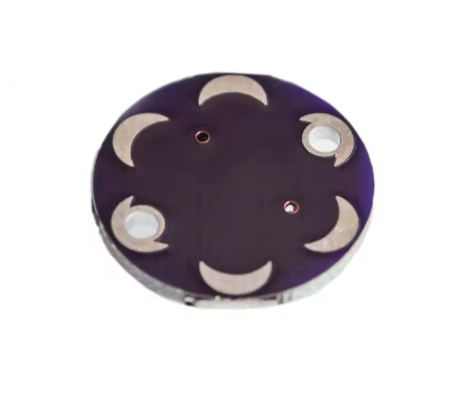
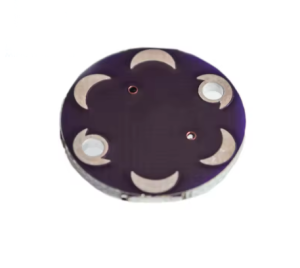
Following the core design principles of the LilyPad system, the board features large, flat “sew tabs” labeled with ‘+’ and ‘−’ indicators. These tabs replace conventional pins and are engineered for reliable, low-profile connections using conductive thread, turning your stitching into functional wiring.
The buzzer operates effectively within the standard LilyPad voltage range of 3.3V to 5V. By using the
tone() function in the Arduino IDE, you can easily control the frequency and duration of the sound produced by the buzzer. The flat-backed design ensures comfort when integrated into clothing, and the entire component is resilient enough for use in hand-washable projects (with power sources removed).Whether you need a simple alarm for a posture-monitoring shirt or a series of musical notes for an interactive jacket, the LilyPad Buzzer offers a straightforward auditory solution.
Features
- Auditory Feedback: Generates tones, beeps, and simple melodies using a piezo-electric element.
- Simple Interface: Operates with just two connections: Power (+) and Ground/Signal (−).
- Wearable Form Factor: Small, lightweight, circular design optimized for integration into fabric.
- Sewable Connections: Features large “sew tabs” designed specifically for use with conductive thread.
- Low Power Consumption: Efficient design suitable for battery-powered wearable applications.
- Arduino Compatible: Easily controlled using the standard Arduino
tone()library functions. - Durable: Hand-washable design for practical use in clothing (remove power supply before washing).