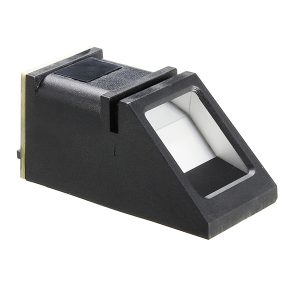
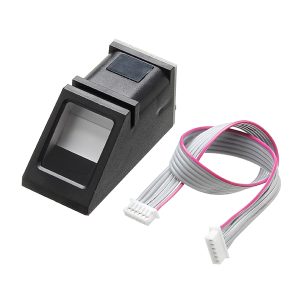
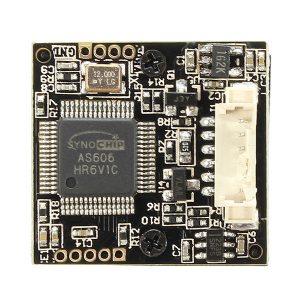
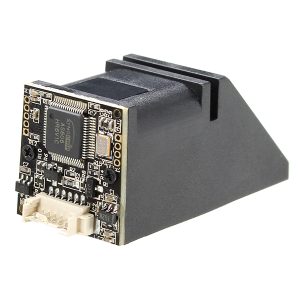
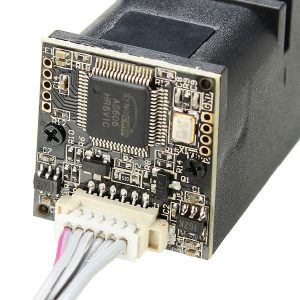
Product Description
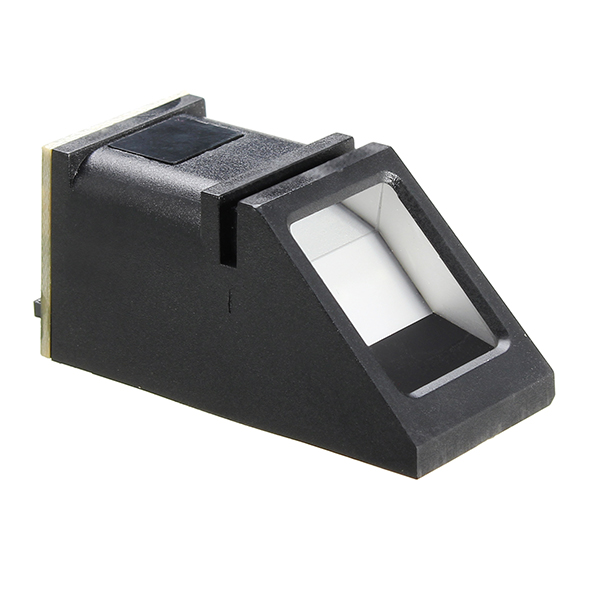
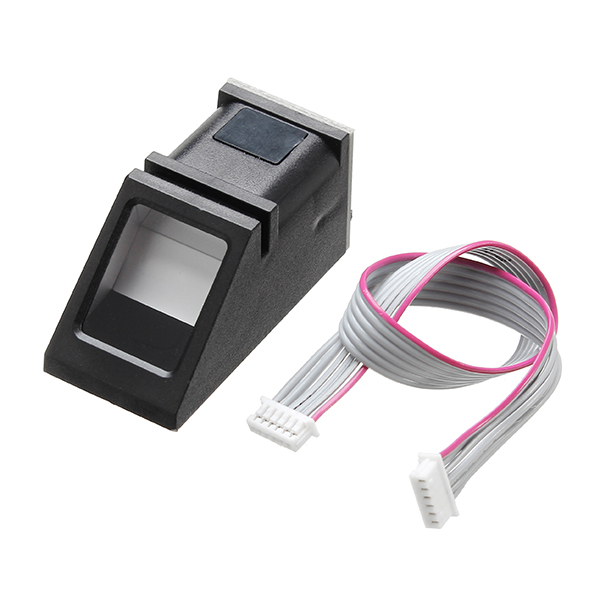
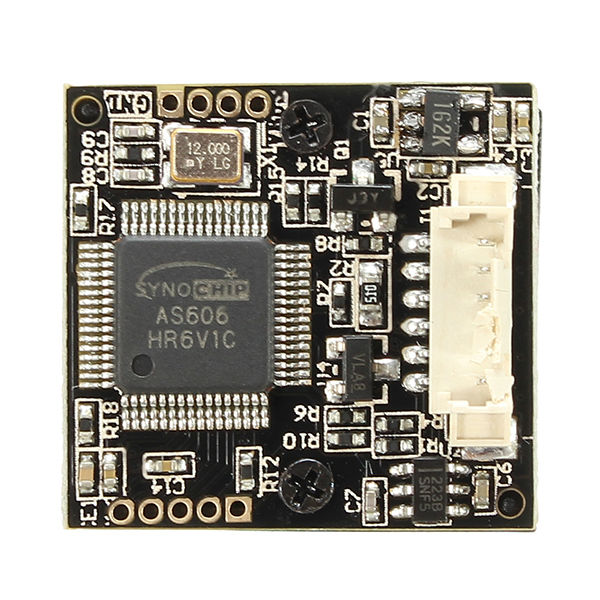
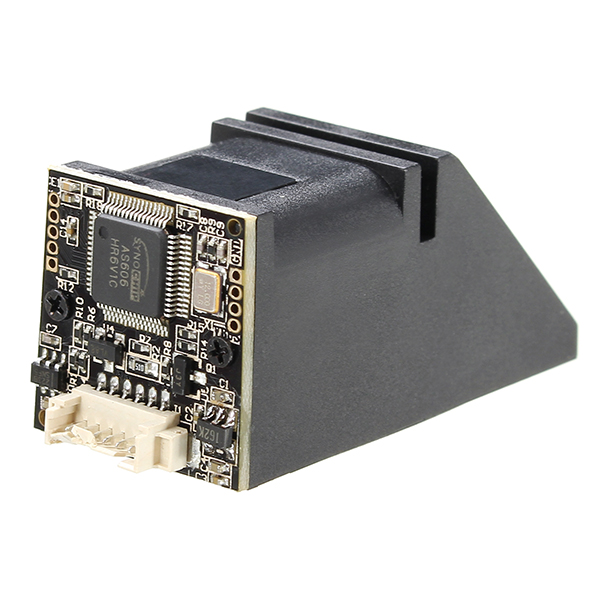
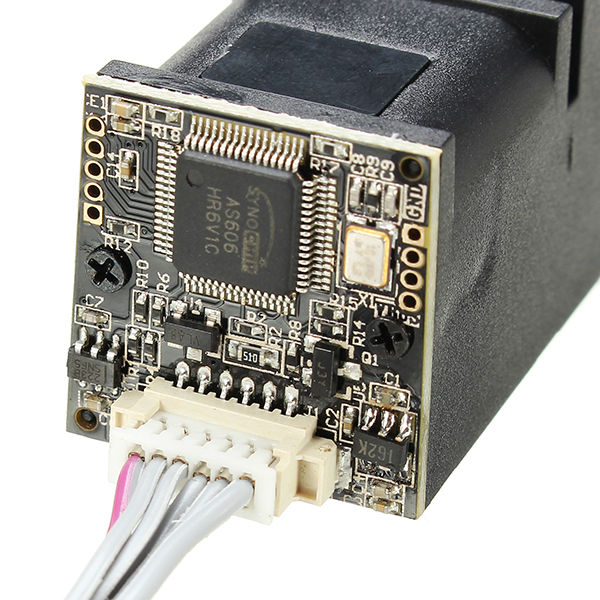
The pcDuino Fingerprint Module is a high-performance, all-in-one biometric identification solution designed for seamless integration with pcDuino, Arduino, Raspberry Pi, and other embedded systems. This module utilizes advanced optical sensing technology combined with an onboard high-speed DSP (Digital Signal Processor) to handle complex fingerprint algorithms internally.
Unlike basic sensors, this “All-in-One” module performs image rendering, feature calculation, and template searching entirely on its own hardware. It communicates via a simple Serial (UART) interface, allowing users to enroll, delete, and verify fingerprints with basic hex commands. Its compact form factor and reliable scanning window make it a perfect choice for adding biometric security to any smart project or commercial product.
Key Features
- Plug-and-Play Integration: Specifically optimized for the pcDuino environment but fully compatible with all TTL serial microcontrollers.
- High-Speed Matching: Advanced internal algorithms allow for fingerprint matching (1:N) in under one second, even with a full database.
- Onboard Storage: Includes built-in Flash memory to store fingerprint templates locally, ensuring data persists even after power-off.
- Adjustable Security Levels: Users can set the security threshold (Levels 1–5) to prioritize either maximum security or maximum convenience.
- Durable Optical Window: The toughened glass scanning surface is resistant to scratches and static, ensuring a long operational lifespan in high-traffic areas.
- Comprehensive Library Support: Works with standard fingerprint libraries, making coding for “Enroll,” “Empty Database,” and “Identify” straightforward.