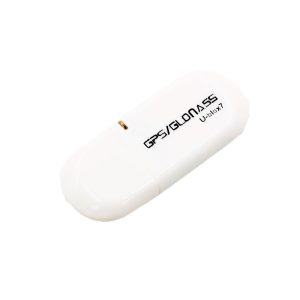
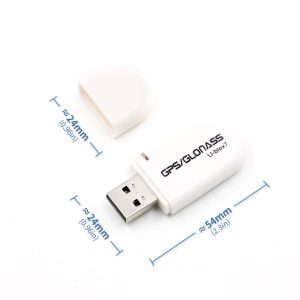
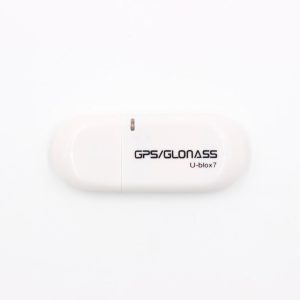
VK-172 USB GPS/GLONASS Receiver Module – External GNSS Antenna with Plug-and-Play USB Interface

SKU: FA2177
GNSS Chipset

U-blox G-7020 (U-blox 7)

Supported Constellations

GPS L1 (1575.42MHz) + GLONASS L1

Tracking Channels

56

Tracking Sensitivity

-162 dBm

Positional Accuracy

2.5m (standalone) / 3.5m (with DGPS)

Hot Start Time

< 1 second (typical)

Cold Start Time

~29 seconds (typical)

Update Rate

1Hz – 5Hz (1Hz default, configurable)

Description

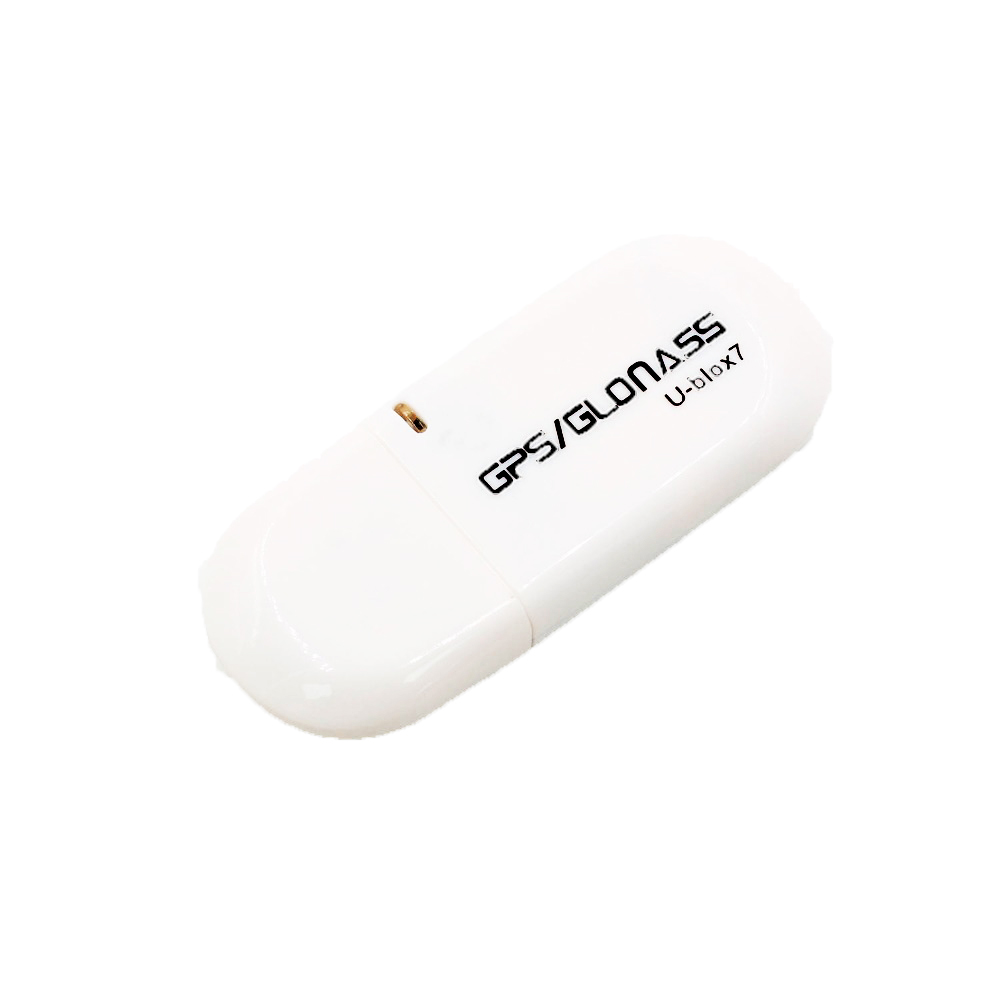
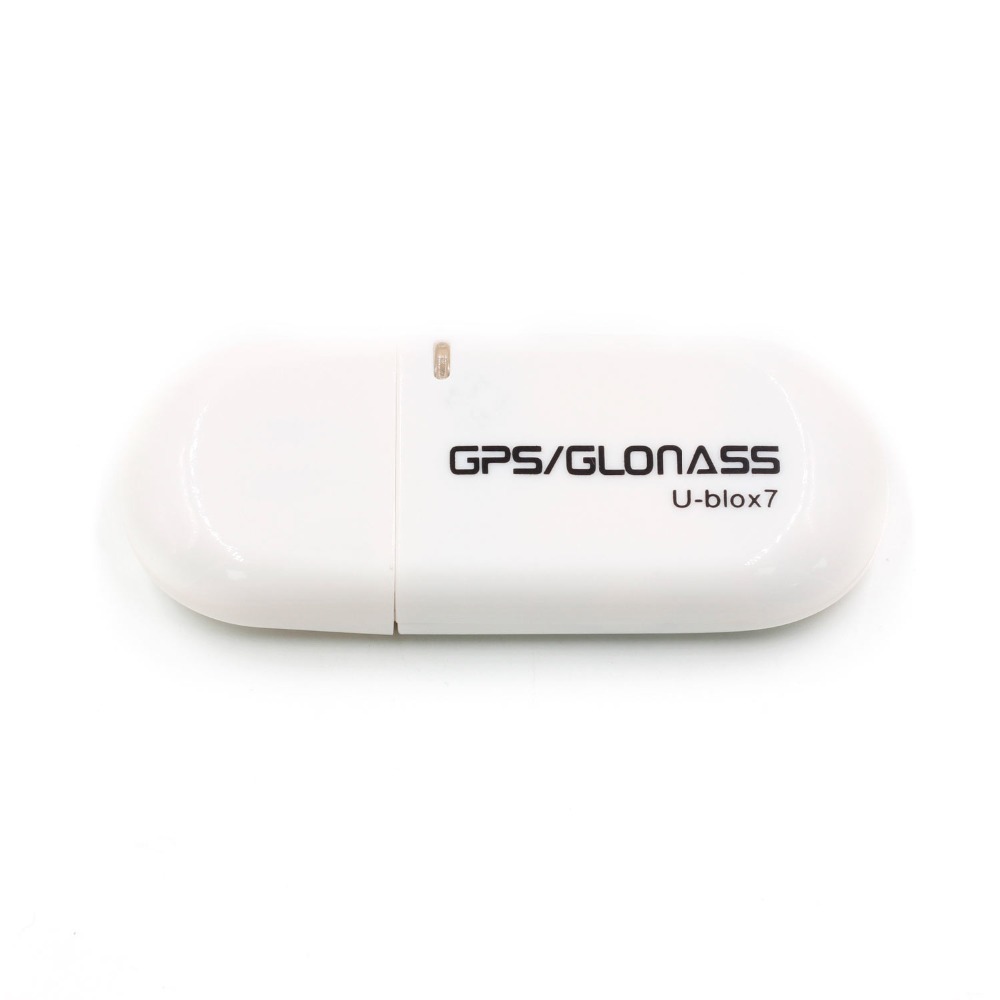
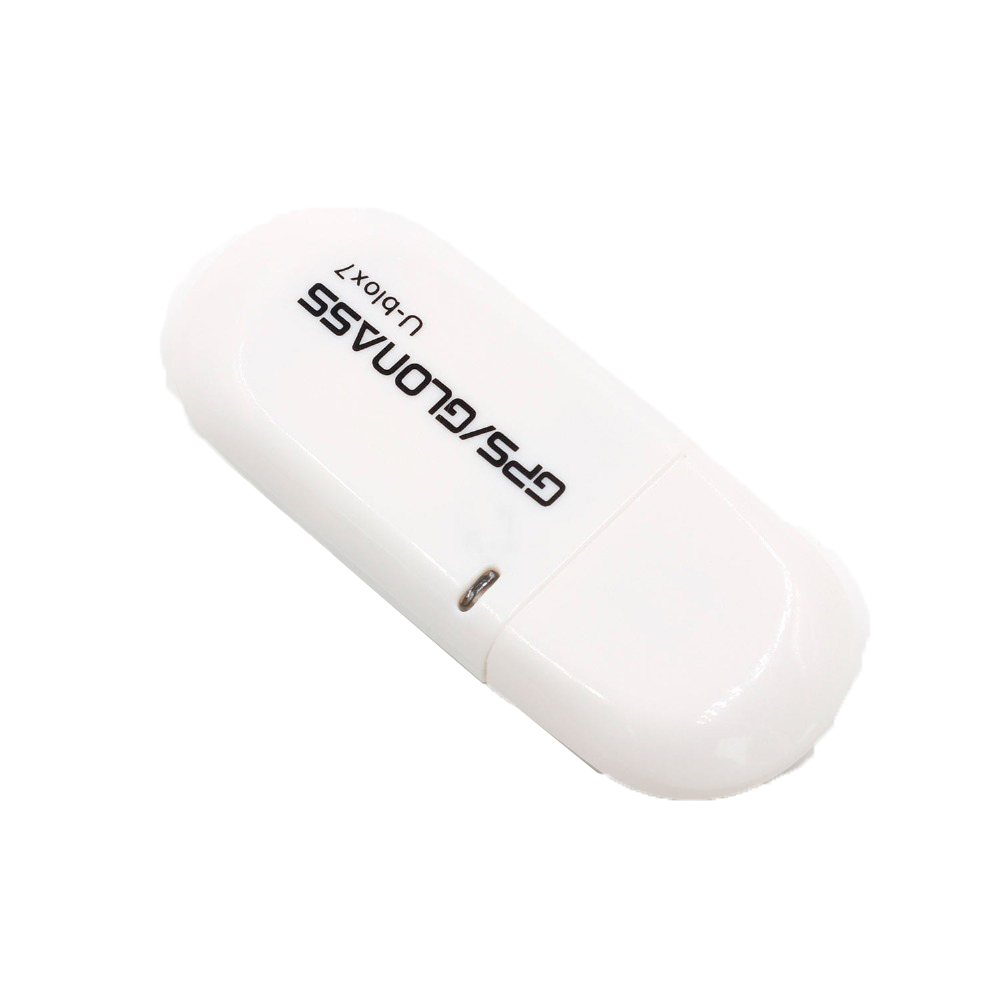
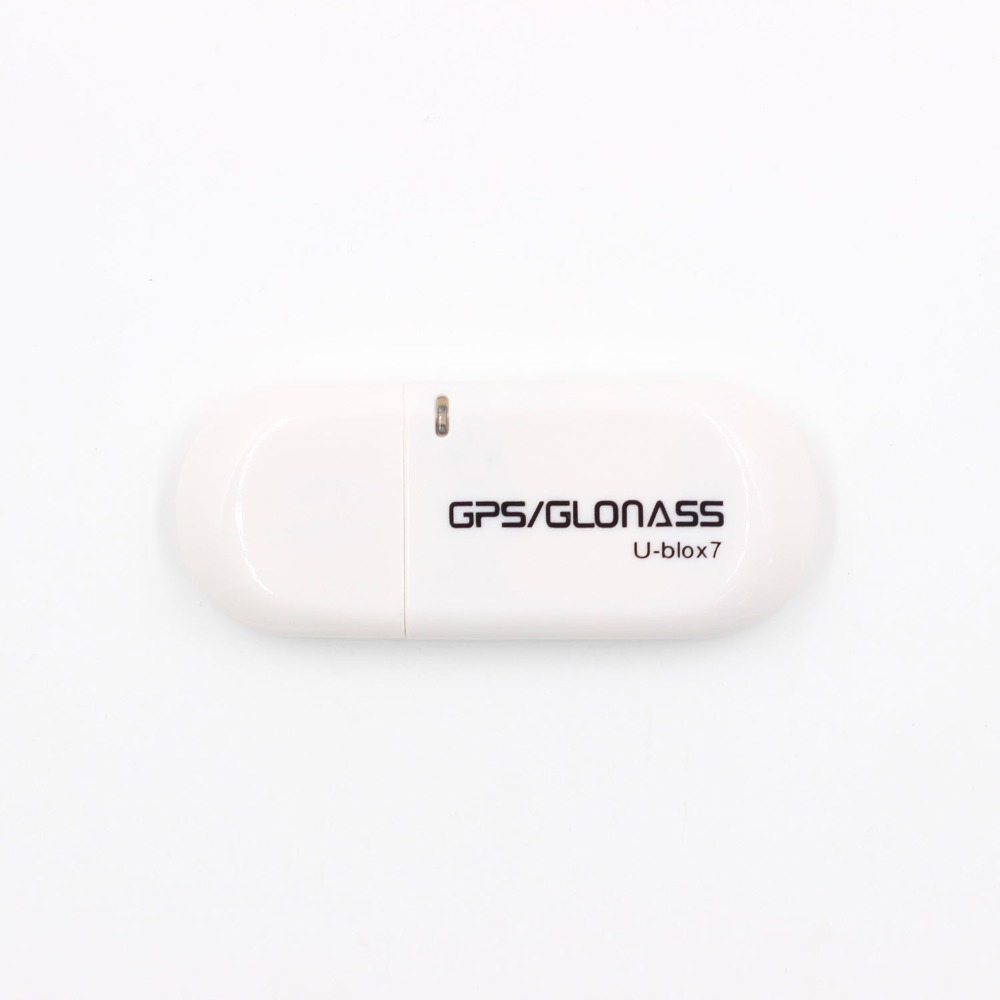
The VK-172 USB GPS/GLONASS Receiver Module is a compact, high-performance GNSS dongle that brings accurate positioning and timing capabilities to any device with a USB port. Designed as a “G-Mouse” form factor smart antenna, this receiver integrates a powerful U-blox engine (G-7020 chipset) with a built-in active patch antenna, all housed in a lightweight, durable ABS enclosure.

Unlike standard GPS modules that require soldering or UART connections, the VK-172 connects directly via USB and is recognized as a virtual COM port, providing a simple NMEA-0183 data stream to your operating system. It supports both the American GPS and Russian GLONASS satellite constellations, offering enhanced accuracy and faster Time-To-First-Fix (TTFF) compared to GPS-only receivers.

With 56 tracking channels and support for DGPS (WAAS, EGNOS, MSAS), the VK-172 achieves positional accuracy of approximately 2.5 to 3.5 meters in open sky conditions. Its high tracking sensitivity of -162 dBm ensures reliable performance even in challenging signal environments.

The VK-172 is widely compatible with operating systems including Windows (XP through 11), Linux (driver-free on most distributions), Android, and Raspberry Pi systems. It is an ideal solution for vehicle navigation, aviation tracking, Raspberry Pi projects, time synchronization, and any application requiring USB-based GPS/GLONASS data.

Key Features

  • Dual GNSS Constellation Support – Tracks both GPS (USA) and GLONASS (Russia) satellites for improved accuracy and faster position fixes in challenging environments

  • USB Plug-and-Play Interface – Connects directly to any USB port; recognized as a virtual COM port on most operating systems

  • High-Performance U-blox Chipset – Powered by the G-7020 (U-blox 7) engine with 56 tracking channels

  • Built-in Active Patch Antenna – Integrated 18×18mm patch antenna with high-gain LNA for superior signal reception

  • High Tracking Sensitivity – -162 dBm tracking sensitivity ensures reliable performance in weak signal conditions

  • Fast Time-To-First-Fix (TTFF) – Hot start as fast as 1 second, cold start approximately 29 seconds

  • DGPS and SBAS Support – Compatible with WAAS, EGNOS, and MSAS for enhanced positional accuracy (3.5m average with DGPS)

  • Wide Operating Temperature – Rated for -30°C to +80°C, suitable for automotive and outdoor applications

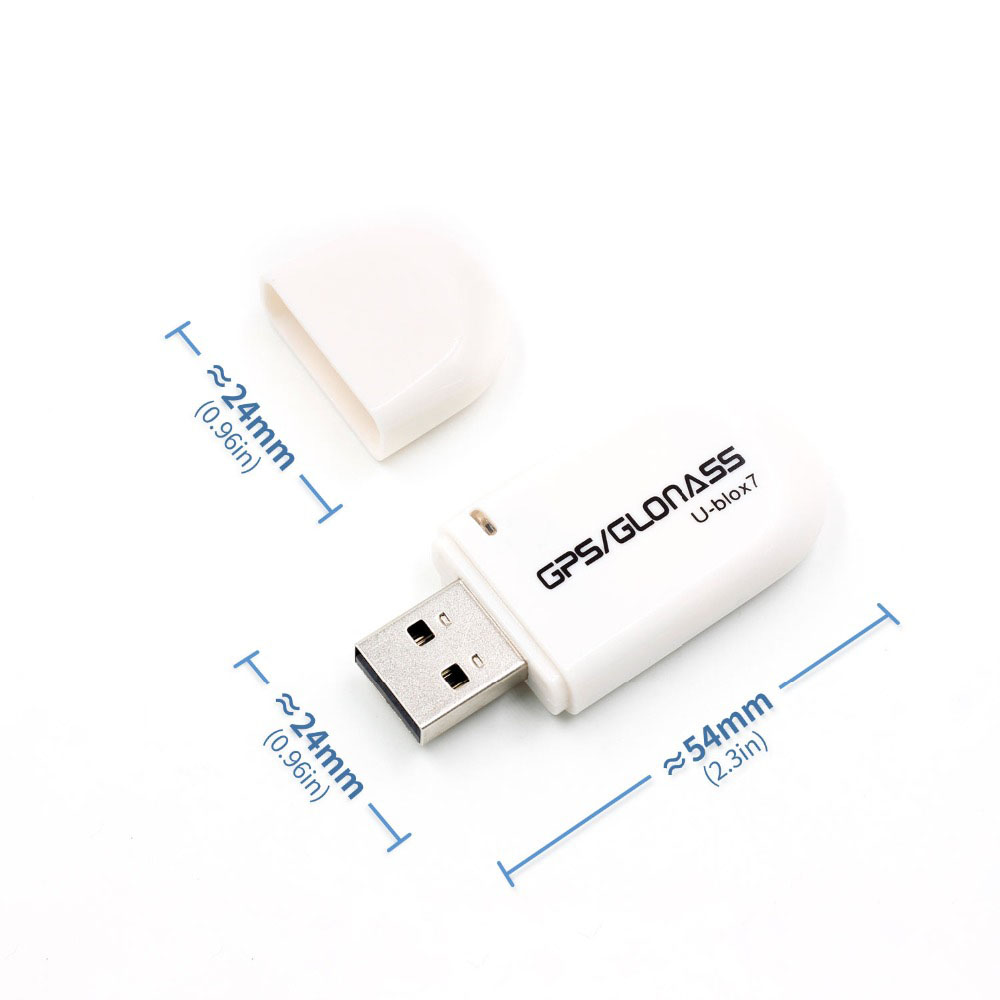
  • Compact and Durable Design – Lightweight ABS housing (approximately 28×28×8mm) with non-slip rubber pad and magnetic mounting capability

  • Multi-Platform Compatibility – Works with Windows, Linux (driver-free), Android, and Raspberry Pi systems

Technical Specifications 

Specification Value
GNSS Chipset U-blox G-7020 (U-blox 7)
Supported Constellations GPS L1 (1575.42MHz) + GLONASS L1 
Tracking Channels 56 
Tracking Sensitivity -162 dBm 
Positional Accuracy 2.5m (standalone) / 3.5m (with DGPS) 
Hot Start Time < 1 second (typical) 
Cold Start Time ~29 seconds (typical) 
Update Rate 1Hz – 5Hz (1Hz default, configurable) 
Data Protocol NMEA-0183 (default), UBX binary 
Interface USB 2.0 (Type-A)
Operating Temperature -30°C to +80°C 
Dimensions 28mm × 28mm × 8.4mm 
Maximum Altitude 18,000 meters 
Maximum Speed 500 m/s 

Typical Usage

  • Vehicle Navigation – Car, truck, boat, and RV navigation systems requiring USB GPS input

  • Aviation Tracking – Light aircraft and drone positioning; compatible with aviation software like XCSoar

  • Raspberry Pi Projects – Add GPS/GLONASS capabilities to Raspberry Pi for robotics, weather stations, or ADS-B receivers; no drivers required

  • Time Synchronization – Precision timing for NTP servers and amateur radio field computers

  • Personal Positioning – Laptop-based navigation and location tracking for outdoor activities

  • Surveying and Mapping – Field data collection with GIS applications

  • Vehicle Tracking Systems – Integration with car alarms, security systems, and fleet management

  • Gliding and Flight Computers – Use with Kobo or other e-readers running XCSoar flight software

  • Amateur Radio – Field communication systems requiring accurate grid locators and time

Q: What operating systems are compatible with the VK-172?

The VK-172 works with Windows (XP, Vista, 7, 8, 10, 11), Linux, Android, and Raspberry Pi. On Linux and Raspberry Pi, it is typically recognized automatically as /dev/ttyACM0 without additional drivers. Windows may require driver installation. The VK-172 does not support iOS (Apple iPhone/iPad).

Q: Is this driver-free on Raspberry Pi?

Yes. The VK-172 is automatically detected on Raspberry Pi systems as a serial device (typically /dev/ttyACM0). No additional drivers are needed. It works well with navigation software like XCSoar and other GPS-aware applications.

Q: How do I install the drivers on Windows?

On Windows 10 and newer, the device may automatically install basic drivers. For full functionality, you may need to download and install the U-blox drivers from the manufacturer’s website. Some listings recommend contacting the seller for driver links if needed.

Q: What is the accuracy of this GPS receiver?

The VK-172 achieves approximately 2.5 meters positional accuracy in standalone mode, and approximately 3.5 meters with DGPS (WAAS/EGNOS) assistance. This is typical for consumer-grade GNSS receivers and suitable for most navigation and tracking applications.

Q: Does the VK-172 support both GPS and GLONASS simultaneously?

The VK-172 is capable of receiving both GPS and GLONASS constellations. However, some users have reported that certain units may default to GPS-only mode or require configuration changes to enable dual-constellation tracking. The receiver can be configured using U-blox’s u-center software to switch between protocols as needed.

Q: Does this receiver work indoors?

The VK-172 is designed primarily for outdoor use where it has a clear view of the sky. It may obtain a fix near windows or under light roof cover, but performance degrades significantly indoors. For indoor use, a GPS amplifier or external active antenna would be required.

Q: Why is the LED not blinking or not getting a fix?

A blinking LED typically indicates a satellite lock has been achieved. If the LED is not blinking or you are not receiving data:

  • Ensure the receiver is placed outdoors with a clear view of the sky

  • Allow up to 5-15 minutes for the first “cold start” acquisition

  • Check that drivers are properly installed (on Windows)

  • Verify that your software is configured to read from the correct COM port

Q: What is the default baud rate and data format?

The default baud rate is 9600 bps, and the default output is NMEA-0183 protocol data. The VK-172 automatically adapts to the baud rate of the connected device. You can use U-blox u-center software to modify the protocol or baud rate settings.

Q: Can I use this with Android devices?

Yes, the VK-172 can work with Android devices that support USB host mode (OTG). You will need a USB OTG adapter cable to connect the VK-172 to your Android smartphone or tablet. Some users have reported successful use with Android navigation apps.

Q: Is this suitable for aviation use?

Yes, the VK-172 is suitable for both vehicle and aviation tracking applications. It has a maximum altitude rating of 18,000 meters and maximum speed rating of 500 m/s, which exceeds typical general aviation requirements. It has been used successfully with flight computers and gliding software like XCSoar.