Product Description
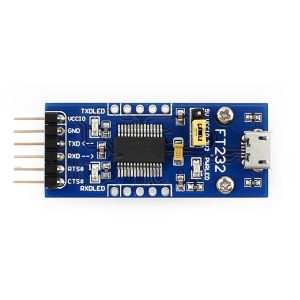
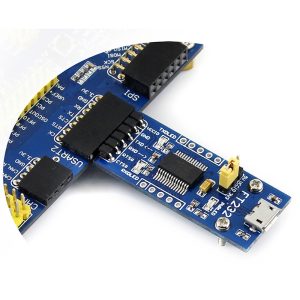
The Waveshare FT232RL USB to UART Module is a high-performance, industrial-grade serial bridge designed for mission-critical data transmission. Built around the world-renowned original FTDI FT232RL chipset, this module provides a rock-solid connection between a computer’s USB port and any TTL-level serial device. Unlike budget alternatives, Waveshare’s implementation ensures bit-perfect data integrity and maximum driver stability across all major operating systems.
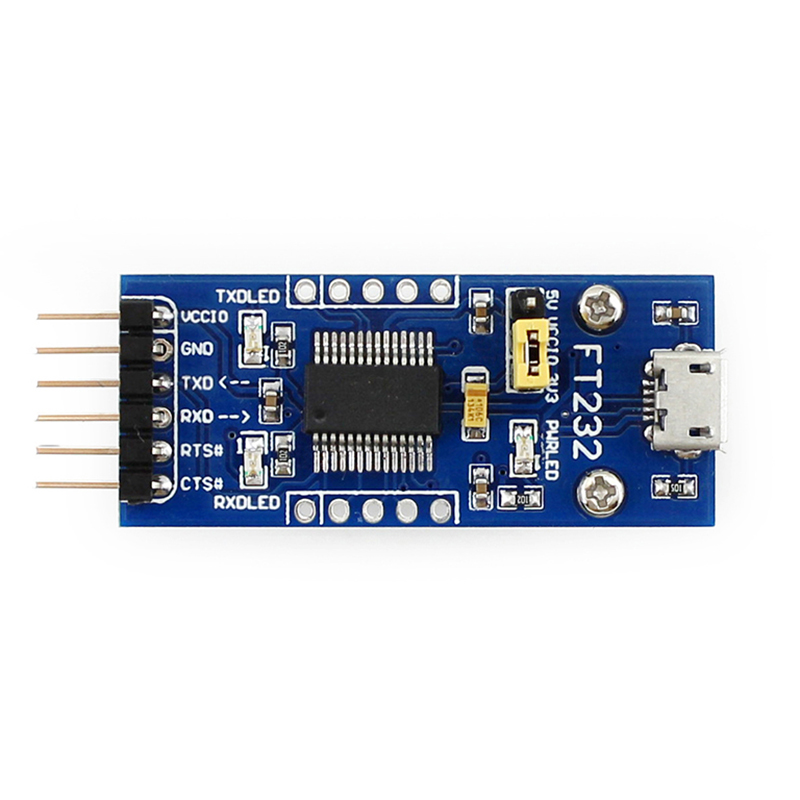
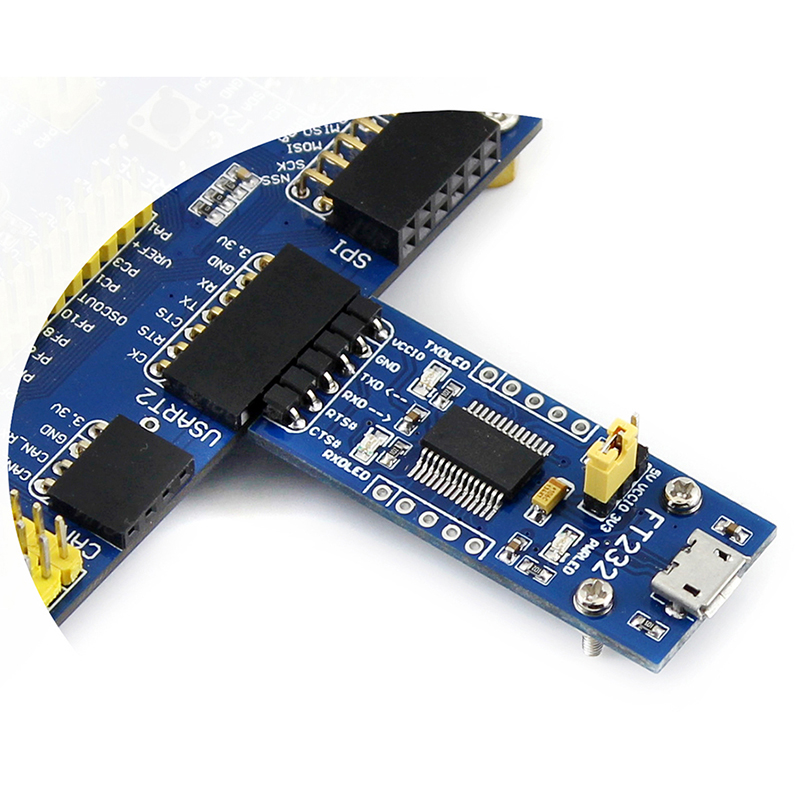
Designed for professional versatility, the module features an onboard toggle for switching between 3.3V and 5V logic levels—essential for protecting sensitive modern microcontrollers like the ESP32 or STM32. Its compact form factor utilizes a Micro USB interface, making it compatible with the standard cables already found in most laboratories. Whether you are performing high-speed firmware flashing, long-term industrial data logging, or real-time hardware debugging, this FT232RL module delivers the “gold standard” in USB-to-Serial connectivity.
Key Features
- Genuine FTDI FT232RL Core: Industry-leading stability with official driver support integrated into Windows, macOS, and Linux.
- Dual-Voltage Versatility: Integrated jumper/switch allows for instant selection between 3.3V and 5V VCC and logic levels.
- Triple LED Status Indicators: Features high-visibility LEDs for Power (PWR), Transmit (TXD), and Receive (RXD) for real-time diagnostic feedback.
- Universal Micro USB Port: Convenient connectivity using standard Micro USB cables—no specialized adapters required.
- Full Signal Breakout: Provides all essential pins (VCC, GND, TXD, RXD, RTS, and CTS) for comprehensive hardware flow control and serial communication.
- Industrial Protection: High-quality PCB design with gold-plated finish for superior solderability and corrosion resistance in harsh environments.