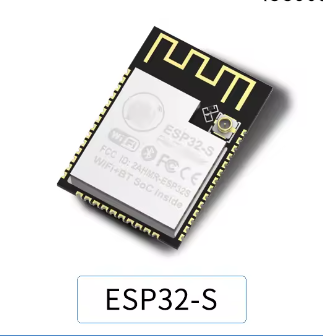
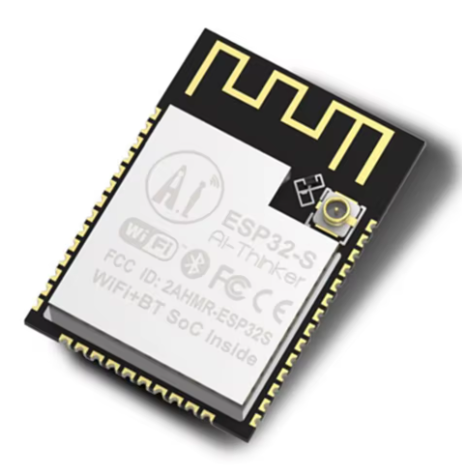
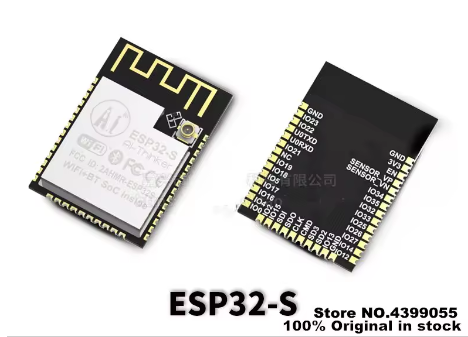
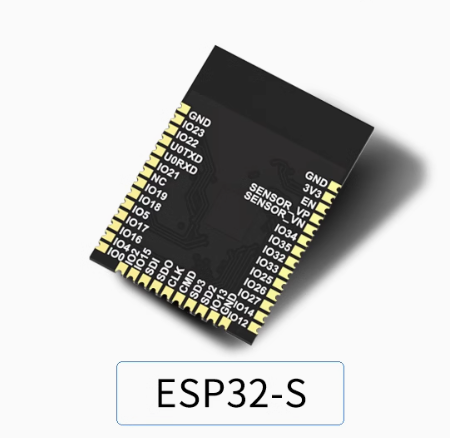
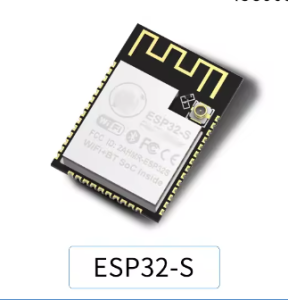
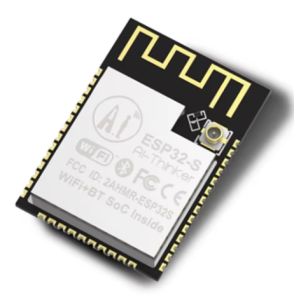
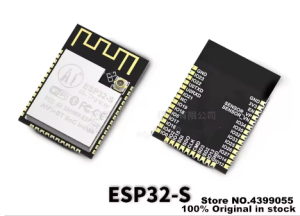
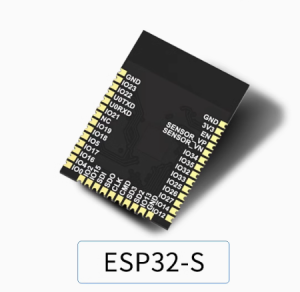
The ESP32-S (ESP32S) is a high-performance, ultra-low-power Wi-Fi + Dual-mode Bluetooth module designed for high-reliability IoT environments. As of 2025, it remains a flagship choice for developers requiring a compact SMD (Surface Mount Device) footprint with advanced RF capabilities, including dual-antenna support (PCB antenna + IPEX connector) for flexible signal management.
Product Description
The ESP32-S module is the core engine for next-generation smart connectivity. Built around the powerful ESP32-D0WDQ6 dual-core processor, it seamlessly integrates 2.4 GHz Wi-Fi and Bluetooth (v4.2 BR/EDR and BLE).
This specific “Dual Antenna” variant offers a versatile RF front-end: it features a high-gain onboard PCB antenna for standard indoor use and an IPEX (U.FL) connector for projects requiring external high-gain antennas to penetrate metal enclosures or reach long distances. This makes the ESP32-S the industrial standard for Serial-to-Wi-Fi bridges, low-power sensor hubs, and smart home gateways.
Key Features
- Dual-Core Processing: Xtensa® 32-bit LX6 dual-core processor with adjustable clock frequency (80MHz to 240MHz).
- Hybrid Antenna Design: Onboard PCB antenna + IPEX socket for external antenna flexibility.
- Dual-Mode Bluetooth: Supports both Bluetooth Classic (for legacy device pairing) and Bluetooth Low Energy (BLE) for high-efficiency mobile interfacing.
- Rich Peripheral Set: Includes capacitive touch sensors, Hall sensors, SD card interface, Ethernet, high-speed SPI, UART, I2S, and I2C.
- Ultra-Low Power Consumption: Advanced fine-grained clock gating and power management for battery-operated deployments.
- Industrial Reliability: Designed to operate in harsh temperature ranges from -40°C to +85°C.