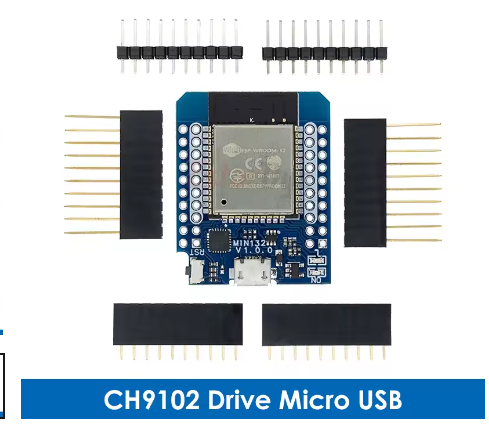
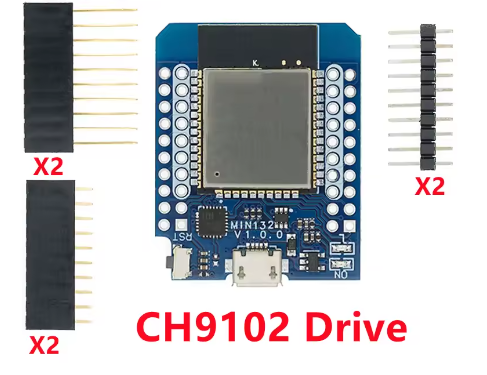
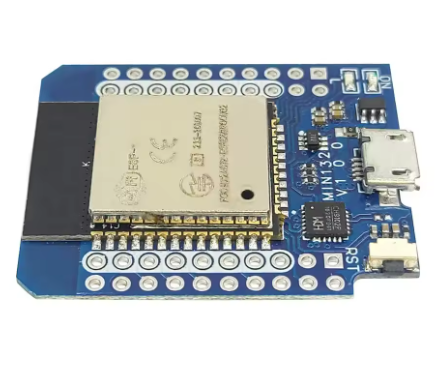
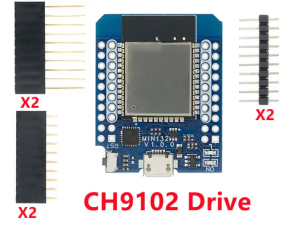
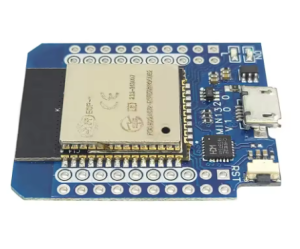
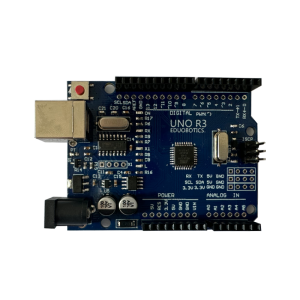
The D1 Mini ESP32 development board combines the compact form factor and shield compatibility of the ESP8266-based D1 Mini with the increased power and features of the ESPRESSIF ESP32 chip. It features both Wi-Fi and Bluetooth connectivity, a CH9102F serial chip driver, and a micro-USB interface.
Product Specifications
| Feature |
Detail |
| Microcontroller |
ESP32 (ESP-WROOM-32 Module) |
| CPU |
Dual-core Tensilica LX6 (80 MHz to 240 MHz) |
| Operating Voltage |
3.3V logic (powered by 5V DC via micro-USB) |
| Flash Memory |
4 MB (32 Mbit) |
| SRAM |
520 KB |
| Connectivity |
Wi-Fi (802.11 b/g/n) + Bluetooth 4.2 & BLE |
| Digital I/O Pins |
11 pins on form factor (many more accessible via breakout) |
| Analog Input Pins |
18 ADC channels (12-bit resolution) |
| USB-to-Serial Chip |
CH9102F (or similar CH9102X variant) |
| USB Connector Type |
Micro-USB |
| Dimensions |
Approx. 39 mm x 31.5 mm |
The ESP32 D1 Mini’s dual-core processor and rich peripheral set make it suitable for complex and resource-intensive IoT applications.
- Smart Home & Automation: Building advanced smart home hubs or complex automation systems using platforms , leveraging its Wi-Fi and Bluetooth capabilities.
- Wearable Health Tech: Due to its low power modes and BLE support, it is excellent for battery-powered projects like portable health trackers that sync data to mobile apps.
- Voice-Controlled Devices: The powerful dual-core processor can handle tasks like voice encoding and audio streaming, enabling the creation of voice-controlled interfaces or smart speakers.
- Industrial IoT Solutions: Its robustness and wide operating temperature range make it suitable for industrial sensor networks that monitor machinery or environmental conditions in demanding environments.
- Advanced Data Logging: Interfacing with multiple sensors (e.g., I²C, SPI, UART) and logging vast amounts of data
Q: Is this board based on the ESP8266 architecture?
No, despite sharing the physical “D1 Mini” form factor and shield compatibility, this board is based on the more powerful, newer ESPRESSIF ESP32 architecture/chip, which is the successor to the ESP8266. The description in the prompt refers to its physical compatibility, not its internal architecture.
Q: Will existing D1 Mini (ESP8266) shields work with this ESP32 version?
Most existing D1 Mini shields are physically compatible due to the similar pin layout. However, the pin functions (GPIO numbers, voltage levels) are different, so you will need to verify compatibility on a per-shield basis and adjust your code accordingly. The ESP32 operates at 3.3V logic levels, so be careful with 5V components.
Q: What do I select in the Arduino IDE to program this board?
After installing the ESP32 board manager package in the Arduino IDE, you should select a board profile like “MH ET LIVE ESP32 MiniKit” or a generic “ESP32 Dev Module”. The correct selection may vary slightly depending on the specific manufacturer’s version.
Q: Does the CH9102F chip need drivers?
Yes, the CH9102 serial chip acts as a USB-to-UART bridge and usually requires specific drivers to communicate with your computer (Windows, macOS, Linux). The drivers often install automatically on Windows 10/11, but manual installation may be necessary if the board is not recognized.
Q: Can I use both Wi-Fi and Bluetooth simultaneously?
Yes, one of the primary advantages of the ESP32 chip over the ESP8266 is its ability to handle both Wi-Fi and Bluetooth (Classic and BLE) connectivity at the same time, making it highly versatile for hybrid applications.