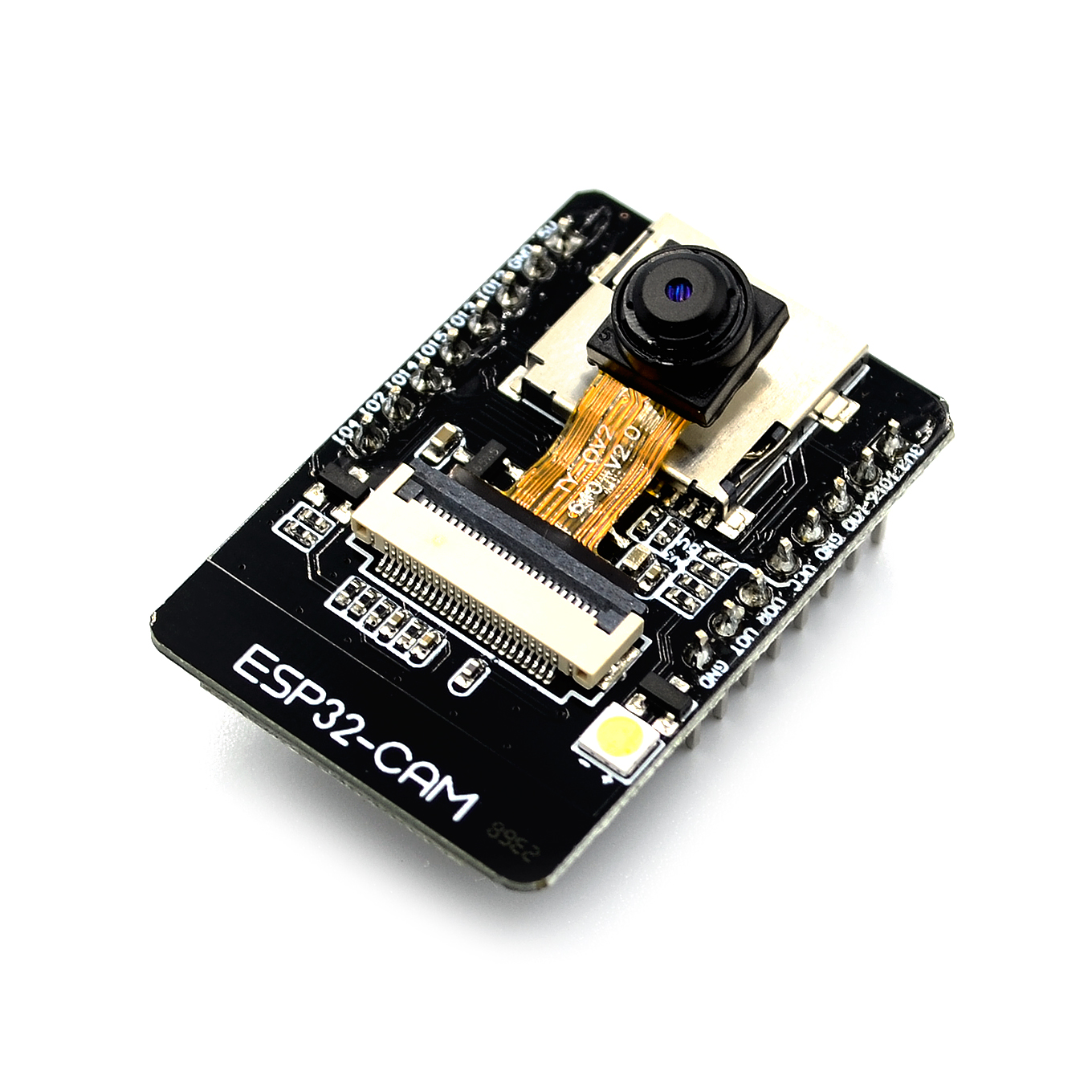
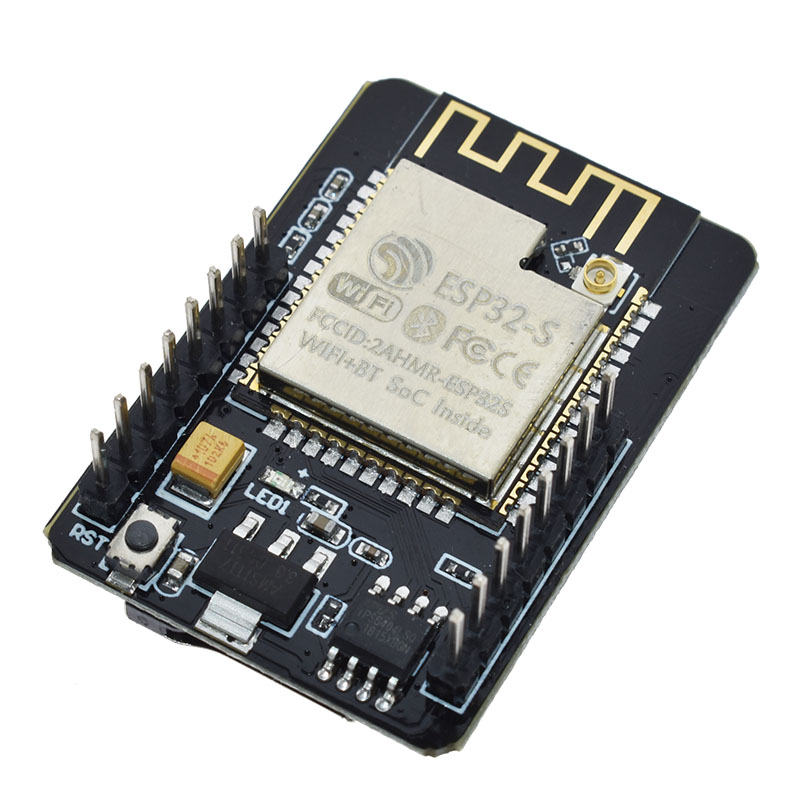
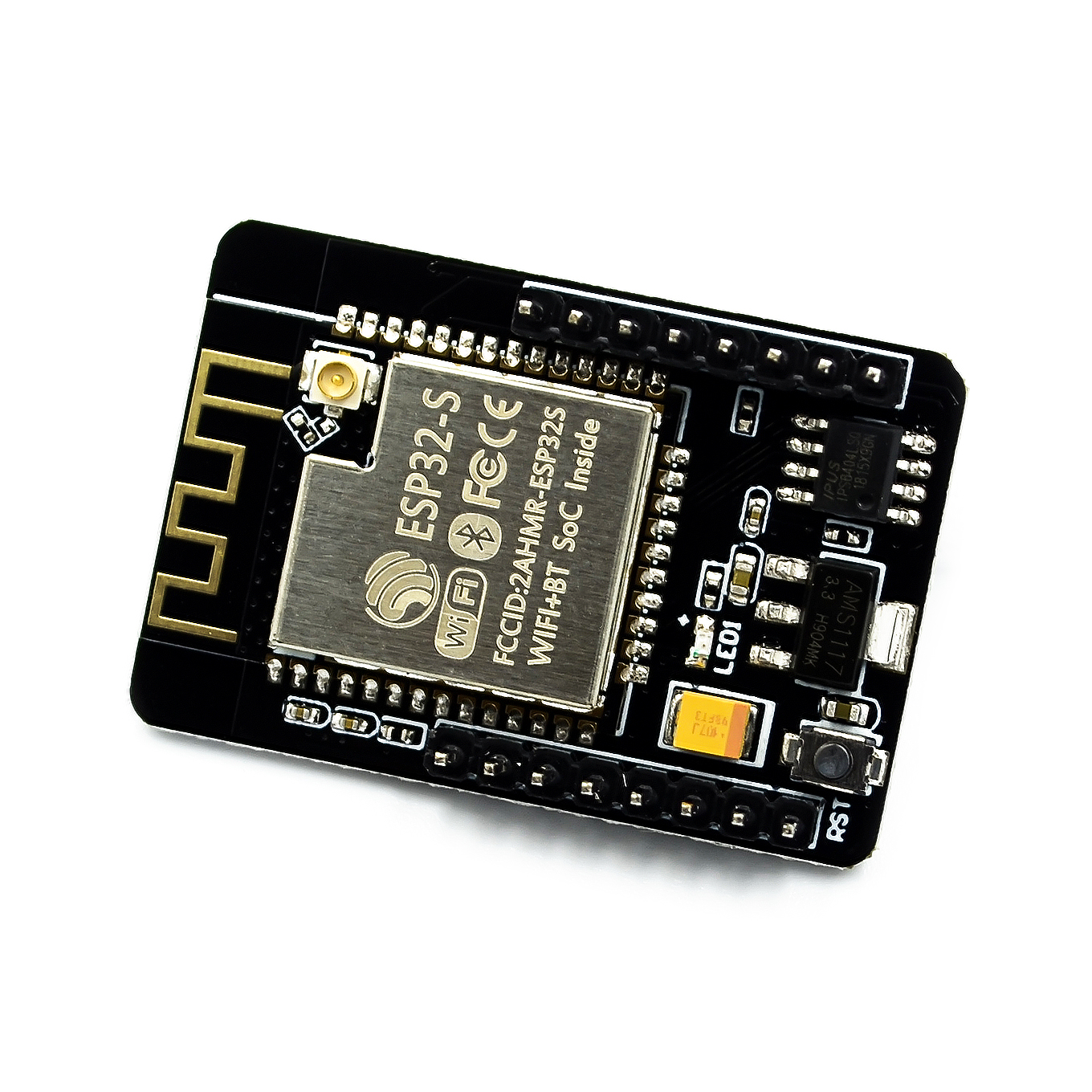
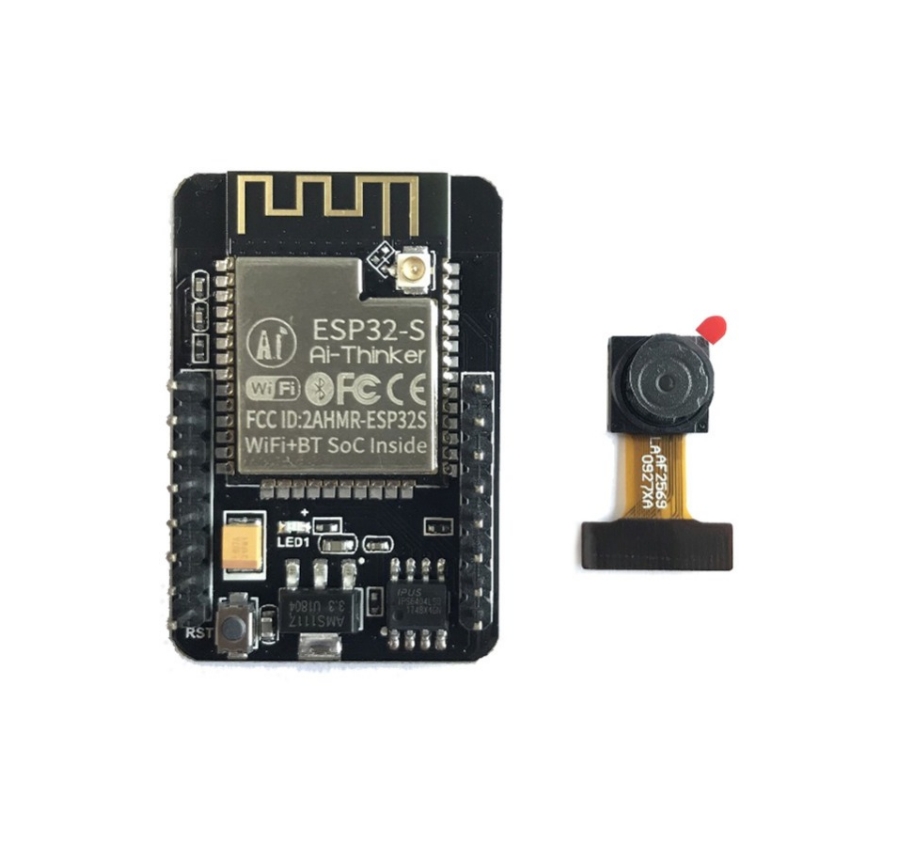
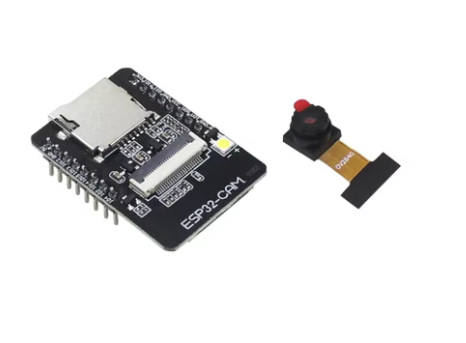
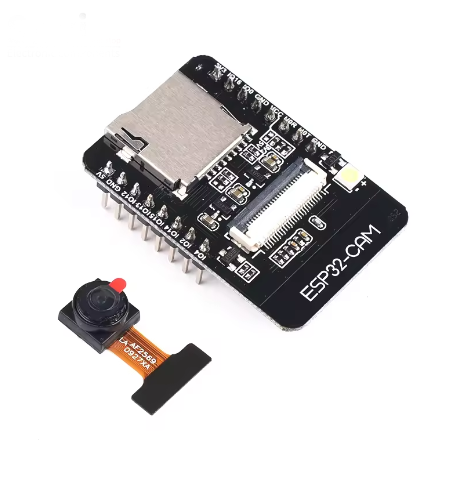
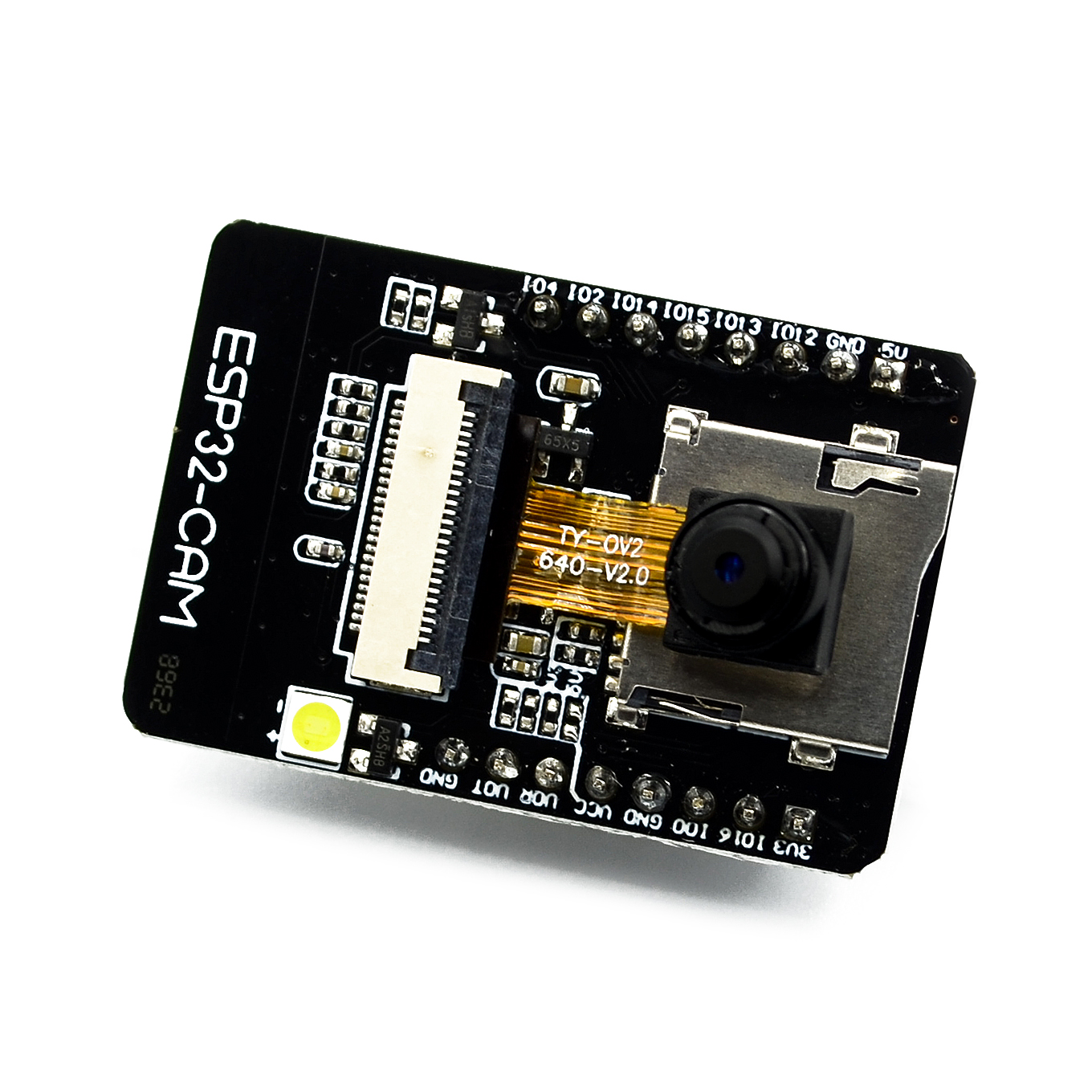
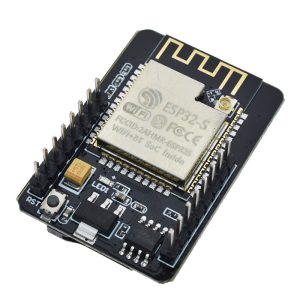
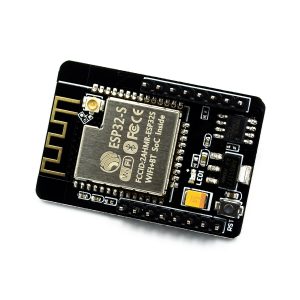
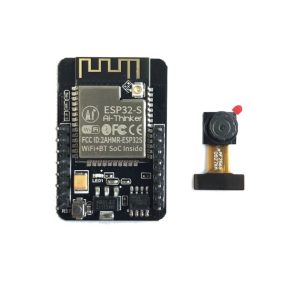
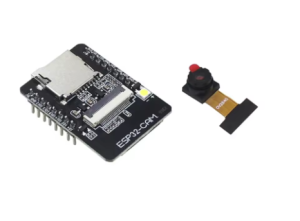
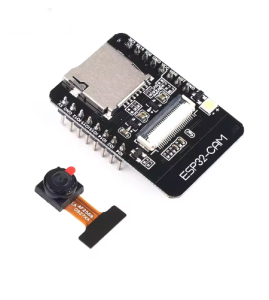
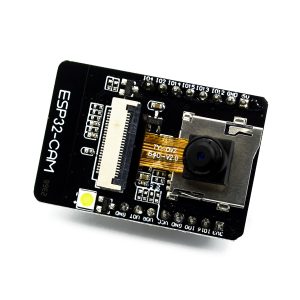
The ESP32-CAM [2M] is a compact, cost-effective development board that combines the powerful ESP32-S dual-core microcontroller with an original OV2640 2-megapixel camera and a MicroSD card slot, creating a complete, standalone camera solution for IoT, surveillance, and embedded vision applications. Measuring just 27 × 40.5 × 4.5 mm, it is one of the smallest fully functional camera development boards available, making it ideal for space-constrained projects .
At its core, the board is built around the ESP32-S chip, featuring a dual-core 32-bit LX6 microprocessor running at up to 240 MHz, with 520 KB SRAM and 4 MB PSRAM (on certain variants) for image buffering and processing . It supports Wi-Fi 802.11 b/g/n and Bluetooth v4.2 BR/EDR + BLE, enabling wireless image transmission, remote monitoring, and integration with IoT platforms .
The board includes an original OV2640 camera sensor capable of capturing images at up to 1600 × 1200 (UXGA) resolution and recording 1080p video at 30fps. The OV2640 features hardware JPEG compression, which significantly reduces bandwidth requirements for streaming and storage. The camera connects via a 24-pin DVP interface and supports multiple output formats including JPEG, BMP, and Grayscale .
A MicroSD card slot supports up to 32 GB cards (FAT32 format), allowing you to store captured images, video recordings, and logged data locally without requiring an external storage module . The board also includes onboard flash LED for low-light illumination, an onboard red LED for status indication, and a reset button for easy operation .
The board exposes 16 GPIO pins for external connections, including UART, SPI, I2C, and PWM interfaces. It can be programmed via an FTDI programmer or an ESP32-CAM-MB shield (sold separately), as it does not include a built-in USB-to-serial converter .
Supported development environments include Arduino IDE and ESP-IDF, with extensive community libraries including the esp32-camera library for rapid camera project development. The board is widely used in smart doorbells, wireless surveillance cameras, time-lapse photography, and AI vision prototyping .
Whether you are a beginner exploring IoT camera projects, a hobbyist building a home monitoring system, or a business purchasing in bulk for product development, the ESP32-CAM [2M] offers a practical, affordable foundation for embedded vision applications. It is suitable for individual makers, students, and businesses alike .
Features
-
ESP32-S dual-core processor — 32-bit LX6 at up to 240 MHz, with 520 KB SRAM and 4 MB PSRAM (variant dependent)
-
Original OV2640 2MP camera — Captures images up to 1600 × 1200 (UXGA) with hardware JPEG compression
-
1080p video recording — Supports video capture at 30fps for surveillance and monitoring
-
MicroSD card slot — Supports up to 32 GB FAT32 cards for local image and video storage
-
Wi-Fi & Bluetooth connectivity — 802.11 b/g/n and Bluetooth v4.2 BR/EDR + BLE for wireless transmission
-
Onboard flash LED — Provides illumination for low-light image capture
-
16 GPIO pins — Exposed for UART, SPI, I2C, PWM, and external peripherals
-
Compact form factor — 27 × 40.5 × 4.5 mm, ideal for space-constrained projects
-
Multiple output formats — JPEG, BMP, and Grayscale
-
Wide development support — Arduino IDE and ESP-IDF compatible, with esp32-camera library
Technical Specifications
| # | Parameter | Specification |
|---|---|---|
| 1 | Microcontroller | ESP32-S, dual-core 32-bit LX6, up to 240 MHz |
| 2 | Camera Sensor | Original OV2640, 2MP (1600 × 1200 UXGA) |
| 3 | Memory | 520 KB SRAM + 4 MB PSRAM (variant dependent) |
| 4 | Storage | MicroSD card slot, up to 32 GB (FAT32) |
| 5 | Wireless | Wi-Fi 802.11 b/g/n, Bluetooth v4.2 BR/EDR + BLE |
| 6 | Power Supply | 5V via pins; 3.3V logic |
| 7 | GPIO Count | 16 pins exposed |
| 8 | Dimensions | 27 × 40.5 × 4.5 mm |