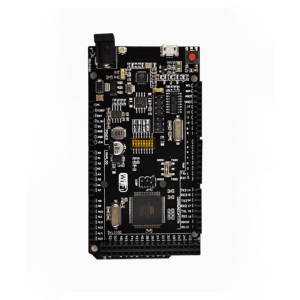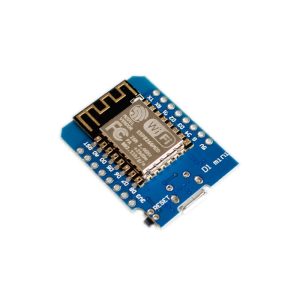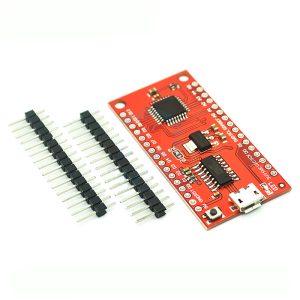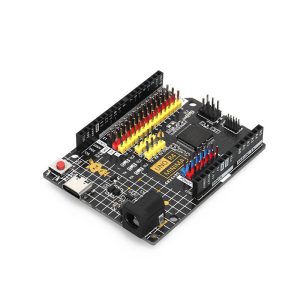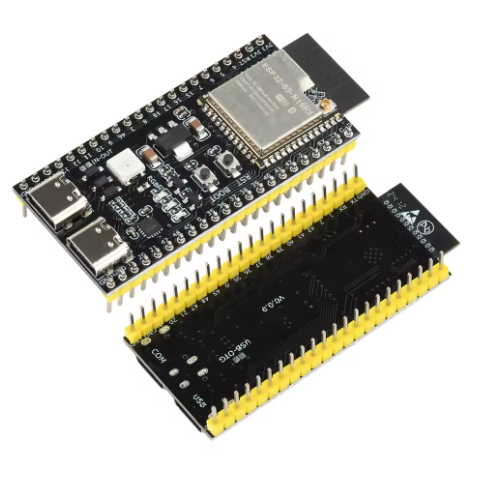
This high-performance ESP32-S3-N16R8 (Welded Version) is a professional-grade development board featuring the ESP32-S3-WROOM-1 module. Designed for the 2025 AIoT landscape, this board comes with pre-welded (soldered) headers, making it ready for immediate deployment in industrial prototyping and advanced maker projects.
Product Description
The ESP32-S3-N16R8 is a powerhouse designed for “Edge AI.” It features a dual-core Xtensa® LX7 processor with integrated AI vector instructions, significantly accelerating neural network workloads such as facial recognition and voice processing.
This board is the “Max Memory” configuration, boasting 16MB of Flash and 8MB of Octal PSRAM, providing the massive overhead required for high-resolution displays, complex web servers, or large data buffers. The unique 42-pin layout breaks out additional GPIOs not found on standard boards, while the Dual Type-C interface separates programming/debugging (UART) from native USB functionality (OTG). This version arrives with all pins pre-welded, ensuring a secure, low-resistance connection for immediate breadboard or expansion board use.
Key Features
- Ready-to-Use (Welded): Headers are pre-soldered using industrial-grade lead-free solder, saving time and ensuring mechanical stability for B2B rapid prototyping.
- Maximum Memory Spec (N16R8): 16MB Flash and 8MB Octal PSRAM allow for large firmware and the execution of high-end AI models.
- Dual Type-C Versatility:
- Port 1 (UART): Dedicated to programming and serial debugging via high-stability bridge chip.
- Port 2 (Native USB): Connects directly to the S3 core for USB OTG, HID (keyboard/mouse) emulation, or UVC camera support.
- AI Acceleration: Hardware-level support for vector instructions to speed up machine learning inference.
- Expanded 42-Pin Header: Provides additional access to specialized IO, including SPI, I2C, and high-speed PWM for advanced motor or display control.