JS-56-108 DIY Transistor Tester Kit – LCR/ESR, Diode & Triode Checker, PWM/Square Wave Generator, Soldering Practice Module

SKU: FA1061-4
Resistance Measurement

0.1Ω resolution; Max 50MΩ

Capacitance Measurement

25pF resolution; Max 100mF (100,000 uF)

Inductance Measurement

0.01mH to 20H (typical of this design)

Display Type

Graphic LCD (typically 128×64 pixels)

Power Supply

Typically 9V battery or DC Jack (varies by kit version)

Test Modes

Auto-detection, PWM/Square Wave Generator

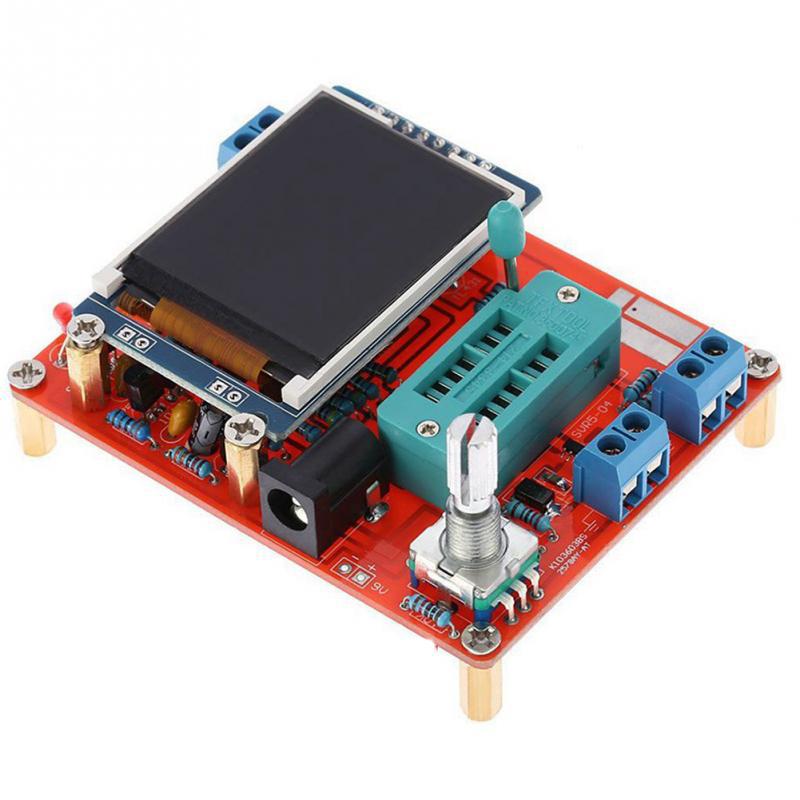
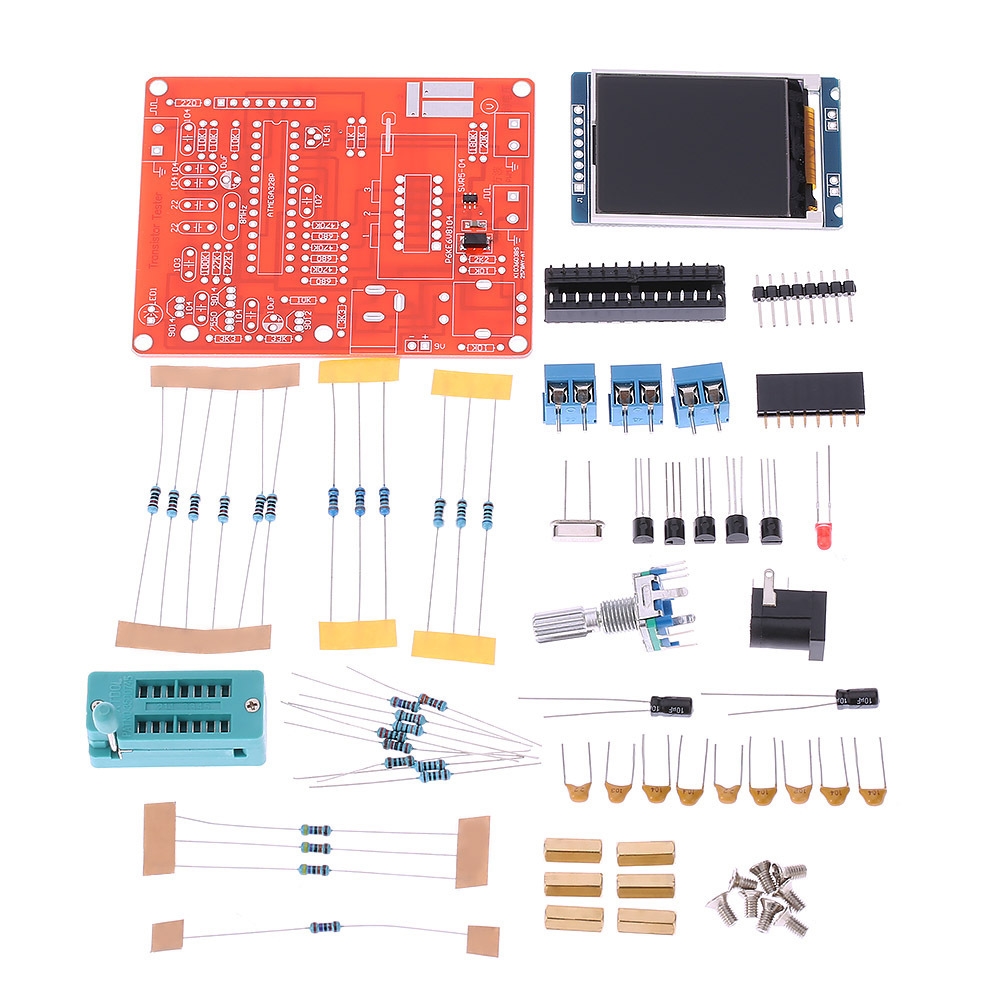
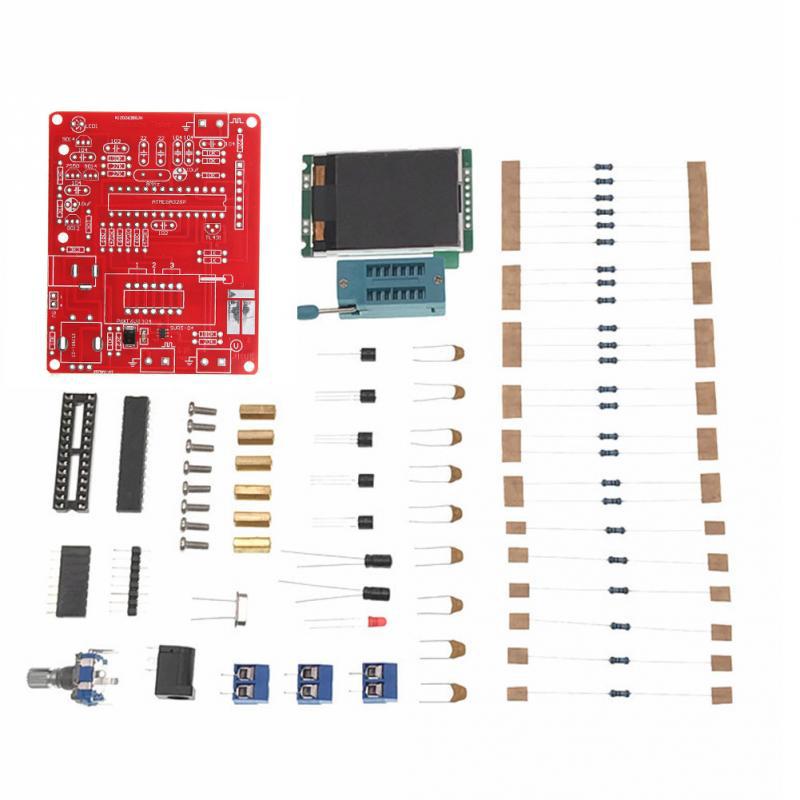
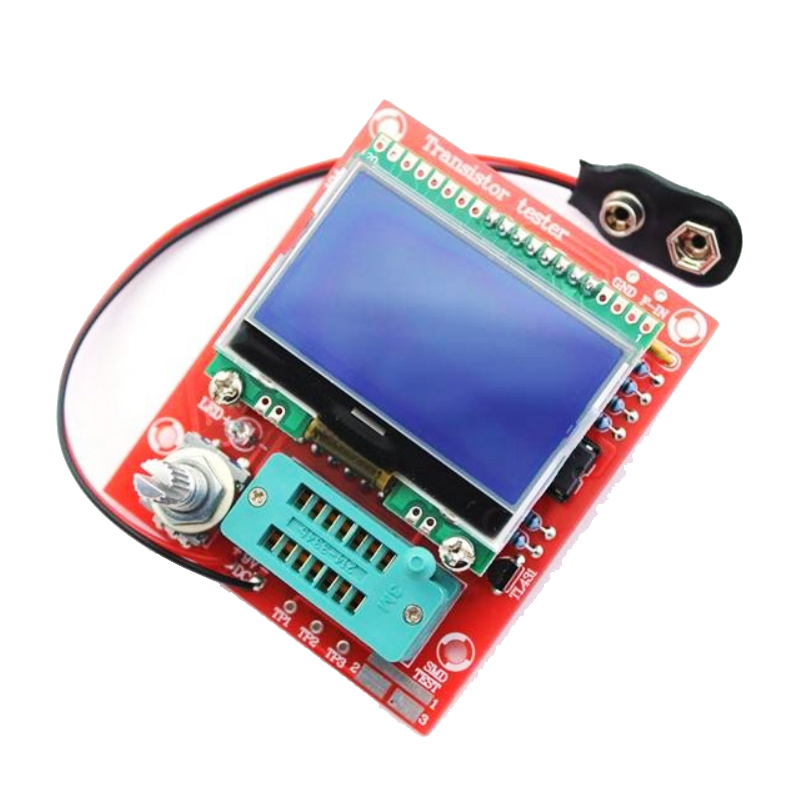
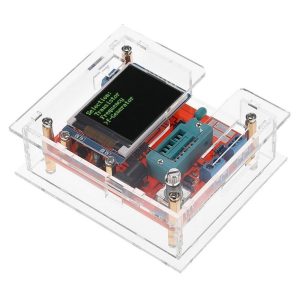
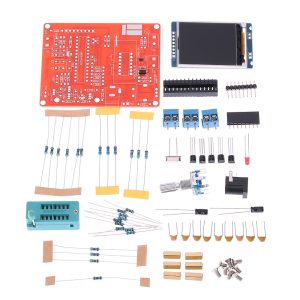
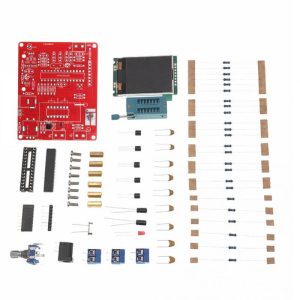
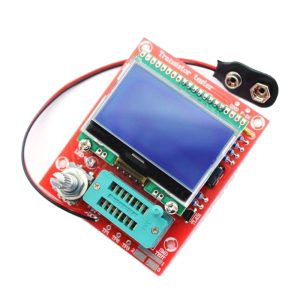
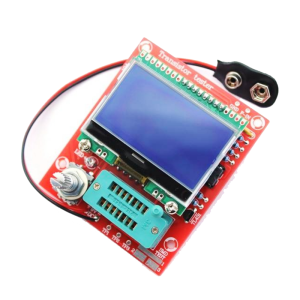
The JS-56-108 DIY Transistor Tester Kit is an educational and practical kit that users assemble themselves to create a versatile LCR/ESR meter and multi-function signal generator. This product is a perfect blend of a soldering practice module and a valuable diagnostic tool for electronics work.
Long Product Description
The JS-56-108 DIY Kit is more than just a component tester; it is a comprehensive learning platform and a highly functional piece of bench equipment once assembled. This kit requires the user to solder all components onto the printed circuit board (PCB), providing excellent hands-on experience for beginners or students while resulting in a powerful, self-contained tester. Utilizing an ATmega-series microcontroller, the finished device automatically identifies various components (transistors, diodes, capacitors, resistors, inductors, SCRs) and displays their characteristics on a clear graphical LCD. A unique selling point is the integrated signal generator function, which outputs precise PWM (Pulse Width Modulation) and square wave signals, essential for testing digital logic or driving motors and LEDs.
Key Features
  • Automatic Component Identification: Detects and distinguishes between NPN/PNP bipolar transistors, N-channel and P-channel MOSFETs, JFETs, diodes, double diodes, and thyristors.
  • Detailed Parameter Display: Provides crucial information like transistor current amplification factor (hFE), base-emitter conduction voltage (Uf), MOSFET threshold voltage, and gate capacitance.
  • ESR Measurement: Automatically detects and displays the Equivalent Series Resistance (ESR) for capacitors above 0.09uF with 0.01 ohm resolution.
  • Integrated Signal Generator: Includes a built-in function to generate PWM (Pulse Width Modulation) signals and square waves, useful for various testing scenarios.
  • Soldering Practice Module: Provided as a kit, it offers a hands-on opportunity to learn and practice electronic assembly and soldering skills.
Usage Instructions
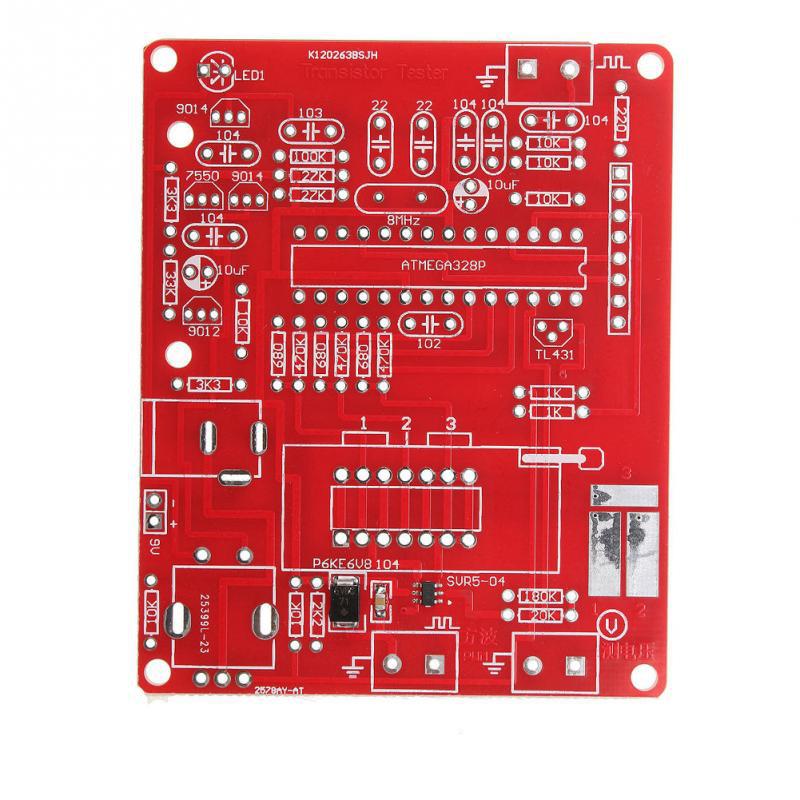
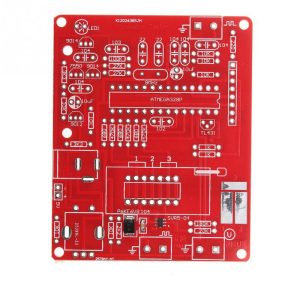
  1. Assembly (DIY Step): Carefully follow the provided circuit diagram and soldering instructions to assemble the kit. Proper soldering is critical for functionality.
  2. Powering On: Connect a 9V battery or a suitable DC power supply.
  3. Component Testing: Ensure all capacitors are fully discharged before testing. Insert component leads into the ZIF socket’s test ports (typically marked 1, 2, 3) and press the test button. The device automatically analyzes the component and displays results.
  4. Signal Generation: Use the navigation buttons (if available on the specific PCB revision) to access the PWM or Square Wave generator mode and adjust parameters like frequency or duty cycle as needed.
Q: Is this kit suitable for a beginner with no soldering experience?

Yes, it is designed as a learning project. Basic soldering skills are required. We recommend watching a few online tutorials on proper soldering techniques before starting.

Q: Can I use this for my electronics repair business?

Yes, once assembled correctly, this is a powerful and reliable tester for quickly checking passive and active components during repair work.

Q: The screen shows "Unknown or damaged part" when I insert a component. What does this mean?

First, ensure the component is not actually damaged. Second, make sure large capacitors are fully discharged before insertion. Also, check your soldering joints, as a cold solder joint can cause detection failure.

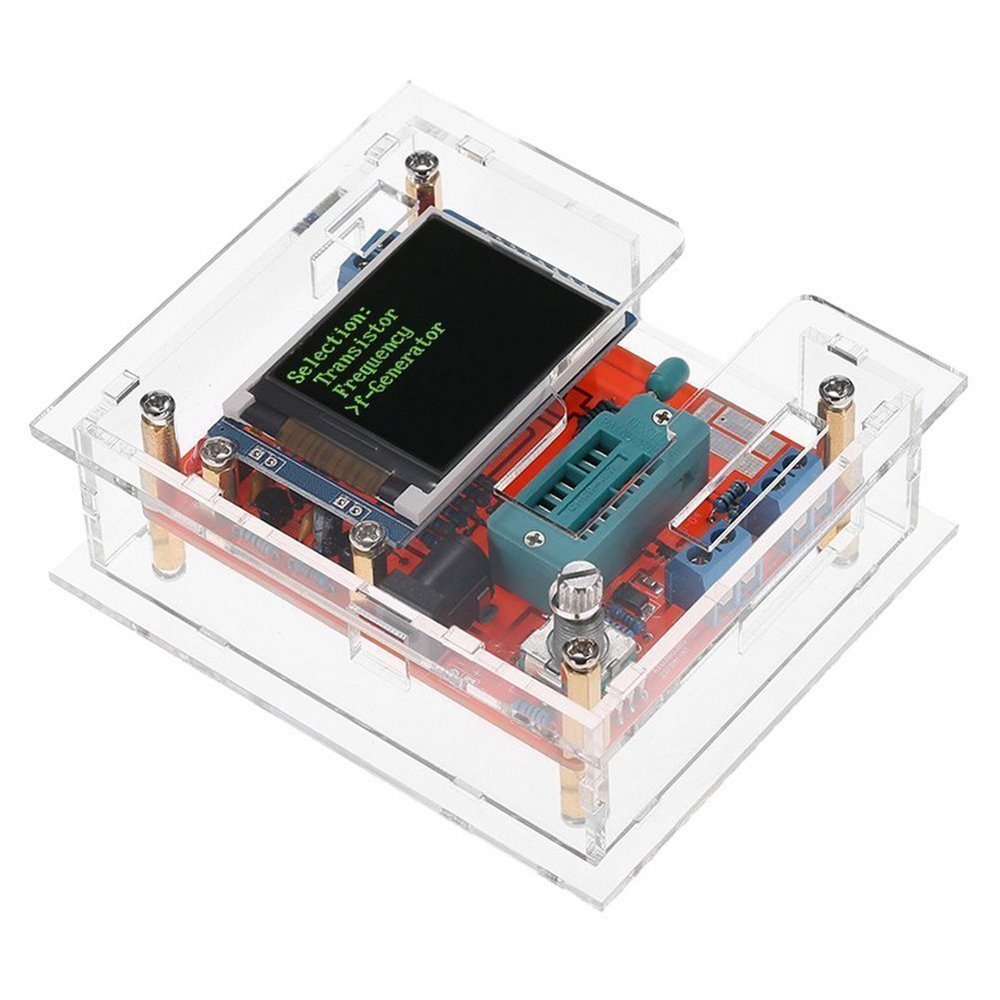
Q: Does this product come with a case or enclosure?

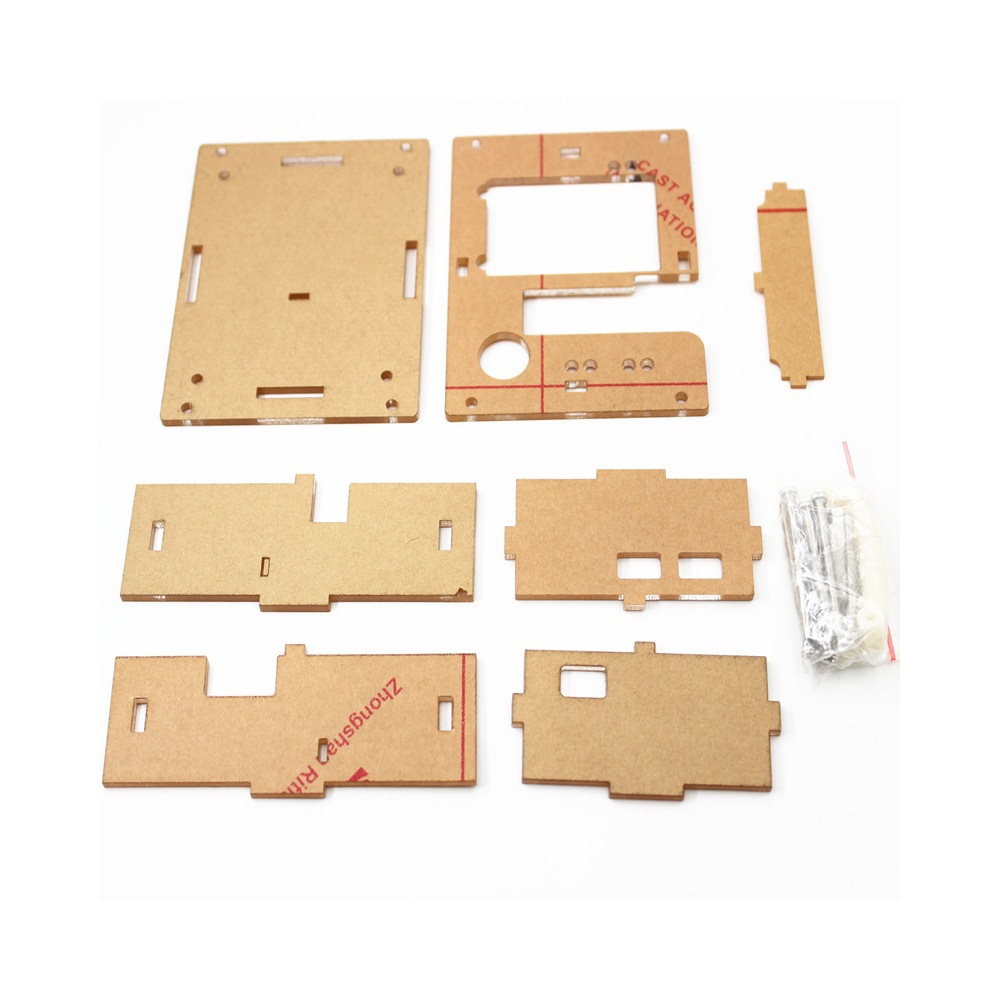
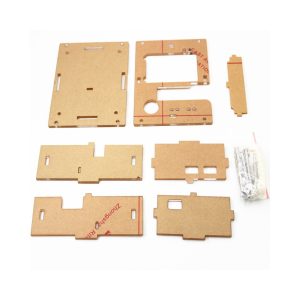
Typically, this kit only includes the PCB and electronic components. Enclosures are usually sold separately.

Q: Where can I find detailed assembly instructions or a troubleshooting guide?

The manufacturer or the specific vendor you purchased from should provide detailed instructions, often via a downloadable PDF or a web link. Online forums for hobby electronics are also a great resource for assembly tips.