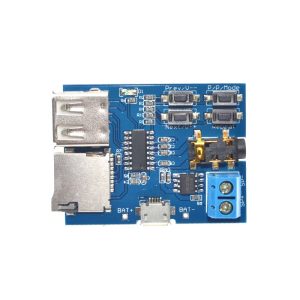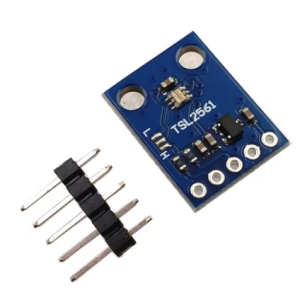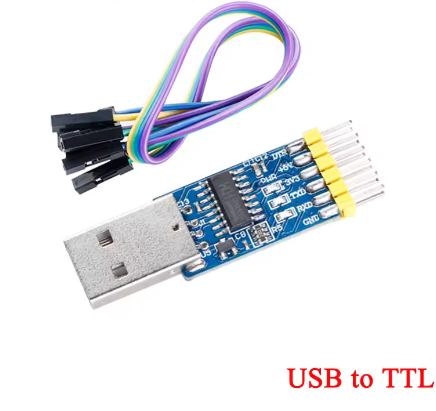
Multi-Protocol Serial Converter Module (USB/TTL/RS485/RS232/CAN)

SKU: FA2046-2
Input Interface

USB Type-A (Male) or Micro/Type-C (Model Dependent)

Output Protocols

TTL (UART), RS232 (DB9/Pins), RS485, CAN Bus

Operating Voltage

5V (USB Powered)

Logic Levels

3.3V / 5V Selectable

RS485 Distance

Up to 1200 meters (at lower baud rates)

CAN Bus Standard

CAN 2.0A and 2.0B compatible

Baud Rate Range

300 bps to 2 Mbps (Protocol dependent)

Protection

±15kV ESD, TVS Surge Protection

Product Description
The Multi-Protocol Serial Converter Module is a high-performance, universal communication hub designed to eliminate the need for multiple specialized adapters. Engineered for engineers, field technicians, and industrial integrators, this module provides a seamless bridge between a computer’s USB port and virtually every major serial protocol used in modern industry: TTL, RS485, RS232, and CAN Bus.
Built with industrial-grade isolation and high-speed transceivers, this converter ensures stable data integrity even in electrically noisy environments. It allows for bidirectional data flow, making it an indispensable tool for debugging PLCs, sniffing CAN Bus traffic in automotive systems, or interfacing legacy RS232 hardware with modern 3.3V/5V microcontrollers. Whether you are performing a quick field diagnostic or building a permanent multi-node communication gateway, this all-in-one module provides the versatility and protection required for professional-grade projects.
Key Features
  • 5-in-1 Universal Connectivity: Supports USB-to-TTL, USB-to-RS232, USB-to-RS485, and USB-to-CAN conversion in a single, compact device.
  • High-Speed CAN Bus Support: Integrated CAN transceiver for automotive diagnostics (OBD-II), industrial automation, and robotic control systems.
  • Industrial Protection: Features onboard TVS (Transient Voltage Suppressor) diodes and ESD protection to safeguard your PC against high-voltage spikes and surges.
  • Dual-Voltage TTL Logic: User-selectable 3.3V and 5V logic levels ensure compatibility with both legacy Arduino systems and modern ARM/ESP32 hardware.
  • Auto-Direction RS485 Control: Intelligent hardware flow control automatically manages the RS485 send/receive directions, eliminating the need for manual software switching.
  • Multi-Platform Driver Support: High-performance chipset ensures “plug-and-play” stability across Windows, macOS, and Linux environments.
Usage & Applications
  • Industrial Automation: Configuring and monitoring PLCs, HMI panels, and Modbus-based RS485 sensors.
  • Automotive Engineering: Interfacing with CAN Bus networks for vehicle telematics, ECU tuning, and diagnostic logging.
  • Legacy Hardware Support: Connecting modern laptops to older RS232-based CNC machines, medical equipment, or lab instruments.
  • Embedded Development: A single tool for programming and debugging TTL-level microcontrollers (Arduino, STM32, ESP32).
  • Field Service: A compact “universal key” for technicians who need to connect to various unknown serial interfaces on-site
Q: Can I use all protocols (RS485, RS232, CAN) at the exact same time?

While the hardware supports all protocols, they typically share a single USB-to-Serial backend. For most models, you use one protocol at a time to prevent data collision, though some advanced versions allow simultaneous “listening” across different ports.

Q: Do I need a specialized driver for the CAN Bus function?

Depending on the internal chipset, the CAN function may appear as a Virtual COM port (using Serial-to-CAN commands) or require a specific library. Standard RS232/485/TTL functions are typically plug-and-play.

Q: Is it safe to use with my 3.3V Raspberry Pi?

Yes. Ensure the logic level jumper is set to 3.3V before connecting to your Pi’s GPIO pins to avoid overvoltage damage

Q: Does this support the 120Ω termination resistor for RS485 and CAN?

Yes, most modules include an onboard 120Ω resistor that can be enabled via a jumper or switch to ensure signal stability over long cable runs

Q: Why is my RS485 communication failing over long distances?

Ensure you are using shielded twisted-pair (STP) cable and that the Ground (GND) is common between devices. Also, verify that the 120Ω termination resistor is enabled at the furthest ends of the network.