Product Description
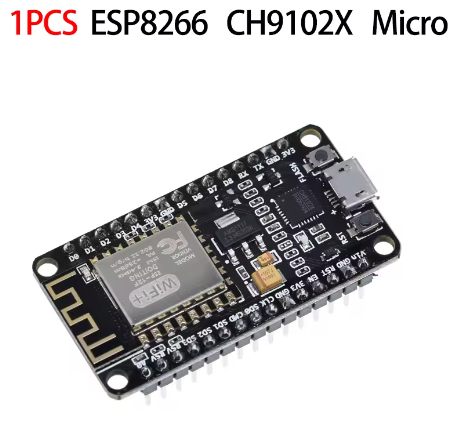
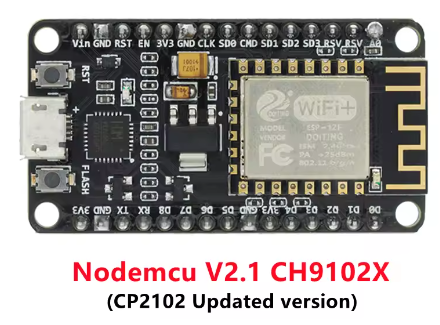
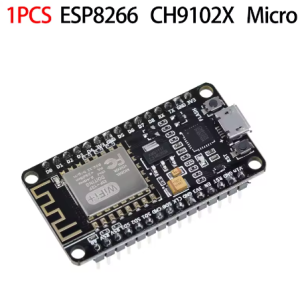
The NodeMCU V2 is a high-performance, open-source IoT development platform powered by the ESP8266 Wi-Fi System-on-Chip (SoC). This “V2” version features the modern CH9102X USB-to-UART bridge, which offers exceptional driver compatibility and high-speed data transmission for seamless programming and debugging.
Designed specifically for the next generation of wireless connectivity, the NodeMCU V2 integrates a built-in PCB antenna, 4MB of Flash memory, and a robust 3.3V voltage regulator. Its slim, breadboard-friendly design ensures that when plugged into a standard breadboard, the outer rows of pins remain accessible for easy wiring. Whether you are a business looking to deploy a fleet of low-power sensors or a developer building a custom smart-home gateway, the NodeMCU V2 provides a stable, “plug-and-play” Wi-Fi solution.
Key Features
- Integrated Wi-Fi Connectivity: Supports 802.11 b/g/n protocols with a full TCP/IP stack for Station, SoftAP, or mixed-mode operation.
- Next-Gen CH9102X Chipset: Provides stable, high-speed USB-to-Serial conversion with excellent driver support for Windows 10/11, macOS, and Linux.
- Breadboard Optimized: The slim “V2” form factor allows the board to sit on a breadboard while leaving a row of pins free on each side for prototyping.
- Multi-Language Support: Originally designed for Lua scripting, but is fully compatible with the Arduino IDE, MicroPython, and ESP-IDF.
- Rich Peripheral Interface: Includes 10 GPIOs, PWM, I2C, SPI, and a 10-bit Analog-to-Digital Converter (ADC).
- Advanced Power Management: Optimized for low-power operation, featuring deep-sleep modes to extend battery life in remote IoT deployments.