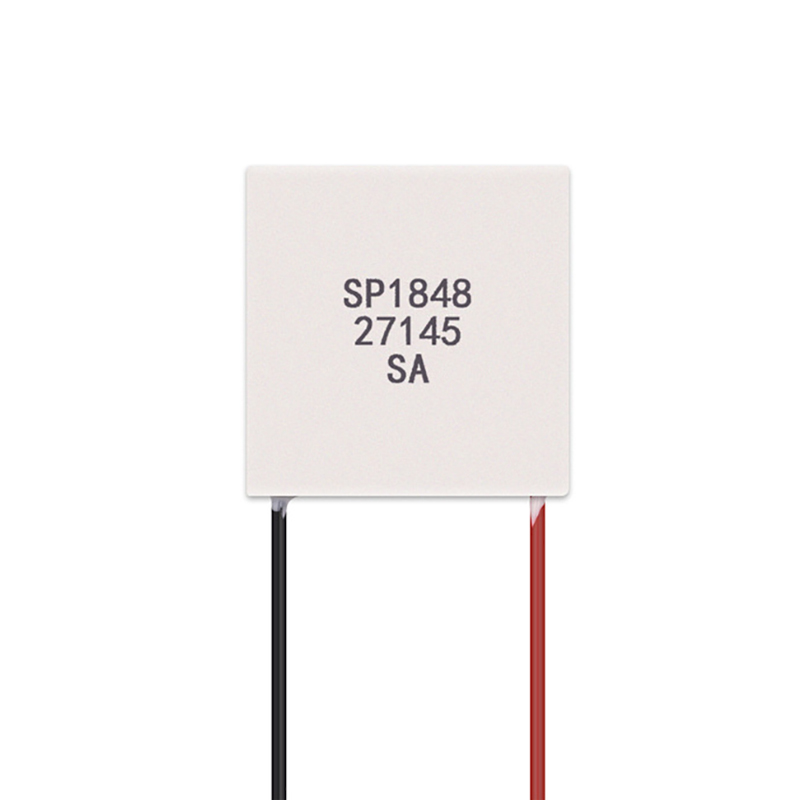
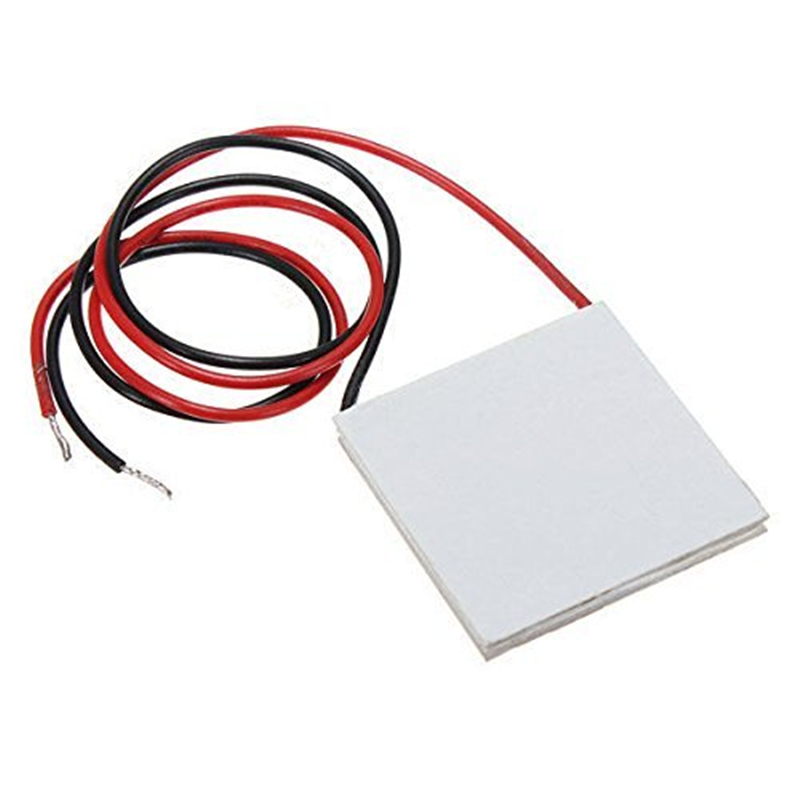
SP1848-27145 Peltier Thermoelectric Cooler for CPU Cooling, Refrigeration, DIY Projects 40*40mm 150℃

SKU: FA2060
Model Number

SP1848-27145 (High-Temp Version)

Dimensions

40mm x 40mm x 3.4mm

Maximum Operating Temp

150°C

Open Circuit Voltage

~4.8V (at ΔT of 80°C)

Generation Current

600mA – 700mA (at ΔT of 80°C)

Internal Resistance

1.8 Ω~ 2.2 Ω

Material

Bismuth Telluride (Bi2 Te3)

Wire Type

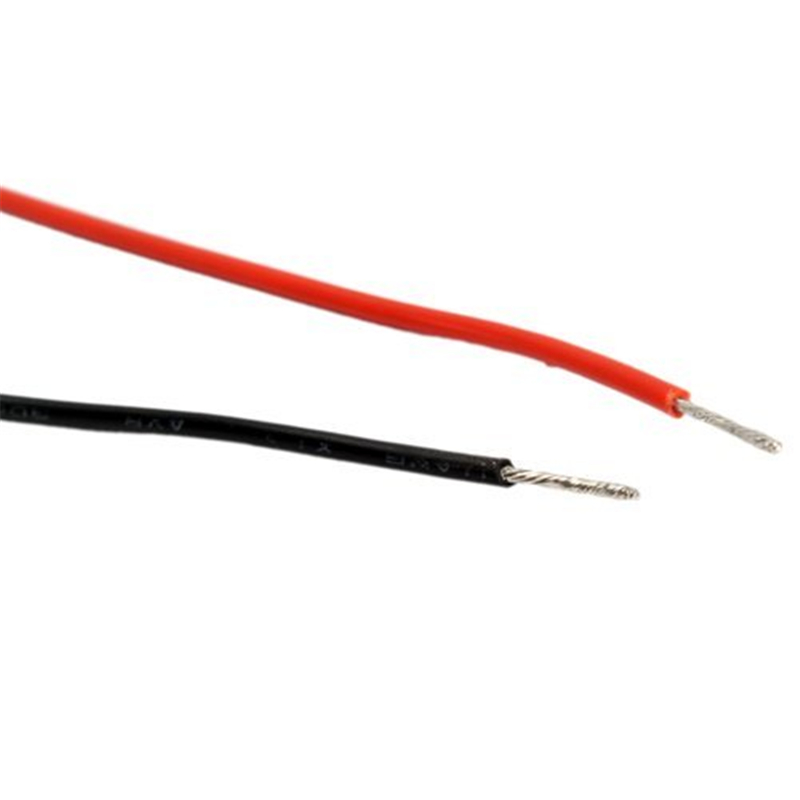
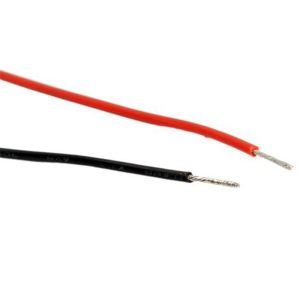
300mm Teflon High-Temperature Wire

Sealant

High-Temperature Silicone Seal

Product Description
The SP1848-27145 (150°C Version) is an advanced thermoelectric module engineered for extreme thermal environments where standard Peltier devices fail. While typical cooling modules are limited to 70°C or 80°C, the SP1848 series is constructed with high-purity Bismuth Telluride and specialized internal solders that allow it to operate reliably at temperatures up to 150°C.
This module is a “Dual-Mode” device: it acts as a high-precision Peltier Cooler when supplied with DC power, or as a Seebeck Power Generator when exposed to a temperature gradient. Its ability to withstand high heat makes it the premier choice for industrial waste-heat recovery, high-performance CPU/GPU chilling, and specialized laboratory equipment. Whether you are building a sub-ambient cooling loop or harvesting energy from a heat source, the SP1848-27145 provides industrial-grade durability and efficiency.
Key Features
  • Extreme Thermal Resilience: Rated for continuous operation up to 150°C, providing a massive safety margin for high-heat industrial applications.
  • Dual-Function Architecture: Optimized for both active cooling (Peltier effect) and solid-state power generation (Seebeck effect).
  • Enhanced Energy Harvesting: Specifically tuned to produce higher voltage outputs when used as a thermoelectric generator (TEG) compared to standard TEC modules.
  • Solid-State Reliability: No moving parts, no noise, and no vibration, ensuring a maintenance-free lifespan even under heavy thermal cycling.
  • Teflon High-Temp Leads: Equipped with heat-resistant Teflon-coated wiring to prevent insulation melting in high-temperature environments.
  • Precision Parallelism: Mirror-flat ceramic surfaces ensure maximum contact area for superior heat transfer efficiency.
Usage & Applications
  • Industrial Waste Heat Recovery: Convert heat from steam pipes, furnaces, or automotive exhausts directly into electricity to power sensors or IoT nodes.
  • High-Performance Computing: Active sub-ambient cooling for overclocked CPUs and high-wattage GPUs.
  • Precision Laboratory Equipment: Thermal stabilization for DNA amplification (PCR) and chemical reaction chambers.
  • Remote Power Generation: Used in “stove-top” chargers or campfire generators to provide emergency power in off-grid locations.
  • Aerospace & Defense: Thermal management and power harvesting in high-altitude or high-friction environments.
Q: Can I use this module to charge a phone from a heat source?

Yes. By maintaining a large temperature difference between the two sides (hot side on a heat source, cold side on a large heatsink), the module generates DC power. You will typically need a 5V DC-DC boost converter to stabilize the output for phone charging

Q: Why is the 150°C rating important for cooling?

When used for aggressive cooling, the “hot side” of a Peltier can reach very high temperatures if the heatsink isn’t perfectly efficient. A 150°C rating prevents the module from melting its internal solder joints, a common cause of failure in standard 70°C modules.

Q: Do I need to use thermal paste on both sides?

Yes. For both cooling and power generation, a thin, even layer of high-quality thermal grease (TIM) is mandatory to ensure efficient heat transfer between the ceramic plates and your hardware.

Q: How do I know which side to put on the heat source?

For power generation, the side with the model number printed on it usually faces the heat source. For cooling, the printed side is typically the cold side

Q: Is it waterproof?

The module features a high-temperature silicone seal around the edges to protect the internal semiconductor couples from moisture and oxidation, though it should not be fully submerged in liquid.