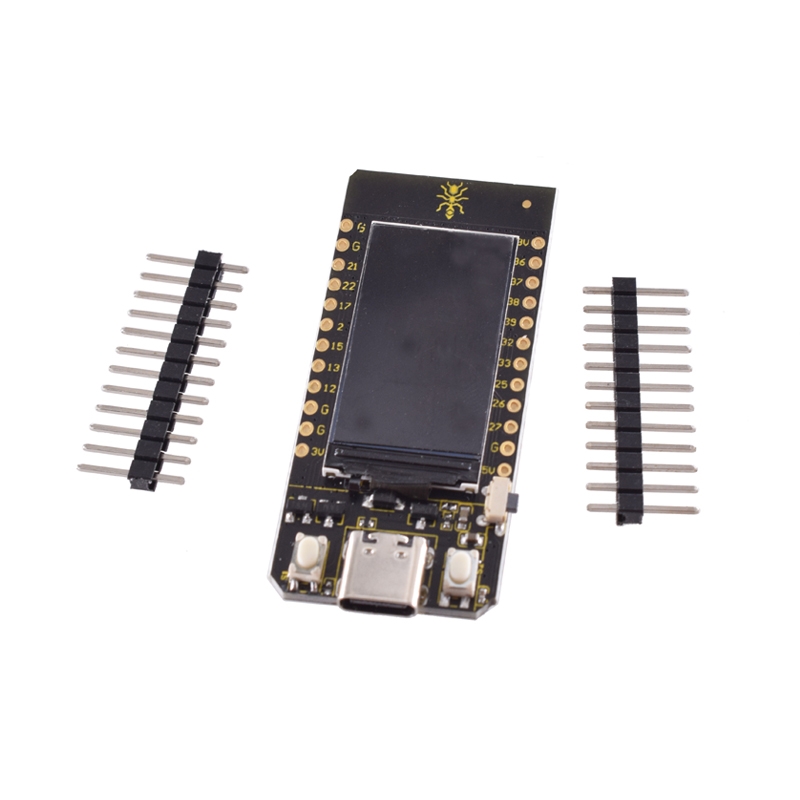
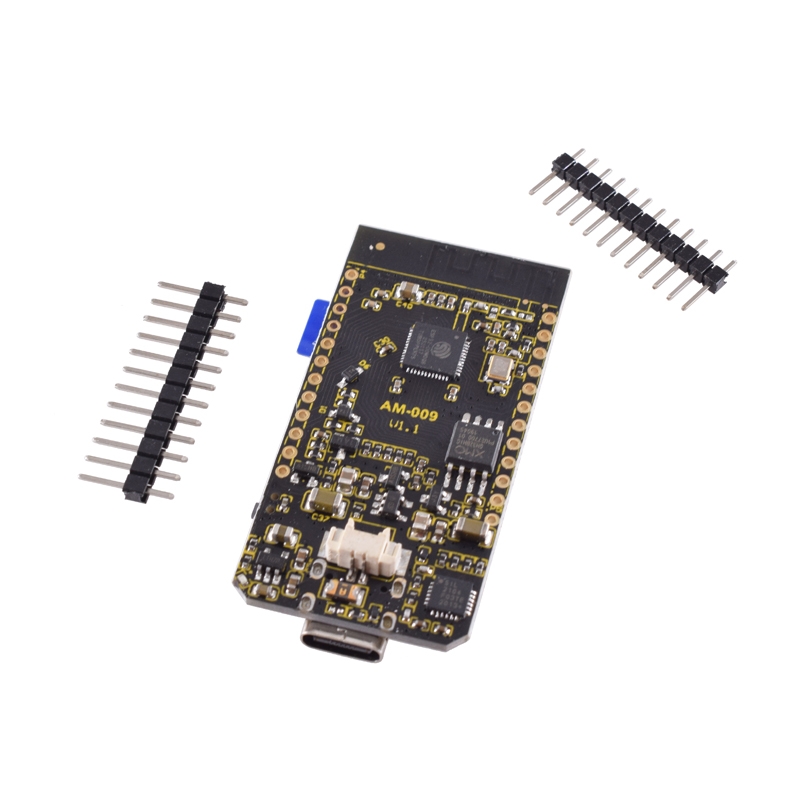
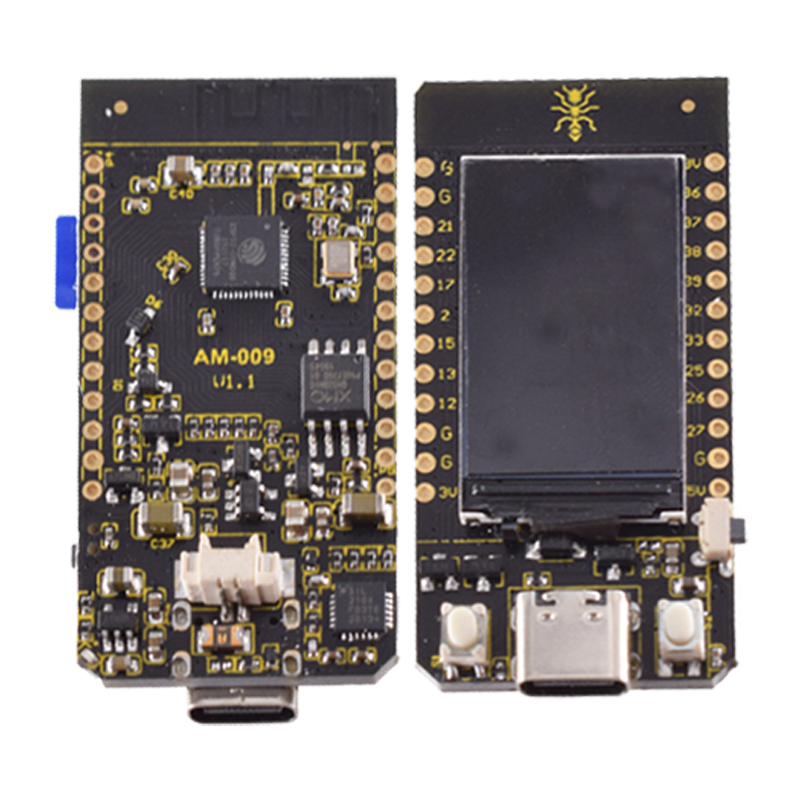
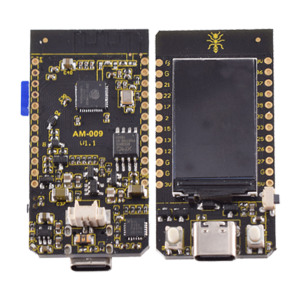
The TTGO T-Display (by LilyGO) is a compact, all-in-one IoT development board that combines a high-performance ESP32 microcontroller with a vibrant 1.14-inch IPS LCD color screen. Designed for the 2026 connectivity landscape, it serves as an ideal solution for developers needing a “ready-to-go” visual interface without the clutter of external wiring.
Long Description
The TTGO T-Display is powered by the dual-core ESP32-WROOM-32, providing high-speed Wi-Fi and Dual-mode Bluetooth for seamless communication with smartphones, cloud servers, and other smart devices. Its standout feature is the integrated ST7789V color display, which offers high pixel density (260 PPI) for crisp visuals, perfect for real-time sensor monitoring, custom dashboards, or portable gaming.
For business purchasers, the board’s integrated battery management and wide operating temperature range (-40°C to +85°C) make it a reliable choice for commercial industrial monitoring and compact wearable prototypes. For individual makers, it simplifies entry into ESP32 development by providing built-in buttons and an LCD that works out of the box with standard Arduino IDE libraries.
Key Features
- Integrated Color Visuals: Built-in 1.14″ IPS LCD with 135×240 resolution and 65K colors.
- High Performance: Dual-core 240MHz processor capable of complex multitasking.
- Dual Power Versatility: Powered via USB Type-C or a 3.7V Lithium battery through an onboard JST connector.
- Smart Power Management: Features a built-in battery charging circuit (500mA) and low-power sleep modes (~120μA–350μA).
- User Interface Ready: Includes two programmable buttons (GPIO0 and GPIO35) and a reset button for immediate user interaction.