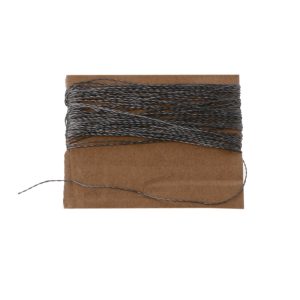
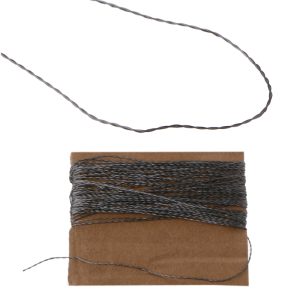
Stainless Steel Conductive Thread Wire (1 Meter): The Backbone of E-Textiles
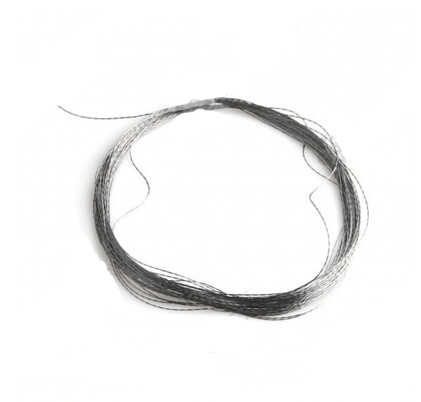
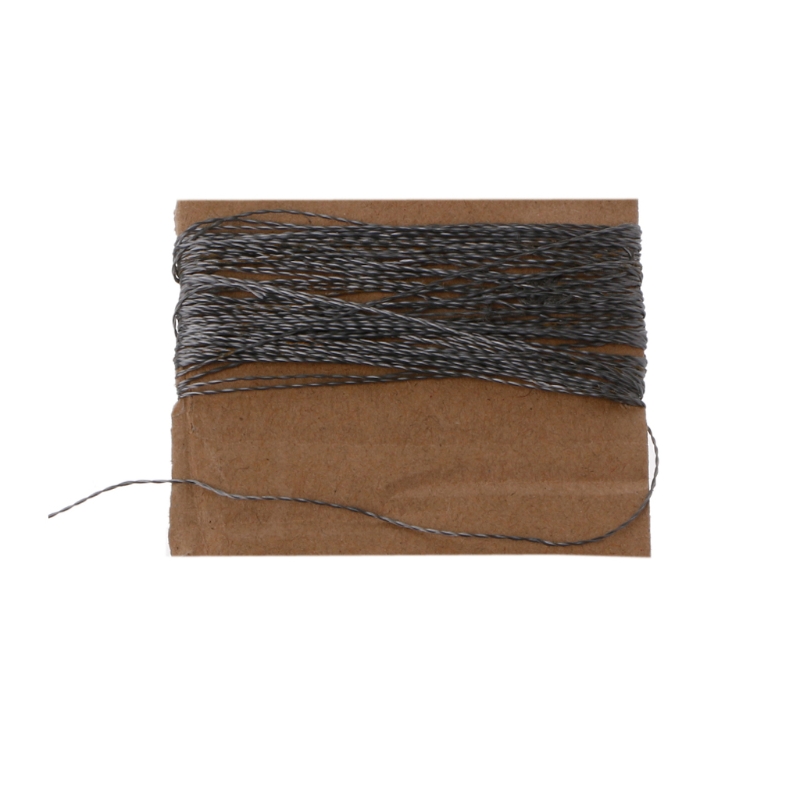
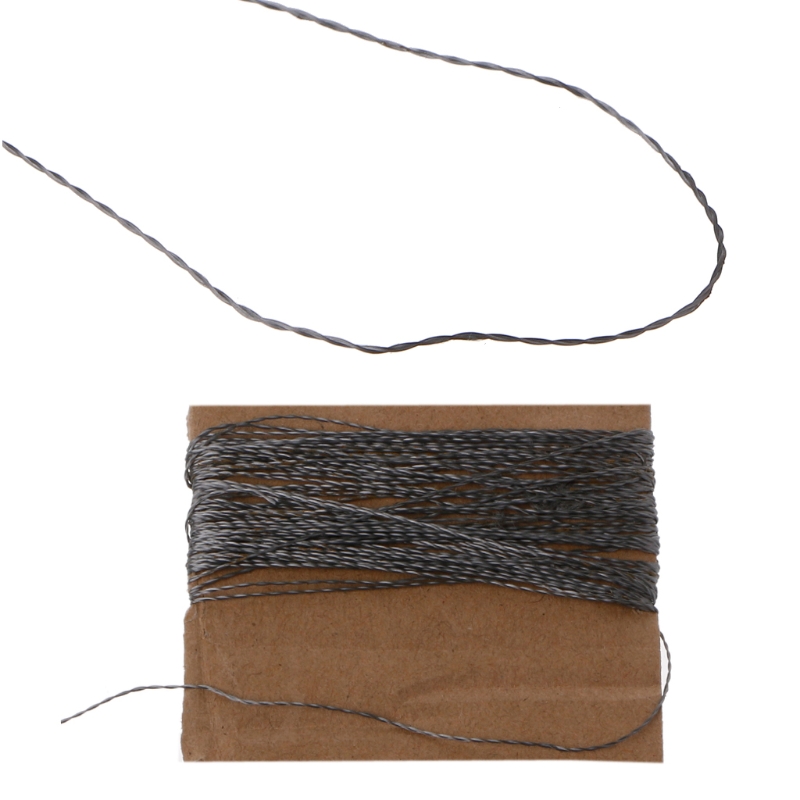
This Stainless Steel Conductive Thread Wire is a fundamental supply for any e-textile or wearable technology project. Designed specifically to work seamlessly with platforms like the LilyPad Arduino system, this specialized thread replaces traditional insulated copper wires in soft circuits.
Made from high-quality stainless steel fibers spun into a durable, flexible thread, it allows you to sew functional, electrical circuits directly into fabric, clothing, and accessories. This 1-meter single-unit option is perfect for prototyping, small repairs, or testing components before committing to a larger spool.
Key Features
- High Conductivity: Made from stainless steel fibers, ensuring reliable low resistance for power and data transfer in your soft circuits.
- Sewable & Flexible: Maintains the flexibility and feel of standard sewing thread, allowing projects to bend, drape, and move naturally with the fabric.
- Durable: Stainless steel is inherently resistant to rust, corrosion, and everyday wear and tear, contributing to the longevity of your wearable projects.
- Minimal Fraying: Tightly spun construction reduces fraying, making it easier to thread needles and manage stitches.
- Perfect for Prototyping: The 1-meter length is an economical way to sample the product or handle quick, small projects.
- Washable: Safe for use in projects that require gentle hand-washing (once electronic components and power sources are removed).
Technical Parameters (Specifications)
| Parameter |
Value |
| Material |
100% Stainless Steel Fibers |
| Length |
1 Meter (Continuous strand) |
| Conductivity |
Conductive |
| Resistance |
Typically ranges from 15 to 30 Ohms per foot (approx. 49 to 98 Ohms per meter) |
| Thread Weight/Thickness |
Varies by spool batch (e.g., 2-ply or 4-ply options usually available) |
| Tensile Strength |
Good strength suitable for hand sewing; delicate for machine use |
| Coating |
None (Raw conductive metal fibers) |
Usage Instructions
Conductive thread acts as the “wire” in your e-textile projects. It must be treated differently than insulated wire to avoid short circuits.
Best Practices for Integration:
- Hand Sewing Recommended: While it can be used in some sewing machines with tension adjustments, hand sewing provides better control and reduces the risk of thread snapping or fraying.
- Maintain Separation: When sewing a circuit, ensure that your ‘+’ (positive) threads never physically cross or touch your ‘-‘ (ground) threads or data lines. Use sufficient space between stitch lines or add a barrier like fabric glue or a small piece of insulating fabric (felt) where lines must overlap.
- Secure Knots: Tie secure knots at connection pads to ensure good electrical contact.
- Avoid Excessive Pulling: Pulling too tightly can break the internal metal fibers, increasing resistance or breaking the circuit entirely.
Q: How does this thread compare to standard thread resistance?
Standard cotton or polyester thread is an electrical insulator (very high resistance). This stainless steel thread is a conductor with measurable resistance (Ohms per meter), allowing electricity to flow through it.
Q: Can I use this thread in a standard sewing machine?
It is not recommended for standard sewing machines as the thread can be abrasive, cause fraying, or snap frequently due to tension variations. Hand sewing is the recommended method.
Q: Does the thread rust if it gets wet?
No, the thread is made from stainless steel, which is highly resistant to rust and corrosion. Projects can be washed (following proper e-textile care instructions) without damaging the conductivity of the thread.
Q: Why does the resistance per meter vary slightly?
The resistance depends on the exact number of plies (strands twisted together). Thicker threads generally have lower resistance per meter. The typical range provided is sufficient for most low-power LED projects.
Q: I am a business buyer/purchasing for a school. Is a 1m length economical?
For high-volume use, we highly recommend purchasing our larger spools (e.g., 25g/250m spools) which offer significantly better value per meter for educators and commercial users.